
Reviewed · DELHI PHOTOGRAPHY WALKS
Delhi: Heritage Photography Tour
Delhi’s best photo walk is not a hunt for the city’s biggest monuments. It is a carefully chosen stroll through Safdarjung Tomb, Lodhi Garden, and a string of quieter historic corners that are easy to miss when you are racing between Delhi’s headline sights. You get architecture, flowers, old tombs, painted walls, and a little breathing room from the city’s noise.
I like the mix of subjects. You can work on symmetrical monument shots at Safdarjung Tomb, then turn to trees, flowers, and reflections around the garden. I also like the guide’s role: Rajeev has led an informative evening tour, while Ameesha was praised for keeping in touch, telling good stories, and giving photographers space to work. The main concern is reliability, since one booking resulted in no guide appearing at the meeting point.
In This Review
- Key points to know before you book
- Why this two-hour walk works for photographers
- Starting at Safdarjung Tomb
- Muhammad Shah Sayyid Tomb and Delhi’s earlier chapters
- Lodhi Garden, Delhi’s most varied photo stop
- Bara Gumbad and Athpula Bridge
- Shish Gumbad and the Lodhi dynasty
- Rose Garden and Lodhi street art
- Guides, language, and the pace of the walk
- What $14 includes, and what it does not
- Who should book this Delhi photo walk?
- Should you book the Heritage Photography Tour?
- FAQ
- Where does the Heritage Photography Tour begin?
- How long does the tour last?
- What languages are available?
- Is entry to the photography locations included?
- Are photography tips included?
- Is a drink included?
- Should I bring water?
- Are large bags allowed?
Key points to know before you book
- Safdarjung Tomb begins the walk: Meet at the entrance gate and ticket counter, then start with one of Delhi’s most photogenic Mughal-era monuments.
- Lodhi Garden supplies variety: Tombs, mosques, trees, flowers, broad paths, and a lake keep the photography from feeling repetitive.
- The walk reaches lesser-seen details: Muhammad Shah Sayyid Tomb, Bara Gumbad, Shish Gumbad, and Sikandar Lodi Tomb add layers of Delhi’s past.
- Street art finishes the route: Painted walls explore themes including nature, the world’s origin, and life and death.
- Photography guidance is part of the price: Your guide can offer tips while allowing time to make your own images.
- It is a short, active outing: The tour lasts two hours, requires comfortable shoes, and is not suited to wheelchair users or pregnant women.
Why this two-hour walk works for photographers
Delhi can overwhelm your camera with color, movement, ornate buildings, and crowds. This tour takes a calmer approach. Instead of trying to photograph the whole city in one morning, you follow a compact route where each stop offers a different visual problem.
At one point, you may be working with formal architecture and strong lines. Later, you may look for a flower, a tree, or a reflection on the lake. The route also gives you painted walls and old lanes, so you are not limited to the usual monument portrait.
That variety matters if you use a phone as much as if you carry a full camera kit. A guide who understands photography can help you notice framing, light, and small details. You are not simply being marched from gate to gate.
The walk is also a useful fit for a first visit to Delhi. You see important pieces of the city’s past without spending half a day in traffic. At $14 per person, the price is modest for a private-feeling activity that includes entry to the photographic destinations, a guide, photography tips, and one hot beverage. The value depends partly on the guide showing up and delivering the promised route, so the poor reliability reported by one customer should not be ignored.
More photo walks in New Delhi:
- Same Day Taj Mahal Photography Tour by Car
★ 5.0 · 31 reviews - Private Photoshoot with a Local Photographer
★ 5.0 · 29 reviews - Old Delhi Photography & Food Tour with Rickshaw Ride to Masterji Kee Haveli
★ 5.0 · 22 reviews
Starting at Safdarjung Tomb
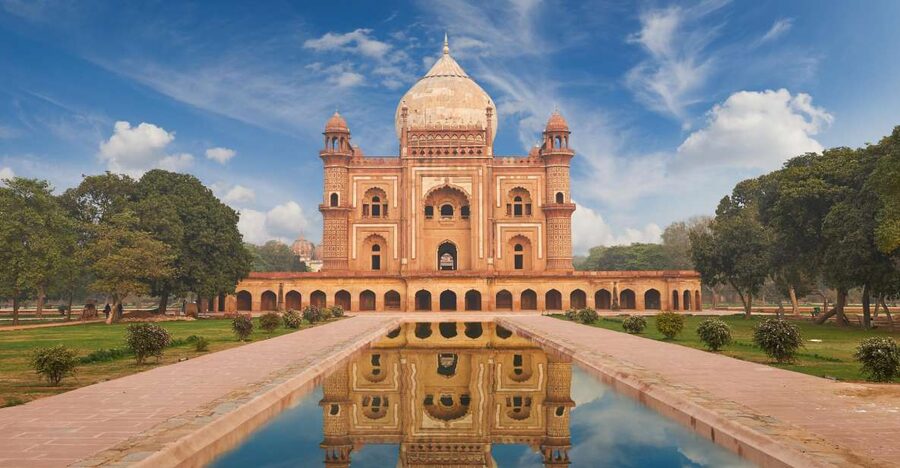
Your meeting point is the entrance gate of Safdarjung Tomb, specifically by the ticket counter. This is a useful arrangement because you do not need to search through a large public area for a moving group.
The tomb gives you an immediate subject with strong architectural form. Expect an opening portion focused on the building’s exterior and its place in Delhi’s historic setting. Your guide can help you think about angles and composition before the walk moves into the wider Lodhi area.
This first stop also sets the tone. The tour is not only about taking a picture and leaving. The guide is expected to explain local importance, religious ideas, and beliefs connected with the places you see. That extra context can help you avoid making every monument look like a decorative backdrop.
You should arrive with your camera or phone ready, but do not bring a large bag or luggage. The route is on foot, and comfortable shoes will make the two hours easier.
Muhammad Shah Sayyid Tomb and Delhi’s earlier chapters
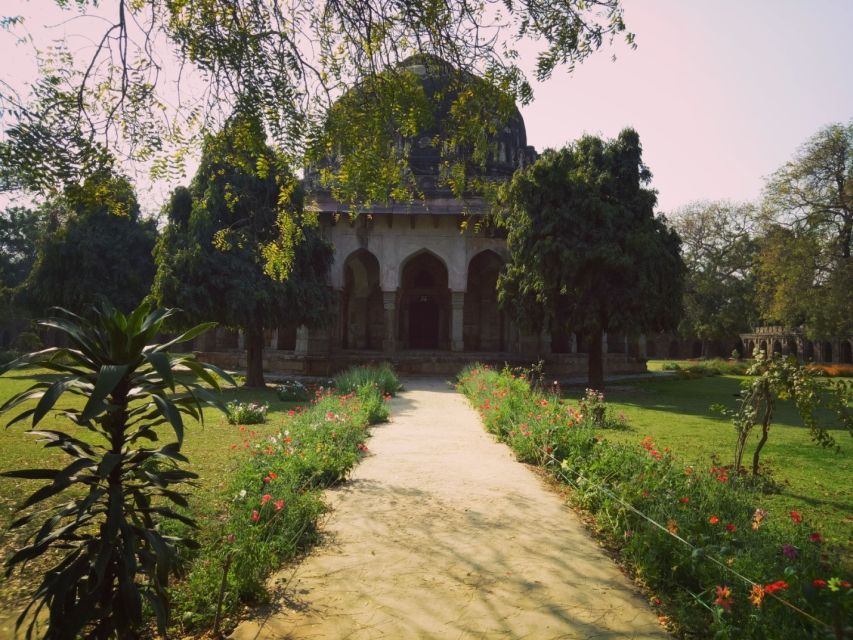
The Muhammad Shah Sayyid Tomb brings another piece of Delhi’s past into the route. The stop is valuable because it shifts attention away from the city’s most familiar imperial names and toward a monument connected with the Sayyid period.
You may find that smaller or less famous tombs reward a slower eye. Look for the shape of the dome, the balance between open space and masonry, and the way the structure sits against the sky. These are the kinds of details a guide can point out while you decide how much time to spend with your camera.
The tour description also frames this site as a place displaying relics from Delhi’s history. That makes the stop more than a photo pause. It gives you a chance to connect the visible structure with the many political and religious chapters that shaped the city.
Do not expect a museum-style visit with a long indoor presentation. This is a walking experience, and its strength is the connection between monuments, streets, gardens, and conversation.
Lodhi Garden, Delhi’s most varied photo stop
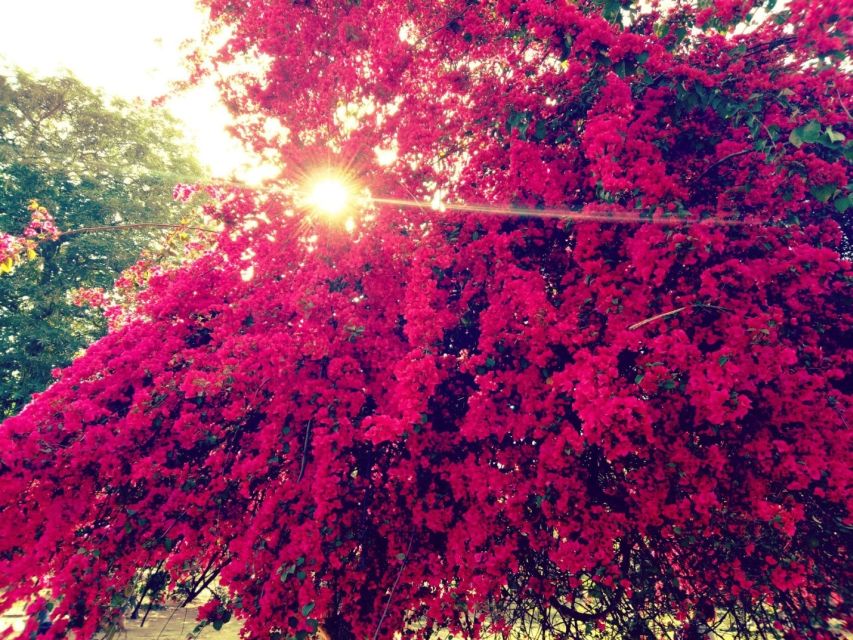
Lodhi Garden is the heart of the outing. It offers the widest range of subjects in one area: historic tombs, a mosque, trees, flowers, broad lanes, and a lake crossed by the Athpula Bridge.
I like this part for the simple reason that you can change your approach without changing neighborhoods. If the light is better on architecture, work with the tombs. If you want softer images, turn to the Rose Garden or the trees. If you prefer reflections and repeating shapes, the bridge and lake give you another option.
The garden is described as one of Delhi’s loveliest parks, and it is also the best section for nature photography. You can expect different varieties of trees and flowers, though the exact condition of the blooms will depend on the season.
The open setting creates one practical issue: the route may feel less focused for photographers who want a nonstop series of grand monuments. This is a garden walk, not a tightly packed museum visit. That slower rhythm is a benefit for some people and a drawback for others.
The garden also provides a break from Delhi’s intensity. You will still be in the capital, but the route shifts toward greenery, old stone, and open paths. For a visitor adjusting to the city, this can be a welcome reset.
A few more New Delhi departures worth comparing
- Sunrise Taj Mahal & Agra fort tour with Professional Photographer
★ 5.0 · 29 reviews - From Delhi: Taj Mahal Tour with Professional Photographer
★ 4.9 · 15 reviews - Delhi Like a Local: Food & Photography Full Day Tour
★ 5.0 · 15 reviews - Delhi Street Photography Tour
★ 5.0 · 11 reviews
Bara Gumbad and Athpula Bridge
The 15th-century Bara Gumbad tomb and mosque add an older architectural group to the walk. The pair gives you more than a single structure to frame. You can compare the tomb and mosque, look for repeated forms, and use the open space between them to build a wider image.
This is where the guide’s storytelling can add real value. Religious buildings are easier to appreciate when you understand something about their local importance and beliefs. The activity includes conversation on those subjects, so you can ask questions rather than simply collect dates.
After the Bara Gumbad area, the route uses Athpula Bridge to cross a lake. The bridge changes the pace again. It gives you a path across water, a different viewpoint toward the garden, and the possibility of reflections or layered views.
You should not expect a long stop at every site. Two hours is enough for a compact introduction, but it requires some discipline. If you spend ten minutes adjusting every shot, you may need to choose between making images and keeping up with the route.
Shish Gumbad and the Lodhi dynasty
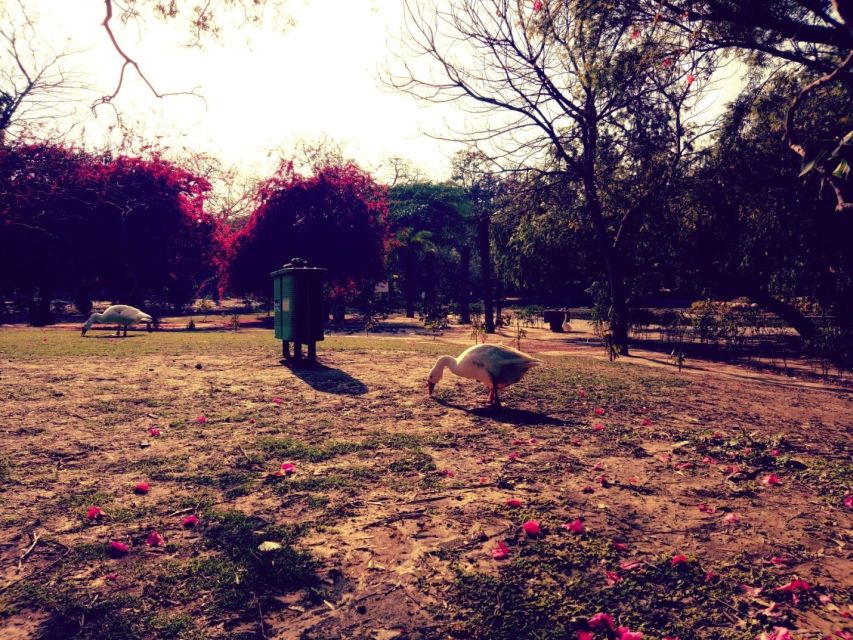
Near the end, you visit Shish Gumbad, described as the last lineage of the Lodhi Dynasty. This section gives the walk a strong historical finish. The building is another chance to photograph a tomb, but its meaning within the Lodhi story gives the stop more weight.
The route also includes Sikandar Lodi Tomb. Together, these sites help you see how Delhi’s garden monuments are not isolated decorations. They form part of a long sequence of dynasties, religious traditions, and changing power.
For your camera, this section offers more formal compositions. Domes, walls, doorways, and open courtyards can reward both wide shots and close details. A guide can suggest useful points, but the best pace is one that leaves you enough time to make the image your own.
The walking distance is not stated, but the itinerary includes several monuments and garden areas within two hours. Comfortable footwear is not a minor suggestion. Avoid heavy luggage, and plan to carry only what you can handle while walking and photographing.
Rose Garden and Lodhi street art
The Rose Garden brings a softer visual note before the final street-art section. Flowers can be difficult subjects because they are small and easily lost in a busy frame, so this is a good place to practice close compositions, color balance, and background control.
The exact flowers you see will depend on the time of year. Still, the garden adds a useful contrast to the stone monuments. You move from carved surfaces and old masonry to living color and seasonal detail.
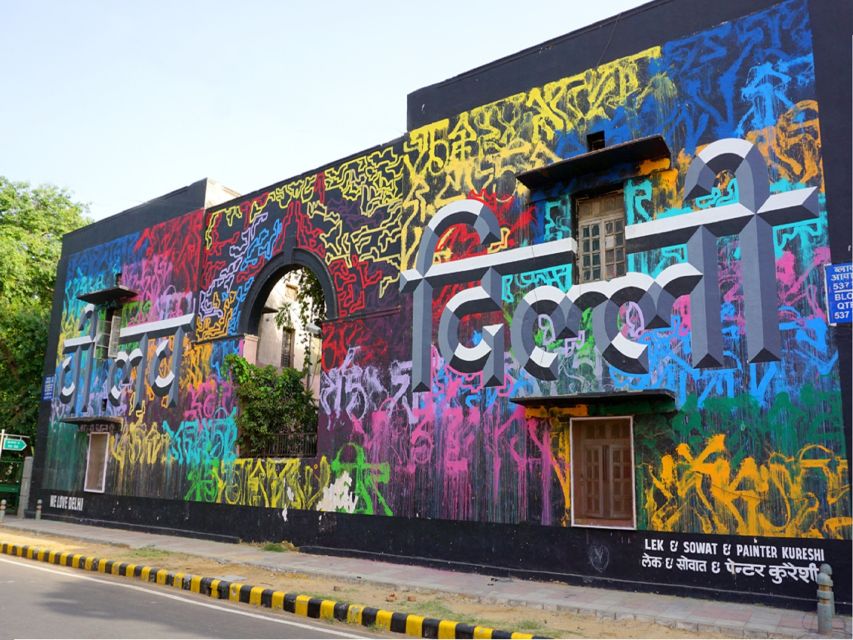
The final stop is Lodhi street art. Painted walls explore themes such as nature, the origin of the world, and life and death. This gives the tour a modern ending instead of leaving you with only medieval and early modern architecture.
I particularly like that contrast. Delhi is not presented as a city frozen in the past. You see old tombs, embassy-lined roads, and centuries-old buildings, then finish with contemporary public art. For photography, the walls may offer bold blocks of color and strong graphic shapes.
The street art also gives you a chance to think about how public spaces carry ideas today. It is a different kind of storytelling from the tombs, but both use images and symbols to communicate.
Guides, language, and the pace of the walk
The experience includes an English and Hindi-speaking storyteller-guide, with Spanish also listed as an available language. The guide is meant to combine local stories with photography advice, not simply lead you from one entrance to another.
Past guide experiences attached to this activity include Rajeev and Ameesha. Rajeev led an evening tour described as well organized and informative. Ameesha contacted the group by phone, shared interesting stories, and allowed a photographer to work independently without constant interruption.
That last point matters. Many photo tours fail by moving too quickly or by treating every participant like a beginner. Here, the intended style is more relaxed. You can ask for help, then take time to frame the scene yourself.
The schedule may be especially pleasant in evening light. One successful outing took place in the evening, when the monuments and garden had a softer look. Starting times vary, so check the available slot before booking.
The guide’s appearance is the main practical risk. One customer arrived at Safdarjung Tomb and found that no guide had turned up, with staff at the entrance unaware of the booking. That appears to be an isolated but serious failure. I would confirm the meeting details and guide contact before setting out, especially if your schedule is tight.
What $14 includes, and what it does not
At $14, this is an inexpensive way to add a focused activity to a Delhi itinerary. You are paying for two hours of guiding, entry to the photographic destinations, photography tips, local conversation, and one hot beverage.
The price is strongest for visitors who want help finding less obvious photo locations. If you already know Safdarjung Tomb and Lodhi Garden well, the added value will depend on the guide’s stories and technical suggestions.
Hotel pickup and drop-off are not included. You need to reach the Safdarjung Tomb entrance on your own, and you also need to bring your own water. A hot beverage is included, but it should not replace a water bottle for a two-hour walk.
Free cancellation is available up to 24 hours before the start, and you can reserve while paying later. Those terms make the booking less risky, but they do not remove the need to check that the meeting arrangement is active.
Who should book this Delhi photo walk?
I would choose this tour if you want a short introduction to Delhi’s historic gardens and monuments, especially if you prefer making pictures to ticking off major attractions.
It suits:
- Amateur photographers who want simple guidance without a technical classroom
- Phone photographers looking for better angles and subjects
- Visitors who enjoy a mix of architecture, plants, water, and street art
- People who want local stories about religion, beliefs, and place
- Anyone with only two hours to spare
It may not suit you if you need a fully accessible route, since wheelchair users are not considered suitable for the activity. Pregnant women are also advised not to take it. Large bags and luggage are not allowed, and the walking format requires comfortable shoes.
I would also skip it if your only goal is Delhi’s famous headline monuments. This route is about lesser-seen corners and visual variety, not a grand tour of every major sight.
Should you book the Heritage Photography Tour?
Book it if you want a low-cost, compact walk that connects Safdarjung Tomb, Sayyid and Lodhi monuments, garden paths, a lake, flowers, and modern wall art. The strongest part is the changing subject matter, supported by a guide who can offer practical photography advice and local context.
Go in with realistic expectations. Two hours is short, the walk is active, water is not provided, and guide reliability deserves a quick confirmation before you leave. If that small risk is acceptable, this is a useful way to see a quieter, more visual side of Delhi without giving up half your day.
FAQ
Where does the Heritage Photography Tour begin?
Meet your storyteller-guide at the entrance gate of Safdarjung Tomb, by the ticket counter.
How long does the tour last?
The walking tour lasts two hours.
What languages are available?
The tour is available with a live guide in English, Hindi, or Spanish.
Is entry to the photography locations included?
Yes. Entry to all the photographic destinations is included.
Are photography tips included?
Yes. The guide provides photography tips during the walk.
Is a drink included?
One hot beverage is included.
Should I bring water?
Yes. A water bottle is not included, so you should bring your own.
Are large bags allowed?
No. Luggage and large bags are not allowed. Comfortable shoes are recommended.
More Historical Tours in New Delhi
- The Great Indian Food Tour: Old Delhi Food and Heritage Walk
★ 5.0 · 1,698 reviews - Old Delhi Food, Heritage&Cultural Walk with Rickshaw ride to Masterji Kee Haveli
★ 5.0 · 742 reviews - Old Delhi Heritage Walking Tour
★ 5.0 · 247 reviews - 3-hour Old Delhi Heritage Walking tour with Rickshaw Ride
★ 5.0 · 240 reviews
Just added around New Delhi
- Delhi: All-Inclusive Full or Half Day Tour With Hotel Pickup★ 5.0 · 3 reviews
- From Delhi : All Inclusive Taj Mahal Tour by Gatimaan Express★ 5.0 · 3 reviews
- Skip the line: Taj Mahal Agra Private Day Trip From Delhi By Car★ 5.0 · 3 reviews
- Delhi: Old and New Delhi One Day Private Guided City Tour★ 5.0 · 3 reviews
- New Delhi Night City Tour★ 5.0 · 3 reviews
- Old Delhi Half day private city tour★ 5.0 · 3 reviews
- A full-day tour of Old & New Delhi Monument Express Entry★ 5.0 · 3 reviews
- Sultanpur Bird Sanctuary Tour Near Delhi★ 5.0 · 3 reviews
Delhi Photography Walks, compared.
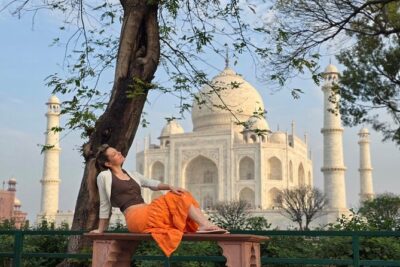


Old Delhi Photography & Food Tour with Rickshaw Ride to Masterji Kee Haveli
Read our review →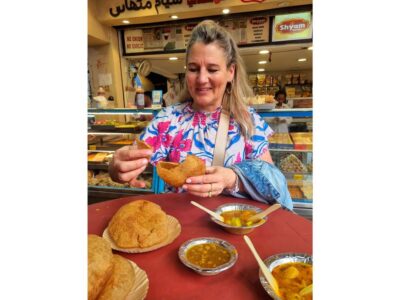
Delhi Like a Local: Food & Photography Full Day Tour
Read our review →
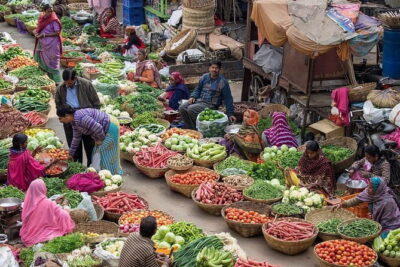
Guided Night Photography & Heritage Tour of Delhi
Read our review →
Unlock Delhi’s Secrets: Food and Photography Full Day Tour
Read our review →Browse the lists this tour appears in