Reviewed · TOURS
Delhi: Textile Trail Tour with Artisan Interaction
Delhi’s textile story comes alive in places where fabric is still handled, cut, stitched, printed, and sold by people who work with it every day. This private tour takes you from the narrow lanes of Chandni Chowk to open-air fabric markets and modern design areas, with chances to see weaving, embroidery, block printing, carpet work, and tailoring.
I like the direct contact with local artisans, and I like that the tour combines serious fabric shopping with Old Delhi’s street life. The guide can also help you arrange custom clothing, including men’s business suits and women’s formal wear, with hotel delivery advertised within four to six hours.
The main consideration is pace. The full list of possible stops would take longer than the advertised four to eight hours, so you should confirm your preferred route before setting out. Old Delhi is also crowded, noisy, and difficult for anyone with limited mobility, though guide RK arranged a pedal cab for one visitor with Ataxia.
In This Review
- Key points to know before booking
- Why Delhi’s textile trail is worth your time
- Starting with pickup across Delhi and nearby cities
- Chandni Chowk: the loudest and most memorable stop
- Shankar Market and the fabric-shopping lesson
- Dilli Haat: craft shopping in an easier setting
- INA Market: fabrics, food, and practical browsing
- Shahpur Jat: Delhi’s modern design side
- Hauz Khas and the final change of pace
- Artisan contact and the value of buying directly
- How much value do you get for $53?
- Who will enjoy this, and who should skip it?
- Should you book the Delhi textile trail?
- FAQ
- How much does the Delhi Textile Trail Tour cost?
- How long does the tour last?
- Is hotel pickup included?
- Is airport pickup available?
- Which languages are offered?
- Is this a private tour?
- What markets and districts may be visited?
- Can I buy fabric during the tour?
- Can I have clothes made during the tour?
- Is the tour suitable for wheelchair users?
Key points to know before booking
- Old Delhi by cycle rickshaw: Your transport includes a tuk tuk, or cycle rickshaw, for reaching the narrow market lanes around Chandni Chowk.
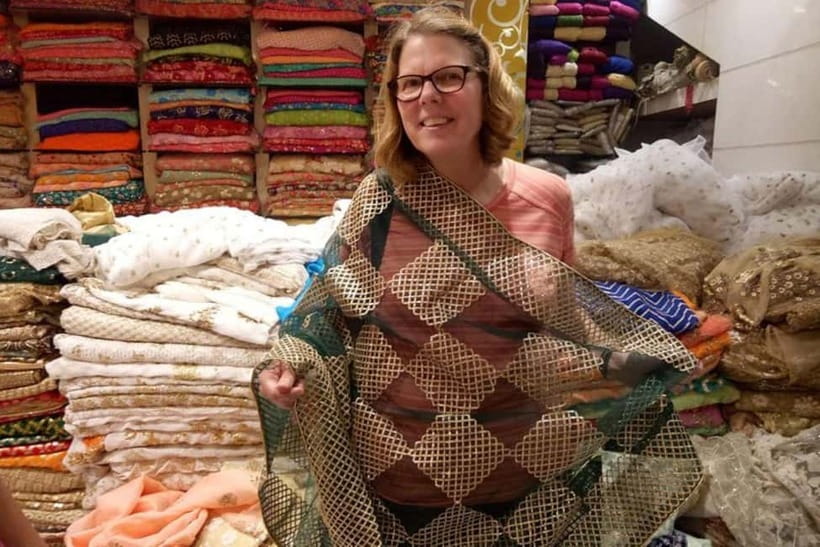
- Fabric from silk to denim: You can examine linen, silk, cotton, chiffon, velvet, crepe, georgette, wool, and other raw fabrics in open-air markets.
- Tailoring can be part of the day: Men’s suits and women’s formal wear may be stitched and delivered to your hotel within four to six hours.
- Private, flexible touring: Pickup is available from Delhi, Gurugram, Noida, Faridabad, and the airport, with an English-speaking guide and air-conditioned transport.
- Strong guide support in Old Delhi: RK is especially attentive in heavy traffic, while Shehla and Sahil can add shopping help and background on Indian culture and landmarks.
- Bring walking shoes and bargaining spirit: You will walk through crowded markets, and personal purchases are not included in the $53 price.
Why Delhi’s textile trail is worth your time
Many visitors see Indian textiles only as finished souvenirs: a scarf, a shawl, a rug, or a tunic hanging in a shop. This experience gives you a better sense of the work behind those objects. You see fabric as a process, from fiber and thread to dye, pattern, embroidery, cutting, and final stitching.
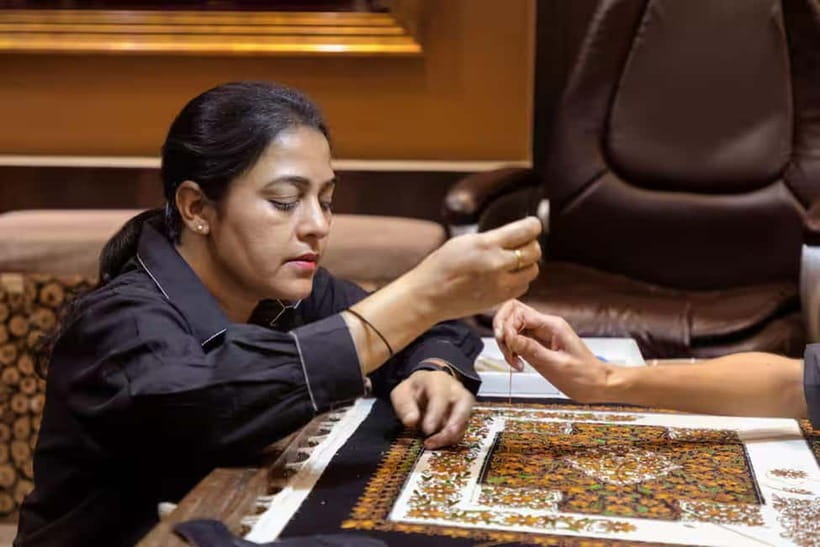
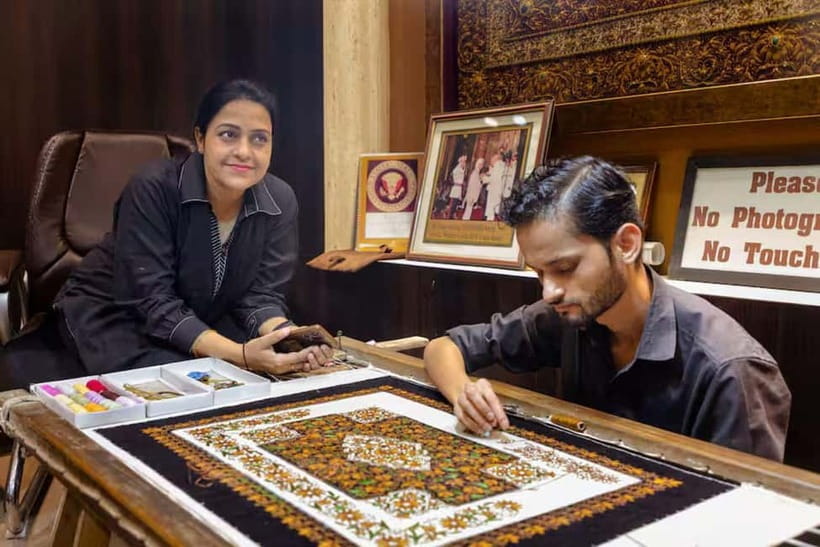
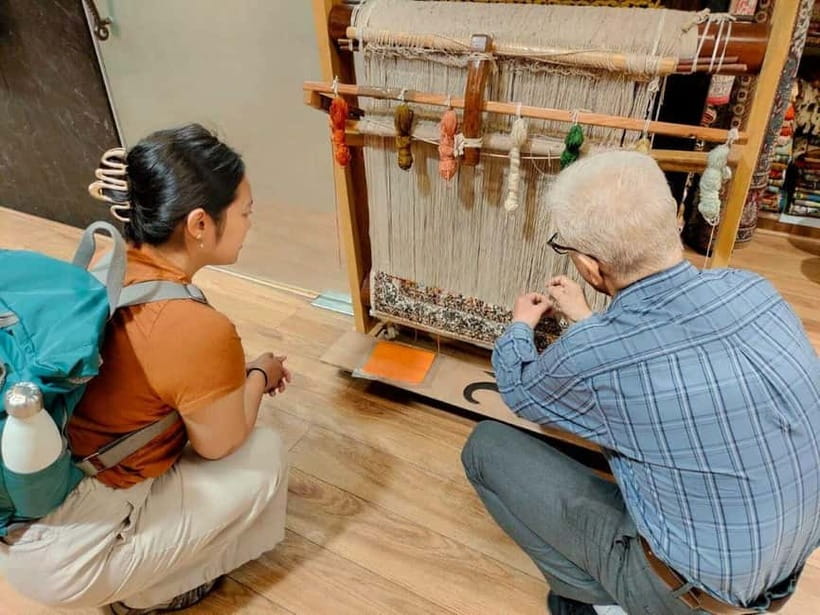
The focus is broad. You may see handloom weaving, Pashmina scarf making, rugs and carpets, block printing, zari embroidery, and natural dyeing. The exact workshops can vary, but the goal is clear: connect you with living craft rather than only polished retail displays.
I especially like this approach for anyone interested in fashion, design, textiles, or handmade goods. You can ask how a pattern is made, how a fabric is finished, or how an artisan learned the trade. That kind of contact adds meaning to a purchase and helps you judge quality with a more informed eye.
The tour is also useful if you want to shop but feel unsure about entering Old Delhi’s markets alone. A private guide can help you keep track of the route, explain what you are seeing, and assist with communication during fabric purchases or tailoring arrangements.
Other New Delhi tours people pair with this one:
- Old & New Delhi City Tour – Half or Full Day Options Available
★ 5.0 · 4,811 reviews - Old & New Delhi City Tour – Choose Half or Full Day Experience
★ 5.0 · 4,513 reviews - Same Day Taj Mahal, Agra Fort & Baby Taj Tour from Delhi by Car
★ 5.0 · 4,304 reviews
Starting with pickup across Delhi and nearby cities
Pickup is included from hotels and the airport in Delhi, Gurugram, Noida, Faridabad, and Aerocity. You are asked to wait in your hotel lobby from ten minutes before the arranged time. The guide or driver collects you and provides transport between the different areas.
The private, air-conditioned vehicle matters in Delhi. Distances between districts can be tiring, and the city’s heat, traffic, and dust can make a day of shopping feel long. Mineral water is included, but meals and other drinks are not, so plan to buy refreshments along the way.
The duration is listed as four to eight hours, with starting times dependent on availability. Since the possible route includes six sightseeing areas, you should not assume that every stop will fit into one visit. Chandni Chowk, Dilli Haat, INA Market, Shahpur Jat, and Hauz Khas alone could fill a full day if you browse carefully.
Ask at pickup which stops are planned and how much time you want for shopping. If your main aim is custom clothing, you may prefer fewer markets and more time with a tailor. If you want a broad look at Delhi’s textile trade, accept shorter visits at several locations.
Chandni Chowk: the loudest and most memorable stop
Chandni Chowk is the tour’s most intense section. Its lanes are crowded with shoppers, delivery vehicles, cycle rickshaws, food sellers, spice shops, fabric stores, and small businesses. Here, textiles are part of daily commerce rather than a staged cultural display.
The guided visit is scheduled for about two hours. That gives you time to move through fabric shops, inspect trims, see embroidered footwear, and look at materials used for clothing and home furnishings. The market also includes spice areas, and one visitor specifically enjoyed seeing the spice row and trying local foods during the outing.
The cycle rickshaw ride is a practical inclusion. Narrow lanes can be hard to cover on foot, and a pedal-powered ride lets you see more while avoiding some of the strain. It does not make the market quiet or calm, but it gives you a useful way to get around.
Stay close to your guide here. RK has been especially careful in the traffic, keeping people together so they do not get separated in the crush. That support is important because Old Delhi can feel confusing even when you are an experienced city visitor.
Chandni Chowk is not a good match for anyone who needs smooth paths, quiet surroundings, or easy wheelchair access. The tour is not suitable for wheelchair users or people with mobility impairments. Still, RK has shown flexibility by arranging a pedal cab for someone with balance problems, so it is worth explaining your needs before booking.
Shankar Market and the fabric-shopping lesson

Shankar Market is planned as a one-hour stop. Compared with Old Delhi, it can serve as a more focused place to examine cloth and compare materials. The attraction here is less about a grand sight and more about the useful business of looking closely at fabric.
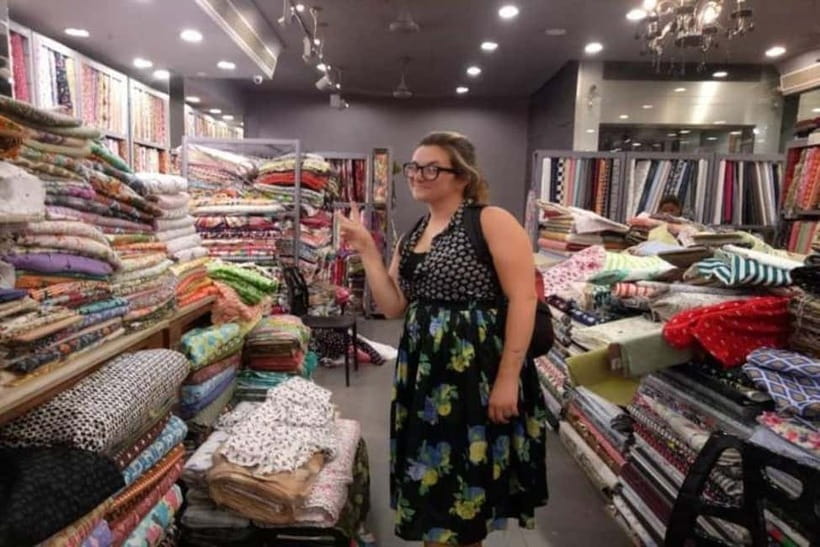
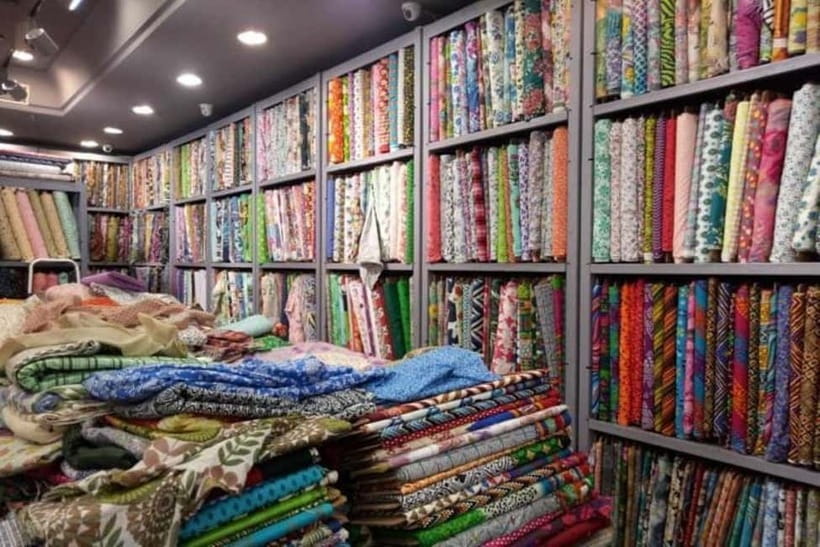
You can expect to encounter materials such as linen, silk, cotton, chiffon, denim, velvet, crepe, georgette, and wool. These fabrics vary greatly in weight, drape, texture, warmth, and suitability for tailoring. A guide can help you connect the material to the garment you want, though you should still inspect the cloth yourself before buying.
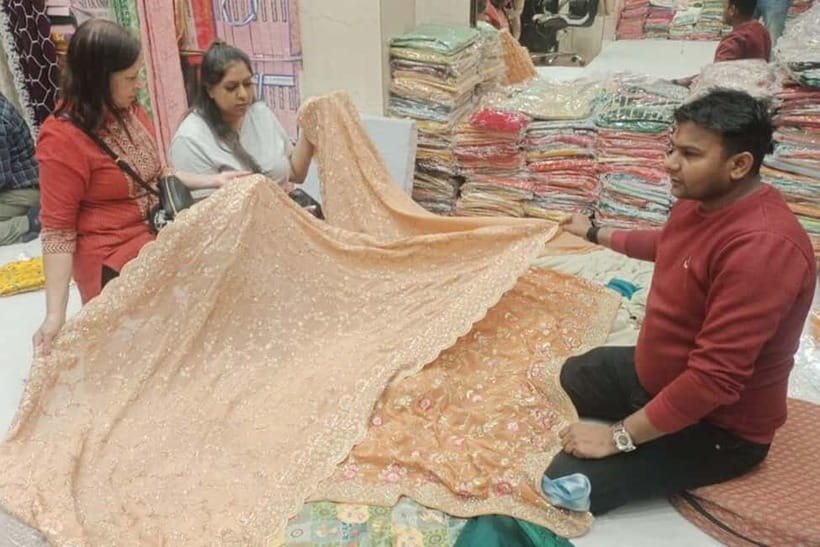
This is a good point to decide if you want a finished item or only fabric. If you are ordering clothing, ask about the cut, measurements, delivery time, and final price before handing over your measurements. Personal shopping is separate from the tour fee, and bargaining is part of the market experience.
One useful tip is to avoid filling your entire day with impulse purchases. First look at several shops, compare fabric quality, and note prices. Then return to the item you like best. The tour gives you access and guidance, but you remain responsible for checking the product and agreeing to the terms.
Same city, a completely different day out:
- Taj Mahal Day Tour from Delhi by Superfast Train – TOP RATED TOUR
★ 5.0 · 4,166 reviews - Delhi: Old and New Delhi Private Full or Half-Day Tour
★ 4.9 · 3,776 reviews - Full Day Taj Mahal, Agra Fort & Baby Taj Tour from Delhi by Car
★ 5.0 · 3,647 reviews - From Delhi: Taj Mahal & Agra Private Day Trip with Transfers
★ 4.9 · 3,181 reviews
Dilli Haat: craft shopping in an easier setting
Dilli Haat is scheduled for about two hours and offers a different feel from Chandni Chowk. It is a market setting where you can browse handicrafts and textiles from different parts of India in one place.
This stop suits you if you want to compare regional styles without navigating the tightest lanes of Old Delhi. You might find embroidered pieces, woven goods, decorative textiles, clothing, and handmade items. The selection can change, and the tour information does not promise specific stalls or products on a given day.
Dilli Haat is also a useful place to think about the difference between a craft market and a workshop. At a market, you are mainly seeing and buying finished goods. At an artisan workshop, you may watch the making process and speak with the person responsible for the work. This tour aims to include both kinds of experience.
The market is still a shopping stop, so do not expect every item to be included in the $53 cost. Bring room in your budget for purchases, and remember that meals and beverages are also extra.
INA Market: fabrics, food, and practical browsing
INA Market is another two-hour stop on the possible route. It is known here as a place to browse textiles and other market goods, and it can add a more everyday shopping angle to the day.
You may see a wide range of cloth and finished products, along with food items and other merchandise. The supplied experience details do not guarantee particular vendors, so treat this as a flexible market visit rather than a fixed product demonstration.
The value of INA Market is choice. You can compare textures, colors, trims, and prices after seeing other parts of Delhi. If you are shopping for a garment, this is the kind of stop where a guide’s help may save time, especially if you are trying to match fabric with a particular style.
As with all market visits, keep your purchases together and check your belongings. Comfortable shoes are essential, and a camera is allowed, but flash photography is not. Respect local customs and ask before photographing people or close-up craft work.
Shahpur Jat: Delhi’s modern design side
Shahpur Jat is listed for about two hours and brings a more contemporary note to the textile trail. The area is associated with boutiques, studios, and newer design work, making it a useful counterpoint to Old Delhi’s traditional market trade.
Here, you might see how older techniques are used in current clothing and accessories. The tour description also refers to design collectives and boutique studios, though the exact places visited can vary. If you are a design student, fashion professional, or simply interested in current Indian style, this stop may be one of the most relevant.
Shahpur Jat is also a sensible place to discuss custom clothing. You can explain the kind of garment you want, look at fabrics and trims, and ask about fitting and delivery. The advertised service includes men’s business suits and women’s formal wear, with delivery to your hotel within four to six hours.
That turnaround is useful if you have a special event or limited time in Delhi, but do not treat it as a guarantee for every design or fabric. Confirm the promised timing and details directly with the tailor before committing.
Hauz Khas and the final change of pace
Hauz Khas is planned as a one-hour visit. It offers another modern shopping and design setting, with boutiques and studios rather than the concentrated wholesale feel of Old Delhi.
This stop can work well near the end of a private tour because it is suited to browsing at a slower pace. You may find contemporary clothing, accessories, or textile-based design pieces. The available details do not specify individual shops, so your guide will determine the exact visit based on timing and interests.
Hauz Khas also helps show that Indian textile culture is not frozen in the past. Traditional embroidery, weaving, dyeing, and printing continue to influence present-day design. That connection between old technique and new clothing is one of the most worthwhile ideas running through the tour.
Artisan contact and the value of buying directly
The strongest part of this experience is the chance to meet people who work with textiles rather than only seeing goods on shelves. You may watch a demonstration or hear about spinning, dyeing, printing, weaving, embroidery, and stitching.
The tour may include family-run workshops, craft centers supported by nonprofit groups, boutique studios, and artisan cooperatives. Some locations focus on supporting rural makers or fair-trade practices. Since the specific stops are not fixed in the information provided, ask your guide which centers are planned on your date.
Buying directly can give you a clearer sense of where a product came from. It also lets you ask about care, fabric content, production methods, and whether a piece is handmade or machine finished. Those questions are useful if you want an authentic textile rather than a generic souvenir.
Still, shop with care. Direct contact does not remove the need to compare prices or inspect stitching. Check for loose threads, stains, uneven printing, and accurate descriptions of the material. A friendly guide can assist, but your purchase remains your choice and personal shopping is not included.
How much value do you get for $53?
At $53 per person, the tour offers solid value if you make use of the private transport, guide time, market access, and artisan contact. Pickup and drop-off are included, as are the vehicle, mineral water, guided visits, artisan interactions, and the Old Delhi cycle rickshaw cost.
The price becomes especially reasonable for a small private group that wants help with shopping. A guide can save you from spending your limited Delhi time figuring out transport between distant districts. The value is less clear if you only want to buy one scarf quickly, since the markets can be visited without booking a full textile route.
Your real cost will depend on purchases. Custom clothing, rugs, carpets, Pashmina scarves, fabric, trims, and embroidered goods can quickly exceed the tour fee. Set a shopping budget before you leave, and keep the tour price separate from the amount you may spend in the markets.
Free cancellation up to 24 hours before the start gives you some planning flexibility. You can also reserve now and pay later, which is helpful when your Delhi schedule may change.
Who will enjoy this, and who should skip it?
I would recommend the experience to you if you enjoy:
- Fabric, clothing, design, or handmade crafts
- Market shopping with local guidance
- Meeting artisans and seeing traditional techniques
- Ordering custom clothing during a short Delhi stay
- Old Delhi, provided you can handle crowds and uneven movement
- Private touring with flexible timing
It is less suitable if you dislike shopping or want a standard sightseeing tour focused on monuments. The textile trail may include landmarks and Indian history in conversation, especially with guides such as Sahil, but the main subject is fabric and craft.
It is also a poor fit for wheelchair users and people with major mobility limits. Wear walking shoes, prepare for changing weather, and avoid flash photography. Monsoon conditions do not necessarily stop the tour, but you should be ready for wet streets and changing plans.
Should you book the Delhi textile trail?
Book it if you want to understand how Indian textiles move from artisan work and raw material to market stall and tailored garment. The strongest reasons are the private format, broad pickup area, Old Delhi support, and chance to arrange clothing for hotel delivery.
Choose a shorter, more focused route if your priority is tailoring. Choose Chandni Chowk and Dilli Haat if you want markets and finished goods. If you want the widest look at Delhi’s textile culture, ask to combine Old Delhi with one modern design district and one artisan-focused stop.
I would book this tour for a design-minded visit to Delhi, especially with a guide such as RK, Shehla, or Sahil and a clear plan for shopping. I would not book it expecting every listed location in four hours. Confirm the route, leave room in your budget, wear sturdy shoes, and let the city’s fabrics guide the day.
FAQ
How much does the Delhi Textile Trail Tour cost?
The listed price is $53 per person.
How long does the tour last?
The advertised duration is four to eight hours. Starting times depend on availability.
Is hotel pickup included?
Yes. Pickup is available from hotels in Delhi, Gurugram, Noida, and Faridabad.
Is airport pickup available?
Yes. Airport pickup is included, with the driver meeting you there.
Which languages are offered?
The tour includes a live English-speaking guide.
Is this a private tour?
Yes. It is offered as a private group experience.
What markets and districts may be visited?
Possible stops include Chandni Chowk, Shankar Market, Dilli Haat, INA Market, Shahpur Jat, and Hauz Khas.
Can I buy fabric during the tour?
Yes. The route includes textile markets with fabrics such as linen, silk, cotton, chiffon, denim, velvet, crepe, georgette, and wool. Shopping costs are not included.
Can I have clothes made during the tour?
Yes. Tailoring for men’s business suits and women’s formal wear is available, with advertised hotel delivery within four to six hours.
Is the tour suitable for wheelchair users?
No. The experience is listed as unsuitable for wheelchair users and people with mobility impairments. Comfortable walking shoes are recommended.
Just added around New Delhi
- Delhi: All-Inclusive Full or Half Day Tour With Hotel Pickup★ 5.0 · 3 reviews
- From Delhi : All Inclusive Taj Mahal Tour by Gatimaan Express★ 5.0 · 3 reviews
- Skip the line: Taj Mahal Agra Private Day Trip From Delhi By Car★ 5.0 · 3 reviews
- Delhi: Old and New Delhi One Day Private Guided City Tour★ 5.0 · 3 reviews
- New Delhi Night City Tour★ 5.0 · 3 reviews
- Old Delhi Half day private city tour★ 5.0 · 3 reviews
- Sultanpur Bird Sanctuary Tour Near Delhi★ 5.0 · 3 reviews
- A full-day tour of Old & New Delhi Monument Express Entry★ 5.0 · 3 reviews
Tours, compared.

Old & New Delhi City Tour – Half or Full Day Options Available
Read our review →
Old & New Delhi City Tour – Choose Half or Full Day Experience
Read our review →
Same Day Taj Mahal, Agra Fort & Baby Taj Tour from Delhi by Car
Read our review →
Taj Mahal Day Tour from Delhi by Superfast Train – TOP RATED TOUR
Read our review →
Old and New Delhi Private Full or Half-Day Tour
Read our review →
Full Day Taj Mahal, Agra Fort & Baby Taj Tour from Delhi by Car
Read our review →
Taj Mahal Tour from Delhi by Express Train (Viator Award Winner)
Read our review →