
Reviewed · NEW DELHI
Essence of magnificent India and Nepal
India and Nepal in 17 days is a bold plan, and this private trip covers an astonishing amount of ground. You move from Delhi’s Mughal monuments to Jaipur’s hilltop Amber Fort, the Taj Mahal, Varanasi’s sacred river, Buddhist Lumbini, the Himalaya views around Pokhara, and the temples of Kathmandu.
I like the private air-conditioned vehicle and personal English-speaking driver, which give you more flexibility than a large coach. I also like the mix of famous sights and meaningful local moments, especially the Old Delhi rickshaw ride, Varanasi boat trip, Sikh temple kitchen, and sunrise at the Taj Mahal.
The main caution is coordination. This is a packed route with long road journeys, border formalities, extra monument fees, and several days where you may need to confirm timings and arrangements yourself. It offers strong value, but it is not a hands-off luxury holiday.
In This Review
- Key points at a glance
- What $580 really covers
- Delhi begins with temples, rickshaws, and Gandhi
- Jaipur brings forts and royal architecture
- Agra and the Taj Mahal at first light
- Orchha and Khajuraho slow the pace slightly
- Varanasi is the emotional center of the trip
- Crossing into Nepal at Lumbini
- Pokhara adds lake views and mountain air
- Kathmandu closes with a strong run of temples
- Hotels, meals, guides, and road time
- Who should book this route
- Should you book Essence of Magnificent India and Nepal?
- FAQ
- How long is the tour?
- Where does the tour begin?
- Where does the tour end?
- Is transportation included?
- Are hotels included?
- Are meals included?
- Are monument entrance fees included?
- Is Nepal’s visa included?
- Is the Varanasi boat ride included?
- Can I request vegetarian meals?
Key points at a glance
- One trip, three very different regions: See Delhi, Rajasthan, the Taj Mahal, Varanasi, southern Nepal, Pokhara, and Kathmandu.
- Private transport throughout most of the route: A personal driver and air-conditioned car make the long Indian road sections more manageable.
- Sunrise at the Taj Mahal: You visit the monument early, then return to the hotel for breakfast.
- Two special water experiences: Ride a cycle rickshaw through Old Delhi and take a morning boat along the Ganges in Varanasi.
- Budget pricing with important extras: The $580 price includes hotels, breakfast, transport, guides in several cities, and a flight, but monument tickets and Nepal’s $30 visa are extra.
- A quick but worthwhile Nepal section: Lumbini, Pokhara, Sarangkot, Kathmandu, Patan, Bhaktapur, and Boudhanath fill the final week.
What $580 really covers
At $580 per person, this is priced as a budget private tour rather than a fully inclusive package. The basic price covers 16 nights in 3-star hotels with air conditioning and private bathrooms, daily breakfast, bottled water, road transport, local guides in several major destinations, and the flight from Kathmandu back to Delhi.
That is a lot of included transport for the money. You are not simply paying for sightseeing in one city. The route links Delhi, Jaipur, Agra, Orchha, Khajuraho, Varanasi, Lumbini, Pokhara, and Kathmandu. Hiring a private car and driver for that distance on your own would require careful planning and could cost much more.
The headline price does not tell the whole story. Monument admissions are listed separately at about $200 per person, and Nepal requires a $30 visa. Lunch and dinner are also on your own. Add those costs before booking, and the trip is closer to $810 per person before evening meals and personal spending.
That can still be good value if you want a broad first look at northern India and Nepal. It is less attractive if you prefer slow travel, high-end hotels, or a package where every ticket and meal is settled in advance.
Other New Delhi tours people pair with this one:
- Old & New Delhi City Tour – Half or Full Day Options Available
★ 5.0 · 4,811 reviews - Old & New Delhi City Tour – Choose Half or Full Day Experience
★ 5.0 · 4,513 reviews - Same Day Taj Mahal, Agra Fort & Baby Taj Tour from Delhi by Car
★ 5.0 · 4,304 reviews
Delhi begins with temples, rickshaws, and Gandhi
Your Delhi sightseeing starts after pickup from the airport, hotel, or another central location. The first day focuses on Old Delhi and several important religious sites.
Akshardham is a polished modern Hindu temple complex. The visit gives you a first look at contemporary Hindu devotion and elaborate temple design, although you should expect security rules and a more controlled setting than at the city’s older monuments.
The Old Delhi rickshaw ride is one of the most useful inclusions. A car can take you near the area, but a cycle rickshaw lets you move through the narrow market streets at street level. Jama Masjid, one of Delhi’s major mosques, is nearby. Dress modestly, with arms and legs covered, and expect a separate admission charge.
You stop at the Red Fort for photographs, with sightseeing possible if time and ticket arrangements allow. The fort is a major Mughal site, but the wording of the schedule makes this feel more like a photo stop than a guaranteed full visit. Ask your guide early if you want to go inside.
Raj Ghat, the memorial at Mahatma Gandhi’s cremation site, is a quiet change of pace. At Gurudwara Bangla Sahib, you see one of Delhi’s best-known Sikh temples and its enormous community kitchen, where meals are prepared for thousands of people each day. This is a particularly good stop because it connects the monument to living religious practice.
Day two shifts to New Delhi. India Gate, the Parliament area, and the diplomatic district offer a look at the planned capital built during the British period. The Lotus Temple welcomes people of all faiths and is free to visit.
Humayun’s Tomb and Qutub Minar require paid admission. Both deserve proper time. Humayun’s Tomb is an elegant Mughal garden tomb and an important predecessor to later Mughal design. Qutub Minar is a towering brick minaret surrounded by older architectural remains. Lodhi Garden ends the day with open space, historic tombs, and a chance to watch local Delhi life rather than simply collect monuments.
Jaipur brings forts and royal architecture
The drive toward Jaipur includes a stop at the Monkey Temple, a temple complex known for the monkeys living around it. The schedule allows about two hours, but admission is not included.
Jaipur’s main sightseeing day begins at Amber Fort, set among the hills outside the city. This is one of the strongest stops on the whole route. The fort palace combines defensive walls, courtyards, halls, and decorative interiors, and its elevated setting gives you a sense of how the old capital was protected.
Jal Mahal is a short photo stop beside the water. Hawa Mahal, the Palace of Winds, is another classic Jaipur view. Its wall has more than 1,000 small windows, designed to allow royal women to watch street life without being seen. You may be able to visit the interior, but the schedule treats that as an optional paid visit.
The City Palace adds royal collections and museum displays. Royal Gaitor, a quieter group of tombs in the hills, gives the day a calmer finish. Jaipur is packed with sights, so do not expect a leisurely city break. You will get the main architectural story, but the pace is brisk.
Agra and the Taj Mahal at first light
On the way to Agra, Fatehpur Sikri makes an excellent historical stop. This former imperial city has palace courtyards and monumental gateways, but it was abandoned after a relatively short period. The site is large, and two hours gives you a useful introduction without allowing much wandering.
Agra Fort receives a guided visit. Its red sandstone walls and royal chambers tell the story of Mughal power from a different angle than the Taj Mahal. I consider this stop essential because it helps you understand the setting in which the Taj was built.
The Taj Mahal visit begins at sunrise. You see the monument before returning to the hotel for breakfast, a sensible arrangement in a hot and crowded part of the country. Admission is extra, and early departure is part of the bargain. If you dislike early mornings, this will be a demanding start, but the soft light is one of the reasons the timing matters.
After breakfast, the route continues to Orchha. This is a long day, so expect the Taj visit and road transfer to dominate your schedule.
Same city, a completely different day out:
- Taj Mahal Day Tour from Delhi by Superfast Train – TOP RATED TOUR
★ 5.0 · 4,166 reviews - Delhi: Old and New Delhi Private Full or Half-Day Tour
★ 4.9 · 3,776 reviews - Full Day Taj Mahal, Agra Fort & Baby Taj Tour from Delhi by Car
★ 5.0 · 3,647 reviews - From Delhi: Taj Mahal & Agra Private Day Trip with Transfers
★ 4.9 · 3,181 reviews
Orchha and Khajuraho slow the pace slightly
Orchha is a small Hindu town with medieval palaces and temples. Compared with Delhi, Jaipur, and Agra, it feels less dominated by major-city traffic and grand tourist routes. The fort complex and town temples give you time to see a smaller side of northern India.
The itinerary gives Orchha another day, including the Rama temple and a palace viewpoint. That extra time is welcome. You can walk, look around the town, and recover from the long drives.
Khajuraho follows with a five-hour visit to the western and eastern temple groups, both UNESCO-listed. The carvings are famous for their erotic scenes, but they also show deities, musicians, animals, dancers, and everyday forms of life. Five hours is enough to appreciate the main complexes, though admission is extra and the heat can make a long outdoor visit tiring.
Varanasi is the emotional center of the trip
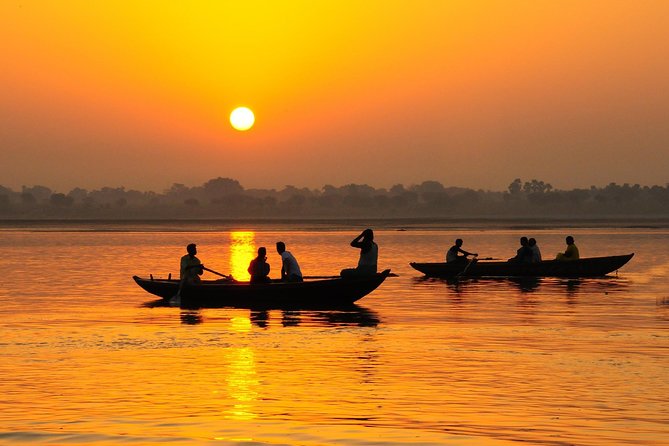
The evening Ganga Aarti is one of the tour’s most memorable experiences. Along the river, priests perform a ceremony of light and offerings. It is a public religious ritual, not a staged show, so approach it with respect and follow local guidance around the ghats.
The following morning brings a boat ride on the Ganges. From the water, you see the ghats, temples, bathing areas, and cremation sites from a different angle. The tour includes the boat ride, which is a real advantage because a river trip is central to understanding Varanasi.
The schedule allows three hours, enough for a substantial morning outing. Still, Varanasi can be intense. You will encounter sacred activity, crowds, narrow streets, and cremation rituals. Keep an open mind, dress respectfully, and listen carefully to your guide.
Sarnath is about six kilometers from Varanasi and marks the place where, according to Buddhist tradition, Buddha delivered his first sermon after enlightenment. Dhamek Stupa and the museum are the main attractions, with admission separate. Alamgir Mosque adds another layer to the city’s religious story.
Crossing into Nepal at Lumbini
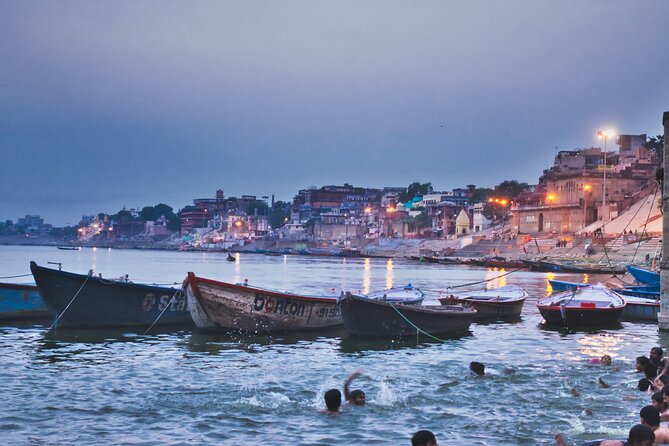
Day 11 is primarily a transfer day to Lumbini. You cross the India Nepal border, and the tour asks you to carry one passport photograph and $30 for the Nepal visa. Keep these items easy to reach, along with your passport.
Lumbini is a Buddhist pilgrimage site in the Rupandehi District and is traditionally identified as the birthplace of Buddha. The Lumbini Zone provides a quieter visit after Varanasi, with monasteries and religious sites spread through a broad area.
This border crossing is one reason I would not book tight onward plans around the listed schedule. Road conditions, paperwork, and border procedures can affect timing. The tour does not promise an effortless transfer, so patience helps.
Pokhara adds lake views and mountain air
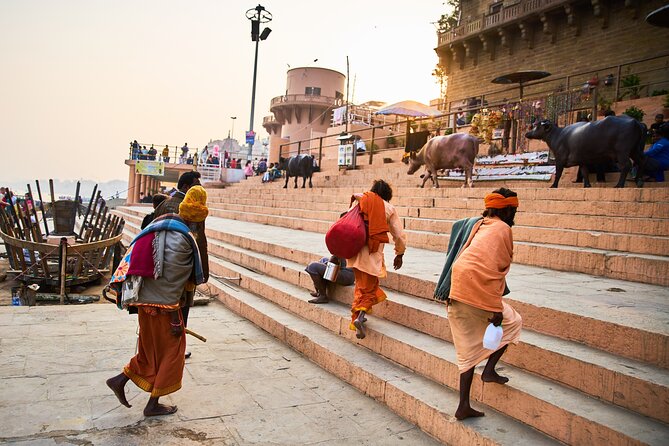
From Lumbini, you continue to Pokhara, the gateway to the Himalaya. The next day includes a boat ride on Phewa Lake and a stop at Varahi Temple. The lake trip is included, and on a clear day you may see peaks of the Annapurna range.
The mountain views depend on weather, so keep expectations sensible. The itinerary also notes that a separate Himalaya flight is available on request, but it is not included. That means this tour offers mountain scenery from Pokhara and Sarangkot, not a guaranteed close-up flight over the peaks.
Devi’s Fall is known for water disappearing into an underground tunnel. Bindhyabasini Temple, dedicated to the goddess Bindhya, is one of Pokhara’s important local religious sites. Both stops are fairly short, which keeps the day moving.
Sarangkot begins with a moderate morning trek to see sunrise. The activity lasts about four hours and requires more effort than the city visits. You should be comfortable walking on uneven routes and starting early. Afterward, the route continues to Kathmandu, making this another full day.
Kathmandu closes with a strong run of temples
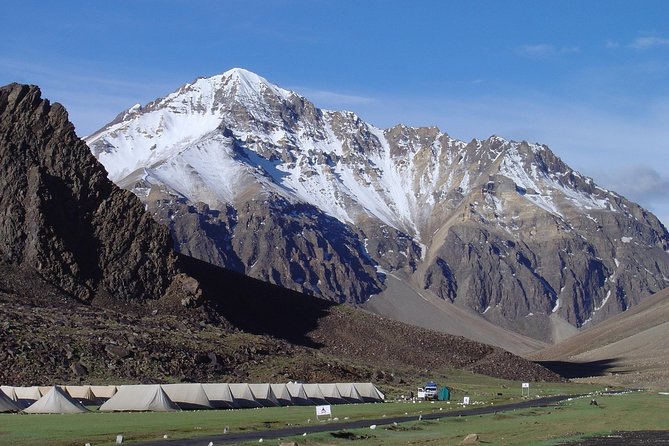
Kathmandu’s Durbar Square was the old royal center, surrounded by temples and important buildings. The square is a major architectural stop, but admission is separate.
Swayambhunath, often called the Monkey Temple, is one of Nepal’s oldest Buddhist worship sites. The stupa is famous for the Buddha eyes painted on its structure. Pashupatinath is Nepal’s most important Hindu pilgrimage site, dedicated to Shiva beside the Bagmati River. These sites are religiously active, so modest clothing and respectful behavior matter.
The final sightseeing day covers Patan, Bhaktapur, and Boudhanath. Patan Durbar Square is known for carved temples, shrines, and the old palace complex. Bhaktapur has preserved more of its medieval character than Patan, making the two cities a useful comparison.
Boudhanath is one of the world’s largest spherical stupas and is surrounded by many Tibetan Buddhist monasteries. Admission is not included. This final day is full, but it gives you a good spread of Kathmandu Valley architecture and religious traditions.
Hotels, meals, guides, and road time
The hotels are 3-star properties with air conditioning and private bathrooms. That is a practical standard for a route with frequent overnight stops. You should not expect resort facilities or a consistent level of style from city to city.
Seventeen breakfasts are included. Lunch and dinner are not, so you control your food budget and choices. Vegetarian food can be arranged if you request it at booking.
Local guides are included in Delhi, Agra, Jaipur, Orchha, Khajuraho, Varanasi, and Kathmandu. The personal driver handles the long road sections, while city guides add context at the major sites. Since communication and coordination can require active participation, confirm the next day’s pickup time and destination each evening.
The tour is private, meaning only your own group participates. That is a major benefit for families or friends who want a flexible pace. It also means you are responsible for speaking up if you need a break, want more time at a monument, or need clarification about tickets.
Who should book this route
I would recommend it to someone visiting India and Nepal for the first time who wants maximum coverage at a modest price. It suits people who value private transport, do not mind early starts, and prefer seeing many major places over spending several nights in one city.
It is less suitable if you want slow mornings, upscale hotels, included dinners, or a carefully managed group program with every detail explained in advance. The route includes long transfers and several quick visits, especially around the India Nepal border and the move from Pokhara to Kathmandu.
Free cancellation is available when you cancel at least 24 hours before the start time. Poor weather or failure to meet the minimum number of participants may lead to a new date or a refund. The tour starts with pickup at Indira Gandhi International Airport or a central Delhi location at 8:00 a.m. The final transfer is to Kathmandu’s Tribhuvan International Airport, followed by the included flight to Delhi.
Should you book Essence of Magnificent India and Nepal?
Book this tour if you want a big, efficient introduction to northern India and Nepal, and you accept that the $580 starting price is not the final cost. The strongest features are the private car, the range of included destinations, the Taj Mahal sunrise, the Varanasi boat ride, and the chance to move beyond famous monuments into temples and active places of worship.
Before paying, confirm the exact hotel names, monument ticket process, border timing, flight details, and daily pickup schedule. If those points are clear, this is a remarkably wide-ranging route for the price. If you need a slow, polished, fully packaged holiday, choose a shorter itinerary with fewer transfers.
FAQ
How long is the tour?
The tour lasts approximately 17 days and includes 16 nights of accommodation.
Where does the tour begin?
Pickup is offered at Indira Gandhi International Airport in New Delhi or another central location in Delhi. The listed start time is 8:00 a.m.
Where does the tour end?
The tour ends with a transfer to Tribhuvan International Airport in Kathmandu. An included flight takes you from Kathmandu to Delhi.
Is transportation included?
Yes. The tour includes transport in an air-conditioned private vehicle with a personal English-speaking driver, plus the flight from Kathmandu to Delhi.
Are hotels included?
Yes. Accommodation in 3-star hotels with air conditioning and private bathrooms is included according to the route.
Are meals included?
Daily breakfast is included. Lunch and dinner are not included. Bottled water is provided.
Are monument entrance fees included?
No. Admission fees for the monuments are listed separately at about $200 per person.
Is Nepal’s visa included?
No. You need to prepare $30 for the Nepal visa, along with one passport photograph for the border crossing.
Is the Varanasi boat ride included?
Yes. The morning Varanasi boat ride is included. The itinerary also includes an evening Ganga Aarti visit.
Can I request vegetarian meals?
Yes. A vegetarian option is available, but you should request it when booking.
Just added around New Delhi
- Delhi: All-Inclusive Full or Half Day Tour With Hotel Pickup★ 5.0 · 3 reviews
- From Delhi : All Inclusive Taj Mahal Tour by Gatimaan Express★ 5.0 · 3 reviews
- Skip the line: Taj Mahal Agra Private Day Trip From Delhi By Car★ 5.0 · 3 reviews
- Old Delhi Half day private city tour★ 5.0 · 3 reviews
- Delhi: Old and New Delhi One Day Private Guided City Tour★ 5.0 · 3 reviews
- New Delhi Night City Tour★ 5.0 · 3 reviews
- A full-day tour of Old & New Delhi Monument Express Entry★ 5.0 · 3 reviews
- Sultanpur Bird Sanctuary Tour Near Delhi★ 5.0 · 3 reviews