
Reviewed · NEW DELHI
Sultanpur The wonder of Birding from Delhi
Sultanpur National Park turns a long Delhi morning into a close look at India’s birdlife. In one small reserve, you might spot painted storks, kingfishers, rollers, owls, ducks, and winter visitors from far beyond India. The birding begins after a roughly two-hour drive, so the park itself gets the attention it deserves.
I like the private vehicle and hotel pickup, which remove the hassle of reaching the reserve on your own. I also like the chance to work with a local guide such as Sachin, who can help you make sense of a busy wetland rather than simply point out water and trees. The main drawback is the limited park time: about three hours is enough for a general visit, but keen photographers may want to pay for extra time.
In This Review
- Key points at a glance
- Sultanpur National Park, a small reserve with a big bird list
- The 7:00 am departure from Delhi
- Three hours around the wetland and forest
- Winter visitors from across the region
- Why the private format adds value at $85
- What makes the guide important
- Who will enjoy this morning most
- How to make the most of Sultanpur
- Booking details and cancellation
- Should you book this Sultanpur birding trip?
- FAQ
- Where does the tour begin?
- What time does the tour start?
- How long does the full experience last?
- How long do you spend inside Sultanpur National Park?
- How far is Sultanpur National Park from Delhi?
- Is this a private tour?
- What is included in the price?
- Are food and drinks included?
- Can the visit last longer for photography?
- What happens if I need to cancel?
Key points at a glance
- About 250 bird species: Look for Indian rollers, white-throated kingfishers, painted storks, ibises, owlets, sunbirds, and many others.
- More than 100 migratory species: Winter can bring flamingos, teal, pintail, shoveler, godwit, wagtails, and sandpipers.
- Roughly two hours from Delhi: The drive makes this a practical half-day escape, though road time takes up much of the outing.
- Three hours in the park: That is considered enough for a standard birding visit across the wetland and forest.
- Private tour format: Only your group participates, with transport and a guide included.
- Blue buck sightings: The reserve may offer a chance to see this larger fauna element alongside the birds.
Sultanpur National Park, a small reserve with a big bird list
Sultanpur is not a vast wilderness. It is essentially a small lake and wetland with surrounding forest and open ground. That compact size is part of its appeal. You do not need to spend a full day covering huge distances, and three hours can give you a proper look at the park.
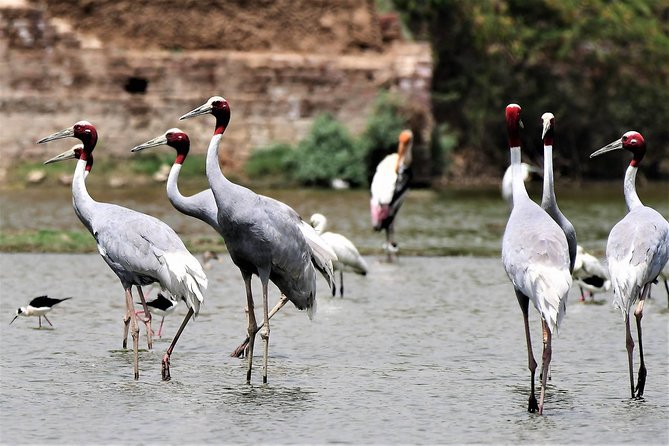
The wetland is the main attraction. Water draws ducks, waders, storks, ibises, and other birds that feed along the edges or rest in the shallows. The surrounding trees and scrub add a different set of possibilities, including small songbirds, doves, owls, and kingfishers.
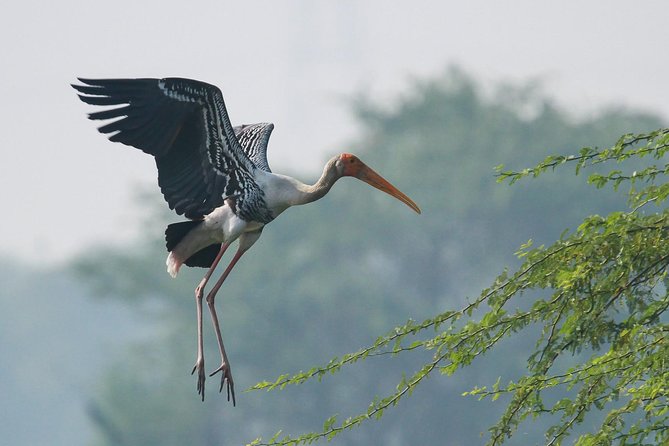
The bird list is impressive for a reserve so close to Delhi. Possible resident species include the purple sunbird, Indian roller, white-throated kingfisher, spot-billed duck, painted stork, white ibis, black-headed ibis, Eurasian collared dove, spotted owlet, and magpie robin. You may also see a blue buck, adding a useful change of pace when your eyes need a break from scanning the branches.
The word possible matters here. Bird sightings depend on season, weather, water levels, and luck. A list of 250 species does not mean you will see 250 on one morning. It does mean the reserve has enough variety to keep a careful observer interested.
Other New Delhi tours people pair with this one:
- Old & New Delhi City Tour – Half or Full Day Options Available
★ 5.0 · 4,811 reviews - Old & New Delhi City Tour – Choose Half or Full Day Experience
★ 5.0 · 4,513 reviews - Same Day Taj Mahal, Agra Fort & Baby Taj Tour from Delhi by Car
★ 5.0 · 4,304 reviews
The 7:00 am departure from Delhi
Pickup is scheduled for 7:00 am from your Delhi hotel. Pickup and drop-off can also be arranged in the nearby Gurgaon area. The drive to Sultanpur takes about two hours, so this is not a quick hop across town. It is a half-day outing built around a longer transfer and a focused park visit.
That early start is useful. Birding is generally best earlier in the day, and a 7:00 am departure gets you to the reserve during the morning part of your visit. You should be ready at your hotel when the vehicle arrives, since delays on the Delhi side can reduce your time among the birds.
Transport is by private vehicle, and only your group takes part. I see real value in that arrangement if you are staying in Delhi and do not want to organize a taxi, negotiate a return trip, or join a larger sightseeing group with different interests.
Bottled water is included. Food and drinks are not, so eat before leaving or plan around the fact that the tour does not supply a meal. The information provided does not promise a breakfast stop or food inside the park, so do not count on either.
Three hours around the wetland and forest
Once you reach Sultanpur, you spend about three hours with a guide around the wetland and forest. This is not a bus tour with a long list of drive-by stops. The point is to slow down, watch, and let the guide help you identify what is in front of you.
At the water, your attention may move between several kinds of bird activity. Ducks can gather on the surface, waders work along the edges, and storks or ibises may be easier to notice because of their size. Smaller birds can be harder to find, especially among trees and low vegetation, which is where a guide can save time.
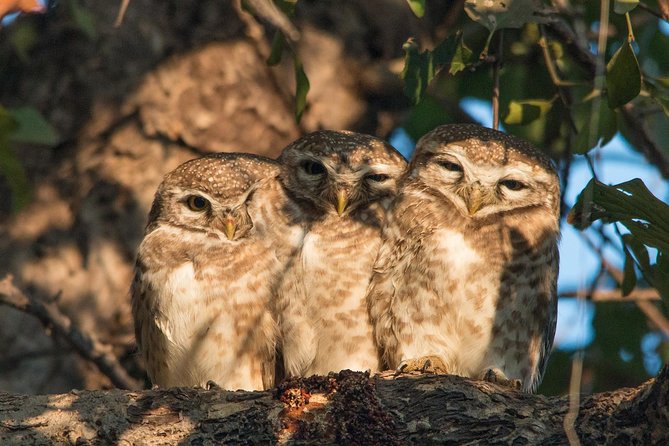
Resident species give the visit its year-round character. The Indian roller offers a strong flash of color when seen clearly. The white-throated kingfisher is another appealing target, while the spotted owlet and magpie robin reward a closer look at the wooded areas. Purple sunbirds and Eurasian collared doves add smaller, more familiar movement around the park.
The guide’s role matters most when several birds appear at once or when a distant shape could be one of several species. Sachin is the guide named in the available tour material. You should still treat every sighting as a shared effort: a guide can improve your chances and identification, but no guide can order a particular bird to appear.
Winter visitors from across the region
Sultanpur becomes especially interesting during the migratory season. More than 100 migratory species are associated with the park, arriving to feed and spend the winter. The potential list includes greater flamingos, ruffs, black-winged stilts, common teal, common greenshank, northern pintail, yellow and white wagtails, northern shovelers, gadwall, wood sandpipers, spotted sandpipers, Eurasian wigeons, black-tailed godwits, spotted redshanks, starlings, and bluethroats.
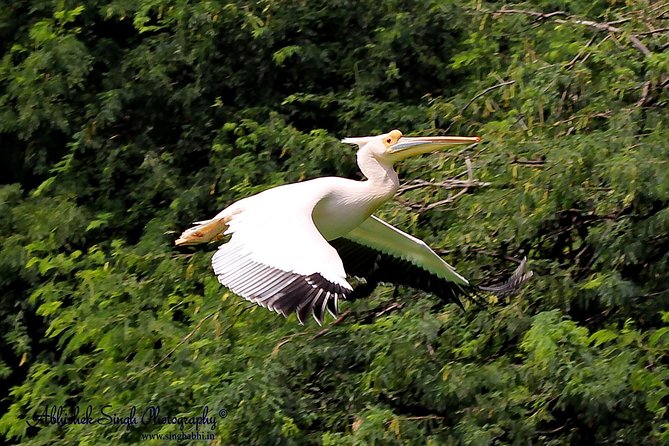
The listed species also include larger birds such as rosy pelicans and the much sought-after Siberian cranes. These are possibilities, not fixed parts of every visit. If a particular bird is your reason for booking, ask about recent conditions and current sightings before you go.
This seasonal mix is one of the strongest reasons to choose Sultanpur over a general city excursion. You are not simply looking at a decorative park. You are watching a wetland used as a feeding ground and winter stop by birds from several regions.
Timing matters for another reason. A three-hour visit gives you a reasonable general introduction, but a specialist with a long target list may want more. The operator says photographers can stay longer by paying an extra hourly charge directly to the guide. Confirm that rate before the day if photography is central to your plans.
Same city, a completely different day out:
- Taj Mahal Day Tour from Delhi by Superfast Train – TOP RATED TOUR
★ 5.0 · 4,166 reviews - Delhi: Old and New Delhi Private Full or Half-Day Tour
★ 4.9 · 3,776 reviews - Full Day Taj Mahal, Agra Fort & Baby Taj Tour from Delhi by Car
★ 5.0 · 3,647 reviews - From Delhi: Taj Mahal & Agra Private Day Trip with Transfers
★ 4.9 · 3,181 reviews
Why the private format adds value at $85
The price is $85 per person. That is not the cheapest way to reach a nearby nature reserve, but the comparison should include what you are getting: hotel pickup, private transport, a guide, bottled water, and admission to the park.
For one person, the cost may feel high for a half-day outing. For two or more people, the private format becomes easier to justify, especially if you value a direct transfer from Delhi and do not want to arrange separate transport. Group discounts are available, though the exact discount is not specified.
The tour also saves planning time. You do not have to work out the route to Sultanpur, find the entrance, arrange a return car, or decide how to use your three hours. That convenience is useful in Delhi, where a simple trip can become complicated once traffic, hotel pickup, and return timing enter the picture.
Still, the price does not include meals or drinks beyond bottled water. It also does not include extra photography hours. If you need more than the standard park visit, your final cost will rise.
What makes the guide important
Birding is more rewarding when you know what you are looking at. A local guide can help separate a common duck from a less familiar winter visitor, point out movement in the trees, and direct your attention to birds you might otherwise miss.
The available information identifies Sachin as a guide connected with the experience. A previous visitor described him as an excellent birding guide and found the reserve special despite its modest size. That detail is useful because it points to the human part of the outing: the park is small, but a good guide can make a small place feel full of discoveries.
You should bring binoculars if you have them. The tour description tells you to grab your binoculars, but it does not say that equipment is supplied. That makes your own binoculars important if you want to examine birds across the lake or pick out smaller species in the forest.
A camera can work well here, but remember the time limit. Three hours may suit casual photography, while serious bird photography often needs patience at one spot. If you plan to wait for a particular bird or spend long periods framing pictures, ask about the additional hourly charge.
Who will enjoy this morning most
This outing suits you if you want nature without giving up the convenience of a Delhi hotel pickup. It is a good match for first-time birders, casual wildlife watchers, couples, families with an interest in animals, and people with a free morning between city sightseeing plans.
It also suits a private group with different levels of experience. A guide can help beginners while more experienced birders scan for their own targets. The private format means you are not forced to follow strangers who want to leave early or stop at every location for a different reason.
Dedicated bird photographers should approach it with a clear plan. The standard three hours may be too short if you want patient waits, repeated visits to one section, or a long species checklist. The option to pay for extra time is helpful, but it means this is not an all-inclusive photography day.
You should also be comfortable with a moderate level of physical activity. The park visit takes place around wetland and forest areas, and the required fitness level is described as moderate. Wear smart-casual clothing and practical shoes suitable for walking outdoors. The supplied information does not specify the exact walking surface, so sensible footwear is the safe choice.
How to make the most of Sultanpur
Start with realistic expectations. You are going for a good chance at varied birdlife, not a guarantee of rare sightings. The more patient you are, the more useful the guide becomes.
Keep your phone and camera ready, but do not spend the whole visit looking at a screen. A quick photograph is useful, yet the best part of birding is often the moment you finally notice a bird that was in front of you all along.
Ask the guide to focus on the kinds of birds you care about. You might want colorful species such as rollers and kingfishers, large wetland birds such as storks and pelicans, or winter visitors such as waders and ducks. A clear preference helps the guide use the three-hour window well.
The reserve’s small size is both a benefit and a limit. You can cover a good portion of it in one visit, but you will not get the sense of a huge national park or a full-day safari. Think of Sultanpur as a concentrated birding stop near Delhi.
Booking details and cancellation
Confirmation is provided at the time of booking. A current valid passport is required on the day of travel, even though the trip begins in Delhi, so do not leave it at your hotel.
Free cancellation is available if you cancel at least 24 hours before the 7:00 am start time. Cancellations made less than 24 hours ahead are not refunded, and late changes are not accepted. The cut-off follows local time.
The tour is often booked about 29 days in advance. That does not guarantee that every date sells out, but it is a useful reason to reserve ahead if Sultanpur is important to your Delhi plans.
Should you book this Sultanpur birding trip?
Book it if you want a convenient, private half-day nature outing and you are happy to trade some driving time for access to a wetland with a long bird list. The combination of hotel pickup, private transport, admission, bottled water, and a guide makes $85 a reasonable price for two or more people who value ease.
Choose it with care if you are a serious photographer or a specialist birder. The standard visit lasts about three hours, and extra time costs more. Ask about current bird conditions and the extra hourly rate before you commit.
For a first taste of birding near Delhi, I like the balance: a manageable reserve, strong seasonal possibilities, and a guide who can make the most of a short visit. Just bring binoculars, eat before you leave, and remember that the birds set the schedule.
FAQ
Where does the tour begin?
Pickup is provided from your hotel in Delhi. Pickup and drop-off can also be arranged from the nearby Gurgaon region.
What time does the tour start?
The tour starts at 7:00 am.
How long does the full experience last?
The experience lasts approximately five to six hours, including the drive from Delhi and the return journey.
How long do you spend inside Sultanpur National Park?
You spend about three hours around the wetland and forest with a guide.
How far is Sultanpur National Park from Delhi?
The drive from your Delhi hotel to the park takes about two hours.
Is this a private tour?
Yes. Only your group participates in the activity.
What is included in the price?
The price includes bottled water, transport by private vehicle, a tour guide, and admission to the park.
Are food and drinks included?
No. Food and drinks are not included. Bottled water is provided.
Can the visit last longer for photography?
Yes. Visitors who want extra time for bird photography can arrange additional hours by paying the extra hourly charge directly to the guide.
What happens if I need to cancel?
You can receive a full refund if you cancel at least 24 hours before the experience starts. Cancellations or changes made less than 24 hours before the start are not accepted for a refund.
Just added around New Delhi
- Delhi: All-Inclusive Full or Half Day Tour With Hotel Pickup★ 5.0 · 3 reviews
- Skip the line: Taj Mahal Agra Private Day Trip From Delhi By Car★ 5.0 · 3 reviews
- From Delhi : All Inclusive Taj Mahal Tour by Gatimaan Express★ 5.0 · 3 reviews
- Delhi: Old and New Delhi One Day Private Guided City Tour★ 5.0 · 3 reviews
- New Delhi Night City Tour★ 5.0 · 3 reviews
- Old Delhi Half day private city tour★ 5.0 · 3 reviews
- A full-day tour of Old & New Delhi Monument Express Entry★ 5.0 · 3 reviews
- Sultanpur Bird Sanctuary Tour Near Delhi★ 5.0 · 3 reviews