
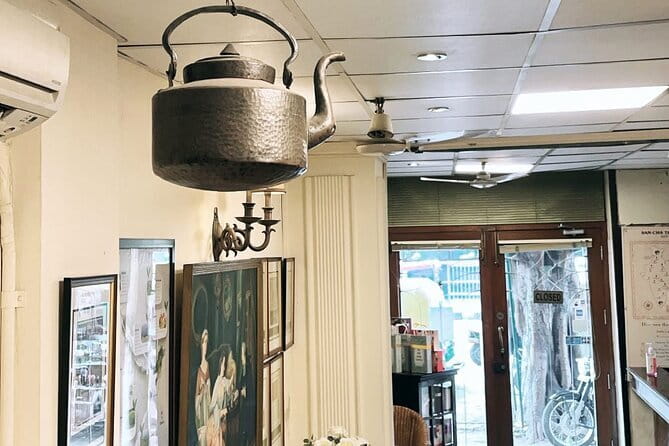
Reviewed · NEW DELHI
Tea Tasting Session at India’s oldest tea boutique Sancha Tea/Aap Ki Pasand
India’s oldest artisanal tea boutique offers something unusual in New Delhi: a guided tasting of Indian tea by region, not just a quick cup of chai. At Aap Ki Pasand Tea Gallery, also known as Sancha Tea, you can compare teas from Darjeeling, Assam, Nilgiri, Sikkim, Kangra, and other growing areas in about an hour.
I like the chance to taste around 13 different teas, including white, green, black, masala, and herbal varieties. I also like the relaxed buying experience, since the staff can brew another tea from the shop’s large selection and do not pressure you to purchase. The main consideration is that the experience takes place in a tea shop, so it feels more like an intimate tasting and lesson than a full sightseeing tour.
In This Review
- Key points to know before you book
- A tea tasting in the heart of Daryaganj
- Comparing Darjeeling, Assam, Nilgiri, Sikkim, and Kangra
- From white tea to masala chai
- Why the small-shop setting works
- The shopping selection: more than a souvenir stop
- Timing your visit in New Delhi
- Who will enjoy this tea experience most?
- Is $7 good value?
- Should you book the Sancha Tea tasting?
- FAQ
- Where does the tea tasting take place?
- How long does the tea tasting last?
- Which Indian teas can I taste?
- Can I buy tea after the tasting?
- When is the tea gallery open for this activity?
- Can I cancel for a full refund?
Key points to know before you book
- Taste tea from seven Indian growing regions, including Darjeeling, Assam, Nilgiri, Sikkim, and Kangra.
- Sample seven masala chai blends flavored with ingredients such as saffron, cardamom, ginger, and other spices.
- Expect about 13 teas to taste, depending on the selection available during your visit.
- Browse more than 100 Indian teas, including blends with spices, herbs, flowers, and Ayurvedic ingredients.
- Meet the story behind the shop, founded in 1981 by master tea taster and blender Sanjay Kapur.
- Pay about $7 per person for an hour-long activity in Daryaganj, with a mobile ticket and free cancellation up to 24 hours before the start.
A tea tasting in the heart of Daryaganj

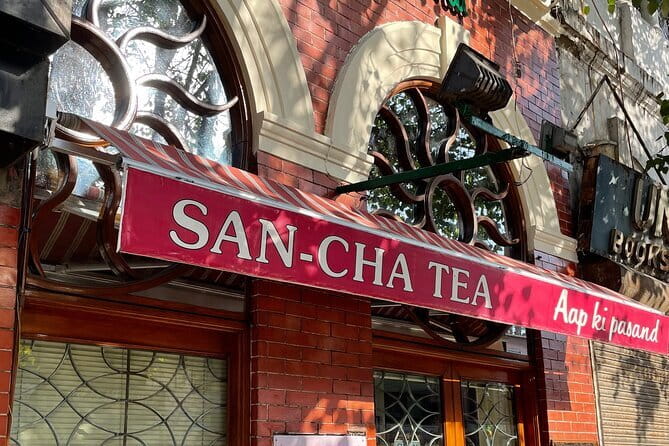
The experience begins at Aap Ki Pasand Tea Gallery on Netaji Subhash Marg, opposite Golcha Cinema in Daryaganj. The shop is also identified as Sancha Tea, so do not worry if you see both names connected with the address.
Daryaganj is in Old Delhi, and the location gives this small activity a useful sense of place. You are not visiting a distant estate or a polished hotel lounge. You are entering a long-running Indian tea business in a working part of the city, close to public transportation and easy to combine with other Old Delhi plans.
The shop was founded in 1981 by Sanjay Kapur, described as a master tea taster and blender. That detail matters because the tasting is built around comparison. Instead of treating Indian tea as one broad category, the session shows you how much the flavor can change from one growing area to another.
The exact presentation may vary with the teas available that day. Still, you can expect staff to explain the tea regions, brew selected samples, and answer questions about the leaves and blends. You can also ask the shop’s tea sommeliers to prepare another tea from the shelves at no extra charge.
The activity lasts about one hour. That is long enough to taste several cups without taking over your day, but short enough to fit before lunch, after sightseeing, or between stops in Old Delhi.
Other New Delhi tours people pair with this one:
- Old & New Delhi City Tour – Half or Full Day Options Available
★ 5.0 · 4,811 reviews - Old & New Delhi City Tour – Choose Half or Full Day Experience
★ 5.0 · 4,513 reviews - Same Day Taj Mahal, Agra Fort & Baby Taj Tour from Delhi by Car
★ 5.0 · 4,304 reviews
Comparing Darjeeling, Assam, Nilgiri, Sikkim, and Kangra
The most useful part of the tasting is the regional comparison. India is often described as a black tea country, but the selection here reaches well beyond standard black tea. You can taste white, green, black, masala, and herbal teas in one sitting.
Darjeeling is likely to interest anyone who knows tea by name but has never compared it with teas from other parts of India. Assam gives you another point of reference, while Nilgiri brings a different southern Indian origin into the lineup. Sikkim and Kangra add less familiar names to the discussion.
The value is not only in trying more drinks. It is in learning that tea has a sense of place. The shop presents the idea of terroir, meaning that growing region affects the character of the finished tea. You may notice differences in aroma, strength, color, and aftertaste, even if you are new to formal tasting.
The information provided describes seven Indian tea-growing regions, while the named examples include Darjeeling, Assam, Nilgiri, Sikkim, and Kangra. The final mix of samples can depend on the shop’s selection, so I would treat the seven regions as the scope of the lesson rather than a guarantee that every tea will be served in identical form at every session.
One practical tip: do not judge the tasting by the first cup alone. Take small sips and give yourself time to compare. A tea that seems mild after a strong cup may show more detail when tasted on its own.
From white tea to masala chai
The tasting is not limited to black tea. India is also producing increasingly refined white teas, and the shop includes white and green teas among its offerings. These styles give you a broader picture of Indian tea production.
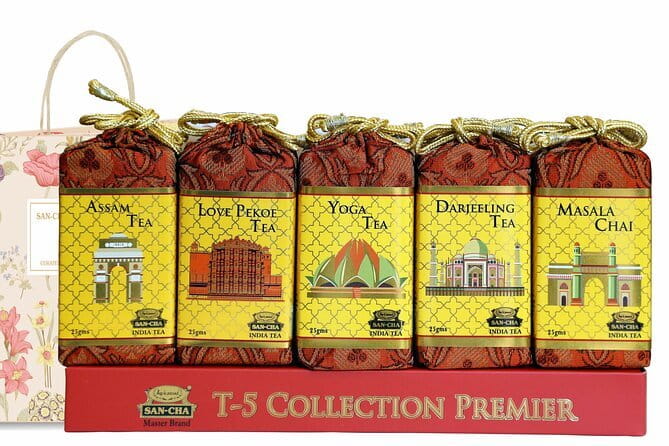
The contrast with masala chai is especially useful. Masala chai is not simply one recipe here. The shop offers seven blends using spices such as saffron, cardamom, and ginger, along with other ingredients from India’s Malabar Spice Coast.
That range lets you compare pure tea with blended tea. A plain regional tea helps you focus on the leaf. A spiced chai shifts the focus toward fragrance, warmth, and the balance between tea and seasoning. If you usually drink chai with milk and sugar, this is a good chance to consider how the spice blend itself shapes the cup.
You should also expect herbal and Ayurvedic teas. These are presented as wellness-focused infusions, but you should think of them as teas and herbal drinks to taste, not as medical treatments. The activity provides an introduction to the shop’s range, not medical advice about health benefits.
One of the strongest features is the chance to request a different tea brewed in the shop. With more than 100 teas and blends on offer, you may find a style that was not part of the main tasting. This is helpful if you already know you like a certain flavor, or if you want to compare a pure tea with a blend containing flowers, herbs, or spices.
Why the small-shop setting works
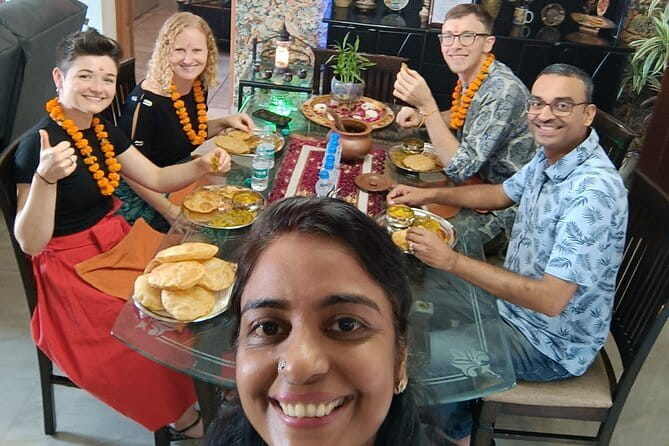
A tea tasting can become too formal if it turns into a lecture. This one appears designed to stay personal and practical. You sit, taste, ask questions, and decide what interests you.
The setting also makes shopping part of the experience, but the purchase is optional. You can browse teas blended with real spices, herbs, and flowers, along with pure Indian teas. That is a better way to choose a gift than grabbing the first colorful box you see in a supermarket.
The staff’s approach is important here. You can ask for brewing help and taste more before deciding. The information supplied for the experience specifically notes that the staff does not make you feel obliged to buy, which is a real advantage in a shop-based activity.
The small setting has a tradeoff. You are not walking through a tea plantation, seeing tea being picked, or touring a factory. If your main goal is to see production in the field, this is the wrong activity. If you want a compact introduction to the taste and variety of Indian tea, the shop format is more efficient.
The maximum group size is 20 people. That is not a private tasting, but it is still a manageable size for a one-hour session. The quality of the experience may depend on how many people attend and how much time you want for questions.
Same city, a completely different day out:
- Taj Mahal Day Tour from Delhi by Superfast Train – TOP RATED TOUR
★ 5.0 · 4,166 reviews - Delhi: Old and New Delhi Private Full or Half-Day Tour
★ 4.9 · 3,776 reviews - Full Day Taj Mahal, Agra Fort & Baby Taj Tour from Delhi by Car
★ 5.0 · 3,647 reviews - From Delhi: Taj Mahal & Agra Private Day Trip with Transfers
★ 4.9 · 3,181 reviews
The shopping selection: more than a souvenir stop
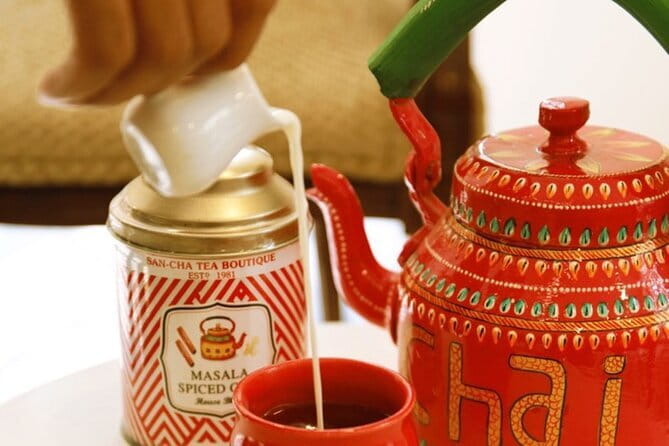
The shop carries more than 100 Indian teas and blends. That number can sound overwhelming, but the tasting gives you a way to narrow your choices.
You might choose a pure Darjeeling or Assam tea if you want a direct reminder of the regional tasting. You might prefer one of the masala chai blends if you want something that feels closely tied to Indian daily life. A blend with saffron, cardamom, ginger, flowers, or herbs can also make a distinctive gift.
I like the fact that the shop presents Indian tea in several forms. You are not restricted to a single famous style or a standard tourist package. The selection includes white, green, and black teas, plus herbal options and flavored blends.
Still, allow yourself some restraint. After tasting many samples, your palate can become tired, and every package can begin to look appealing. Ask the staff to help you match a tea to the person receiving it. You can also note which region or blend you preferred before buying.
The stated price is about $7 per person. For an hour of guided tasting, regional explanation, and the chance to request another tea, I consider that good value. It is particularly worthwhile if you plan to buy tea anyway, because the tasting can prevent an uninformed purchase.
The price does not include a plantation visit, meal, transport, or a large cultural program. You are paying for the tasting and the shop’s expertise. That makes it a low-cost add-on rather than a main day tour.
Timing your visit in New Delhi
The listed opening hours are Monday through Saturday, from 10:30 a.m. to 5:30 p.m. The shop is closed on Sunday according to the schedule provided, so check the day carefully when planning your Old Delhi route.
A one-hour visit fits well in the middle of the day. You can schedule it around lunch or place it between other sights in the Daryaganj area. The meeting point and ending point are the same, which keeps the plan simple.
The shop is near public transportation, but the details do not specify a particular station, route, or walking time. Use the full address in your mobile ticket and allow enough time to locate Golcha Cinema and the shop entrance.
The mobile ticket is useful since you do not need to print a voucher. Confirmation is provided when you book, and the activity allows up to 20 people.
The cancellation policy is generous if your plans are still changing. You receive a full refund if you cancel at least 24 hours before the start time. Cancellations or changes made within 24 hours are not refunded or accepted. The provider also says the experience can be canceled for poor weather or because the minimum number of participants is not reached, in which case you are offered another date or a full refund.
The weather condition may seem unusual for an indoor tea tasting, but it is part of the stated policy. Keep it in mind if you are planning a tightly timed day.
Who will enjoy this tea experience most?
I would recommend this activity to anyone who enjoys tea and wants more context than a café can provide. It suits people who want to understand the difference between Indian regions, sample several styles, and buy a few well-chosen gifts.
It is also a good fit for:
- Tea beginners, because you can compare many styles in one sitting.
- Serious tea drinkers, because the selection includes small-batch and less familiar regional teas.
- Food-focused visitors, especially those interested in spice blends and masala chai.
- Shoppers who dislike sales pressure, since buying is optional.
- People with a spare hour in Old Delhi, because the activity is short and ends where it begins.
Families may enjoy the tasting, though the information does not specify a minimum age or a children’s format. If you are traveling with children, ask the provider about suitability before booking.
This may not suit you if you dislike tasting several hot drinks in a row or want a physically active tour. It also will not replace a visit to a tea-growing region. The experience is about tasting and explanation, not farm scenery or production work.
Is $7 good value?
At around $7, this is one of the easier activities to justify. A normal drink in a major city can cost a noticeable part of that amount, while this session gives you several samples and access to a large specialist shop.
The main value comes from the comparison. If you simply bought one packet of tea, you would learn far less about the differences between Darjeeling, Assam, Nilgiri, Sikkim, Kangra, and the other regions. Tasting first gives you a better chance of choosing something you will actually enjoy at home.
The experience is also useful for gifts. Indian tea travels well, and a regional or spice blend can be more personal than a generic souvenir. The shop’s long history and focus on freshness add confidence, though you should still ask about storage and preparation if you are buying tea for a serious tea drinker.
I would not book it solely because of the shop’s reputation or guidebook mentions. Book it because the format matches your interests. The tasting is strongest when you want to compare, ask questions, and shop thoughtfully.
Should you book the Sancha Tea tasting?
Book it if you enjoy tea, spices, or food culture and have an hour in New Delhi. The price is modest, the regional range is unusually broad, and the option to taste more tea before buying makes the visit practical rather than purely decorative.
I especially like the combination of seven regional styles, seven masala chai blends, and a shop selection of more than 100 teas. The staff’s no-pressure approach is another reason to feel comfortable booking.
Skip it if you want a plantation visit, a long cultural tour, or a detailed tea-making demonstration. For a compact introduction to Indian tea in a historic Old Delhi shop, though, this is a smart, affordable stop.
FAQ
Where does the tea tasting take place?
The experience starts and ends at Aap Ki Pasand Tea Gallery, also called Sancha Tea, at 15 Netaji Subhash Marg, opposite Golcha Cinema in Daryaganj, New Delhi, Delhi 110002, India.
How long does the tea tasting last?
The activity lasts approximately one hour.
Which Indian teas can I taste?
The tasting includes teas from Indian growing regions such as Darjeeling, Assam, Nilgiri, Sikkim, and Kangra. The selection also includes white, green, black, masala, and herbal teas.
Can I buy tea after the tasting?
Yes. The shop offers more than 100 Indian teas and blends, including pure teas and blends made with spices, herbs, and flowers.
When is the tea gallery open for this activity?
The listed hours are Monday through Saturday, from 10:30 a.m. to 5:30 p.m. The schedule provided does not list Sunday hours.
Can I cancel for a full refund?
Yes. You can cancel at least 24 hours before the start time for a full refund. Cancellations or changes made less than 24 hours before the experience are not refunded.
Just added around New Delhi
- Delhi: All-Inclusive Full or Half Day Tour With Hotel Pickup★ 5.0 · 3 reviews
- From Delhi : All Inclusive Taj Mahal Tour by Gatimaan Express★ 5.0 · 3 reviews
- Skip the line: Taj Mahal Agra Private Day Trip From Delhi By Car★ 5.0 · 3 reviews
- Delhi: Old and New Delhi One Day Private Guided City Tour★ 5.0 · 3 reviews
- New Delhi Night City Tour★ 5.0 · 3 reviews
- Old Delhi Half day private city tour★ 5.0 · 3 reviews
- A full-day tour of Old & New Delhi Monument Express Entry★ 5.0 · 3 reviews
- Sultanpur Bird Sanctuary Tour Near Delhi★ 5.0 · 3 reviews