
Reviewed · INDIAN COOKING CLASSES
Veg and Non veg : Private Cooking Class in Delhi home (7 meal)
The best part of this Delhi experience is simple: you cook in Preeti and Sonu’s family home, not in a polished demonstration kitchen. You learn how spices work, knead roti, stir dal, and sit down to eat what you made. I like the personal teaching and the chance to see everyday family life. I also like that vegetarian and non-vegetarian menus can be adjusted.
The main drawback is the location. The class meets near Uttam Nagar West Metro Station, well outside Delhi’s central sightseeing areas, and hotel pickup is not included. Plan your route carefully, or arrange a car for the return trip.
In This Review
- Key points to know before booking
- Cooking Indian food in a Delhi family home
- What you cook during the three-hour class
- Masala tea or lassi
- Curry and dal
- Vegetable dish
- Rice and Indian bread
- Dessert
- Why the private format works well
- The local setting near Uttam Nagar
- Food choices, allergies, and special requests
- Price and what the $47 buys you
- The parts most worth your time
- Who should book this experience?
- Should you book the Delhi home cooking class?
- FAQ
- Where does the cooking class take place?
- Is there a metro pickup point?
- How long does the experience last?
- Is the class private?
- Can I choose a vegetarian menu?
- Is chicken included?
- What food and drinks are included?
- Is hotel pickup included?
- What should I wear?
- What is the cancellation policy?
Key points to know before booking
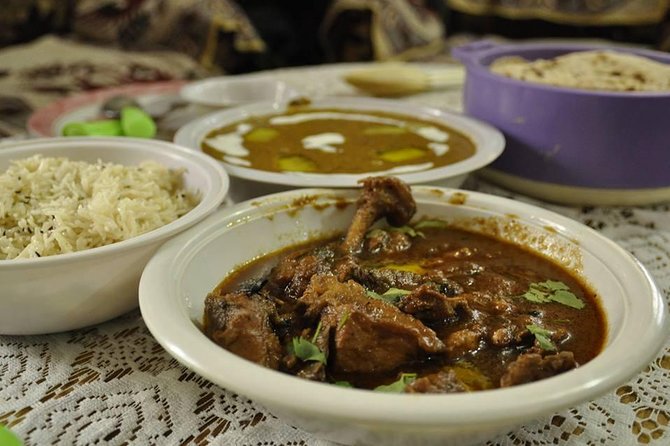
- Seven-part Indian meal: Prepare a drink, curry, dal, vegetable dish, rice, bread, and sweet.
- Private instruction: Only your own group takes part, so you can ask questions and request dish changes.
- Preeti and Sonu host at home: The setting gives the class a personal, family feel.
- Vegetarian and non-vegetarian choices: Options may include chicken curry, paneer, aloo gobi, okra, chana masala, and other dishes.
- About three hours: Cooking is followed by a full meal, so allow extra time if conversation runs long.
- Meet near Uttam Nagar West Metro: Hotel transportation is not part of the standard price.
Cooking Indian food in a Delhi family home
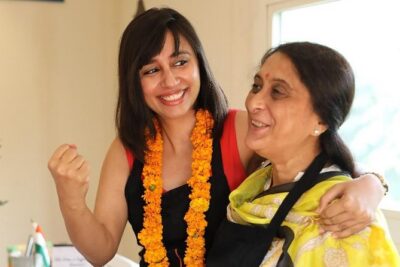
This is less like watching a chef perform and more like being welcomed into someone’s kitchen. Preeti leads the cooking, while her husband, Sonu, helps with the class, directions, and practical arrangements. You begin with an explanation of Indian spices, usually using the colorful spice box found in many Indian kitchens.
That opening matters. Indian food can look complicated when a recipe lists cumin, turmeric, coriander, garam masala, ginger, garlic, and chilies all at once. Here, the point is to learn what each ingredient does and when it enters the pan. You may learn, for example, that whole spices often go into hot oil first, while powdered spices are added later.
The class is hands-on. You chop, stir, knead, shape, and taste rather than simply taking notes. Preeti breaks the recipes into manageable steps, and the private format means you can stop her when something is unclear. If you cook at home, this is far more useful than a quick tasting session.
The home itself is an important part of the experience. Several details make it feel comfortable for visitors: the kitchen has been described as clean and modern, the apartment may be air-conditioned, and bottled water is used during cooking. Those points are small, but they matter in Delhi, especially after a warm day of sightseeing.
More home cooking classes in New Delhi:
- Five Course Cooking Class & Meal
★ 5.0 · 250 reviews - Indian Cooking Class in an Authentic Local Home – Learn 6 Dishes
★ 5.0 · 195 reviews - Delhi: AI Cooking Class and Much More in a Local Family Home
★ 5.0 · 85 reviews
What you cook during the three-hour class
The menu is designed to make a full Indian meal, not one isolated dish. The exact selection can vary, but the included food generally covers seven parts:
- Masala tea or lassi
- Chicken curry or butter chicken, for a non-vegetarian menu
- A dry vegetable dish such as aloo gobi, okra, or paneer masala
- Yellow dal or dal tadka
- Cumin rice, plain rice, or biryani
- Roti or paratha
- One sweet
You may also begin with vegetable pakora and mint sauce. This gives you a fried snack to eat while the main dishes finish cooking.
Masala tea or lassi
The class starts with a drink, either masala tea or lassi. Masala chai is especially useful because it introduces you to the idea that Indian flavor is not only about heat. Tea, milk, sugar, and spices create a different balance from the savory dishes that follow.
If you are sensitive to caffeine, ask for lassi or simply take a small taste of the chai. One afternoon class participant found the caffeine noticeable late in the day. That is a useful reminder to mention dietary needs and preferences before cooking begins.
Curry and dal
The chicken curry is described as a gravy dish made with chicken. Butter chicken may be offered instead. A vegetarian class can substitute paneer or another suitable dish, and special requests may be possible if you contact Preeti ahead of time.
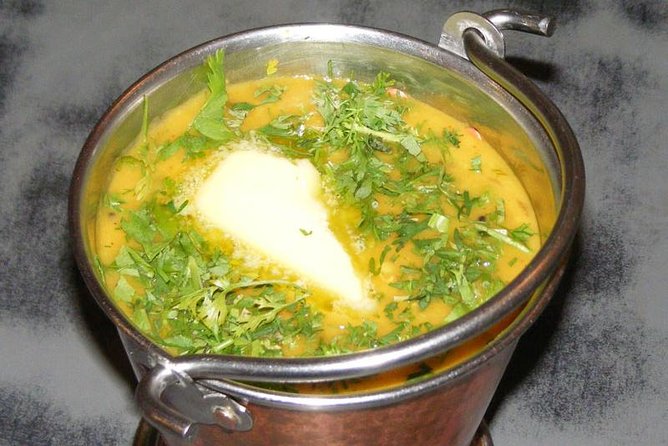
The yellow lentils are cooked with onion, tomato, ginger, garlic, and green chili. This is the kind of everyday food that teaches you how Indian meals are built. Dal is filling, inexpensive, and adaptable, and the cooking method is one you can repeat in your own kitchen.
A few more New Delhi departures worth comparing
- New Delhi: Indian Cooking Class in a Local Home
★ 5.0 · 65 reviews - Spice Knight (Cooking Class -> Meal -> Local Market walk)
★ 5.0 · 59 reviews - Vegetarian : Private Cooking Class in Delhi home ( Learn 7 meal)
★ 5.0 · 58 reviews - Cooking Demo + Lunch/Dinner and interaction with an Indian family @ Chez Anjali
★ 5.0 · 48 reviews
Vegetable dish
The dry vegetable course may be aloo gobi, okra, paneer masala, or another selection. Aloo gobi pairs potato and cauliflower, while okra offers a different texture. Paneer, a fresh Indian cheese, is a good choice if you want a vegetarian dish with more substance.
You may be able to choose your dishes rather than accept a fixed menu. That flexibility is one of the class’s strongest features. If you already know you want to learn chana masala, paneer, or a particular curry, ask before the session starts.
Rice and Indian bread
Cumin rice is one option, with plain rice or biryani sometimes available. The rice course is useful because it shows how a few whole spices can change a basic staple.
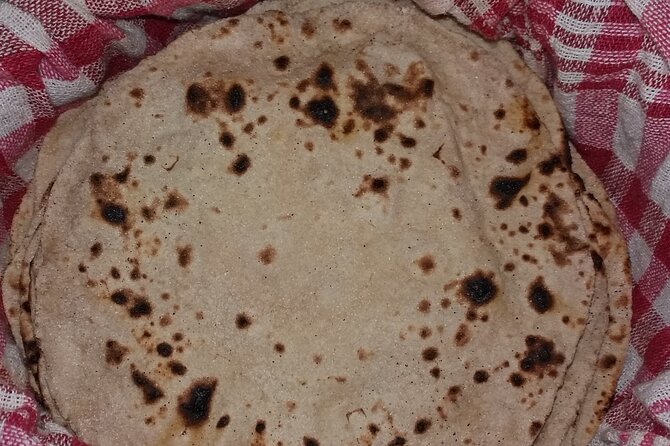
Making roti is more physical. You work with wheat flour, roll the dough, and cook the flatbread. Paratha may be offered instead. If you need gluten-free food, tell the hosts in advance. The class can adapt some dishes for dietary needs, but you should not wait until you arrive to ask.
Dessert
A sweet finishes the meal, often halwa. It gives the class a proper ending and rounds out the lesson with a dish that many visitors do not know how to make at home.
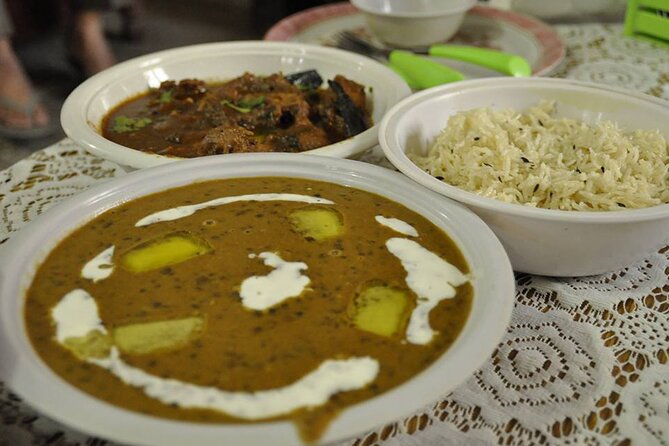
Once the food is ready, you sit down and eat. That meal is not an afterthought. It is the point where the separate lessons become a real Indian dinner or lunch, with rice, bread, lentils, vegetables, curry, and dessert on the same table.
Why the private format works well
The activity is private, so only your group participates. That changes the pace. You can ask about spice levels, substitute ingredients, and repeat a technique without holding up a larger class.
It is also a good setup for families and mixed-experience groups. A teenager can take part, while a more serious home cook can ask about adapting recipes. One family with a 14-year-old found the class both interesting and easy to enjoy together.
I especially like the possibility of requesting a particular dish. One participant wanted to learn a specific recipe and received a lesson tailored to that request. Another group chose a fully vegetarian menu and selected dishes they wanted to prepare.
The tradeoff is that the menu is not completely fixed. If you want a precise list of dishes, confirm it with Preeti before booking or before the class. The description gives several alternatives, not one guaranteed menu for every session.
The local setting near Uttam Nagar
The meeting point is Indian Food Cooking Classes, A1, 63 Hastsal Road, near Sunil Dairy, Block A 1, Uttam Nagar, New Delhi. The listed pickup point is outside Gate 4 at Uttam Nagar West Metro Station.
This is not a central Delhi hotel lobby. Uttam Nagar is a residential part of the city, and reaching it can take time from areas where many visitors stay. That distance is part of the experience’s character, but it also affects your schedule.
Arrive 15 minutes early. Sonu has helped participants from the metro station, and the hosts communicate through WhatsApp before the class. Even so, save the address and allow time for finding the exact meeting point.
Hotel pickup and drop-off are not included. If you are unfamiliar with Delhi transport or have an evening flight, arranging a car service for the return can make the day easier. One participant was glad to have a driver waiting after the class rather than trying to find a ride in an unfamiliar neighborhood.
The activity ends back at the meeting point. You can also ask the hosts for help with the metro afterward. Some participants have been accompanied to the station, and a short visit to a nearby vegetable market may be possible when the schedule allows. Treat that market stop as an extra possibility, not a guaranteed part of the three-hour plan.
Food choices, allergies, and special requests
The class offers both vegetarian and non-vegetarian choices. Vegetarian dishes may include paneer masala, aloo gobi, okra, chana masala, dal, rice, roti, and halwa. A non-vegetarian menu may include chicken curry or butter chicken.
The hosts have adapted recipes for needs such as gluten-free and onion-free food. Still, the information does not promise that every allergy or dietary restriction can be handled. Contact Preeti before the class and explain exactly what you cannot eat.
You should also tell the hosts how much chili you prefer. Indian home cooking varies from mild to hot, and a private class gives you a better chance of getting the right level.
Wear casual clothes. Cooking involves flour, oil, chopping, and hot pans, so this is not the place for your best sightseeing outfit.
Price and what the $47 buys you
At about $47 per person, the price is reasonable if you value instruction, a private setting, and a full meal. You are not paying only for food. The fee covers roughly three hours of teaching, ingredients, drinks, bottled water, and a seven-part menu.
Compared with a standard restaurant meal, it costs more. Compared with a private cooking lesson in a major capital, it offers a good amount of personal attention for the money. You also leave with techniques you can use again, and recipes may be sent in English after the session.
The value is strongest for people who cook at home or want more than a quick cultural stop. If you only want to eat Indian food, a restaurant will be cheaper and simpler. If you want to understand how the meal is made, this class offers much more.
Group discounts are available, which can improve the price for families or friends booking together. The experience is usually booked about 26 days ahead, so popular dates may require planning.
The parts most worth your time
The spice lesson is more useful than it may first sound. You learn to recognize ingredients and understand their order in the pan, rather than blindly following a recipe.
The bread lesson is another highlight. Roti and paratha require touch and practice, and the technique is difficult to understand from a cookbook alone.
The meal at the end gives you a chance to compare the dishes. A bite of dal with rice tastes different from dal scooped with roti. That simple contrast helps explain how Indian food is meant to be eaten as a group of complementary dishes.
The family conversation is also valuable. You can ask about daily food, ingredient substitutions, and how recipes change for different households. That personal exchange is hard to get in a formal restaurant class.
Finally, the hosts’ practical help can be a real benefit. Preeti communicates before the class, Sonu may help with the metro, and recipes can help you repeat the meal at home.
Who should book this experience?
I would choose this class if you want contact with local life, enjoy asking questions, or plan to cook Indian food after returning home. It suits solo visitors, couples, families, and small groups because the private setup keeps the lesson personal.
It is also a good choice for repeat visitors to Delhi who have already seen the main sights and want a different kind of afternoon. The class gives you a reason to visit a residential neighborhood rather than staying near the usual monuments.
You may want to skip it if you dislike hands-on cooking, have a very tight Delhi schedule, or want hotel transportation included. The trip to Uttam Nagar can take planning, and the class is not a quick drop-in meal.
Should you book the Delhi home cooking class?
Book it if you want to learn seven parts of an Indian meal while spending time with a local family. The strongest reasons are the private teaching, flexible vegetarian and non-vegetarian menus, clean home setting, and the chance to leave with recipes and practical cooking skills.
Before paying, message Preeti about your menu, allergies, spice level, and transport plan. If you make those arrangements and can spare three hours plus travel time, this is a thoughtful, good-value way to understand Delhi through its food.
FAQ
Where does the cooking class take place?
The class takes place at Indian Food Cooking Classes, A1, 63 Hastsal Road, near Sunil Dairy, Block A 1, Uttam Nagar, New Delhi, Delhi 110059.
Is there a metro pickup point?
Yes. The listed pickup point is outside Gate 4 at Uttam Nagar West Metro Station.
How long does the experience last?
The cooking class lasts about three hours, including the cooking session and meal.
Is the class private?
Yes. Only your own group participates in the activity.
Can I choose a vegetarian menu?
Yes. Vegetarian options are available, including dishes such as aloo gobi, okra, paneer masala, chana masala, dal, rice, roti, and dessert.
Is chicken included?
A non-vegetarian menu can include chicken curry or butter chicken. The exact dish may vary.
What food and drinks are included?
The class includes masala tea or lassi, bottled water, a curry, a dry vegetable dish, rice, dal, roti or paratha, and one sweet. Vegetable pakora with mint sauce may also be served.
Is hotel pickup included?
No. Hotel pickup and drop-off are not included. You need to reach the meeting point yourself unless you arrange separate transportation.
What should I wear?
Wear casual clothes suitable for cooking.
What is the cancellation policy?
You can cancel at least 24 hours before the start time for a full refund. Cancellations or changes made within 24 hours are not refunded or accepted.
More Workshops in New Delhi
- 5 Senses Tour – Old + New Delhi, Workshops, Lunch all inclusive
★ 5.0 · 386 reviews - Local Market Tour & Five Course Meal Class
★ 5.0 · 62 reviews - Royal Taj Mahal Day Experienc From New Delhi By First Class Train
★ 5.0 · 43 reviews - Half Day Yoga Meditation Workshop (6 Hrs) in New Delhi
★ 5.0 · 36 reviews
Just added around New Delhi
- Delhi: All-Inclusive Full or Half Day Tour With Hotel Pickup★ 5.0 · 3 reviews
- From Delhi : All Inclusive Taj Mahal Tour by Gatimaan Express★ 5.0 · 3 reviews
- Skip the line: Taj Mahal Agra Private Day Trip From Delhi By Car★ 5.0 · 3 reviews
- Delhi: Old and New Delhi One Day Private Guided City Tour★ 5.0 · 3 reviews
- New Delhi Night City Tour★ 5.0 · 3 reviews
- Old Delhi Half day private city tour★ 5.0 · 3 reviews
- A full-day tour of Old & New Delhi Monument Express Entry★ 5.0 · 3 reviews
- Sultanpur Bird Sanctuary Tour Near Delhi★ 5.0 · 3 reviews
Indian Cooking Classes, compared.
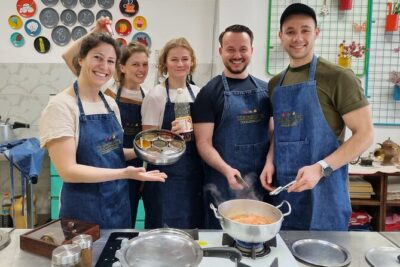
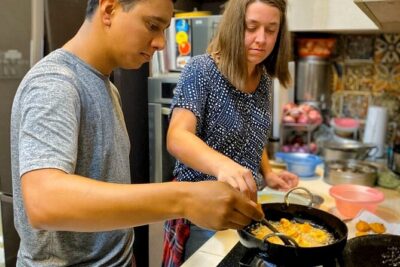
Indian Cooking Class in an Authentic Local Home – Learn 6 Dishes
Read our review →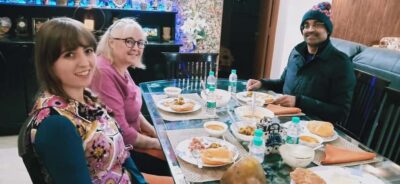
AI Cooking Class and Much More in a Local Family Home
Read our review →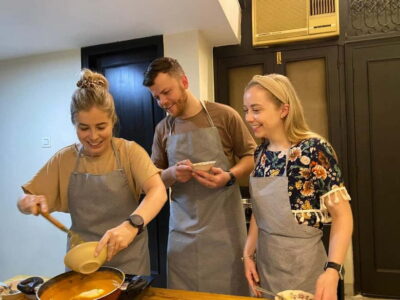
Spice Knight (Cooking Class -> Meal -> Local Market walk)
Read our review →
Vegetarian : Private Cooking Class in Delhi home ( Learn 7 meal)
Read our review →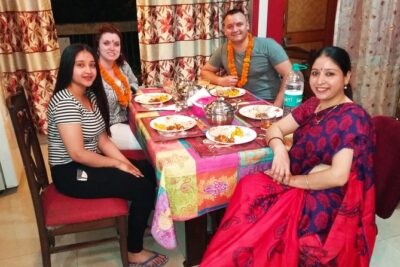
Cooking Demo + Lunch/Dinner and interaction with an Indian family @ Chez Anjali
Read our review →
Browse the lists this tour appears in