
Reviewed · NEW DELHI
Village Snapshot – Pure and simple
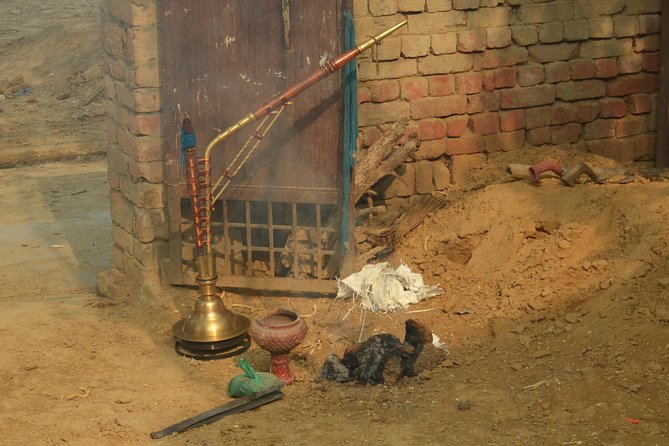
A train ride from New Delhi to a Haryana village, followed by a river swim, farm walk, truck ride, and lunch in a local home, makes this much more than a quick photo stop. You get a look at daily rural life that is hard to find in the capital.
I like the small private format, since your guide can explain village customs and translate conversations for your own group. I also like the mix of activities: you are not simply walking around and listening. You can help with milking, see rice and vegetable fields, and take part in a simple local routine.
The main consideration is comfort. This is a working village visit, not a polished attraction. The river swim is informal, the truck ride is basic, and the full day includes time outdoors in rural conditions. If that sounds like part of the fun, the $74.67 price offers a lot.
In This Review
- Key details before you book
- Leaving Delhi behind by local train
- Sonipat and the story of village life
- A local river swim, with practical limits
- Lunch inside a village home
- Milking cows and buffaloes
- A local truck through the fields
- Kakroi Road and northern Indian farming
- What the $74.67 price really covers
- Who will enjoy this day most
- Practical details for a smoother day
- Should you book the Haryana village day?
- FAQ
- How long does the village experience last?
- Where does the tour begin and end?
- How do I reach the village from Delhi?
- Is lunch included?
- What activities take place during the day?
- Is this a private tour?
- Can I cancel for a full refund?
Key details before you book
- About one hour by local train: The journey from Delhi to Sonipat gives you a useful look at ordinary travel beyond the capital.
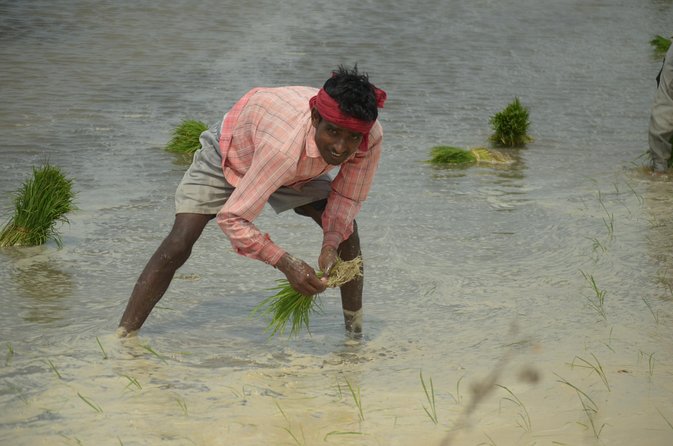
- A real working village: Kakroi is known for rice fields, with local farming tied to food production and sales to nearby areas.
- Several hands-on activities: You can walk farmland, swim in a local river, help with milking, and ride a local truck.
- Lunch with a village family: The meal is homemade, with bottled water, masala tea, cookies, and village dishes included.
- Private group experience: Only your group takes part, making it easier to ask questions and set the pace within the day’s plan.
- Guides who add a personal touch: Vivek, Santan, and John are names connected with the guiding team, with Vivek especially noted for his friendly explanations and care.
Leaving Delhi behind by local train
The day begins at StudifySuccess12, 144 RamaKrishna Ashram Marg, double storey, Sector C, Gole Market, New Delhi. From there, the experience takes you toward Sonipat by air-conditioned train. The local train ride lasts about an hour.
That train trip matters. Delhi can make India feel like a rush of traffic, concrete, noise, and constant motion. On the train, you begin to see how people move beyond the capital and how quickly the city gives way to open farmland. You are not sealed in a private tourist vehicle for the whole morning.
The information for the tour also lists an air-conditioned vehicle as included. The main route is described as an A/C train journey, while the precise role of the vehicle is not spelled out. It is sensible to confirm the day’s transport details with the operator if you need a clear answer about every road transfer.
The overall duration is about seven hours, with roughly six hours assigned to the main Sonipat portion and one hour connected with Kakroi Road. That makes this a substantial day out, not a short add-on between Delhi sights. Plan your energy accordingly, especially if you want to swim and spend time walking in the fields.
Other New Delhi tours people pair with this one:
- Old & New Delhi City Tour – Half or Full Day Options Available
★ 5.0 · 4,811 reviews - Old & New Delhi City Tour – Choose Half or Full Day Experience
★ 5.0 · 4,513 reviews - Same Day Taj Mahal, Agra Fort & Baby Taj Tour from Delhi by Car
★ 5.0 · 4,304 reviews
Sonipat and the story of village life
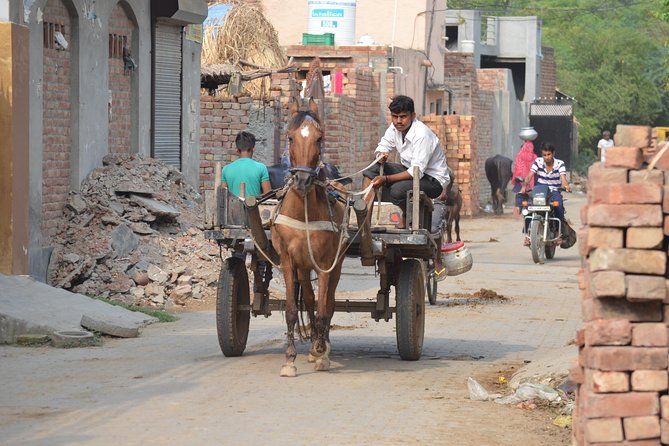
At Sonipat, the visit shifts from transport to walking. Your guide takes you across agricultural land and explains the village’s past and present. This is where the trip gains its strongest human value.
The focus is not on grand monuments. It is on how families work, grow food, care for animals, and organize daily life. You learn about farming methods and sustainable living in a direct setting, with fields around you rather than a museum display.
The tour description refers to rice, maize, and vegetable fields. At Kakroi, rice farming is especially important. Much of the village works in rice fields, producing more rice and selling it to nearby areas. That gives you a practical way to understand the local economy: the fields are not just pretty scenery, but the foundation of household work and trade.
You should expect the walk to feel informal. The route is through working agricultural areas, so conditions can vary. There is no promise of a smooth trail, shaded path, or purpose-built visitor route. Wear shoes you can use outdoors, and choose clothing that allows easy movement.
Your guide is important here. Vivek is praised for being polite, friendly, and clear when explaining the farming community. Santan and John are also connected with the guiding team. A guide who can translate and explain local customs can make a major difference, since casual conversation is often the best part of a village visit.
A local river swim, with practical limits
One of the day’s more unusual features is a swim in a local river. It is a refreshing break from walking and a chance to take part in a simple rural activity rather than only observe.
The wording is important: this is a wild swim, not a supervised pool visit. The supplied information does not provide details about water quality, current, depth, changing rooms, or safety equipment. You should only enter the water if you are comfortable with those unknowns and follow your guide’s instructions.
Bring swimwear and a way to manage wet clothes, though the tour details do not specify changing facilities. If you do not want to swim, the rest of the day still includes plenty to do. You can remain with the group, enjoy the countryside, and continue to the meal and farm activities.
The swim may be one of the day’s most memorable moments, but it is also the clearest reason this tour is not for everyone. People seeking controlled conditions and a fixed schedule may prefer a conventional city outing. People who like simple, unvarnished experiences will likely appreciate it.
Lunch inside a village home
Lunch is served with a local family. That changes the tone of the day. Instead of eating at a restaurant designed for visitors, you share a meal in the setting of ordinary village life.
The included food is described as a hearty homemade lunch with village servings. Bottled water, masala tea, and cookies are also included. The menu is not specified, so you should not book expecting a particular dish or dietary arrangement unless you confirm it in advance.
For me, this is one of the most worthwhile parts of the experience. A meal creates time for conversation and gives you a better sense of hospitality than a quick stop beside a field. The hosting family is described as especially kind, and the visit is presented as a chance to share time with local people, not simply photograph them.
That said, a family meal is naturally less predictable than a restaurant lunch. Portions, spice levels, seating, and menu choices may be simple. If you have dietary restrictions, ask the operator before booking rather than assuming the meal can be adjusted.
The guide’s translation also matters at the table. Without help, you might exchange smiles and a few words. With someone explaining customs and conversation, you can better understand the people welcoming you into their home.
Same city, a completely different day out:
- Taj Mahal Day Tour from Delhi by Superfast Train – TOP RATED TOUR
★ 5.0 · 4,166 reviews - Delhi: Old and New Delhi Private Full or Half-Day Tour
★ 4.9 · 3,776 reviews - Full Day Taj Mahal, Agra Fort & Baby Taj Tour from Delhi by Car
★ 5.0 · 3,647 reviews - From Delhi: Taj Mahal & Agra Private Day Trip with Transfers
★ 4.9 · 3,181 reviews
Milking cows and buffaloes
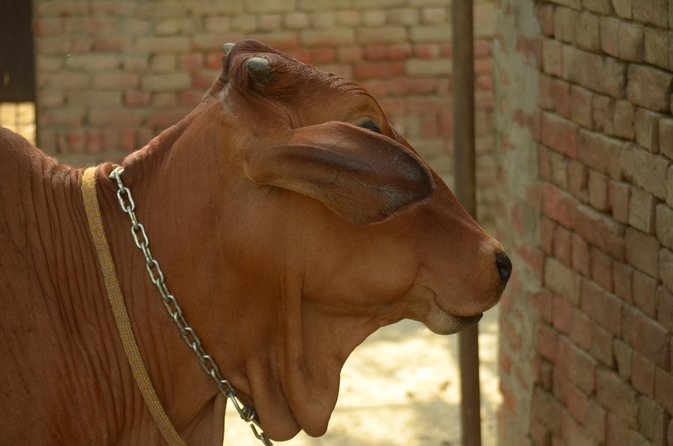
The animal visit is hands-on. You can join the milking process with cows and buffaloes, and, if you wish, try a glass of fresh milk.
This is a small but telling activity. In many city-based tours, farm animals appear as scenery. Here, you get a chance to see how they fit into household work and food production. It also gives you a closer look at the connection between farming and family life in the village.
The fresh milk is optional, which is useful. You can watch without drinking it. The tour does not state whether the milk is treated or pasteurized, so make your own decision based on your comfort and health needs.
The experience can be particularly good for families and curious first-time visitors who want more than a lecture. It is concrete, easy to understand, and connected to the local way of life. It also helps you see that rural living involves steady work, not just calm views and friendly welcomes.
A local truck through the fields
The day adds a local truck ride to reach another field. Depending on seasonal work, the destination may involve rice, maize, or vegetables.
This is a wonderfully plain form of transport. You are not being driven around in a special sightseeing vehicle. You are using a local farm vehicle as part of the day’s movement through the countryside.
The trade-off is comfort. The tour does not describe the truck’s seating, route, or road conditions. Expect a basic ride rather than a smooth transfer. Keep loose items secure, and do not choose this experience if you need fully controlled transport throughout the day.
The truck ride also gives the schedule some variety. You walk, ride the train, visit a home, spend time around animals, and travel between fields. That mix keeps the day from becoming a long agricultural lecture.
Kakroi Road and northern Indian farming
Kakroi is described as a small, green-field village in North India. Rice is a major crop, and local people work the fields to grow and sell it to nearby areas.
The value of this stop is its ordinariness. You are not being shown a staged rural display. You are seeing a place where farming is part of the local economy and where people take pride in a straightforward way of life.
The description of people as happy and satisfied should not be read as a complete picture of village life. Farming is demanding, and the visit is too short to explain every social or economic issue. Still, the tour gives you a useful starting point for understanding how rural communities function outside Delhi.
The best approach is to stay curious and respectful. Ask questions through your guide, listen when people explain their work, and remember that the village is a home and workplace first. The private format should make it easier to avoid rushing through personal encounters.
What the $74.67 price really covers
At $74.67 per person, this is not the cheapest way to spend a day outside Delhi. The price is easier to justify when you consider what is bundled: the train journey, an A/C vehicle, a private guide, lunch with a local family, bottled water, masala tea, cookies, and several activities.
You are also paying for access. A visitor would have a hard time arranging a village meal, a farm walk, milking, a local truck ride, and translation independently in one day. The guide connects these pieces and helps you interact without guessing at every step.
The private setup improves the value for couples, families, and small groups. Only your own party takes part, so you are not tied to strangers or a rigid large-group routine. The exact pace is still shaped by the day’s schedule, but questions and conversations can be more personal.
The price may feel high if you mainly want a train ride or a quick look at fields. It makes more sense if you want a full rural day with food and activities included. The strongest value is in the access to people and daily work, not in luxury.
Who will enjoy this day most
I would recommend this experience to you if you want a break from Delhi’s main sights and prefer contact with ordinary daily life. It suits people who are happy walking outdoors, eating a simple homemade meal, and trying activities that may feel unfamiliar.
Families may enjoy the animals, train ride, truck ride, and river. Couples and private groups may appreciate the quieter pace and the chance to ask personal questions. Anyone interested in farming, food production, or village customs will find plenty to discuss with the guide.
This is less suitable if you need a tightly controlled schedule, polished facilities, or a predictable menu. The swim is informal, the truck is basic, and some parts of the day depend on village conditions and farm activity.
You should also be comfortable with the idea that this is a real community, not a performance staged for visitors. The most rewarding moments may be simple ones: sitting down to eat, watching the milking process, or walking beside fields while your guide explains what is being grown.
Practical details for a smoother day
The experience starts and ends at 144 RamaKrishna Ashram Marg, near Gole Market in New Delhi. It lasts about seven hours and returns to the same meeting point.
Confirmation is provided when you book. The activity is listed as suitable for most people, and service animals are allowed. It is also near public transportation.
Pack clothing suited to outdoor time, comfortable walking shoes, and swimwear if you plan to use the river. Since the meal and milk are local, check food and drink arrangements ahead of time if you have allergies, dietary restrictions, or health concerns.
Free cancellation is available if you cancel at least 24 hours before the start time. Cancellations made later, along with changes made inside that period, are not accepted for a refund.
Should you book the Haryana village day?
Book it if you want to trade Delhi’s busy streets for a personal look at farming, family hospitality, and village routines. The combination of an A/C train, farm walk, river swim, local truck, milking, and homemade lunch gives you a full day with real variety.
I would be especially inclined to book if you value a guide who can translate and explain what is happening. Vivek is noted for his friendly manner and care, while Santan and John are also names associated with the guiding team.
Skip it if you want polished comfort or a carefully controlled attraction. But if you can accept a basic truck, an informal river swim, and a meal shaped by local customs, this is a worthwhile use of a day in Delhi. It offers something the capital cannot: time with people whose work begins in the fields around them.
FAQ
How long does the village experience last?
The experience lasts about seven hours in total. The main Sonipat portion is listed as six hours, with about one hour connected to Kakroi Road.
Where does the tour begin and end?
It begins at StudifySuccess12, 144 RamaKrishna Ashram Marg, double storey, Sector C, Gole Market, New Delhi, Delhi 110001. It ends back at the same meeting point.
How do I reach the village from Delhi?
The experience includes travel by air-conditioned local train from Delhi, with the train portion lasting about one hour. An air-conditioned vehicle is also listed as included.
Is lunch included?
Yes. Lunch with a local family is included, along with bottled water, masala tea, cookies, and homemade village servings.
What activities take place during the day?
You can walk through agricultural land, learn about village history and farming, swim in a local river, help with milking cows and buffaloes, try fresh milk if you wish, and ride a local truck to another field.
Is this a private tour?
Yes. Only your own group participates in the activity.
Can I cancel for a full refund?
Yes, if you cancel at least 24 hours before the experience starts. Cancellations or changes made less than 24 hours before the start time are not eligible for a refund.
Just added around New Delhi
- Delhi: All-Inclusive Full or Half Day Tour With Hotel Pickup★ 5.0 · 3 reviews
- From Delhi : All Inclusive Taj Mahal Tour by Gatimaan Express★ 5.0 · 3 reviews
- Skip the line: Taj Mahal Agra Private Day Trip From Delhi By Car★ 5.0 · 3 reviews
- Delhi: Old and New Delhi One Day Private Guided City Tour★ 5.0 · 3 reviews
- New Delhi Night City Tour★ 5.0 · 3 reviews
- Old Delhi Half day private city tour★ 5.0 · 3 reviews
- A full-day tour of Old & New Delhi Monument Express Entry★ 5.0 · 3 reviews
- Sultanpur Bird Sanctuary Tour Near Delhi★ 5.0 · 3 reviews