
Reviewed · GOLDEN TRIANGLE TOURS
07 Days Golden Triangle Tour with Mathura & Vrindavan
The most interesting feature here is the way the classic Golden Triangle is joined with Mathura and Vrindavan, two important Krishna pilgrimage towns. You move from temple bells and Prem Mandir’s evening lights to the Taj Mahal, Jaipur’s royal buildings, and Delhi’s Mughal and British-era sights in one carefully packed week.
I like the private air-conditioned car, which saves you from sorting out trains, buses, and local transfers. I also like that hotels and six breakfasts are included, plus visits to an Agra marble inlay workshop and a Jaipur block-printing workshop. The trade-off is a full schedule with long road days, extra entrance fees, and only short visits to some attractions.
In This Review
- Key points to know before booking
- What this seven-day route actually covers
- Day 1: A soft landing in New Delhi
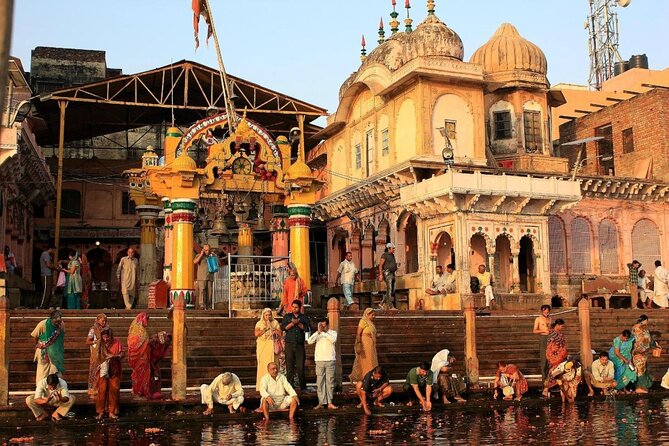
- Day 2: Krishna temples in Mathura and Vrindavan
- Day 3: Agra Fort and the Mughal chapter
- Day 4: The Taj Mahal, then Chand Baori
- Day 5: Jaipur’s forts, astronomy, and royal interiors
- Day 6: Returning to Delhi
- Day 7: Old Delhi, Mughal monuments, and Qutub Minar
- Transport, hotels, and guide choices
- Should you book this Golden Triangle tour?
- FAQ
- Is accommodation included in the tour?
- Is transportation private and air-conditioned?
- Are monument entrance fees included?
- Is an English-speaking guide included?
- What happens if the tour includes a Friday visit to the Taj Mahal?
- Is the tour suitable for solo booking?
- What is included besides hotels and transport?
Key points to know before booking
- Mathura and Vrindavan add a spiritual side trip to the usual Delhi, Agra, and Jaipur route.
- Private transport keeps the route simple, with a Swift Dzire or Etios for one to three people, an Innova for four to six, or a Tempo Traveler for seven to ten.
- The Taj Mahal comes early on Day 4, a useful plan for cooler temperatures and softer morning light.
- Three-star hotels and six breakfasts are included, but lunch, dinner, guides, monument tickets, and camera fees are extra.
- Craft workshops are built into the route, including marble inlay in Agra and block printing in Jaipur.
- Driver Rajesh is specifically praised for route support and hotel check-ins, though an English-speaking guide costs an additional $10 per person per city.
What this seven-day route actually covers
At $400 per person, this is a value-focused private tour rather than a luxury package. You are paying for a private car, fuel, tolls, state taxes, parking, driver costs, three-star accommodation, and six breakfasts. That removes many of the large costs that can make an India trip hard to manage on your own.
You still need to budget for monument admission, camera fees, meals beyond breakfast, tips, drinks, shopping, and optional English-speaking guides. Those extras matter. The listed price is attractive because the core transport and hotels are bundled, but the final cost will be higher if you enter every monument, hire guides in each city, and eat all meals out.
The route begins and ends in New Delhi. The first night is simple: airport pickup, transfer to your Delhi hotel, and rest before the road portion begins. From there, the tour moves east to Mathura and Vrindavan, south to Agra, west to Jaipur, and finally north to Delhi.
That private structure is useful in India, where several major sights are spread across different cities and road transfers can take time. You can also request a four-star or five-star hotel upgrade for an added charge.
More Mathura and Vrindavan day trips:
- Day Trip to Mathura, Vrindavan with The Taj Mahal, Agra from Delhi
★ 5.0 · 63 reviews - Mathura Vrindavan Divine Love Journey of Radha Krishna From Delhi
★ 5.0 · 40 reviews - From Delhi: Taj Mahal & Mathura, Vrindavan Private Day Trip
★ 5.0 · 31 reviews
Day 1: A soft landing in New Delhi
Your representative meets you at Delhi airport and transfers you to the hotel. Since the included check-in time is noon, an early arrival may mean waiting for a room if one is not yet available.
There is no sightseeing listed for this first day, and that is sensible after a long flight. Use the evening to settle in, check the next morning’s departure time, and keep your passport details handy. The operator requires passport information for all participants at booking.
This is a private tour, so only your own group participates. The minimum booking is two adults. Room arrangements depend on group size: an extra adult may share a triple room with an extra bed, while a group of five receives two double rooms with one extra bed.
Day 2: Krishna temples in Mathura and Vrindavan
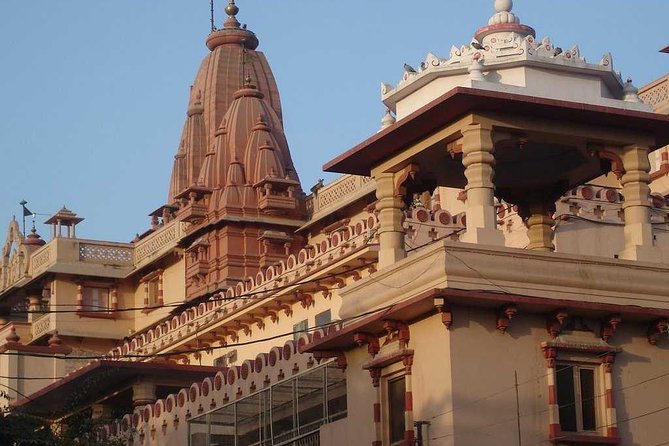
The early departure to Mathura takes you to Shri Krishna Janmasthan, the temple complex associated with Krishna’s birthplace. The scheduled visit is about 30 minutes, and admission is not included.
You then continue to Vrindavan for Banke Bihari Temple. This is another short visit, also about 30 minutes, but the setting feels quite different from the monumental palace and fort stops later in the week. Here, the focus is devotion, ritual, and the continuing importance of Krishna traditions in the area.
If time allows, you visit Prem Mandir, also in Vrindavan. Plan about an hour here. The temple is free to enter and is maintained by a charitable spiritual trust. Its large grounds and detailed design make it a strong visual stop, especially for anyone interested in contemporary religious architecture as well as older sacred sites.
This day is valuable because it gives the tour a local and religious dimension before the major headline monuments appear. The drawback is timing. Mathura and Vrindavan are reached by road from Delhi, and the three temple visits are relatively short. You will see the key places, but this is not a slow pilgrimage with time for extended worship or wandering.
Dress respectfully at the temples and expect religious sites to have their own entry rules. Since the schedule can change depending on time, ask your driver early in the day whether Prem Mandir will be included.
Day 3: Agra Fort and the Mughal chapter
After breakfast, you leave for Agra, check into the hotel, and visit Agra Fort. About an hour is planned here, with admission extra.
Agra Fort is more than a defensive wall. Its courtyards, palaces, and red sandstone buildings help explain the Mughal power that later produced the Taj Mahal. The fort also prepares you for the next morning by showing the architectural world around Shah Jahan’s famous monument.
I like the order of these two Agra days. The fort comes first, then the Taj Mahal at sunrise or early morning. You get context before the biggest sight, rather than treating the Taj as an isolated photo stop.
The package includes a visit to a marble inlay workshop in Agra. This can help you understand the handwork associated with the city’s decorative marble tradition. It is also a shopping opportunity, so keep your budget and luggage space in mind. The visit is included, but purchases are not.
More Golden Triangle itineraries from New Delhi:
- 3-Days Private Golden Triangle Tour: Delhi, Agra & Jaipur by Car
★ 5.0 · 1,107 reviews - 3-Days Private Golden Triangle Tour: Delhi, Agra & Jaipur by Car
★ 5.0 · 1,098 reviews - 3-Day Delhi, Agra and Jaipur Private Tour – India Golden Triangle
★ 5.0 · 812 reviews - Four-Day Private Luxury Golden Triangle Tour to Agra and Jaipur From New Delhi
★ 5.0 · 807 reviews
Day 4: The Taj Mahal, then Chand Baori
The early Taj Mahal visit is the emotional center of the tour. You have about two hours at the monument, and the admission ticket and camera fee are not included.
Morning is the right choice for this stop. It gives you a cooler start and places the Taj before the day’s road transfer. The white marble changes character as the light shifts, while the gardens and reflecting pool provide the familiar long view toward the mausoleum.
Two hours is enough for the main approach, the central building, and time for photographs, but it is not an unlimited visit. If you want a guide for the story behind the monument, arrange one in advance or add the optional English-speaking guide service.
A crucial planning detail: the Taj Mahal is closed every Friday. If your schedule puts Agra on a Friday, the operator says the visit can be moved to the day before or after. Confirm this before booking flights and hotels, since the seven-day sequence may need adjustment.
After Agra, the route continues toward Jaipur with a stop at Chand Baori in Abhaneri. About 30 minutes is planned, and admission is extra. This famous stepwell is known for its repeated flights of stairs and striking geometric form. Half an hour lets you take in the structure and photographs, but not spend much time exploring the village or surrounding area.
This is a long and visually rewarding transfer day. If you dislike frequent hotel changes and road travel, this route may feel tiring. If you want to connect major sights without arranging each transfer yourself, the private car is the reason the schedule works.
Day 5: Jaipur’s forts, astronomy, and royal interiors
Jaipur receives the fullest sightseeing day. You pass Hawa Mahal, the five-story facade built in 1799 for Maharaja Sawai Pratap Singh. The schedule describes this as a drive-by, so expect a photo stop rather than an extended interior visit.
Jantar Mantar follows, with about 30 minutes planned. Maharaja Sawai Jai Singh II built these large masonry instruments in the 18th century to study celestial movements. The scale is what makes the site memorable, and the instruments are easier to appreciate with a guide who can explain what each one measured. Admission is extra.
Next comes Jaipur’s City Palace, with about an hour inside. The palace complex blends Rajput and Mughal design and includes the seven-story Chandra Mahal. An hour gives you a useful introduction to the courtyards and displays, though you may need to keep moving if you want to see every section.
The longest stop is Amber Palace, also called Amer Fort, with two hours planned. Built above the old capital of the Kachhwaha rulers, the fort combines steep hilltop defenses with ornate palaces. This is one of the day’s major sights, so wear comfortable shoes and keep water nearby.
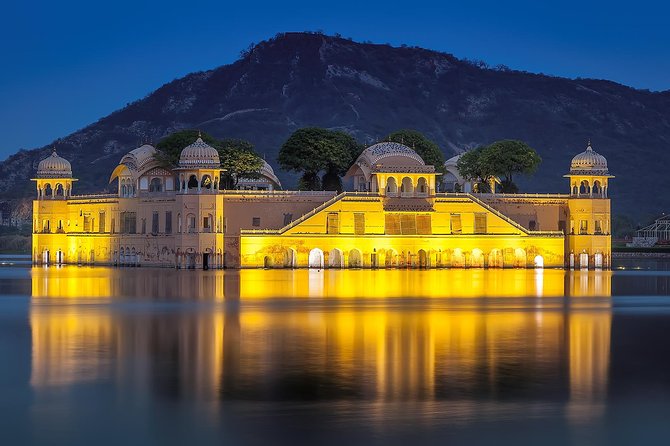
On the return route, you stop at Jal Mahal for about 15 minutes. The small palace sits in Man Sagar Lake, and the stop is mainly for photographs. Renovation work around the lake is noted, so do not expect a long lakeside visit.
Albert Hall Museum is another drive-by or brief stop, listed at about 15 minutes. It occupies a graceful building in Ram Niwas Garden and holds a collection of decorative and cultural objects. With so little time, treat this as a quick exterior look unless your driver can adjust the schedule.
Jaipur also includes a block-printing workshop. You can see how fabric patterns are made and decide for yourself if the goods suit your budget. Like the marble workshop, this adds a craft element to the tour, but it also creates a shopping moment. You are not required to buy anything.
This is the busiest sightseeing day. I would ask in advance which stops are inside visits and which are drive-bys, especially Hawa Mahal and Albert Hall. A private vehicle gives you some flexibility, but the number of Jaipur sights means you still need to watch the clock.
Day 6: Returning to Delhi
After breakfast, you check out of the Jaipur hotel and drive back to Delhi. On arrival, you check into the Delhi hotel for the final night.
There is no major attraction scheduled today, which is helpful. The return road trip can be tiring, and the hotel gives you a base before the final sightseeing day. It also protects the last day from becoming a rushed airport transfer, provided your departure flight is not immediately after the tour ends.
Because road times can vary, avoid booking a very tight onward connection unless you have confirmed the plan directly with the operator. The tour ends back at the New Delhi meeting point after Day 7 sightseeing.
Day 7: Old Delhi, Mughal monuments, and Qutub Minar
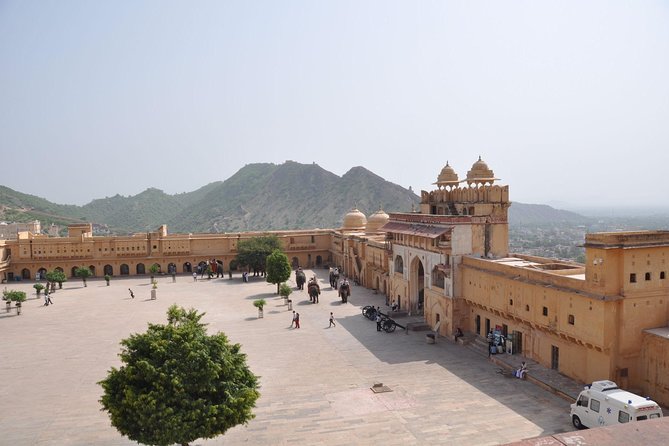
The final day covers a wide spread of Delhi highlights. You begin at Jama Masjid, the great mosque in Old Delhi. About 30 minutes is planned, and admission is free.
The Red Fort comes next, with around an hour allocated. Its broad walls and palace complex recall the Mughal emperors who ruled from Delhi. Entry is extra, and the fort is closed every Monday, so check the calendar carefully when choosing your dates.
India Gate is a drive-by stop. This New Delhi war memorial is dedicated to Indian soldiers who died serving in the British Army during the First World War. The arch is particularly attractive when illuminated at night, though the schedule does not promise a nighttime visit.
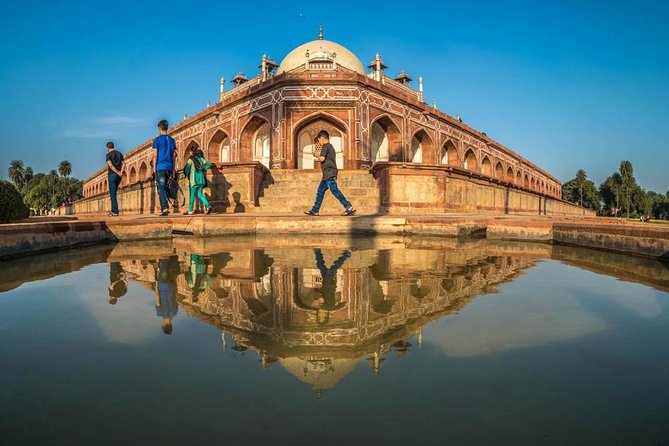
Humayun’s Tomb receives about an hour. Built in 1570, it is an important early example of the garden-tomb style that later influenced the Taj Mahal. Seeing it after Agra adds useful architectural perspective, since the two monuments are often compared.
You also drive past the Lotus Temple. The white Bahá’í temple is shaped like a lotus, and the schedule does not include a full visit. Finally, Qutub Minar gets about an hour. This tall brick minaret and its surrounding early Indo-Islamic buildings provide a very different chapter of Delhi’s past from the Mughal sites seen earlier.
The order covers plenty, but the day is packed. Jama Masjid, Red Fort, Humayun’s Tomb, Lotus Temple, and Qutub Minar are not close together. A private car is especially useful here because it avoids changing public transport several times, but traffic can still affect the pace.
Transport, hotels, and guide choices
Vehicle size depends on your group. One to three people travel in a Swift Dzire or Etios, four to six in a Toyota Innova, and seven to ten in a Tempo Traveler. The vehicle is air-conditioned and private, with fuel, tolls, parking, state taxes, and the driver’s food and lodging covered.
The driver is a major part of a route like this. Rajesh is specifically praised for helping with the Mathura and Vrindavan roads and supporting hotel check-ins. The package does not say that a professional guide is included. An English-speaking guide can be arranged for $10 per person per city, which is worth considering at the Taj Mahal, Amber Palace, Jantar Mantar, and Delhi’s historic sites.
Three-star budget accommodation is included in each city, along with six breakfasts. Hotel upgrades are available for an added charge. Lunch and dinner are yours to arrange, so ask about meal timing on the long road days.
Carry an umbrella or raincoat during July and August. The tour operates near public transport, and most people can participate, but the temples, forts, and stepwell involve walking and uneven surfaces.
Should you book this Golden Triangle tour?
I would choose this tour if you want the main sights handled in one private, seven-day package and you like the idea of adding Krishna pilgrimage towns to the standard route. It suits first-time visitors who value door-to-door transport, included hotels, and a driver who helps with transfers and check-ins.
I would think twice if you want slow mornings, long museum visits, or full meals and entrance fees wrapped into one price. The schedule is active, several stops are brief, and the craft workshops may feel commercial if you are not interested in shopping.
Check your dates against the Taj Mahal’s Friday closure and the Red Fort and Lotus Temple’s Monday closure. If those details work, the $400 starting price offers a practical way to cover a great deal of northern India without arranging every hotel and road connection yourself. Free cancellation is available up to 24 hours before the start time.
FAQ
Is accommodation included in the tour?
Yes. Three-star budget accommodation is included in Delhi, Agra, and Jaipur according to the route, with six breakfasts.
Is transportation private and air-conditioned?
Yes. The tour uses a private air-conditioned vehicle. Groups of one to three use a Swift Dzire or Etios, groups of four to six use a Toyota Innova, and groups of seven to ten use a Tempo Traveler.
Are monument entrance fees included?
No. Monument tickets and camera fees are extra at applicable entrances.
Is an English-speaking guide included?
No. An English-speaking guide can be arranged at an additional cost of $10 per person per city.
What happens if the tour includes a Friday visit to the Taj Mahal?
The Taj Mahal is closed every Friday. The visit can be arranged for the day before or the day after, depending on the schedule.
Is the tour suitable for solo booking?
A minimum of two adults is required for this tour.
What is included besides hotels and transport?
The package includes fuel, road and state taxes, tolls, parking, driver costs, six breakfasts, an Agra marble inlay workshop visit, and a Jaipur block-printing workshop visit. Lunch, dinner, drinks, tips, shopping, monument fees, and personal expenses are not included.
Just added around New Delhi
- Delhi: All-Inclusive Full or Half Day Tour With Hotel Pickup★ 5.0 · 3 reviews
- From Delhi : All Inclusive Taj Mahal Tour by Gatimaan Express★ 5.0 · 3 reviews
- Skip the line: Taj Mahal Agra Private Day Trip From Delhi By Car★ 5.0 · 3 reviews
- Delhi: Old and New Delhi One Day Private Guided City Tour★ 5.0 · 3 reviews
- New Delhi Night City Tour★ 5.0 · 3 reviews
- Old Delhi Half day private city tour★ 5.0 · 3 reviews
- A full-day tour of Old & New Delhi Monument Express Entry★ 5.0 · 3 reviews
- Sultanpur Bird Sanctuary Tour Near Delhi★ 5.0 · 3 reviews
Golden Triangle Tours, compared.
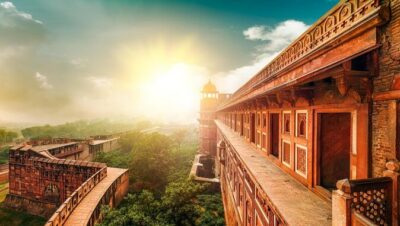
3-Days Private Golden Triangle Tour: Delhi, Agra & Jaipur by Car
Read our review →3-Days Private Golden Triangle Tour: Delhi, Agra & Jaipur by Car
Read our review →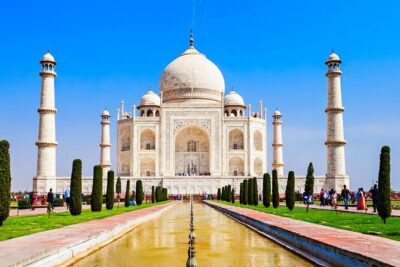
3-Day Delhi, Agra and Jaipur Private Tour – India Golden Triangle
Read our review →
Four-Day Private Luxury Golden Triangle Tour to Agra and Jaipur From New Delhi
Read our review →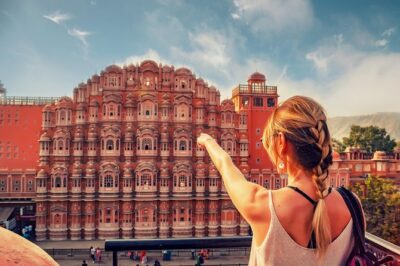
Jaipur Day Trip from Delhi by Car or Train – All Inclusive
Read our review →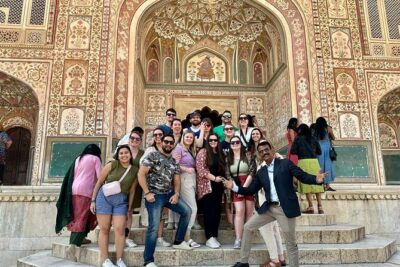
Jaipur City Private Day Tour from Delhi by Car – All Inclusive
Read our review →
5 Nights 6 Days Private Golden Triangle Tour – Delhi Agra Jaipur
Read our review →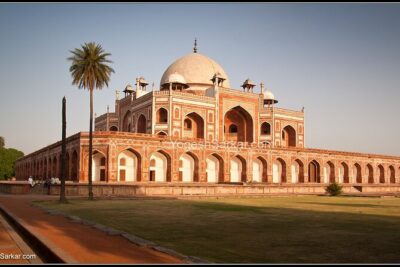
Browse the lists this tour appears in