
Reviewed · GOLDEN TRIANGLE TOURS
3-Day Luxury Golden Triangle Tour: New Delhi, Agra & Jaipur
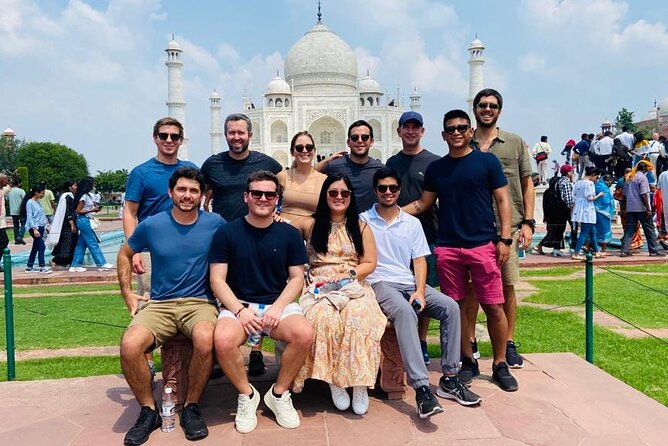
The Taj Mahal at sunrise is the heart of this fast-moving Golden Triangle tour, but the real strength is how much ground you cover without handing your schedule to a bus full of strangers. You move by private air-conditioned car, meet local guides in each city, and can adjust the pace when a palace or market deserves more time.
I like the Old Delhi rickshaw ride, which gives you a quick taste of Chandni Chowk and Khari Baoli without asking you to manage the traffic yourself. I also like the flexible setup, with guides such as Adin in Delhi, Faizan Hussain in Agra, and Rajesh Singh in Jaipur receiving particular praise for clear explanations and a willing attitude.
The trade-off is simple: three cities in three days means early starts, long drives, and little spare time. You will see the major sights, but this is a greatest-hits tour, not a slow study of North India.
In This Review
- Key points to know before booking
- A three-day route built for first-time visitors
- Delhi begins with grand avenues and quiet memorials
- Chandni Chowk and Khari Baoli bring Delhi to street level
- Delhi’s major monuments require a brisk pace
- The Taj Mahal before breakfast
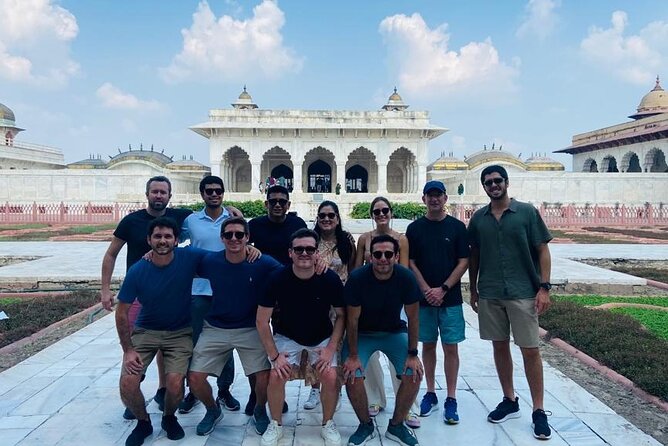
- Agra Fort adds the story behind the Taj
- Jaipur begins with Amber Fort and water views
- City Palace and Jantar Mantar explain Jaipur’s royal identity
- The return to Delhi and the real cost
- Who will get the most from this tour
- Should you book the Golden Triangle tour?
- FAQ
- Is this a private tour?
- Can I choose my hotel category?
- Are entrance tickets included?
- What happens if day two is a Friday?
- Are meals included?
- Where can pickup and drop-off take place?
Key points to know before booking
- Taj Mahal at sunrise: Begin day two early, then visit Agra Fort before driving to Jaipur.
- Private car and driver: Your own air-conditioned vehicle gives you more control than a fixed group departure.
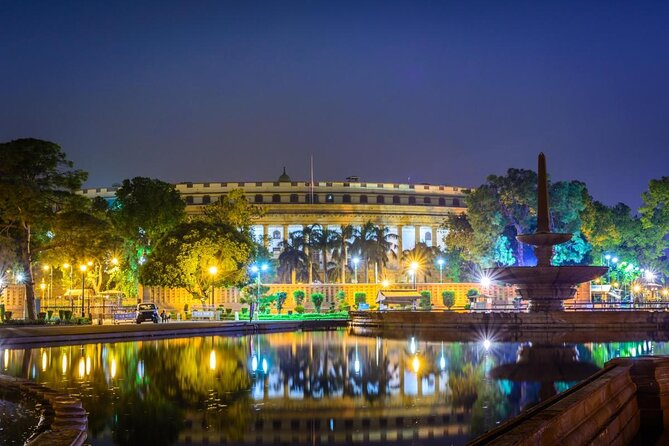
- Delhi’s contrasting sides: See India Gate and Rashtrapati Bhavan, then ride through Old Delhi markets and visit its Mughal monuments.
- Jaipur’s royal core: Amber Fort, City Palace, Jantar Mantar, Hawa Mahal, Jal Mahal, and Patrika Gate fill the Jaipur portion.
- Optional hotel choice: Select a 3, 4, or 5-star hotel package, or arrange your own accommodation.
- Important extra cost: The listed tour price is $105 per person, while entrance tickets are listed separately at $65 per person.
A three-day route built for first-time visitors

The Golden Triangle links New Delhi, Agra, and Jaipur, three places that give you a useful introduction to North Indian politics, Mughal architecture, Rajput royalty, and modern city life. This tour is designed for people with a short stay who want the main sights handled in one booking.
Pickup is available from a hotel, airport, or other requested address in Delhi, Noida, or Gurugram. A uniformed driver takes you between stops, while a local guide joins you for sightseeing. Since this is a private activity, your group does not share the car or touring schedule with strangers.
That matters here. Delhi traffic can make a fixed timetable feel tight, and the ability to spend more time at one monument or skip a stop can save the day. The arrangement also lets you ask questions as you go, rather than waiting for a group explanation.
More Agra and Fatehpur Sikri days:
- Same Day Taj Mahal, Agra Fort & Baby Taj Tour from Delhi by Car
★ 5.0 · 4,304 reviews - Full Day Taj Mahal, Agra Fort & Baby Taj Tour from Delhi by Car
★ 5.0 · 3,647 reviews - From Delhi: Taj Mahal & Agra Private Day Trip with Transfers
★ 4.9 · 3,181 reviews
Delhi begins with grand avenues and quiet memorials
Your first day covers a remarkable amount of Delhi. The route opens around Lutyens’ Delhi, the planned central district built around broad avenues and major government buildings.
At India Gate, you see the 42-meter war memorial from the outside and get a sense of the ceremonial heart of the capital. The stop is brief and admission is free. Rashtrapati Bhavan, the President of India’s official residence, is viewed while driving through the area rather than explored as a full interior visit.
Raj Ghat changes the mood. Mahatma Gandhi’s memorial sits in calm gardens, making this a useful pause after the city streets. You have around 20 minutes here, enough for a respectful visit without turning the stop into a long detour.
The polished central district helps you understand modern Indian government. Old Delhi, which follows, shows a far older and more crowded side of the city.
Chandni Chowk and Khari Baoli bring Delhi to street level
Chandni Chowk dates to the Mughal era and was planned by Jahanara Begum, Shah Jahan’s daughter. Today, it is a market district packed with shops, food stalls, cycle rickshaws, pedestrians, and narrow lanes.
The included rickshaw ride is one of the smartest parts of the day. You get a close look at daily commerce while the driver handles the confusion. It is not a quiet sightseeing ride, and that is the point. Keep your belongings secure, wear comfortable shoes, and expect a sensory hit rather than a polished museum visit.
Nearby Khari Baoli is Asia’s largest wholesale spice market. You have about 30 minutes to see the sacks, stalls, and trade that have filled this part of Delhi for centuries. The stop is free, but the setting can be crowded and intense. If you dislike packed streets, this may be the most demanding part of the tour.
Jama Masjid adds an important architectural stop. Shah Jahan built the mosque between 1644 and 1656, and the broad courtyard and Mughal design help put Old Delhi’s history into context. Dress respectfully and follow the guide’s instructions about entry. The listed visit lasts about an hour.
Delhi’s major monuments require a brisk pace
Humayun’s Tomb is one of Delhi’s most rewarding monuments. Built in 1570 for the Mughal emperor Humayun by his wife, Bega Begum, the mausoleum is set in formal gardens and is recognized by UNESCO. Its design also helps explain the later development of Mughal garden tombs.
Qutub Minar brings a different period of Delhi’s past into view. The UNESCO-listed brick minaret was begun in 1193 by Qutb-ud-din Aibak, founder of the Delhi Sultanate. You get about an hour here, which is enough to see the tower and surrounding complex with a good guide’s help.
The Lotus Temple provides a modern counterpoint. Its white, lotus-shaped design was completed in 1986 as a Baha’i House of Worship and place for meditation. The visit is short, around 30 minutes, and offers a quiet break from the older monuments.
I would treat this Delhi day as an orientation rather than a complete city tour. You see major sites from several eras, but the schedule is full. A late flight arrival or heavy traffic could make the day feel especially compressed, so a prompt start matters.
More Golden Triangle itineraries from New Delhi:
- 3-Days Private Golden Triangle Tour: Delhi, Agra & Jaipur by Car
★ 5.0 · 1,107 reviews - 3-Days Private Golden Triangle Tour: Delhi, Agra & Jaipur by Car
★ 5.0 · 1,098 reviews - 3-Day Delhi, Agra and Jaipur Private Tour – India Golden Triangle
★ 5.0 · 812 reviews - Four-Day Private Luxury Golden Triangle Tour to Agra and Jaipur From New Delhi
★ 5.0 · 807 reviews
The Taj Mahal before breakfast

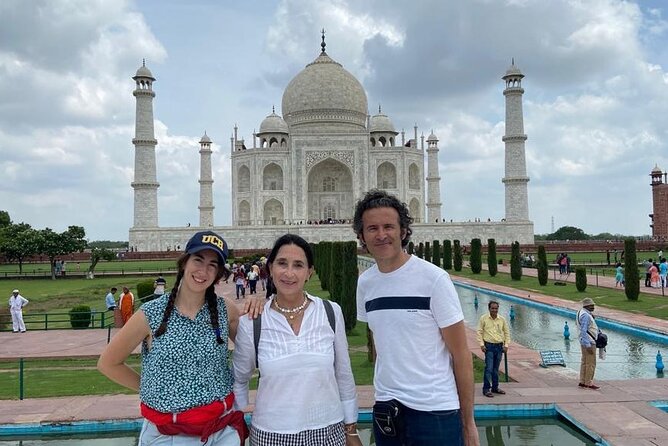
Day two begins around 6:00 a.m. for the Taj Mahal sunrise visit. Your guide and driver collect you from the hotel, and the early timing is a major advantage. The monument is the emotional center of the route, so giving it the first hours of the day is a wise choice.
You receive a battery bus ride between the parking area and the monument. That cuts down on walking and keeps the transfer simple, but you should still wear comfortable shoes because the visit itself involves time on foot.
The Taj Mahal is best approached without rushing. Allow time to look at the white marble, the symmetry, the gardens, and the changing morning light. Your guide can explain the building’s place in Mughal architecture and the story behind its construction, but make room for your own quiet viewing too.
Afterward, return to the hotel for breakfast and check out. Breakfast is included when the hotel option is booked, and two breakfasts are listed for the two-night stay.
Agra Fort adds the story behind the Taj
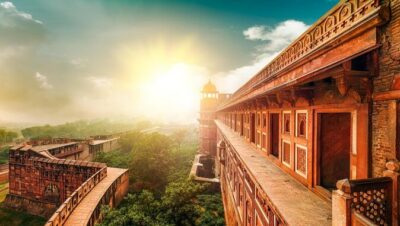
Agra Fort follows the Taj Mahal and gives you a different view of Mughal power. The red sandstone fort served as a royal residence and defensive complex, with palaces, halls, courtyards, and views toward the Taj Mahal.
The planned visit lasts about an hour. That is enough for the main sections, especially with a guide who can explain which buildings belonged to which rulers. Faizan Hussain is one of the Agra guides associated with this tour, and direct praise for his historical explanations makes him a useful name to request if guide assignments can be discussed.
After Agra Fort, the road turns toward Jaipur. Fatehpur Sikri is included along the way, with about four hours listed for the drive and stop. The former Mughal capital is a worthwhile break because it shows the scale and ambition of imperial planning outside the better-known monuments.
This is also one of the longest travel sections. You will spend a good part of the day in the car, so the private vehicle matters. Fuel, tolls, parking, and taxes are included, and bottled mineral water is provided.
Jaipur begins with Amber Fort and water views
Jaipur is known as the Pink City, and the tour gives you a full day around its royal center. Amber Fort comes first, perched above Maota Lake. Its courtyards, carved details, and mix of Rajput and Mughal design make it one of the strongest stops in Jaipur.
Plan on two hours here. The fort is large enough that a hurried visit would miss much of its character. Ask your guide to connect the rooms and defensive walls with Jaipur’s royal past rather than treating the site as a series of photo stops.
Jal Mahal is viewed from outside because entry is prohibited. The palace sits in Man Sagar Lake and makes a good short photo stop, but it is important to know that you will not walk through the building.
Gaitore Ki Chhatriyan offers a quieter architectural pause. The marble cenotaphs combine Rajput and Mughal forms, with domes, carved flowers, and delicate latticework. The visit is around 30 minutes and provides a welcome change from the larger forts and palaces.
City Palace and Jantar Mantar explain Jaipur’s royal identity
The City Palace occupies two hours of the Jaipur program. Its buildings combine Rajput, Mughal, and European influences, reflecting the long development of Jaipur’s ruling family and court.
This is a good place to slow down and notice details. Courtyards, decorated gateways, and palace rooms tell a different story from the military strength of Amber Fort. Rajesh Singh is one of the Jaipur guides connected with the experience, and his clear, flexible approach was especially valued by past customers.
Next door, Jantar Mantar is not just a collection of odd stone shapes. It is a UNESCO-listed astronomical observatory built by Maharaja Sawai Jai Singh II, with large instruments designed to measure time and track celestial positions.
You do not need a technical background to enjoy it, but this is a stop where a guide makes a real difference. Without explanation, the instruments can look abstract. With context, they show Jaipur as a center of science as well as royal display.
Hawa Mahal is another essential Jaipur sight. The five-story palace was built in 1799 with 953 carved windows, allowing royal women to watch street life without being seen. The itinerary gives you the landmark stop, but the supplied schedule does not specify an interior visit, so confirm what is planned if entering matters to you.
Patrika Gate closes the sightseeing day with colorful painted details at the entrance to Jawahar Circle Garden. The stop lasts about 20 minutes and works well for photographs, though it has a more recent, decorative feel than the older monuments.
The return to Delhi and the real cost
The final journey returns you from Jaipur to Delhi. The private car makes this easier than arranging separate transfers, but you should not mistake a three-day tour for a light itinerary. The program is packed with monuments, road time, early starts, and hotel changes.
The advertised price is $105 per person, which is appealing for a private three-day route. That price includes the car, driver, pickup and drop-off, guides in your preferred language, the Old Delhi rickshaw ride, Taj Mahal battery bus, bottled water, fuel, tolls, parking, taxes, and personal assistance.
Look carefully at the extras. Entrance fees are listed separately at $65 per person, and meals other than breakfast are not included. Hotel accommodation is optional, with 3, 4, or 5-star choices. You can also book your own hotels and choose the version without accommodation.
So the headline price is not the complete trip cost. Still, the value can be strong if you want one company to coordinate transport, guides, monument visits, and, if selected, hotels. The private format is especially useful for families or small groups, since group discounts may be available and you can divide the base cost among several people.
If the second day falls on a Friday, the route changes to Delhi, Jaipur, Agra, then Delhi. That adjustment matters because the Taj Mahal is closed on Fridays. If you arrange your own hotels, contact the operator for the revised plan before setting your reservations.
Who will get the most from this tour
I would choose this for a first visit to North India when time is tight and the priority is seeing the major Golden Triangle sights efficiently. It also suits people who prefer a private car, want help with Delhi’s traffic and markets, and value having a guide at each major monument.
The tour is less suitable if you want long museum visits, unplanned walks, or a slow food-focused stay. The schedule can be adjusted, but the distance between the three cities sets a hard limit.
The guide quality matters greatly on a route like this. Adin is praised for the Delhi portion, while Faizan Hussain in Agra and Rajesh Singh in Jaipur are singled out for strong explanations and flexibility. You can request preferred guides, though assignments are not guaranteed in the supplied details.
Wear comfortable walking shoes. Most travelers can participate, service animals are allowed, and the route is near public transportation, but this remains a physically busy trip with early mornings and extensive sightseeing.
Free cancellation is available up to 24 hours before the start time. Inside that window, changes and refunds are not accepted, and poor weather may lead to a new date or full refund.
Should you book the Golden Triangle tour?
Book it if you want the Taj Mahal, Delhi’s major monuments, and Jaipur’s royal sights in one tightly managed private trip. The strongest reasons are the sunrise Taj visit, the private driver, the Old Delhi rickshaw ride, and the ability to shape the day around your interests.
Before paying, add the $65 entrance cost, check whether your chosen hotel category is included, and review the Friday routing rule. If you accept the early starts and long road sections, Aiza Tours offers a practical way to see the Golden Triangle without wasting a short India trip on transport planning.
FAQ
Is this a private tour?
Yes. Only your group participates, and transportation is provided in a private air-conditioned car.
Can I choose my hotel category?
Yes. You can select a 3-star, 4-star, or 5-star hotel option. You can also arrange your own hotels and book the tour without accommodation.
Are entrance tickets included?
No. Entrance fees are listed separately at $65 per person. The tour does include the battery bus transfer at the Taj Mahal.
What happens if day two is a Friday?
The route changes to Delhi, Jaipur, Agra, then Delhi because the Taj Mahal is closed on Fridays. If you book your own hotels, contact the operator for the revised schedule.
Are meals included?
Two breakfasts are included when the accommodation option is booked. Other meals are not included.
Where can pickup and drop-off take place?
Pickup and drop-off are offered at hotels, airports, or another requested location in Delhi, Noida, or Gurugram.
More 3-Day Experiences in New Delhi
- 3-Day Private Luxury Golden Triangle Tour to Agra and Jaipur From New Delhi
★ 5.0 · 424 reviews - Award-Winning 3-Day Private Golden Triangle Tour of India
★ 5.0 · 240 reviews - 3 Days 2 Night Golden Triangle Tour – Private Luxury Experience
★ 5.0 · 191 reviews - 3-Day Private Golden Triangle Tour to Agra &Jaipur from New Delhi
★ 5.0 · 116 reviews
Just added around New Delhi
- Delhi: All-Inclusive Full or Half Day Tour With Hotel Pickup★ 5.0 · 3 reviews
- From Delhi : All Inclusive Taj Mahal Tour by Gatimaan Express★ 5.0 · 3 reviews
- Skip the line: Taj Mahal Agra Private Day Trip From Delhi By Car★ 5.0 · 3 reviews
- Delhi: Old and New Delhi One Day Private Guided City Tour★ 5.0 · 3 reviews
- New Delhi Night City Tour★ 5.0 · 3 reviews
- Old Delhi Half day private city tour★ 5.0 · 3 reviews
- A full-day tour of Old & New Delhi Monument Express Entry★ 5.0 · 3 reviews
- Sultanpur Bird Sanctuary Tour Near Delhi★ 5.0 · 3 reviews
Golden Triangle Tours, compared.
3-Days Private Golden Triangle Tour: Delhi, Agra & Jaipur by Car
Read our review →3-Days Private Golden Triangle Tour: Delhi, Agra & Jaipur by Car
Read our review →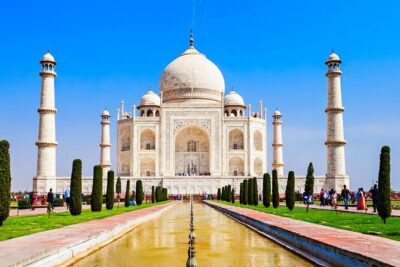
3-Day Delhi, Agra and Jaipur Private Tour – India Golden Triangle
Read our review →
Four-Day Private Luxury Golden Triangle Tour to Agra and Jaipur From New Delhi
Read our review →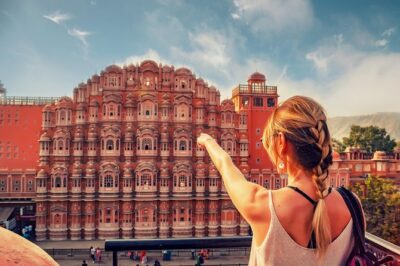
Jaipur Day Trip from Delhi by Car or Train – All Inclusive
Read our review →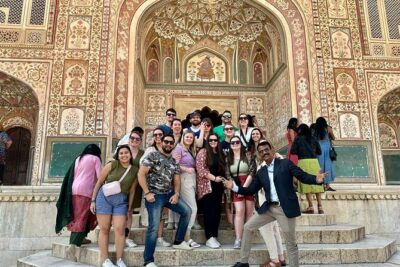
Jaipur City Private Day Tour from Delhi by Car – All Inclusive
Read our review →
5 Nights 6 Days Private Golden Triangle Tour – Delhi Agra Jaipur
Read our review →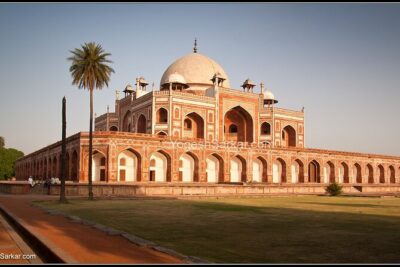
Browse the lists this tour appears in