Reviewed · GOLDEN TRIANGLE TOURS
4-Days Private Golden Triangle Tour: Delhi, Agra & Jaipur
The sunrise visit to the Taj Mahal is the heart of this four-day Golden Triangle trip. You reach Agra after a full first day in Delhi, then see the marble monument in softer morning light before the crowds and heat build. It is a smart use of your early start, even if fog can sometimes soften the view.
I like the private car and dedicated driver, especially on India’s crowded roads. I also like the mix of famous sights and less expected stops, from Khari Baoli spice market to Agrasen ki Baoli stepwell. The main drawback is pace: Delhi, Agra, and Jaipur in four days gives you the highlights, but the schedule can feel rushed, and the final day is mostly travel if you return to Delhi.
In This Review
- Key points at a glance
- Is four days enough for India’s Golden Triangle?
- Day 1: Delhi from Qutub Minar to Old Delhi
- Day 2: Taj Mahal at sunrise, then Agra’s Mughal monuments
- Day 3: Jaipur’s forts, palaces, and pink-city icons
- Day 4: Choose your ending in Jaipur or Delhi
- The private car and driver are the real convenience
- Hotels, room sharing, and what $147 really covers
- Timing details that can change the route
- Who should book this Golden Triangle tour?
- Should you book it?
- FAQ
- What cities does the four-day tour visit?
- Is pickup included?
- Is the Taj Mahal visited at sunrise?
- What hotels are included?
- Are rooms private?
- Are monument entrance fees included?
- Can the itinerary be customized?
- What happens if the tour starts on a Thursday?
- Is the tour wheelchair accessible?
Key points at a glance
- Sunrise at the Taj Mahal: Begin your Agra sightseeing early, with a private guide to explain the monument and help with photographs.
- Delhi’s grand sights and Old City: See Qutub Minar, Lotus Temple, Humayun’s Tomb, Jama Masjid, Chandni Chowk, and Khari Baoli.
- Jaipur’s forts and palaces: Visit Jaigarh Fort, City Palace, Jal Mahal, Hawa Mahal, and Jantar Mantar.
- Private transport throughout: A dedicated driver handles the long road journeys, city traffic, hotel transfers, and Delhi NCR pickup.
- Flexible final day: Finish in Jaipur or ride back to Delhi, depending on your onward plans.
- Hotel and room details matter: Four-star or five-star stays and breakfast are included, but room sharing is normally twin or triple occupancy.
Is four days enough for India’s Golden Triangle?
Yes, if you want a strong first look at northern India and accept an energetic schedule. No, if you prefer long museum visits, slow meals, or spare time for wandering. This trip covers the classic route in a sensible order: Delhi, Agra, then Jaipur.
The private format makes the short schedule more workable. You do not wait for a large group, and the plan can be adjusted to suit your interests. That might mean more time at a fort, a stop for photographs, or a change in the final drop-off.
Still, do not picture four full days of sightseeing. The first day is busy in Delhi before the drive to Agra. The second combines the Taj Mahal, Agra Fort, and Baby Taj with the onward drive to Jaipur. The third is your main Jaipur day, while Day 4 is either a Jaipur departure or a long return to Delhi.
At $147 per person, the package looks attractive for a private tour with hotels, breakfast, a car, driver, and guides. Check the booking option carefully, though. A detailed cost calculation is worthwhile because monument entry fees are paid separately, according to the practical experience reported for this tour. That can change the final price.
More Agra and Fatehpur Sikri days:
- Same Day Taj Mahal, Agra Fort & Baby Taj Tour from Delhi by Car
★ 5.0 · 4,304 reviews - Full Day Taj Mahal, Agra Fort & Baby Taj Tour from Delhi by Car
★ 5.0 · 3,647 reviews - From Delhi: Taj Mahal & Agra Private Day Trip with Transfers
★ 4.9 · 3,181 reviews
Day 1: Delhi from Qutub Minar to Old Delhi
Pickup is available from hotels, airports, train stations, and private homes across Delhi NCR. That includes Delhi, Noida, Gurugram, Ghaziabad, and Faridabad. This wide pickup area is useful if your arrival point is outside central Delhi.
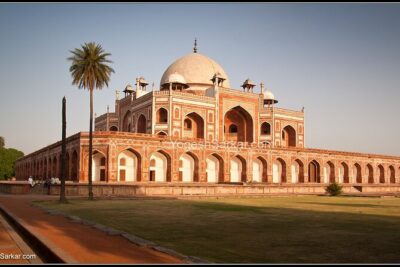
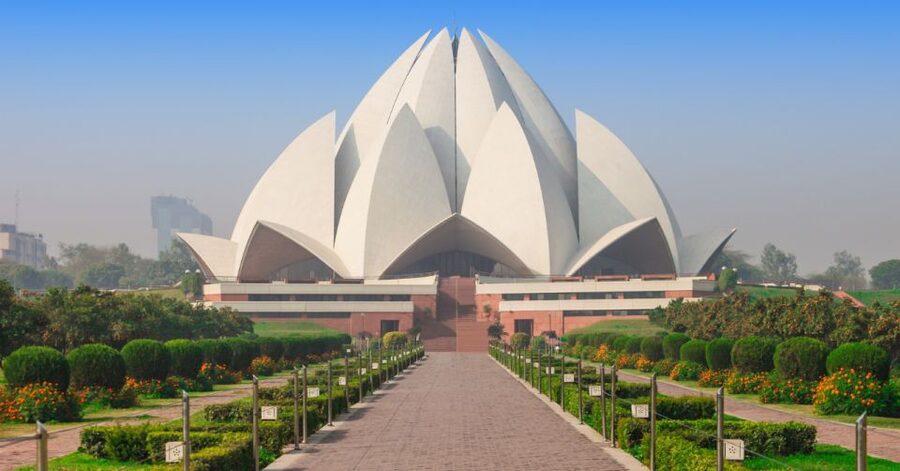
The day starts with some of Delhi’s most important sights. Qutub Minar gives you a first look at the city’s layered past, while Humayun’s Tomb offers grand Mughal design in a calmer setting. Lotus Temple provides a sharp change of mood, with its clean, modern form and quiet grounds.
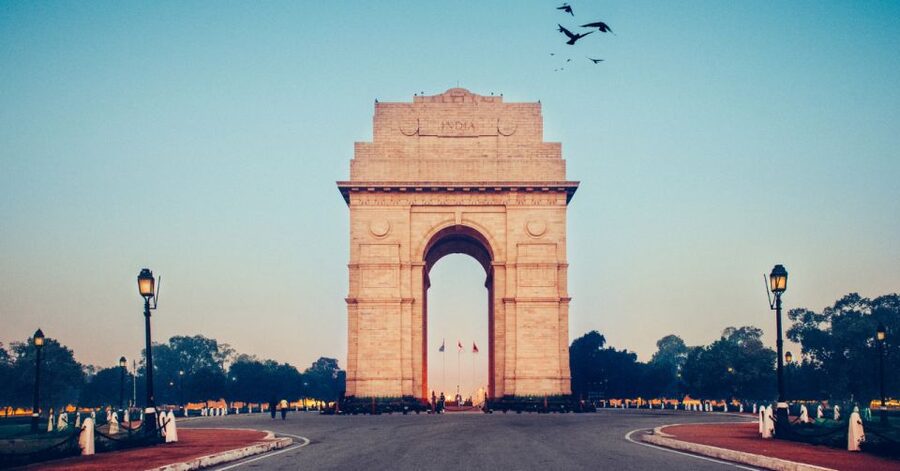
Some sights are viewed from the car rather than entered. You pass India Gate, Parliament House, President’s House, and Red Fort. This is efficient, but you should know the difference between a panoramic pass-by and a full visit when comparing the tour with longer itineraries.
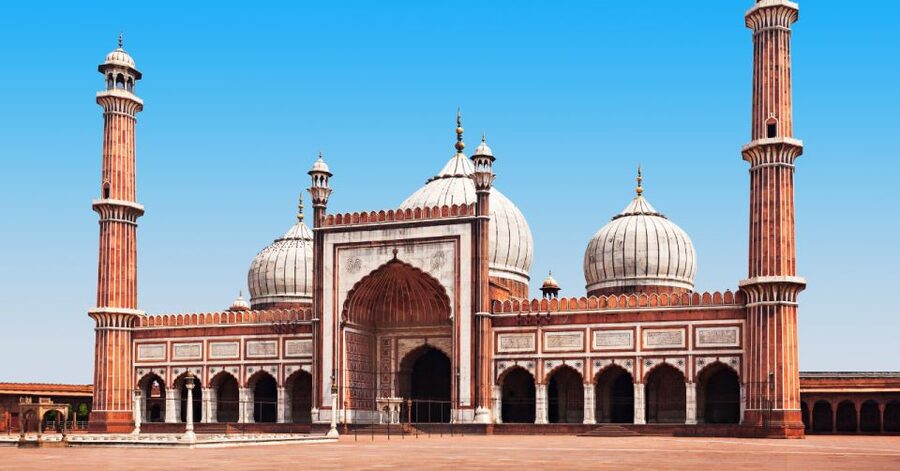
The Old Delhi portion supplies the day’s strongest contrast. Chandni Chowk is a dense maze of shops, food stalls, lanes, and people. Jama Masjid gives you a large historic mosque in the middle of this crowded district, while Khari Baoli brings the smells and colors of one of the area’s famous spice markets.
Agrasen ki Baoli is another welcome change. This historic stepwell is less grand than the Taj Mahal or a royal fort, but its underground flights of steps and compact setting make it an interesting stop between Delhi’s larger monuments.
A tuk-tuk ride may be included or arranged as part of the Old Delhi experience, depending on the selected option and the day’s plan. It adds a little fun and gets you through lanes where a private car is of little use. Ask your guide early about the exact plan so you know how much walking and local transport to expect.
Delhi is the day most likely to feel overloaded. If you care more about major monuments than a long list of stops, ask to protect time at Qutub Minar, Humayun’s Tomb, or Old Delhi. Guides such as Harshit Patel, Harsh Rajawat, and Kaushal received especially warm praise for clear explanations and calm handling of busy sights.
After sightseeing, you drive to Agra for the night. The private driver is valuable here, since you can leave when your Delhi visit ends rather than wait for other people.
Day 2: Taj Mahal at sunrise, then Agra’s Mughal monuments
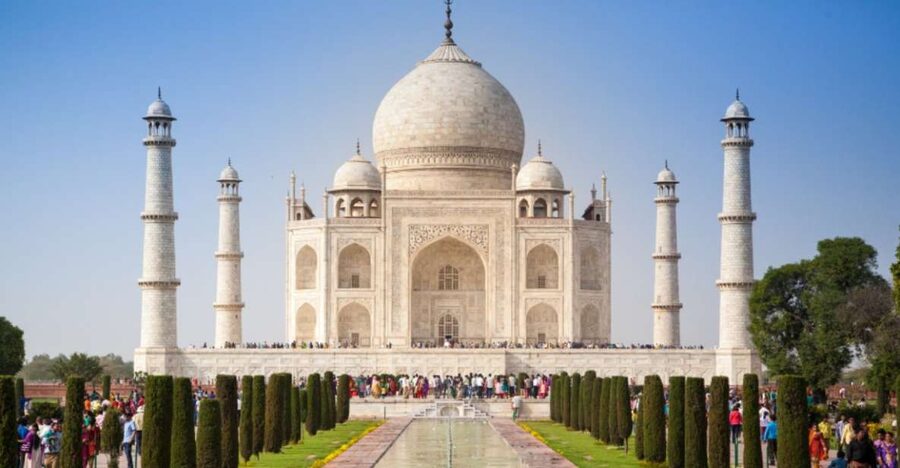
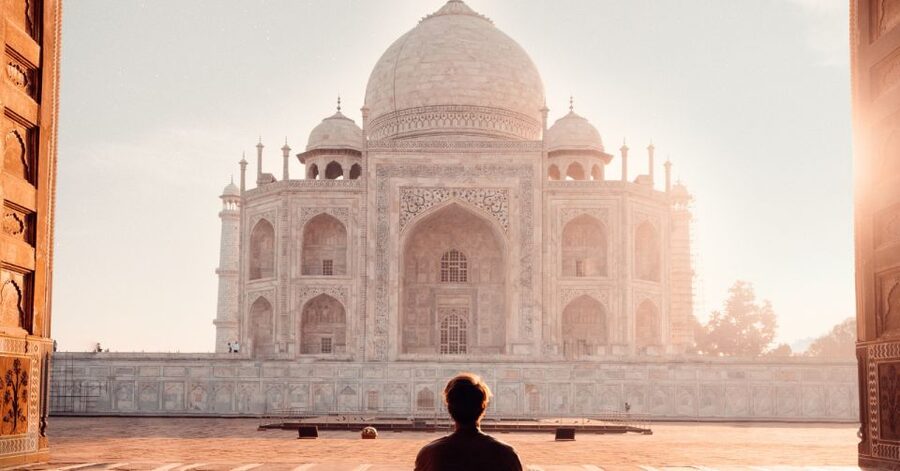
The early start is worth accepting. The Taj Mahal changes character with the morning light, and the sunrise visit gives you a quieter beginning than a late-morning arrival may provide. Fog is possible, particularly in cooler months, and it can limit the view, but the monument remains impressive even when the distant details fade.
Your Agra guide helps explain the building’s design, the Mughal period, and the story behind its construction. Several guides, including Vishal Garg, Sadiq, Amaan, Salim, and Azhar Uddin, were singled out for strong explanations, patience, and help with photographs. Sadiq was particularly valued for finding useful Taj Mahal photo angles, while Amaan and other guides were praised for taking pictures for couples and families.
Allow yourself a moment to look beyond the camera. The white marble, inlaid decoration, symmetry, and changing light are the point of the visit. The private format also lets you ask questions without holding up a group.
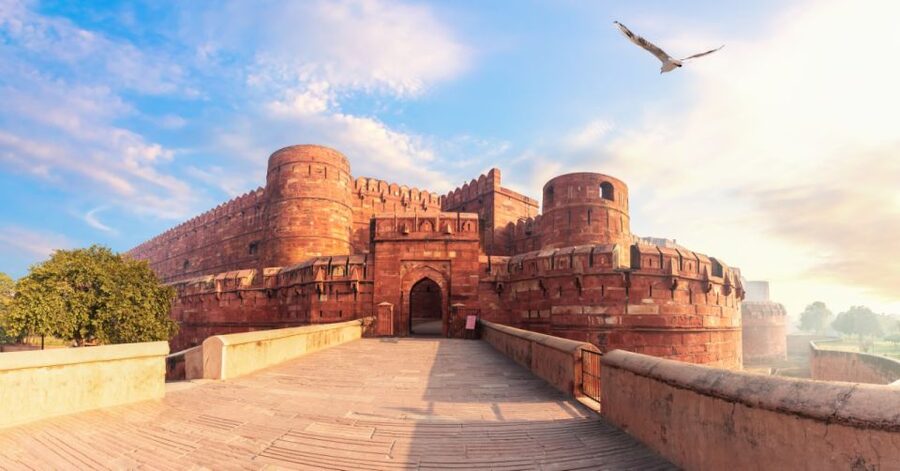
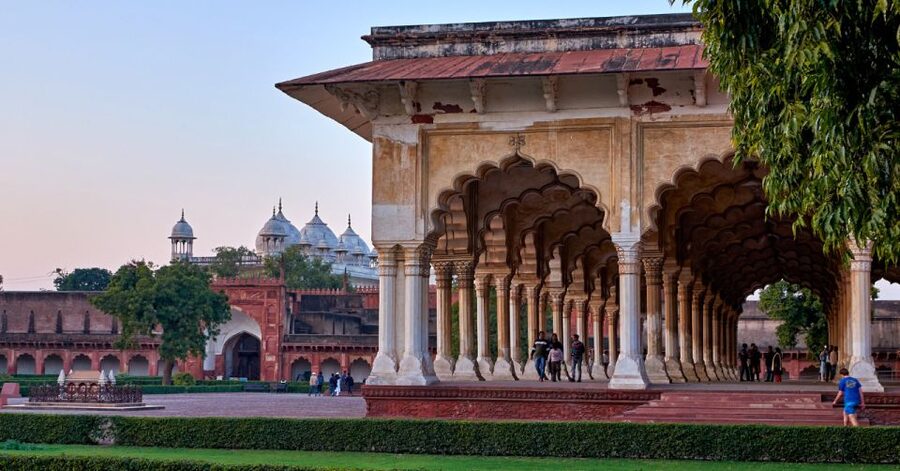
Next comes Agra Fort, a more substantial place for understanding royal life and power. Its massive walls and palace areas show a different side of Agra from the delicate Taj Mahal. If your guide connects the courtyards, audience spaces, and imperial story well, the two visits work together: one is a memorial in marble, the other a fortified royal center.
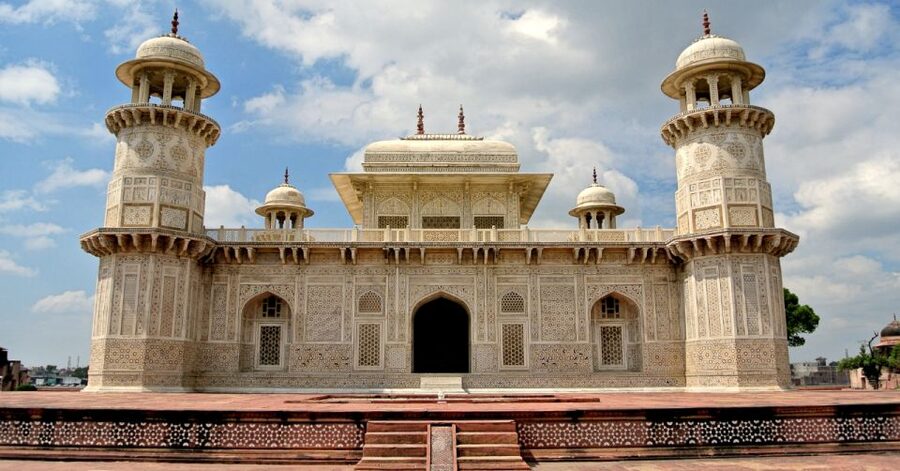
The Baby Taj, formally known as Itimad-ud-Daulah’s Tomb, is smaller and more detailed. It is a good companion to the Taj Mahal because you can focus on the fine decoration without the same scale or crowds. Do not expect another enormous monument. Its appeal is its intimate size and ornamental work.
You will have time for local food during the day. The tour does not set out a fixed restaurant or menu, so tell your guide what kind of meal you want and confirm prices before ordering. You may also be taken to local artisan shops. These can offer attractive craftwork, but prices may be high and the stops can feel sales-focused. If you are not shopping, say so plainly.
The drive to Jaipur follows the Agra sightseeing. This makes for a long day, but it avoids losing another morning to the road. You check into your Jaipur hotel for the night and have some time to rest before the next day’s fort and palace visits.
Day 3: Jaipur’s forts, palaces, and pink-city icons
Jaipur has a different feel from Delhi and Agra. The city’s sights are tied to Rajput rulers, planned streets, hill forts, royal residences, and scientific study. Your guide will likely be a Jaipur specialist for the day, with names such as Kishore Soni and Prajesh appearing among the guides praised for strong local explanations.
Jaigarh Fort is the first major stop listed for Jaipur. Its hilltop position gives you wide views and a sense of the defensive side of the city. The fort is less delicate than the palace buildings below, so wear practical shoes and be ready for walking on uneven surfaces.
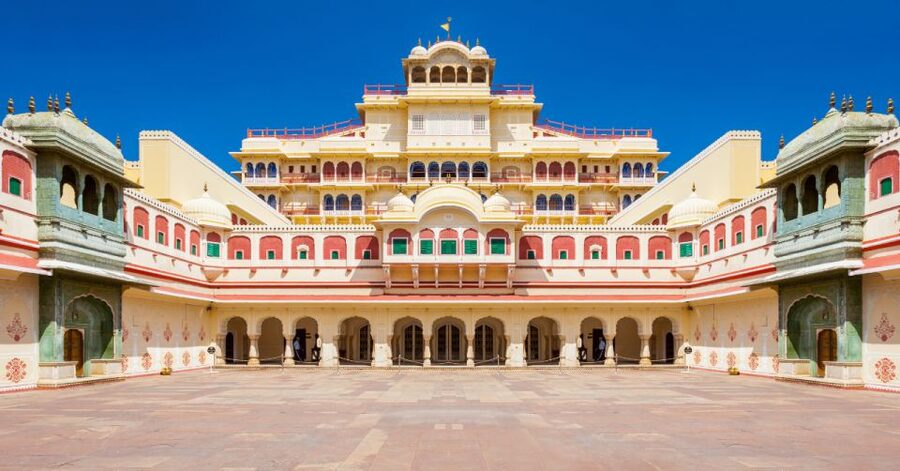
City Palace brings you into the royal center of Jaipur. Its courtyards, decorative details, and palace spaces provide a more refined counterpoint to Jaigarh. The visit works best when you take time to notice the craftsmanship rather than rushing from one photo stop to the next.
Jal Mahal is generally a viewing stop rather than a palace interior visit in this program. The water gives the building a striking setting, and it is a useful pause between larger sites. Hawa Mahal, with its many small windows and decorated facade, is another essential Jaipur photograph. Traffic and crowds can make the roadside view quick, so keep your camera ready.
Jantar Mantar is one of the day’s most unusual stops. This open-air observatory uses large instruments to track and calculate astronomical positions. It can look abstract at first, but a good guide turns the structures into practical tools rather than oddly shaped stone monuments.
Jaipur is the place to make your preferences known. If you care about architecture, ask for more explanation at City Palace. If you want photographs, tell your guide before the day begins. Guides such as Kishore Soni and Prajesh were praised for both clear historical context and finding good picture locations.
Rajasthani food adds another useful local layer. Ask what is suitable for your taste and confirm whether the meal is included or paid separately. The package includes daily breakfast, but other meals and entrance fees should not be assumed to be covered.
After Jaipur sightseeing, you return to your hotel. The evening is not described as a formal cultural show or planned nightlife, so treat it as rest time unless you arrange something through the tour company.
More Golden Triangle itineraries from New Delhi:
- 3-Days Private Golden Triangle Tour: Delhi, Agra & Jaipur by Car
★ 5.0 · 1,107 reviews - 3-Days Private Golden Triangle Tour: Delhi, Agra & Jaipur by Car
★ 5.0 · 1,098 reviews - 3-Day Delhi, Agra and Jaipur Private Tour – India Golden Triangle
★ 5.0 · 812 reviews - Four-Day Private Luxury Golden Triangle Tour to Agra and Jaipur From New Delhi
★ 5.0 · 807 reviews
Day 4: Choose your ending in Jaipur or Delhi
The final day gives you an important choice. You can finish in Jaipur, which suits a flight, train, or onward stay there. Or you can take the private car back to Delhi, useful if your international flight or next hotel is in the capital.
The return to Delhi is comfortable in a private vehicle, but it is still a long road transfer. If you choose this option, do not schedule a tight flight without allowing a generous buffer. Traffic and road conditions can change the journey time, and the tour does not promise a fixed arrival hour.
This is why some people see the experience as a three-day sightseeing tour with a fourth day for transport. That is not a flaw if you need the transfer, but it is worth understanding before booking. If you have more time, an extra Jaipur night or a slower multi-day plan would make the route easier on you.
The private car and driver are the real convenience
The driver is more than a person behind the wheel. On this route, you deal with city traffic, intercity roads, hotel arrivals, and several changes of location. A reliable driver lets you focus on the sights instead of arranging every transfer yourself.
Drivers named in the feedback include Sunder Singh, Bhupinder, Raja, Parminder, Dilbagh, and Gurudev Kamr. They were repeatedly praised for arriving early, driving safely, keeping the car clean, and helping with practical needs. One driver also helped when a travel bag broke and needed replacing, which shows the value of having one steady contact across the route.
The guides change by city or monument, rather than one guide staying with you for all four days. That can work well because Delhi, Agra, and Jaipur each need different local context. It can also mean uneven style from day to day. Some guides are lively and patient, while others may feel more basic, so use the customization option and communicate through WhatsApp if you need changes.
The tour is wheelchair accessible, but the sites themselves vary in surface, distance, and access. If you use a wheelchair, confirm the exact route and assistance for each monument before departure. The operator can customize the tour, but the supplied details do not promise identical access at every stop.
Hotels, room sharing, and what $147 really covers
Four-star or five-star hotels and daily breakfast are part of the package. That can be good value when you want the security of arranged accommodation rather than finding a new hotel in each city.
Hotel quality may not be perfectly even. Fairmont Jaipur and the Agra hotel listed by one booking were praised for comfort and service, while the Ramada Wyndham Jaipur was described as run down, with poor Wi-Fi and a standard below its advertised rating. Ask for the exact hotel names before you pay if hotel quality is a major part of your decision.
Rooms are normally twin-sharing. A booking for three people usually means a triple-sharing room. If three people want two rooms, an extra charge applies. Couples and solo bookers should check the room supplement and occupancy terms, since the $147 price may depend on shared accommodation.
The price is strongest for a small party that values private transport and convenience. It includes the backbone of the trip: car, driver, guide service, accommodation, and breakfast. It is less compelling if you plan to pay every attraction fee separately, skip guided touring, or are happy using trains and arranging hotels yourself.
Also watch the holiday surcharge. On December 24 and 31, hotel blackout rules require a gala dinner costing an additional $99 per person if you book accommodation for those dates. That is a large add-on compared with the advertised price.
Timing details that can change the route
The departure day matters. If you begin on a Thursday, the second day is scheduled in Jaipur rather than following the usual Delhi to Agra order. Check the exact sequence at booking, especially if the Taj Mahal sunrise is the main reason you are taking the tour.
Bring your passport or ID card. Pickup and drop-off can be arranged anywhere in the listed Delhi NCR areas, including airports and railway stations, which makes the tour practical at the start or end of a wider India itinerary.
Cancellation is flexible up to 24 hours before departure for a full refund, and you can reserve now and pay later. Availability determines starting times, so check the calendar rather than assuming a preferred departure hour.
Guiding is available in English, Hindi, Spanish, German, French, Italian, Russian, Japanese, and Chinese. Since different city guides may be assigned, confirm your preferred language in advance.
Who should book this Golden Triangle tour?
I would recommend it to a first-time visitor who wants the essential monuments without handling India’s transport alone. It also suits families, couples, older visitors, and small groups who value a private driver and the ability to adjust the day.
It is a good fit for anyone who wants the Taj Mahal at sunrise, since that timing is built into the route. The guides are also a major part of the value, especially at Agra, where Vishal Garg, Sadiq, Amaan, and others were praised for history, patience, and photographs.
I would hesitate if you dislike early starts, long drives, or shopping stops. I would also compare the total cost if you are traveling alone and willing to arrange budget hotels, trains, and monument tickets independently.
Should you book it?
Book this tour if you want a well-supported first visit to Delhi, Agra, and Jaipur and prefer a private car to sorting out every road journey yourself. The best features are the Taj Mahal sunrise, local guides, flexible pickup, and a driver who stays with you through the route.
Before booking, confirm the hotel in Jaipur, the attraction fees, room arrangement, holiday surcharges, and the exact plan if your start date is Thursday. If those details suit you, $147 per person can be a fair price for a fast, comfortable introduction to the Golden Triangle. If you have an extra day, use it to slow down Jaipur or Agra rather than adding more sights.
FAQ
What cities does the four-day tour visit?
The standard route visits Delhi, Agra, and Jaipur. The schedule includes Delhi sightseeing on Day 1, Agra on Day 2, Jaipur on Day 3, and a Jaipur finish or return to Delhi on Day 4.
Is pickup included?
Yes. Pickup and drop-off are available from hotels, airports, train stations, and private residences in Delhi, Noida, Gurugram, Ghaziabad, and Faridabad.
Is the Taj Mahal visited at sunrise?
Yes. Day 2 begins with a sunrise visit to the Taj Mahal, followed by Agra Fort and the Baby Taj.
What hotels are included?
The tour includes stays in selected four-star or five-star hotels, with daily breakfast. Hotel quality and the exact property can vary, so confirm the hotel name before booking.
Are rooms private?
Rooms are generally arranged on a twin-sharing basis. A booking for three people normally receives a triple-sharing room. Two rooms for three people require an additional charge.
Are monument entrance fees included?
The supplied tour details do not clearly include monument entrance fees. Practical booking information indicates that attraction tickets are paid on arrival, so confirm the current ticket arrangement and prices before departure.
Can the itinerary be customized?
Yes. The tour can be customized to suit your requirements. You should discuss preferred sights, shopping stops, meal needs, and pacing with the operator before the tour begins.
What happens if the tour starts on a Thursday?
If you start on a Thursday, the second day is scheduled in Jaipur. Confirm the exact route and Taj Mahal timing before booking if sunrise at Agra is essential to your plans.
Is the tour wheelchair accessible?
Yes, the activity is listed as wheelchair accessible. Since access conditions can differ between individual monuments, confirm the planned routes and assistance needs with the operator.
Just added around New Delhi
- Delhi: All-Inclusive Full or Half Day Tour With Hotel Pickup★ 5.0 · 3 reviews
- From Delhi : All Inclusive Taj Mahal Tour by Gatimaan Express★ 5.0 · 3 reviews
- Skip the line: Taj Mahal Agra Private Day Trip From Delhi By Car★ 5.0 · 3 reviews
- Delhi: Old and New Delhi One Day Private Guided City Tour★ 5.0 · 3 reviews
- New Delhi Night City Tour★ 5.0 · 3 reviews
- Old Delhi Half day private city tour★ 5.0 · 3 reviews
- A full-day tour of Old & New Delhi Monument Express Entry★ 5.0 · 3 reviews
- Sultanpur Bird Sanctuary Tour Near Delhi★ 5.0 · 3 reviews
Golden Triangle Tours, compared.
3-Days Private Golden Triangle Tour: Delhi, Agra & Jaipur by Car
Read our review →3-Days Private Golden Triangle Tour: Delhi, Agra & Jaipur by Car
Read our review →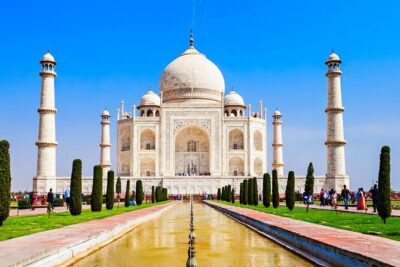
3-Day Delhi, Agra and Jaipur Private Tour – India Golden Triangle
Read our review →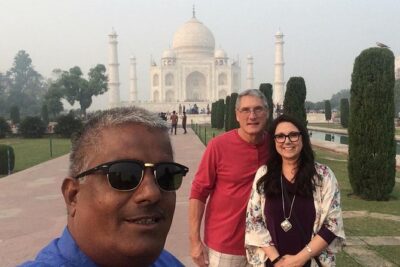
Four-Day Private Luxury Golden Triangle Tour to Agra and Jaipur From New Delhi
Read our review →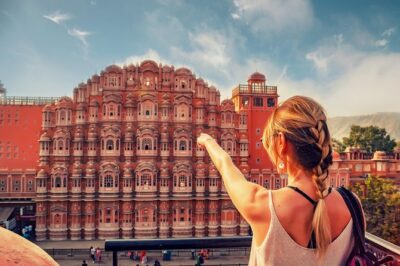
Jaipur Day Trip from Delhi by Car or Train – All Inclusive
Read our review →
Jaipur City Private Day Tour from Delhi by Car – All Inclusive
Read our review →
5 Nights 6 Days Private Golden Triangle Tour – Delhi Agra Jaipur
Read our review →