Reviewed · GOLDEN TRIANGLE TOURS
4-Days Private Luxury Golden Triangle Tour Agra Jaipur New Delhi
Delhi’s Qutub Minar, the Taj Mahal at sunrise, and Jaipur’s hilltop Amber Fort give this four-day Golden Triangle tour a strong first taste of northern India. A private car and separate local guides keep the schedule practical, especially when Delhi traffic and long road transfers would otherwise be hard to manage.
I like the door-to-door pickup and the chance to add hotels and breakfast in one booking. I also like the mix of headline sights and smaller stops such as Agrasen Ki Baoli and Galtaji Temple. The catch is the pace: you cover three cities quickly, and monument tickets, lunches, dinners, and tips cost extra.
In This Review
- Key points at a glance
- Is four days enough for India’s Golden Triangle?
- Delhi’s grand monuments, step wells, and Old City lanes
- Agra’s sunrise Taj Mahal and Mughal masterpieces
- Jaipur’s forts, palaces, astronomy, and pink sandstone
- Jaipur’s white marble temple and Monkey Temple
- What the private car and guides add
- Hotels, meals, tickets, and the real cost
- Who should book this four-day route?
- Final verdict: a strong introduction, with one key booking check
- FAQ
- Is the tour private?
- Where can pickup take place?
- Does the tour include hotels?
- Are monument entrance fees included?
- Are meals included?
- What type of transport is provided?
- Is the Taj Mahal battery bus included?
- What language does the guide speak?
- How are hotel rooms arranged?
- Can I cancel for a full refund?
Key points at a glance
- Sunrise at the Taj Mahal: You reach Agra early for a guided visit of about two hours, with a battery bus connecting the parking area to the monument.
- Private transport throughout: An air-conditioned car, driver, fuel, parking, and bottled water are included.
- Three cities in four days: Delhi, Agra, and Jaipur are linked by road, with the Yamuna Expressway helping on the Delhi to Agra leg.
- Jaipur gets a full sightseeing day: Amber Fort, City Palace, Jantar Mantar, Hawa Mahal, Royal Gaitor, and more are included.
- Hotels are optional: Choose the package with three nights and three breakfasts, or arrange your own accommodation.
- Budget for extras: Monument admission is listed at about $90 per person across the tour, with food and tips also separate.
Is four days enough for India’s Golden Triangle?
Four days is enough to see the famous sights, but not enough for a relaxed study of each city. This is a sightseeing sprint, useful if you have limited time in India and want a private setup rather than figuring out trains, taxis, hotels, and guides on your own.
The route is logical. You begin in Delhi, drive to Agra, continue to Jaipur, and spend the final morning around Jaipur’s temples. The private car matters here because the road portions are long and the schedule changes with traffic. You can leave luggage in the vehicle while touring, though you should keep valuables with you.
The advertised price of $173.07 per person looks attractive, but read the inclusions carefully. That figure may depend on your room and transport selection, and the hotel option changes the total. Add roughly $90 for monument tickets, then allow for meals and tips. At the right price, the tour offers good value for a private car, driver, local guides, parking, fuel, water, and hotel transfers.
A current rating of 4.9 from 54 reviews, with 98 percent recommending the experience, points to strong satisfaction. The most useful praise centers on customer service, the driver, local guides, and hotel arrangements. One booking issue was caught before the trip, which suggests the operator pays attention to dates and details. Still, confirm your start and finish point, hotel category, and final price before paying.
More Agra and Fatehpur Sikri days:
- Same Day Taj Mahal, Agra Fort & Baby Taj Tour from Delhi by Car
★ 5.0 · 4,304 reviews - Full Day Taj Mahal, Agra Fort & Baby Taj Tour from Delhi by Car
★ 5.0 · 3,647 reviews - From Delhi: Taj Mahal & Agra Private Day Trip with Transfers
★ 4.9 · 3,181 reviews
Delhi’s grand monuments, step wells, and Old City lanes
Your first day packs in a great deal of Delhi. Qutub Minar is the major historical stop, a 73-metre, five-storey tower begun by Qutub-ud-din Aibak in 1193. You have about an hour there, enough to see the tower and surrounding complex with a guide explaining its place in the Delhi Sultanate.
Admission is not included, so keep the extra fee in mind. The site is best appreciated with context because the tower is more than a tall photo stop. Its design is linked to the Minaret of Jam, and the surrounding ruins help you understand how old Delhi’s political center changed over time.
The Lotus Temple provides a sharp change of mood. Its white, flower-shaped design opened in 1986, and the temple welcomes people of all religions. You have 30 minutes here, with free admission, so expect a brief architectural visit rather than a long religious program.
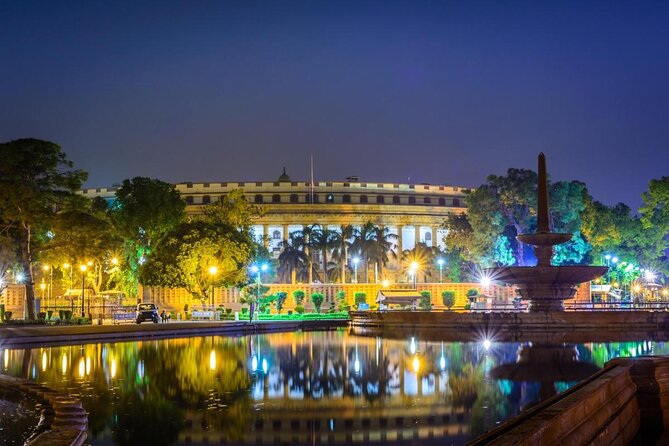
India Gate follows with another quick stop. This war memorial honors soldiers of British India who died in the wars, and the broad setting near Rajpath gives you a recognizable Delhi photograph. Parliament House is a five-minute exterior stop, useful for seeing the circular Sansad Bhavan from the road, but too short for a detailed visit.
In Old Delhi, Jama Masjid receives about an hour. Built by Mughal emperor Shah Jahan between 1650 and 1656, it is one of India’s largest mosques. Admission is not included, and modest clothing is sensible at a religious site. Your guide can help with the entry process and explain what you are seeing.
Agrasen Ki Baoli is one of the day’s more unusual stops. This protected step well is about 60 metres long and 15 metres wide, with descending stairs that show how water shaped daily life in older Delhi. You only have 15 minutes, but that is enough for a quick look and photographs.
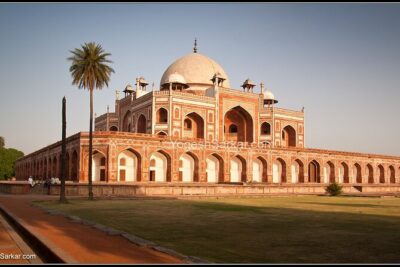
Humayun’s Tomb deserves more time, about an hour. Commissioned in 1558 by Empress Bega Begum for her husband, Mughal emperor Humayun, it is an important early Mughal tomb complex. The guide adds real value here, since the gardens, structure, and later influence are easier to appreciate with explanation.
Chandni Chowk is not a polished sightseeing district. It is a working market area filled with spices, dried fruit, silver jewelry, saris, oils, and narrow lanes. You have an hour to see it, but the traffic and crowds can make the visit feel intense. Stay close to your guide and treat it as a short introduction to Old Delhi rather than a serious shopping expedition.
Lunch is not included, and the timing is flexible. Afterward, you take the Yamuna Expressway toward Agra, with the transfer listed at about three hours. Traffic can change that estimate, so do not schedule an important independent activity for the evening.
Agra’s sunrise Taj Mahal and Mughal masterpieces
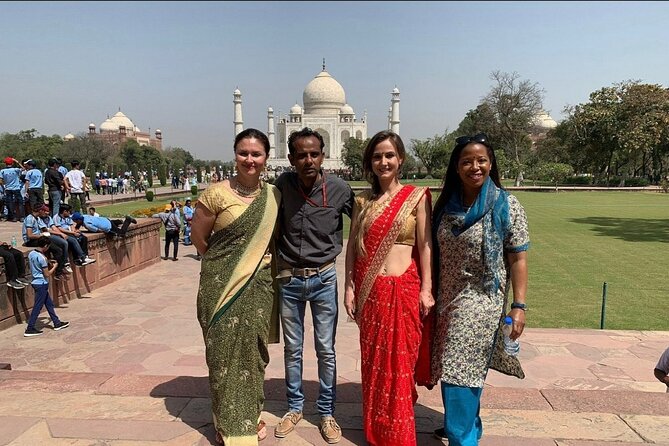
You begin the Agra day before breakfast, watching the sun rise over the Taj Mahal. The guided visit lasts about two hours and includes the interior. The early timing is the right choice: it gives you the best chance of cooler conditions and softer light, though the exact experience depends on opening procedures and the day’s traffic.
The Taj Mahal was built by Shah Jahan in 1630 as a tomb for his beloved wife. Your guide provides the story and directs you through the monument, while the included battery bus handles the connection from the parking area to the Taj Mahal site. The monument ticket is extra, and your guide helps you buy entrance fees so you do not have to wait in the ticket line yourself.
Agra Fort follows for about an hour. Its palaces, balconies, and gardens reveal the imperial side of Mughal power, and the fort works well as a companion to the Taj Mahal. The Taj is about memory and devotion; Agra Fort helps you picture the rulers, court life, and control behind the empire.
Itmad-ud-Daula, often called the Baby Taj, is a 30-minute stop. This Mughal mausoleum has gardens and smaller buildings around the main tomb. It is another paid entry, but the shorter visit keeps the morning moving.
The road to Jaipur includes Chand Baori, an enormous step well with 3,500 steps dating from the eighth or ninth century. You have about 30 minutes there, which is enough to look over the geometric stair pattern and understand the scale. You will not walk every stair in that time, and the stop is best treated as a visual pause on a long transfer.
The drive from Agra to Jaipur is listed at about five hours, so this is the day when the private car earns its keep. You arrive in Jaipur, check into the hotel if that option is included, and have the evening at leisure. Do not mistake that final transfer for sightseeing time. It is a substantial road journey.
Jaipur’s forts, palaces, astronomy, and pink sandstone
Jaipur receives the most detailed sightseeing schedule. After breakfast, you visit Panna Meena ka Kund, a step well near Amber Fort. The stop lasts only 15 minutes, but it is a useful lead-in to Jaipur’s older water systems and a good place for a quick photograph.
Amber Fort gets about two hours and is the day’s main historical visit. The fort served as the capital of Rajasthan until 1728, and your guide takes you through its palaces, squares, and monuments. Because the complex is spread over a hill, wear practical shoes and expect walking. The itinerary does not promise an elephant ride or another special transport option, so do not assume either is part of the tour.
At Jal Mahal, you stop for about 15 minutes to photograph the palace set in Man Sagar Lake. It is mainly a viewpoint rather than an interior visit. The brief pause works well after Amber Fort, but do not expect a long stop inside the palace.
The City Palace provides an hour of sightseeing and requires a separate ticket. It was built in 1721 as the administrative and ceremonial seat of Jaipur’s maharaja. The complex gives you a different view of the city from Amber Fort, moving from hilltop defense to royal administration.
Jantar Mantar is another paid attraction, with about an hour allotted. Built in 1734 by Sawai Jai Singh II, the founder of Jaipur, it contains 19 large astronomical instruments. This is one place where a guide is particularly useful. Without an explanation, the structures can look like abstract stone forms. With context, you see how they measured time and tracked the sky.
Hawa Mahal is a 15-minute stop, mainly for the exterior. Its five-storey pink and red sandstone facade is one of Jaipur’s defining images. The short visit is fine for photographs, but you will not have time for a careful interior tour.
Albert Hall Museum receives only 15 minutes and has a separate admission fee. Since it is the oldest museum in Rajasthan and serves as the state museum, that timing is more of a quick look than a museum visit. If you enjoy collections, this is the stop most likely to leave you wishing for more time.
Patrika Gate is another brief photography stop at Jawahar Circle. Its ornate series of gates makes a colorful backdrop, but the 15-minute allocation tells you exactly what to expect: a quick exterior visit.
Royal Gaitor Tumbas closes the day with about an hour. The 18th-century complex has detailed carvings and temple structures linked to Jaipur’s royal family. It is less immediately famous than Hawa Mahal, which makes it a worthwhile addition for anyone who wants more than the standard postcard stops.
More Golden Triangle itineraries from New Delhi:
- 3-Days Private Golden Triangle Tour: Delhi, Agra & Jaipur by Car
★ 5.0 · 1,107 reviews - 3-Days Private Golden Triangle Tour: Delhi, Agra & Jaipur by Car
★ 5.0 · 1,098 reviews - 3-Day Delhi, Agra and Jaipur Private Tour – India Golden Triangle
★ 5.0 · 812 reviews - Four-Day Private Luxury Golden Triangle Tour to Agra and Jaipur From New Delhi
★ 5.0 · 807 reviews
Jaipur’s white marble temple and Monkey Temple
The final morning includes Birla Mandir and Galtaji Temple. Birla Mandir is a white marble temple dedicated to Lord Vishnu, known for its fine latticework. You have 30 minutes, and admission is free, so this is a manageable introduction to the temple without taking over the morning.
Galtaji Temple, also called the Monkey Temple, takes another 30 minutes. The complex includes three sacred pools and is known for its monkeys. The name gives you a fair warning: keep food and loose belongings secure, and follow your guide’s instructions around the animals.
The supplied schedule does not include a return drive to Delhi on Day 4, nor does it clearly state whether the final drop-off is in Jaipur or back at the original Delhi meeting point. The meeting information says the activity ends back at the meeting point, while the itinerary finishes in Jaipur. Confirm this before booking, especially if you have a flight or train afterward.
What the private car and guides add
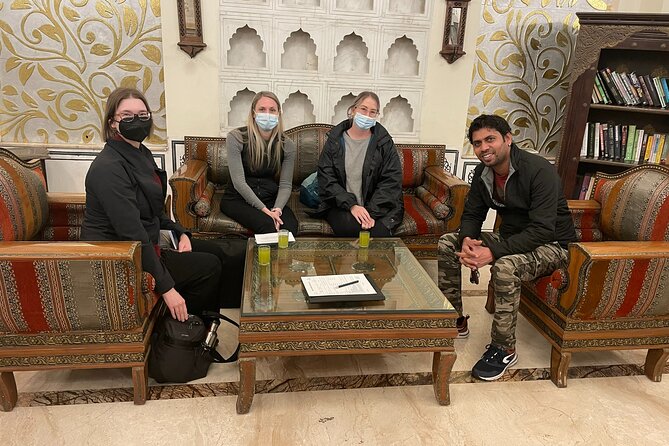
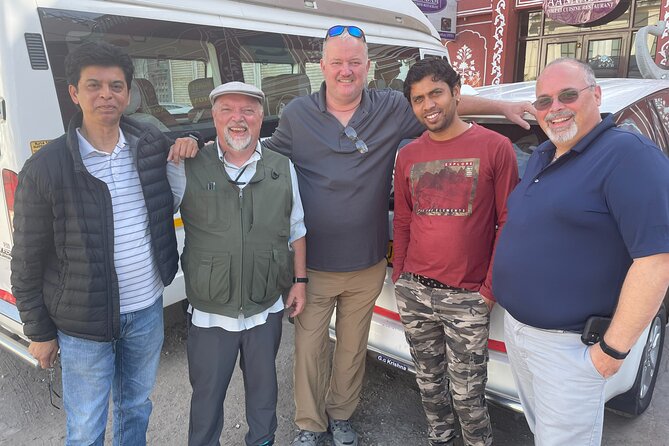
The tour uses a private, air-conditioned vehicle with a driver for your group alone. Pickup is available from an airport, railway station, hotel, or other location in Delhi, Noida, and Gurugram. Fuel, parking, taxes, and bottled mineral water are included, which removes several small but irritating costs.
Local guides are provided for sightseeing, with English as the standard language. Another language may be requested when booking. The division of labor is sensible: your driver handles the long road sections, while a local guide explains each city and helps with monument tickets.
The most important practical benefit is not luxury in the grand hotel sense. It is control. You do not have to search for a taxi after arriving at a fort, negotiate every transfer, or carry your luggage through several train stations. The trade-off is that the schedule remains full and road time can be tiring.
The operator states that drivers and guides are fully vaccinated. Rooms are generally twin-sharing. Three people normally share one room, while two rooms for three people require an extra charge.
Hotels, meals, tickets, and the real cost
The hotel upgrade includes three nights and three breakfasts. The package without hotels may suit you if you already have accommodation or want to choose your own places. If you select the hotel option, ask what hotel category and room arrangement apply before booking.
Lunch and dinner are not included. That gives you freedom, but it also means you should budget for meals on the road and in each city. Tips for the driver and guides are separate, as are laundry and personal expenses.
Monument admission is the biggest added cost, listed at about $90 per person for all cities. Since many major sites charge separately, this is not a minor detail. Your guide can help you purchase the tickets, saving time, but you still pay the fees.
At $173.07 per person before those extras, the experience is best judged as a private transport and guiding package, not an all-inclusive holiday. For a solo visitor or pair, the price may be worthwhile because the car, driver, and guides cover a lot of ground. A larger group can improve the per-person value, especially if everyone is comfortable with the listed room arrangement.
Who should book this four-day route?
I would choose this tour if you want the Golden Triangle’s major sights without planning every transfer yourself. It suits first-time visitors, families who value door-to-door transport, and anyone arriving in Delhi by air or rail and wanting a clear route through Agra and Jaipur.
It also suits people who prefer private guiding to a large coach. You can ask questions, move at your group’s pace within the schedule, and avoid waiting for strangers. The 4.9 rating and 98 percent recommendation figure support the company’s reputation for service, while the strongest praise concerns the driver, guides, hotels, and prompt handling of a booking-date mistake.
I would hesitate if you dislike early mornings, long drives, or tightly packed sightseeing. The route covers a lot, but several stops last only 15 minutes. Museum lovers and people who want slow market visits will find the schedule too brisk.
Final verdict: a strong introduction, with one key booking check
Book this tour if convenience and coverage matter more to you than an unhurried pace. The Taj Mahal at sunrise, Agra Fort, Amber Fort, and Jaipur’s major monuments give you a serious first look at northern India, while the private vehicle makes the difficult connections manageable.
Before you commit, confirm three things: the exact hotel package, the final monument-ticket total, and the Day 4 drop-off location. If those details suit your plans, this is a practical and well-supported way to see the Golden Triangle in four demanding but rewarding days.
FAQ
Is the tour private?
Yes. Only your group participates in the private activity.
Where can pickup take place?
Pickup is offered from Indira Gandhi International Airport, railway stations, hotels, or another pickup location in Delhi, Noida, and Gurugram.
Does the tour include hotels?
Hotels are included only if you choose the package with accommodation. That option provides three nights and three breakfasts.
Are monument entrance fees included?
No. Admission fees are separate and are listed at about $90 per person for monuments in all cities.
Are meals included?
Three breakfasts are included with the hotel option. Lunch and dinner are not included.
What type of transport is provided?
You travel by private, air-conditioned car with a driver. Fuel, parking, taxes, and bottled mineral water during journeys are included.
Is the Taj Mahal battery bus included?
Yes. A battery bus ride to and from the Taj Mahal parking area is included.
What language does the guide speak?
The standard guide language is English. You can request another language in the special requirements when booking.
How are hotel rooms arranged?
Rooms are generally arranged on a twin-sharing basis. A booking for three people normally receives a triple-sharing room. Two rooms for three people require an additional charge.
Can I cancel for a full refund?
Yes, if you cancel at least 24 hours before the experience start time. Cancellations or changes made less than 24 hours in advance are not accepted for a refund.
Just added around New Delhi
- Delhi: All-Inclusive Full or Half Day Tour With Hotel Pickup★ 5.0 · 3 reviews
- From Delhi : All Inclusive Taj Mahal Tour by Gatimaan Express★ 5.0 · 3 reviews
- Skip the line: Taj Mahal Agra Private Day Trip From Delhi By Car★ 5.0 · 3 reviews
- Delhi: Old and New Delhi One Day Private Guided City Tour★ 5.0 · 3 reviews
- New Delhi Night City Tour★ 5.0 · 3 reviews
- Old Delhi Half day private city tour★ 5.0 · 3 reviews
- A full-day tour of Old & New Delhi Monument Express Entry★ 5.0 · 3 reviews
- Sultanpur Bird Sanctuary Tour Near Delhi★ 5.0 · 3 reviews
Golden Triangle Tours, compared.
3-Days Private Golden Triangle Tour: Delhi, Agra & Jaipur by Car
Read our review →3-Days Private Golden Triangle Tour: Delhi, Agra & Jaipur by Car
Read our review →
3-Day Delhi, Agra and Jaipur Private Tour – India Golden Triangle
Read our review →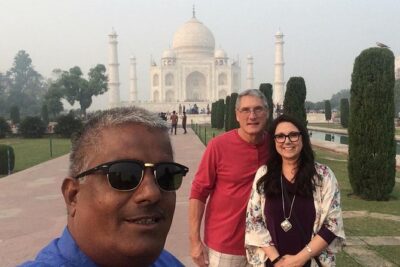
Four-Day Private Luxury Golden Triangle Tour to Agra and Jaipur From New Delhi
Read our review →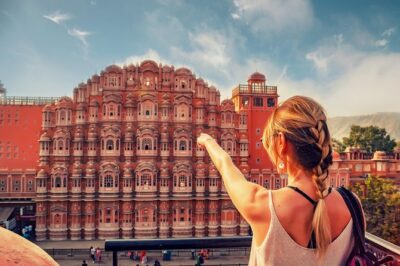
Jaipur Day Trip from Delhi by Car or Train – All Inclusive
Read our review →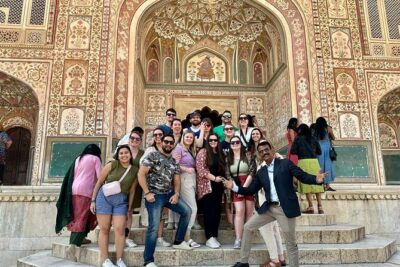
Jaipur City Private Day Tour from Delhi by Car – All Inclusive
Read our review →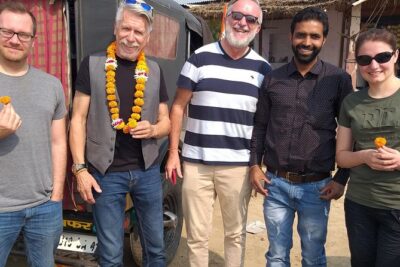
5 Nights 6 Days Private Golden Triangle Tour – Delhi Agra Jaipur
Read our review →