
Reviewed · TAJ MAHAL TOURS
5-Day Golden Triangle Tour with Cultural Heritage-Taj & More
The Taj Mahal may be the headline, but this five-day route gives you the bigger story: Delhi’s religious and imperial landmarks, Agra’s Mughal monuments, and Jaipur’s Rajput forts and palaces. You move through three very different cities without having to arrange each transfer yourself.
I like the private air-conditioned car and the chance to set the pace with your own group. I also like the strong guide element. Ali, Aman, Raj, and Mehraj are among the guides associated with this experience, and the feedback repeatedly highlights clear explanations, patience, and careful attention.
The main drawback is the pace. This is a packed five-day circuit, and long road transfers are part of the deal. Accommodation, meals, and drinks beyond the supplied water and snacks are also yours to arrange.
In This Review
- Key points to know before booking
- Why this Golden Triangle route works
- Delhi begins with prayer, spices, and grand memorials
- The Taj Mahal deserves unhurried attention
- Fatehpur Sikri shows Akbar’s ambitious royal city
- Jaipur begins with defense and royal leisure
- Jaipur’s palaces and instruments tell a fuller story
- The final drive and what is included
- Guides, comfort, and the pace of the road
- Who should book this five-day Golden Triangle tour
- Should you book it?
- FAQ
- How long is the Golden Triangle tour?
- Is this a private tour?
- Is pickup available?
- Are hotels included?
- Are meals included?
- Is the Taj Mahal entry included?
- Can the tour end at Jaipur Airport?
- What is the cancellation policy?
Key points to know before booking
- The Taj Mahal gets a full two-hour visit, with Agra Fort and Fatehpur Sikri adding important Mughal context.
- Delhi sightseeing begins with spiritual and local life, including Gurudwara Bangla Sahib and Khari Baoli spice market.
- Jaipur gets two sightseeing days, covering Jaigarh Fort, City Palace, Jantar Mantar, Hawa Mahal, Jal Mahal, and Chokhi Dhani.
- Your group has a private vehicle and guide, rather than joining a large shared coach.
- The $325 price covers transport, listed entry fees, taxes, water, and snacks, but not hotels or meals.
- You can finish in Delhi or at Jaipur Airport, which helps if your onward flight fits the plan.
Why this Golden Triangle route works
India’s Golden Triangle links New Delhi, Agra, and Jaipur in a compact arc. Each city offers a different chapter. Delhi gives you sacred spaces, colonial-era symbols, and Mughal architecture. Agra focuses on imperial power and the Taj Mahal. Jaipur shifts to Rajput defense, court life, astronomy, and performance.
This tour is useful because it joins those places into one private trip. You are not simply checking off the Taj Mahal. You are seeing how Mughal design influenced later buildings, how royal capitals were planned, and how modern India lives around these monuments.
The private setup matters. You can ask questions without competing with a busload of people, and your guide can spend more time on the areas that interest you. The vehicle also gives you a cool place to rest between sites, though you should not mistake private transport for a short-distance tour. Delhi, Agra, and Jaipur are spread out, and road time can be tiring.
More ways to see the Taj Mahal:
- Same Day Taj Mahal, Agra Fort & Baby Taj Tour from Delhi by Car
★ 5.0 · 4,304 reviews - Taj Mahal Day Tour from Delhi by Superfast Train – TOP RATED TOUR
★ 5.0 · 4,166 reviews - Full Day Taj Mahal, Agra Fort & Baby Taj Tour from Delhi by Car
★ 5.0 · 3,647 reviews
Delhi begins with prayer, spices, and grand memorials
The first day starts at Gurudwara Bangla Sahib, a Sikh place of worship in central Delhi. It was built in memory of Guru Har Krishan and is known for its calm setting and tradition of service. You should dress respectfully and follow the guide’s instructions about entering the religious areas.
This is a good opening stop because it brings you into contact with a living faith, not just a historic building. The scheduled 30 minutes is enough for an introduction, though it is not a long visit.
Next comes Khari Baoli, Asia’s largest spice market. The half-hour stop is brief, but the setting is memorable. You can expect sacks, shopfronts, strong aromas, and the practical energy of a working market rather than a polished attraction.
Keep your expectations realistic. Thirty minutes does not allow for a slow market walk or extensive shopping. It does give you a quick look at one of Old Delhi’s most distinctive commercial areas. Ask your guide about the spices and the market’s role in the city before moving on.
India Gate provides a short photo and orientation stop. This war memorial honors Indian soldiers who died during World War I. With only 15 minutes scheduled, you will not study every detail, but the stop helps you understand New Delhi’s broad avenues and civic center.
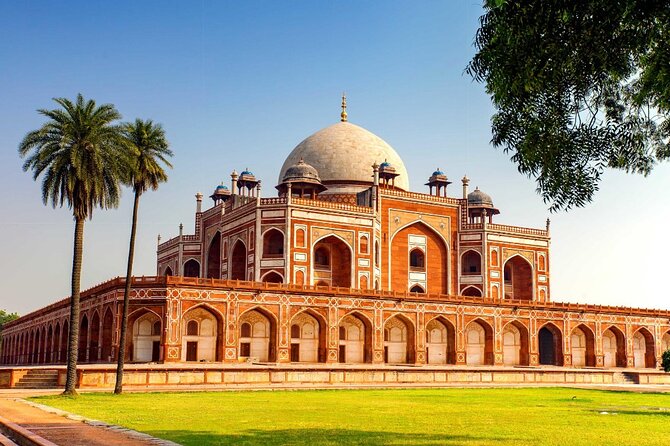
Humayun’s Tomb is the most substantial Delhi visit, with about an hour planned. This UNESCO World Heritage site is a major Mughal mausoleum, built in the 16th century by the emperor’s widow. Its Persian and Mughal design gives you useful preparation for the Taj Mahal, especially in the use of formal gardens, symmetry, and pale stone.
I would pay close attention here rather than treating it as a warm-up. The building has its own character, and the site offers a quieter way to understand the design ideas that later reached their most famous expression in Agra.
The Lotus Temple follows with 30 minutes. Its flower-shaped form is open to people of all faiths and is intended as a place of quiet reflection. The visit adds a modern spiritual note after the older Mughal sites.
The day then continues to Agra, with about four hours listed for the transfer and arrival period. That is a long first day, especially after several Delhi stops. The reward is waking near the Taj Mahal rather than making an exhausting same-day return to Delhi.
The Taj Mahal deserves unhurried attention
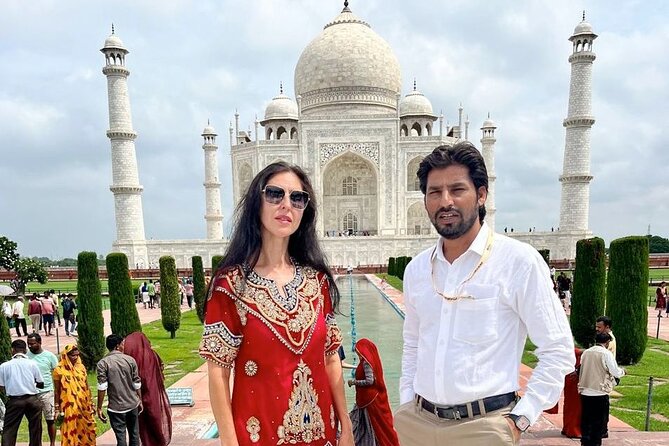
Day two begins with the Taj Mahal, and the scheduled two hours is a sensible amount of time. The monument was commissioned by Mughal emperor Shah Jahan in memory of his wife Mumtaz Mahal. Its white marble, balanced design, carved details, and changing light explain why it has become one of the world’s most recognized buildings.
Your guide can add the human and political background that photographs cannot provide. Take time to look beyond the main facade. The surrounding gardens, reflecting pools, gateways, and river-facing side all contribute to the effect.
The Taj is also the busiest and most emotionally anticipated part of the route. A private guide may help you move through the visit with less confusion, but the site will still have crowds and formal entry procedures. Do not plan to race through it just to reach the next stop.
Agra Fort follows for about an hour. This red sandstone complex was both a military stronghold and an imperial residence. Its courtyards, halls, and views toward the Taj Mahal show the harder side of Mughal rule: administration, defense, court ceremony, and family power.
The fort gives the Taj Mahal a useful frame. One building expresses mourning and refinement, while the other reveals the machinery of empire. A guide who explains the people connected with its rooms can make this stop much more meaningful than a quick walk through red walls.
Fatehpur Sikri shows Akbar’s ambitious royal city
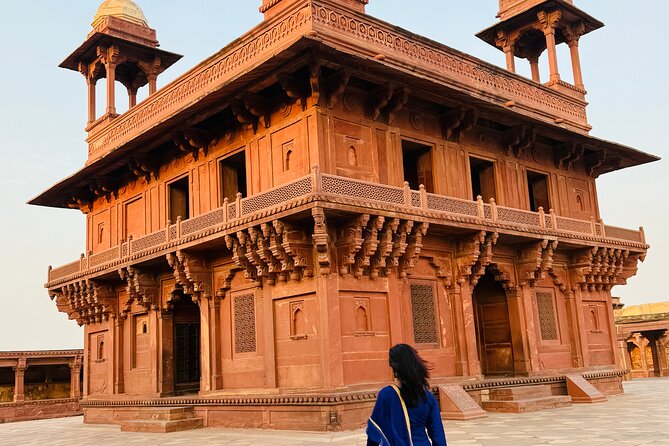
Fatehpur Sikri takes about two hours and is one of the most valuable stops on the entire circuit. Emperor Akbar built this red sandstone city as an imperial center, and its courtyards and arches reflect his interest in power, faith, and court life.
The site is spread out and can feel exposed, so comfortable clothing and sensible footwear will help. Your guide’s role matters greatly here. The buildings can look like a series of courtyards unless someone explains how the spaces worked and why Akbar chose this location.
Raj is one guide associated with visits to Fatehpur Sikri, and the feedback connected with him emphasizes patient answers and strong storytelling. That is precisely what this place needs. You should feel free to ask about the city’s planning, religious buildings, and the reasons it ceased to serve as the main imperial capital.
After Fatehpur Sikri, the route continues to Jaipur. Another four-hour period is listed for the journey and arrival. This is the second demanding transfer in as many days, but it also means you reach Jaipur with two sightseeing days ahead instead of trying to cover the Pink City in a single rush.
More Golden Triangle itineraries from New Delhi:
- 3-Days Private Golden Triangle Tour: Delhi, Agra & Jaipur by Car
★ 5.0 · 1,107 reviews - 3-Days Private Golden Triangle Tour: Delhi, Agra & Jaipur by Car
★ 5.0 · 1,098 reviews - 3-Day Delhi, Agra and Jaipur Private Tour – India Golden Triangle
★ 5.0 · 812 reviews - Four-Day Private Luxury Golden Triangle Tour to Agra and Jaipur From New Delhi
★ 5.0 · 807 reviews
Jaipur begins with defense and royal leisure
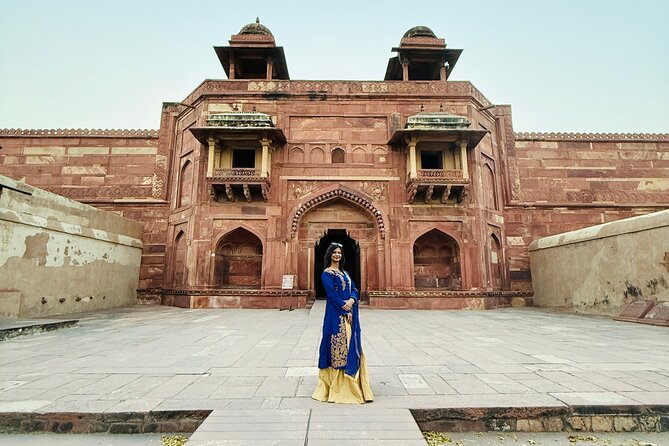
Day three opens at Jaigarh Fort, set on Cheel ka Teela, known as the Hill of Eagles. Maharaja Jai Singh II built the fort in 1726 to protect the royal treasury. Its purpose was practical, and the thick walls and hilltop position give you a different view of Rajput power than the decorative palace interiors you will see later.
Allow the full two hours if you can. The fort is about military planning and protection, not just ornate rooms. From its elevated position, you can also gain a sense of Jaipur’s setting and the relationship between the fortifications and the city below.
Jal Mahal is a much shorter stop, only 15 minutes. The palace appears to float in Man Sagar Lake, with only its upper levels visible above the water. It is mainly a viewing and photography stop rather than an interior visit.
The brief timing is appropriate, since the attraction is about the outside view. The stop breaks up the fort visit and gives you a quieter visual moment before the evening program.
Chokhi Dhani occupies about three hours. This cultural village-style venue presents Rajasthani food, folk dancing, puppetry, fire performances, shops, and other forms of entertainment. It is designed for an evening of staged cultural activity, so you should see it as a lively performance venue rather than an untouched rural settlement.
That distinction matters. Chokhi Dhani can be fun, colorful, and easy to enjoy after a long day, but it offers a prepared presentation of local traditions. If you want context, ask your guide to explain which customs and performances are traditional and which are arranged for visitors.
Jaipur’s palaces and instruments tell a fuller story
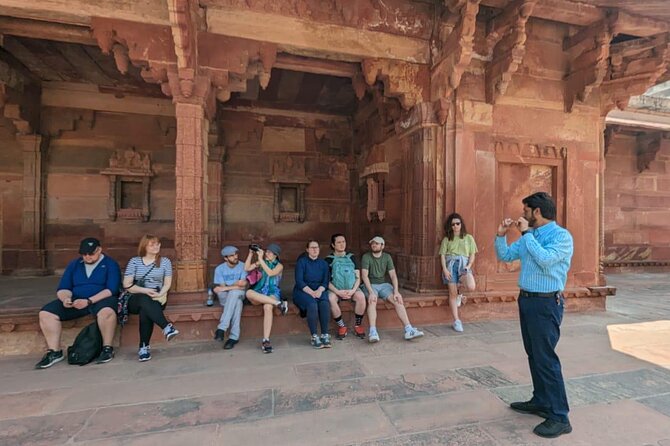
Day four brings you into the center of Jaipur’s royal world. The City Palace was created from the early 18th century under Maharaja Sawai Jai Singh II. Its courtyards, halls, and decorative details show how administration and ceremony operated in the Rajput court.
The one-hour visit gives you an introduction rather than a complete study. I would focus on the layout and the contrast between public court spaces and more private royal areas. The palace is visually elaborate, but your guide’s explanation can help you connect the objects and rooms to Jaipur’s rulers.
Jantar Mantar is next, with another hour scheduled. This UNESCO World Heritage site is an open-air observatory built by Sawai Jai Singh II. Its large masonry instruments were designed to measure time and track astronomical positions.
It is easy to look at the instruments as abstract shapes. A good explanation changes that. Ask how the structures were used and why a ruler would invest in astronomy. This stop shows that Jaipur’s court was concerned with science and planning as well as warfare and luxury.
Hawa Mahal takes about 45 minutes. Its honeycomb facade and many small windows allowed royal women to observe street life while remaining screened from public view. Built in 1799 by Maharaja Sawai Pratap Singh as an extension of the City Palace, it is one of Jaipur’s most recognizable facades.
The visit is short, and the building is best appreciated from the outside. You may find the narrow interior less impressive than the famous front, so listen for the social explanation behind the windows. That context gives the stop more weight than a simple photograph.
The final drive and what is included
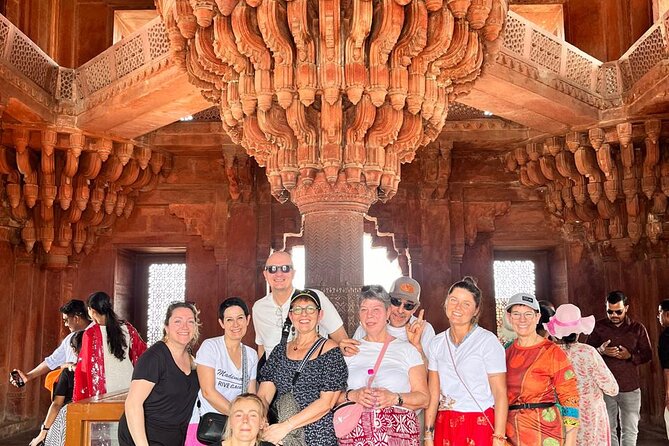
Day five is the return to New Delhi, with about four hours listed. You may also finish with a drop-off at Jaipur Airport, which can be useful if your next flight or hotel plans take you elsewhere.
The tour includes private air-conditioned transport, bottled mineral water, light snacks, personalized attention, all listed fees and taxes, and entry tickets for the included attractions. Those inclusions reduce the number of small payments you need to manage during the trip.
The important omission is accommodation. Hotels are not included, and neither are meals or beverages beyond the water and snacks in the vehicle. At $325 per person, the price can offer good value for a private five-day route with listed admissions, but you must add your own lodging and food budget.
This is not a bargain package if you expected a full holiday with hotels and meals. It is better understood as a private sightseeing and transport service. The value is strongest for a couple, family, or small group that wants its own vehicle and guide and can divide the per-person cost among several people.
Guides, comfort, and the pace of the road
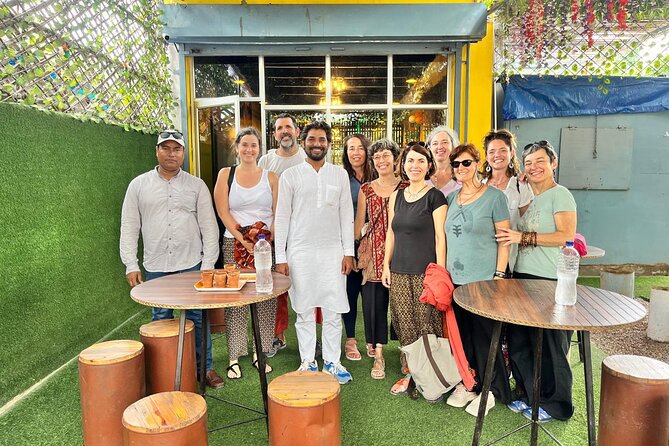
The strongest praise connected with this experience centers on the guides. Ali is described as attentive, engaging, and well informed. Aman is associated with clear help across the Golden Triangle and with a clean vehicle. Raj receives particular credit for explaining Fatehpur Sikri and answering questions patiently. Mehraj is also described as an informative guide who helped make the trip easy from arrival onward.
You should confirm your assigned guide when booking, since the available names may vary. The important point is that the experience depends heavily on the person leading each site. Delhi’s religious spaces, the Taj Mahal, Fatehpur Sikri, and Jaipur’s observatory all benefit from explanation.
The private vehicle is another practical strength. You avoid sharing the schedule with strangers, and your group can travel in air-conditioned comfort. Still, the route includes substantial driving, particularly from Delhi to Agra, Agra to Jaipur, and Jaipur back toward Delhi. If you dislike road transfers, a shorter city-based trip may suit you better.
Most people can participate, and the tour is near public transportation. Pickup is offered from Delhi accommodation, but the supplied details do not specify hotels or meal arrangements. Confirm the exact pickup point, hotel plan, and final drop-off before you pay.
Free cancellation is available if you cancel at least 24 hours before the experience begins. Cancellations inside that window are not refunded, and late changes are not accepted.
Who should book this five-day Golden Triangle tour
I would recommend this route to a first-time visitor who wants the classic Delhi, Agra, and Jaipur sights in one organized trip. It is also a good fit for families and small groups that value a private car, door-to-door service, and the ability to ask a guide questions along the way.
It suits people who want both famous monuments and some variety. You get a Sikh gurdwara, a spice market, a war memorial, Mughal tombs and forts, a modern temple, Rajput fortifications, an observatory, royal palaces, and a staged Rajasthani cultural evening.
I would hesitate if you want slow travel. The schedule is full, several stops are brief, and the driving can take energy away from the monuments. I would also hesitate if you want a fully packaged holiday, since hotels and meals are separate.
Should you book it?
Book this tour if you want the Golden Triangle’s major sights handled by a private guide and car, with entry fees and basic vehicle refreshments included. The best parts are the two-hour Taj Mahal visit, the substantial time at Fatehpur Sikri and Jaigarh Fort, and the chance to see Jaipur over two days rather than one.
Before booking, confirm your guide’s name, hotel arrangements, meal plans, and whether Delhi or Jaipur Airport is the better final drop-off. If you accept the long drives and arrange the missing costs yourself, $325 per person is a reasonable price for a focused five-day introduction to northern India’s imperial capitals.
FAQ
How long is the Golden Triangle tour?
The tour lasts approximately five days, beginning in New Delhi and visiting Agra and Jaipur before returning toward Delhi or ending at Jaipur Airport.
Is this a private tour?
Yes. Only your group participates, and the tour uses private air-conditioned transportation.
Is pickup available?
Yes. Pickup is offered from your Delhi accommodation. Confirm the exact pickup details when booking.
Are hotels included?
No. Accommodation is not included in the tour price.
Are meals included?
No. Meals and beverages are not included. Bottled mineral water and light snacks are provided in the vehicle.
Is the Taj Mahal entry included?
Yes. Admission to the Taj Mahal is included, with approximately two hours scheduled for the visit.
Can the tour end at Jaipur Airport?
Yes. The final drop-off can be in New Delhi or at Jaipur Airport, depending on your arrangements.
What is the cancellation policy?
You receive a full refund if you cancel at least 24 hours before the experience begins. Cancellations made within 24 hours are not refunded, and late changes are not accepted.
More 5-Day Experiences in New Delhi
- Private 5-Day Ranthambhore Tiger Tour from Delhi including the Taj Mahal, Agra and Jaipur
★ 5.0 · 197 reviews - 5-Day Private Luxury Golden Triangle Tour to Agra and Jaipur From New Delhi
★ 5.0 · 142 reviews - Private Golden Triangle Tour 5 Days Delhi Agra Jaipur
★ 5.0 · 92 reviews - From Delhi: 5-Day Tiger Safari & Golden Triangle Tour
★ 4.5 · 81 reviews
More Historical Tours in New Delhi
- The Great Indian Food Tour: Old Delhi Food and Heritage Walk
★ 5.0 · 1,698 reviews - Old Delhi Food, Heritage&Cultural Walk with Rickshaw ride to Masterji Kee Haveli
★ 5.0 · 742 reviews - Old Delhi Heritage Walking Tour
★ 5.0 · 247 reviews - 3-hour Old Delhi Heritage Walking tour with Rickshaw Ride
★ 5.0 · 240 reviews
Just added around New Delhi
- Delhi: All-Inclusive Full or Half Day Tour With Hotel Pickup★ 5.0 · 3 reviews
- From Delhi : All Inclusive Taj Mahal Tour by Gatimaan Express★ 5.0 · 3 reviews
- Skip the line: Taj Mahal Agra Private Day Trip From Delhi By Car★ 5.0 · 3 reviews
- Delhi: Old and New Delhi One Day Private Guided City Tour★ 5.0 · 3 reviews
- New Delhi Night City Tour★ 5.0 · 3 reviews
- Old Delhi Half day private city tour★ 5.0 · 3 reviews
- A full-day tour of Old & New Delhi Monument Express Entry★ 5.0 · 3 reviews
- Sultanpur Bird Sanctuary Tour Near Delhi★ 5.0 · 3 reviews
Taj Mahal Tours, compared.

Same Day Taj Mahal, Agra Fort & Baby Taj Tour from Delhi by Car
Read our review →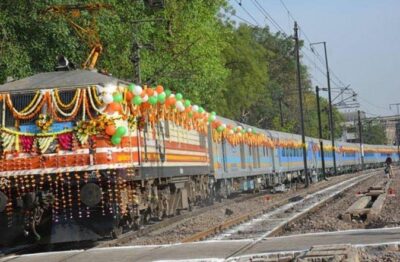
Taj Mahal Day Tour from Delhi by Superfast Train – TOP RATED TOUR
Read our review →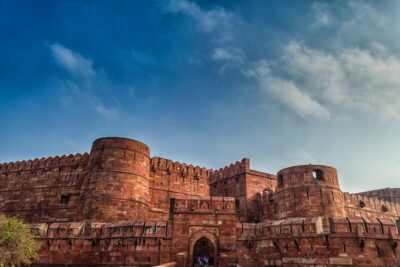
Full Day Taj Mahal, Agra Fort & Baby Taj Tour from Delhi by Car
Read our review →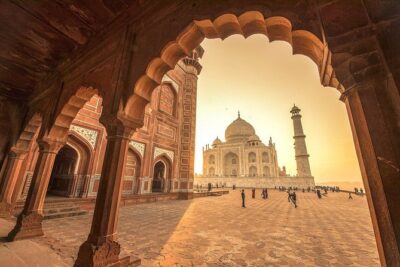
Taj Mahal & Agra Private Day Trip with Transfers
Read our review →
Taj Mahal Tour from Delhi by Express Train (Viator Award Winner)
Read our review →
All Inclusive Private Taj Mahal Luxury Tour from Delhi by Car
Read our review →
Same Day Taj Mahal, Fort & Baby Taj Tour from Delhi by Car
Read our review →
Browse the lists this tour appears in