
Reviewed · GOLDEN TRIANGLE TOURS
7 Night & 8 Days Private Luxury Golden Triangle with Mumbai Tour
The Taj Mahal at sunrise and sunset is the heart of this eight-day journey, but the route gives you much more than one famous monument. You move from Delhi’s Sikh and Mughal landmarks to Agra’s grand imperial sites, Jaipur’s pink sandstone palaces, and Mumbai’s waterfront and Gandhi museum.
I like the private car and driver, which save you from managing India’s busy intercity transport. I also like the mix of planned sightseeing and personal help from the tour team. Coordinators such as Gopal and drivers including Surendra and Maan Singh are named in the booking history, giving the service a more personal feel than a large coach tour.
The main drawback is the pace. You cover four major cities in eight days, with long road journeys, a domestic flight, early starts, and many entrance fees paid separately. This is a strong first look at northern India and Mumbai, not a slow holiday.
In This Review
- Key points to know before booking
- Why this route works in only eight days
- Delhi begins with faith, architecture, and Old City life
- Old Delhi and Mughal Delhi need different kinds of attention
- Agra brings the Mughal story into focus
- Sunrise at the Taj Mahal is worth the early start
- Jaipur combines forts, astronomy, and pink sandstone
- Jaipur’s final morning is quieter and more local
- Mumbai shifts the focus from emperors to public life
- Comfort, room arrangements, and guide support
- The practical trade-offs of a private luxury tour
- Should you book the Golden Triangle with Mumbai tour?
- FAQ
- How long is the tour?
- Which cities are included?
- Is the tour private?
- Is transportation included?
- Are hotels and breakfast included?
- Are monument entrance fees included?
- What is the cancellation policy?
Key points to know before booking

- Two Taj Mahal visits: See Agra’s most famous monument at sunset from across the Yamuna and again at sunrise.
- Private transport throughout the road portion: A sedan serves one or two people, while larger groups use a wagon or minivan.
- Four very different cities: Delhi, Agra, Jaipur, and Mumbai each offer a distinct view of India’s past and present.
- Local guides at the major sights: Sightseeing is arranged with private guides rather than one guide accompanying you everywhere.
- Seven hotel nights and breakfasts: These apply when you choose the package option that includes hotels.
- Important extra costs: Monument admission, flights, meals beyond breakfast, insurance, tips, and personal expenses are not included.
Why this route works in only eight days
The Golden Triangle links Delhi, Agra, and Jaipur, three of India’s most visited cultural centers. Adding Mumbai gives you a fourth city with a different character, shaped by the Arabian Sea, colonial-era buildings, film culture, business, and Gandhi’s work.
You spend the first six days on the road and in Jaipur before flying to Mumbai. That makes the route efficient, but it also means you should arrive ready for full sightseeing days. The private format helps. Your driver picks you up at the airport or hotel, waits during visits, and transfers you between cities without forcing you to follow a large group’s timetable.
The listed price of $413.48 per person can be appealing, especially for a private eight-day service. Check the selected booking option carefully, since seven-night accommodation and daily breakfast apply only when hotels are included. The price does not cover the Jaipur to Mumbai flight, international flights, monument tickets, lunch, dinner, travel insurance, laundry, or tips.
That low headline price is best viewed as a base cost for organized transport, guides, transfers, and hotel arrangements. Your final spending will be higher once admission fees and the domestic flight are added.
More Golden Triangle itineraries from New Delhi:
- 3-Days Private Golden Triangle Tour: Delhi, Agra & Jaipur by Car
★ 5.0 · 1,107 reviews - 3-Days Private Golden Triangle Tour: Delhi, Agra & Jaipur by Car
★ 5.0 · 1,098 reviews - 3-Day Delhi, Agra and Jaipur Private Tour – India Golden Triangle
★ 5.0 · 812 reviews
Delhi begins with faith, architecture, and Old City life
The first day is a gentle introduction, with visits to Gurudwara Bangla Sahib and Agrasen Ki Baoli. At Bangla Sahib, you can see one of Delhi’s important Sikh places of worship and learn about the story of the eighth Sikh Guru, who is associated with healing during smallpox and cholera outbreaks.
The visit lasts about 30 minutes and admission is free. Dress respectfully and expect a religious setting rather than a conventional sightseeing stop.
Agrasen Ki Baoli gives you a completely different view of Delhi. This protected stepwell drops down through a long series of stone steps and chambers. The stop also lasts about 30 minutes, so it is more of a focused architectural visit than a long exploration.
Day two carries most of Delhi’s major sights. Qutub Minar, a 73-meter UNESCO-listed tower, needs about an hour. The tower was begun by Qutub-ud-din Aibak in 1193 and reflects the early Delhi Sultanate. Admission is not included, so keep cash or a payment method ready for separate monument charges.
The Lotus Temple provides a change of mood. Its white, flower-shaped design is open to people of all religions, and the visit takes around 30 minutes. India Gate follows as a short 15-minute stop, useful for photographs and a look at one of Delhi’s best-known war memorials.
The itinerary also passes Parliament House, known as Sansad Bhavan. The schedule does not give a separate visit length, so treat it as a view from the route unless your guide confirms otherwise.
Old Delhi and Mughal Delhi need different kinds of attention
Jama Masjid and Chandni Chowk bring you into Old Delhi. Jama Masjid was built by Shah Jahan between 1650 and 1656 and remains one of India’s largest mosques. Allow 30 minutes, dress modestly, and follow any rules set at the entrance.
Chandni Chowk receives about an hour. This is not a polished shopping mall. It is a dense market district with spices, dried fruit, silver jewelry, saris, essential oils, and narrow side streets full of small shops. I like this part because it gives you a sense of daily commerce, but it can feel intense if you prefer quiet monuments.
Humayun’s Tomb closes the day’s main sightseeing. The Mughal emperor’s tomb, commissioned by Empress Bega Begum in 1558, is an important architectural stop and a useful lead-in to Agra’s Mughal monuments. The visit is planned for one hour, with admission extra.
This is a very full day. You visit six named stops plus Parliament House, so do not expect long, unplanned stretches. The private format lets you adjust the order or timing with your guide, but the number of sights remains substantial.
Agra brings the Mughal story into focus
The drive from Delhi to Agra covers about 222 kilometers and takes around four hours. That is a major road day, though your private vehicle gives you more comfort and flexibility than public transport.
After checking into the Agra hotel, the itinerary visits Agra Fort. This UNESCO-listed complex connects you with the Mughal emperors Akbar and Shah Jahan. Give it an hour, and remember that the entrance ticket is extra.
Itmad-ud-Daula, often called the Baby Taj, receives another hour. Its smaller scale and detailed decoration make it a useful contrast to Agra Fort and the Taj Mahal. The admission charge is not included.
The first Taj Mahal experience is planned for sunset, viewed from across the Yamuna at the Taj Mahal Sunset View Point and Mehtab Bagh. The schedule gives the Taj viewpoint two hours and Mehtab Bagh 30 minutes. This is a smart pairing: you see the monument from a distance, away from the main entrance crowds, then spend time in the garden.
The Taj Mahal entry fee is separate. The sunset visit is not a substitute for entering the monument, so confirm with your guide exactly which viewpoint access and ticket arrangements apply.
A few more New Delhi departures worth comparing
- Old Delhi Food Tour: A Night Time Feast
★ 5.0 · 326 reviews - Delhi: Guided Evening Tour of Delhi City
★ 4.8 · 233 reviews - Night View of Delhi Tour – 4 Hrs
★ 5.0 · 197 reviews - 3 Days 2 Night Golden Triangle Tour – Private Luxury Experience
★ 5.0 · 191 reviews
Sunrise at the Taj Mahal is worth the early start

Day four begins with another Taj Mahal visit, this time at sunrise. The monument is an ivory-white marble mausoleum on the Yamuna’s south bank, commissioned by Shah Jahan in 1632 as a tomb for Mumtaz Mahal.
Two hours gives you time to approach the monument, see the main structure, and take in the changing morning light. The battery bus ride to and from the Taj Mahal parking area is included, which is helpful because private vehicles do not drive directly to the monument.
Expect an early start and a busy morning arrival. The reward is a cooler, quieter-feeling visit than later in the day, although exact crowd levels can vary. Entrance fees remain separate.
Fatehpur Sikri follows. Emperor Akbar built this planned city in the late sixteenth century, and it served as the Mughal capital for about a decade. The one-hour stop gives the day a strong architectural second act.
Chand Baori, the enormous stepwell at Abhaneri, comes next and takes about an hour. It extends roughly 30 meters below ground and is one of the largest and deepest stepwells in India. Admission is not included.
You then continue to Jaipur and check into your hotel. The listed five-hour Jaipur segment includes arrival and hotel time, not five hours of sightseeing, so expect a long but rewarding transfer day.
Jaipur combines forts, astronomy, and pink sandstone
Jaipur’s sightseeing begins at Panna Meena ka Kund, a stepwell near the fort area. The visit is brief, about 15 minutes, but it prepares you for the geometry and practical design seen in other stepwells along the route.
The next stop is Jaipur’s most famous hill fort, described as the former capital of Rajasthan until 1728. The schedule allows two hours to explore its palaces, courtyards, and monuments with your guide. Admission is listed as free in the schedule, though you should rely on the final booking details for any local charges or optional services.
Jal Mahal is a short photo stop beside Man Sagar Lake. The palace appears to float on the water, and the planned 15 minutes is enough for photographs rather than an interior visit.
The City Palace receives an hour. Built in 1721, it served as the administrative and ceremonial seat of Jaipur’s Maharaja. The entrance fee is extra.
Jantar Mantar is one of Jaipur’s most unusual sights. Its nineteen large astronomical instruments were built in 1734 by Sawai Jai Singh II, founder of Jaipur. You get an hour here, with admission separate. This stop is much easier to appreciate with a guide who explains how the instruments were used.
Hawa Mahal, the Palace of Winds, closes the main day. Its five-story pink and red sandstone facade is designed for photographs and a short visit of about 30 minutes. The listed ticket is not included.
Jaipur’s final morning is quieter and more local
Before leaving for Mumbai, you visit Birla Mandir, a white marble temple dedicated to Lord Vishnu. The stop lasts about 30 minutes and admission is free. Modest clothing and respectful behavior are appropriate at religious sites.
Galtaji, known as the Monkey Temple, adds a more unusual Jaipur stop. The temple complex includes three sacred water pools and is known for its monkeys. You have about 30 minutes, so stay aware of your belongings and follow your guide’s advice around the animals.
Patrika Gate is another short photo stop. Built in 2016 by the Patrika Group, it offers colorful architectural details and a clear change from Jaipur’s older forts and palaces.
After sightseeing, your driver takes you to Jaipur International Airport for the flight to Mumbai. The airport transfer and the flight are separate parts of the day, and the air ticket is not included. On arrival, a Mumbai driver meets you and transfers you to the hotel.
This is one of the tour’s busiest transitions. Pack your airport essentials separately, keep your passport and flight details easy to reach, and confirm pickup arrangements before leaving Jaipur.
Mumbai shifts the focus from emperors to public life

Mumbai’s city tour begins at the Gateway of India, the waterfront arch built between 1913 and 1924 to mark the 1911 visit of King George V and Queen Mary. The 30-minute stop gives you one of the city’s essential views, but the area can be crowded and photo-heavy.
At Oval Maidan, you see Mumbai University, the Rajabai Clock Tower, and Bombay High Court. The scheduled 45 minutes allows a good exterior orientation. The Chhatrapati Shivaji Maharaj Vastu Sangrahalaya, formerly the Prince of Wales Museum of Western India, follows for 30 minutes. Admission is extra, and half an hour is enough for a brief introduction rather than a full museum visit.
Marine Drive is listed without a fixed duration. Use this as a scenic road or walking stop along the 3.6-kilometer boulevard in South Mumbai. The exact amount of time may depend on traffic and the day’s schedule.
Mani Bhavan Gandhi Museum receives 15 minutes. The building on Laburnum Road is associated with Gandhi and his work in Mumbai. Fifteen minutes is short, so ask your guide which rooms or displays are most important.
Dhobi Ghat gives you a look at Mumbai’s famous open-air laundry, where dhobis wash clothing and linens from hotels and hospitals. The visit lasts about 30 minutes and admission is free. The final stop, a Jain temple, lasts about 15 minutes and offers another look at the city’s religious life.
Comfort, room arrangements, and guide support
The tour is private, so only your own party joins the activity. One or two people travel in a four-seat sedan, three or four use a six-seat wagon, and groups of five to ten use a ten-seat minivan.
The package includes an air-conditioned vehicle, hotel or airport pickup and drop-off, private local guides for sightseeing, bottled mineral water during journeys, and seven breakfasts when hotels are selected. Rooms are normally twin-sharing. Three people receive a triple room by default, while two rooms for three people cost extra.
The service is organized around a central coordinator and separate local teams. Gopal is identified with planning and management, while drivers such as Surendra and Maan Singh and a guide named Vikas appear in the service details. That matters on a route with several handoffs, especially when you leave Jaipur for Mumbai.
The strongest praise is aimed at organization, polite drivers, safe transport, and helpful guides. Several service accounts also point to smooth advance booking and hotels that met or exceeded expectations. Still, hotel names and categories are not provided here, so ask for the exact properties before paying if accommodation quality is central to your decision.
The practical trade-offs of a private luxury tour
This experience suits you if you want India’s biggest sights without arranging four cities, multiple hotels, airport transfers, guides, and a domestic flight on your own. It also works well for first-time visitors who want personal assistance and the ability to discuss timing with a driver.
It is less suitable if you want long museum visits, free afternoons, or a slow look at each city. Monument admission is paid separately, and the itinerary includes many short stops. Lunch and dinner are also on your own, so budget for those meals each day.
The tour is designed for most people who can participate in ordinary sightseeing, but the schedule includes steps, temple visits, forts, gardens, and early morning movement. Ask the operator about any personal mobility concern before booking.
Free cancellation is available up to 24 hours before the local start time. Changes or cancellations inside that window are not accepted for a refund.
Should you book the Golden Triangle with Mumbai tour?
Book it if you want a high-value overview of India’s classic northwestern route plus Mumbai and prefer a private driver, local guides, arranged hotels, and airport support. The sunrise Taj Mahal visit, sunset viewpoint, stepwells, Jaipur monuments, and Mumbai city tour make the route varied rather than repetitive.
Skip it if your priority is a relaxed pace or a fully inclusive price. The eight days are packed, the Jaipur to Mumbai flight is extra, and every major monument ticket must be added to the budget.
For most first visits, I would consider this a practical introduction. Confirm the hotel option, flight arrangements, monument fees, and daily pickup times before booking, then plan to enjoy the big sights without expecting much spare time.
FAQ
How long is the tour?
The experience lasts approximately eight days and includes seven nights.
Which cities are included?
The route covers New Delhi, Agra, Jaipur, and Mumbai.
Is the tour private?
Yes. Only your own group participates in the private tour or activity.
Is transportation included?
Private air-conditioned road transportation, hotel and airport pickup, and drop-off are included. The Jaipur to Mumbai flight and other flights or train tickets are not included.
Are hotels and breakfast included?
Seven-night accommodation and daily hotel breakfast are included when you select the booking option that includes hotels. Seven breakfasts are listed.
Are monument entrance fees included?
No. Monument entrance fees are excluded. The itinerary specifically lists admission as not included at places such as Qutub Minar, Humayun’s Tomb, Agra Fort, the Taj Mahal, City Palace, Jantar Mantar, Hawa Mahal, and the Chhatrapati Shivaji Maharaj Vastu Sangrahalaya.
What is the cancellation policy?
You can cancel up to 24 hours before the experience’s local start time for a full refund. Cancellations or changes made less than 24 hours before the start time are not accepted for a refund.
Just added around New Delhi
- Delhi: All-Inclusive Full or Half Day Tour With Hotel Pickup★ 5.0 · 3 reviews
- From Delhi : All Inclusive Taj Mahal Tour by Gatimaan Express★ 5.0 · 3 reviews
- Skip the line: Taj Mahal Agra Private Day Trip From Delhi By Car★ 5.0 · 3 reviews
- Delhi: Old and New Delhi One Day Private Guided City Tour★ 5.0 · 3 reviews
- New Delhi Night City Tour★ 5.0 · 3 reviews
- Old Delhi Half day private city tour★ 5.0 · 3 reviews
- A full-day tour of Old & New Delhi Monument Express Entry★ 5.0 · 3 reviews
- Sultanpur Bird Sanctuary Tour Near Delhi★ 5.0 · 3 reviews
Golden Triangle Tours, compared.
3-Days Private Golden Triangle Tour: Delhi, Agra & Jaipur by Car
Read our review →3-Days Private Golden Triangle Tour: Delhi, Agra & Jaipur by Car
Read our review →
3-Day Delhi, Agra and Jaipur Private Tour – India Golden Triangle
Read our review →
Four-Day Private Luxury Golden Triangle Tour to Agra and Jaipur From New Delhi
Read our review →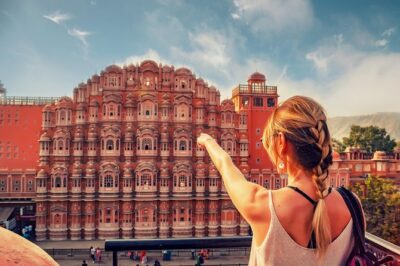
Jaipur Day Trip from Delhi by Car or Train – All Inclusive
Read our review →
Jaipur City Private Day Tour from Delhi by Car – All Inclusive
Read our review →
5 Nights 6 Days Private Golden Triangle Tour – Delhi Agra Jaipur
Read our review →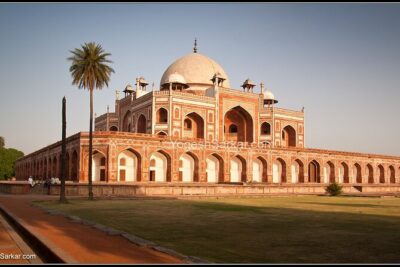
Browse the lists this tour appears in