Reviewed · GOLDEN TRIANGLE TOURS
8 Days Tour of Essential India & Classic Nepal – Golden Triangle with Kathmandu
India’s Golden Triangle is already a full trip: Delhi’s Mughal monuments, Agra’s Taj Mahal, and Jaipur’s royal forts. This itinerary adds Kathmandu, Nepal, so you get four distinct cities and two countries in eight days. The most memorable rhythm is the contrast between a Taj Mahal sunrise, Jaipur’s painted palaces, and Kathmandu’s prayer flags and temple squares.
I like the private format, with your own guide, driver, and air-conditioned vehicle rather than a large coach. I also like the practical touches: monument tickets, bottled water, the Amer Fort jeep, and the direct flight arrangement from Jaipur to Kathmandu via Delhi are built in. The main drawback is pace. You cover a lot of ground, and the India to Nepal flight makes Day 5 a travel-heavy day.
In This Review
- Key points to know before booking
- Delhi begins with Mughal monuments and living faith
- Akshardham and the road to Agra
- The Taj Mahal at first light
- Jaipur’s forts, palaces, and carefully planned city
- Flying from Jaipur to Kathmandu
- Kathmandu’s sacred monuments in one full day
- Patan, Bhaktapur, and Pashupatinath
- Dhulikhel and the final Himalayan view
- What the $1,796 price delivers
- Who should choose this private India and Nepal tour
- Should you book it?
- FAQ
- Where does the tour begin?
- Where does the tour end?
- Is this a private tour?
- Is the flight from Jaipur to Kathmandu included?
- Are hotels included?
- Is the Taj Mahal open every day?
- Do I need visas?
- Is a Mount Everest flight included?
- What is included with meals?
Key points to know before booking
- Taj Mahal at sunrise: You visit early on Day 3, with a battery bus or golf cart used for the return journey.
- Private touring throughout: Only your group participates, with a chauffeur-driven air-conditioned vehicle in India.
- Two countries in eight days: The tour links Delhi, Agra, Jaipur, and Kathmandu without requiring you to arrange the border crossing yourself.
- Jaipur’s best sights: Amber Fort, City Palace, Jantar Mantar, Hawa Mahal, Jal Mahal, Patrika Gate, and Galtaji all appear in the plan.
- Kathmandu’s UNESCO sites: Swayambhunath, Kathmandu Durbar Square, Boudhanath, Patan, Bhaktapur, and Pashupatinath are included.
- Dhulikhel viewpoint: The final morning includes a chance to see snow-capped Himalayan peaks, subject to weather.
Delhi begins with Mughal monuments and living faith
Your Delhi sightseeing starts at 8 AM from your chosen location in Delhi, Gurugram, or Noida. That early start matters. Delhi traffic can stretch short drives into long ones, and the itinerary has enough stops to fill a day without wasting the morning.
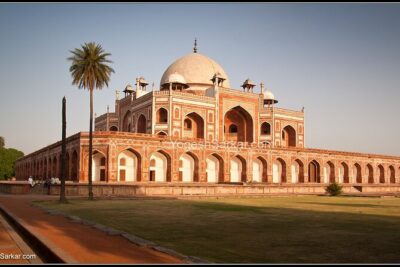
Humayun’s Tomb is a strong opening. Built in the Mughal period, its grand garden setting and red sandstone work help you understand the design ideas that later reached their most famous form at the Taj Mahal. You have about 45 minutes here, enough for an introduction and photographs, though not a slow architectural study.
In Old Delhi, you visit the Red Fort and Jama Masjid. The Red Fort was a seat of Mughal power for centuries, while Jama Masjid was commissioned by Shah Jahan, the same ruler associated with the Taj Mahal. The two stops work well together because they show both imperial authority and religious life in the old capital.
Chandni Chowk brings you into a very different kind of Delhi. This old market district is known for spices, dried fruit, silver jewelry, and saris. You have about 45 minutes, so expect a guided taste of the area rather than a long shopping session. Keep your belongings close and follow your guide through the crowded lanes.
Gurudwara Bangla Sahib offers a quieter change of pace. This Sikh place of worship is known for its white buildings and religious importance. Visitors should dress respectfully and follow the site’s instructions. Lunch is scheduled around Connaught Place, but the supplied details do not specify the restaurant or exact meal arrangements, so ask what is included before ordering extras.
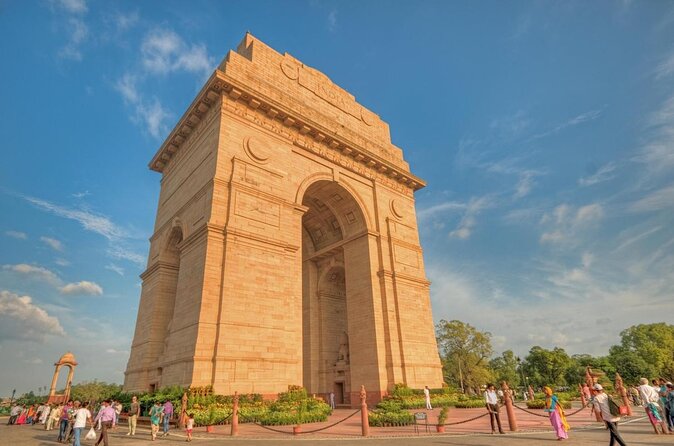
The afternoon shifts to New Delhi. India Gate is a quick photo stop, followed by a drive past the President’s House and parliamentary buildings in the planned district created during British rule. At Qutub Minar, you get more time, about 90 minutes, to see the 73-meter minaret and the surrounding complex. This UNESCO-listed site brings another layer to Delhi, with early Islamic architecture set among older remains.
More Golden Triangle itineraries from New Delhi:
- 3-Days Private Golden Triangle Tour: Delhi, Agra & Jaipur by Car
★ 5.0 · 1,107 reviews - 3-Days Private Golden Triangle Tour: Delhi, Agra & Jaipur by Car
★ 5.0 · 1,098 reviews - 3-Day Delhi, Agra and Jaipur Private Tour – India Golden Triangle
★ 5.0 · 812 reviews
Akshardham and the road to Agra
Day 2 opens with Swaminarayan Akshardham Temple, one of Delhi’s largest Hindu temple complexes. The visit lasts about an hour. Its scale and ornament are the main draw, but remember that temple rules can be strict, including restrictions on photography and personal belongings. The temple closes on Mondays, so the operator may move this visit to the previous day if needed.
You then drive to Agra. The tour uses a private, chauffeur-driven vehicle, which gives you more control than a fixed coach schedule, but road times are approximate. Traffic and the time of day can change the journey considerably.
Agra Fort is the day’s major historic stop. Built beside the Yamuna River, it was both a fortified palace and a center of Mughal government. The one-hour visit lets you see courtyards, walls, and royal buildings while your guide explains how Agra functioned as an imperial capital.
Mehtab Bagh sits across the river from the Taj Mahal. The garden is especially useful for a different view of the monument, away from the main entrance crowds. The itinerary allows an hour, giving you time for photographs and a broader sense of how the Taj Mahal sits beside the Yamuna.
You stay in Agra that night if you choose the accommodation package. Seven hotel nights are included when you book the option with hotels, based on twin sharing. Single-room arrangements and any price difference are not specified, so confirm those details before paying.
The Taj Mahal at first light
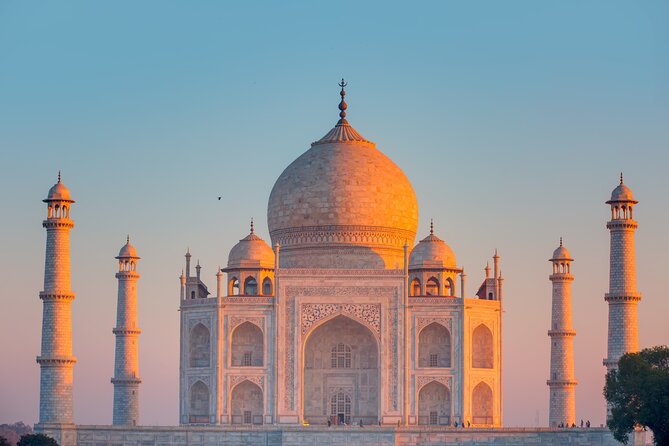
Day 3 is built around the Taj Mahal. You leave early, with tea or coffee available in your room before meeting the guide. The visit lasts about two hours, which is enough to see the main monument and grounds without rushing through the essentials.
The early timing is one of the best choices in the entire trip. Morning light can soften the white marble, and the site is usually more comfortable before the heat grows. Sunrise viewing depends on weather, so the exact effect is not guaranteed. The Taj Mahal closes every Friday, and the operator changes the schedule if your planned visit falls on that day.
After returning to the hotel for breakfast, you check out and head toward Jaipur. Fatehpur Sikri is the first major stop. This former Mughal city is known for its grand gateways, courtyards, and red sandstone buildings. It is a UNESCO World Heritage Site, and an hour gives you a useful introduction, though the complex deserves careful attention if architecture is your main interest.
Chand Baori, in the village of Abhaneri, is a fine stop because it is unlike the palaces and forts around it. This enormous stepwell uses repeated flights of stairs to reach the water level. A local guide explains the purpose of baoris, making the visit more than a quick photo stop. You have about 45 minutes.
By early evening, you reach Jaipur and check in. Birla Mandir, a white marble temple at the base of Moti Dungri Hill, follows. Its evening setting can make it a pleasant introduction to the Pink City, though the day is long and you may prefer a quiet dinner afterward.
Jaipur’s forts, palaces, and carefully planned city
Day 4 is Jaipur’s fullest sightseeing day. Your guide meets you at 8 AM, starting with Amber Fort outside the city center. The three-hour visit gives you time to explore the fort’s courtyards, halls, and hilltop setting. A jeep ride to and from the fort is included if you do not want to walk up.
That jeep is a useful inclusion, but it is worth asking your guide about the exact pickup point and timing. The fort can involve slopes, stairs, and uneven surfaces, so comfortable shoes matter. The site is much more than a quick overlook, and the longer visit is justified.
Jal Mahal is a 15-minute photo stop. The Water Palace sits in Man Sagar Lake and is best appreciated from the shore, since this itinerary does not include an interior visit. Hawa Mahal receives about 20 minutes. Its famous facade, filled with 953 small windows, was designed to let royal women watch street life without being seen. You view it as an exterior photo stop rather than a long palace tour.
The City Palace gives you a closer look at Jaipur’s royal traditions. The complex combines Rajasthani and Mughal design and remains connected with the city’s royal family. The 90-minute visit is long enough to see key courtyards and displays while keeping the day moving.
Jantar Mantar follows. This UNESCO-listed observatory contains 19 large stone instruments that measure time and celestial positions. I particularly like this stop for the way it breaks up the usual fort-and-palace pattern. It shows Jaipur as a planned center of science as well as a royal capital.
The final stop is Patrika Gate, a newer entrance monument covered with painted scenes of Rajasthan and its architecture. Thirty minutes is enough for photographs. It is less historic than the day’s other sights, but it gives you colorful images and a lighter finish.
Same city, a completely different day out:
- Old & New Delhi City Tour – Half or Full Day Options Available
★ 5.0 · 4,811 reviews - Old & New Delhi City Tour – Choose Half or Full Day Experience
★ 5.0 · 4,513 reviews - Same Day Taj Mahal, Agra Fort & Baby Taj Tour from Delhi by Car
★ 5.0 · 4,304 reviews - Taj Mahal Day Tour from Delhi by Superfast Train – TOP RATED TOUR
★ 5.0 · 4,166 reviews
Flying from Jaipur to Kathmandu
Day 5 begins at Galtaji Temple, a hillside temple complex surrounded by a gorge. The visit lasts about an hour. This stop offers a more local religious setting than Jaipur’s polished palace museums, and the rocky surroundings make it feel quite different from the city center.
After Galtaji, you transfer to Jaipur Airport for the flight to Kathmandu via Delhi. The flight is included and uses scheduled commercial airlines, but it is not a nonstop Jaipur to Kathmandu service. The connection makes this a practical travel day, not a full sightseeing day.
The included checked baggage allowance is 20 kilograms. Keep travel documents and essential items in your carry-on, since the day includes airport transfers, a connection, and a hotel check-in in Nepal.
On arrival at Kathmandu International Airport, your guide transfers you to the hotel and gives you a briefing. Later, you visit Thamel for about 90 minutes. Thamel is Kathmandu’s main visitor district, with shops, restaurants, and narrow streets. After a flight day, this is a manageable first look at the city, though you should not expect an extensive Kathmandu tour that evening.
Nepal visa fees are not included. Nepal visas can be obtained on arrival at Kathmandu airport, while India requires a valid visa before arrival. Your passport name, number, expiry date, and country are needed when booking.
Kathmandu’s sacred monuments in one full day
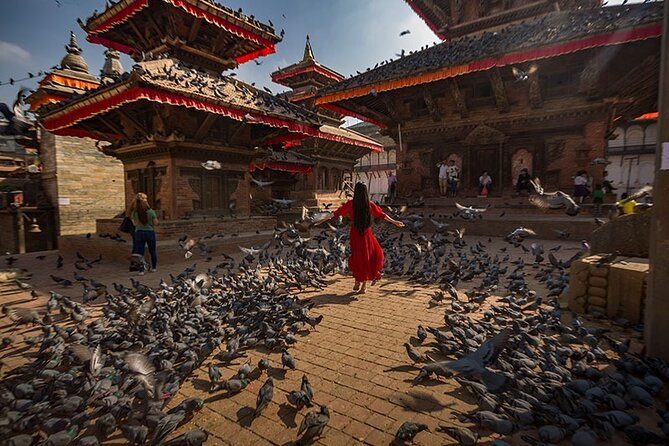
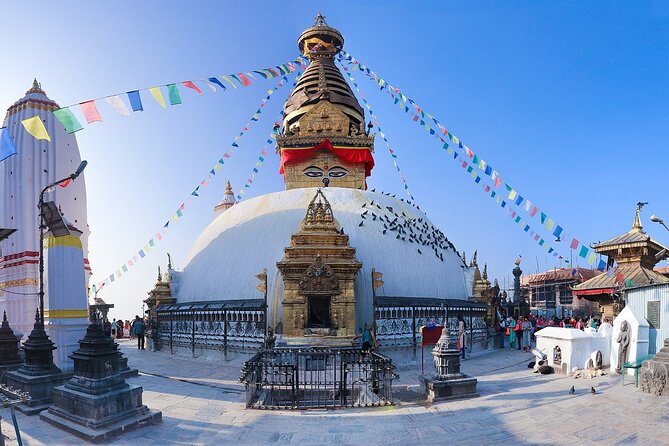
Day 6 focuses on Kathmandu Valley’s major religious and historic sites. Swayambhunath, often called the Monkey Temple, is first. The Buddhist stupa sits high above the city and is one of Nepal’s most important religious sites. Allow 90 minutes, and expect steps and a hilltop setting.
Kathmandu Durbar Square follows with another 90-minute visit. This UNESCO site combines palace courtyards, Hindu and Buddhist shrines, and places used for religious ceremonies. The square is valuable because it is not simply a preserved monument. It remains tied to daily worship and local traditions.
Boudhanath Stupa is another major Buddhist center. Its large white dome and watchful eyes are among Kathmandu’s most recognizable sights. The itinerary allows 90 minutes, giving you time to walk around the stupa and observe the religious activity at a respectful distance.
A one-hour singing bowl session is also listed, but its admission is not included. This is an optional-cost element, so ask your guide about the price before participating. It can add a calm pause after a busy morning of monuments, but it is not essential to the historic sightseeing.
Dinner at Nepali Chulo is included. The meal introduces Nepali food, which draws on influences from the country’s neighbors while developing its own styles. Since only dinner is specified, other meals, snacks, and drinks are at your own cost unless your booking says otherwise.
Patan, Bhaktapur, and Pashupatinath
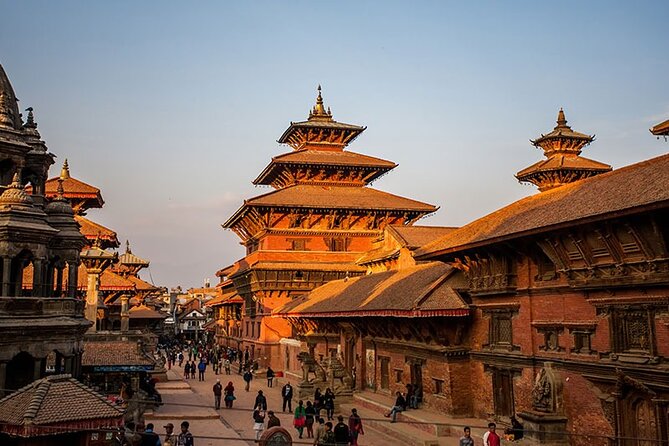
Day 7 takes you to three important sites around the Kathmandu Valley. Patan, also called Lalitpur or the City of Beauty, is known for traditional metalwork, woodcarving, and other crafts. The 90-minute visit to Patan Durbar Square gives you a close look at the artistic skills for which the city is known.
Bhaktapur Durbar Square offers another view of medieval Newar architecture and religious life. It is known as the City of Devotees and forms one of the valley’s three principal durbar squares. The scheduled visit lasts 90 minutes, but admission is not included here, so budget for that ticket.
Pashupatinath Temple is dedicated to Shiva and is one of Nepal’s most important Hindu pilgrimage sites. The complex lies along the river and includes many shrines and ritual spaces. Non-Hindu visitors may not be allowed into every area, but the wider complex still has great importance. Your visit lasts about 45 minutes, so your guide will focus on the main points.
The three stops make for a full day with repeated walking and religious sites. Dress modestly, listen to your guide, and avoid treating ceremonies as photo opportunities. The value of a private guide is especially clear here, since the rules and meaning of each site are not always obvious at first glance.
Dhulikhel and the final Himalayan view

Day 8 begins with a trip to Dhulikhel, about 30 kilometers from Kathmandu Durbar Square and 15 kilometers from Bhaktapur. The visit lasts about 90 minutes and is aimed at views of the Himalayas.
Snow-capped peaks are never guaranteed. Weather can obscure them, and the itinerary does not include a Mount Everest flight. That optional flight is specifically excluded and is also subject to weather conditions. Dhulikhel is therefore a sensible final outing, but you should treat the mountain view as a possibility rather than a promise.
After Dhulikhel, you return to the hotel for breakfast. The tour then ends with a drop-off at Kathmandu airport, your hotel, or another desired location in Kathmandu.
What the $1,796 price delivers
At $1,796 per person, the price is easiest to judge as a package rather than as eight days of sightseeing alone. It includes seven hotel nights when the hotel option is selected, seven breakfasts, dinner, guides, monument entrance fees listed in the plan, private vehicle service in India, bottled water, selected battery bus and golf cart rides, the Amer Fort jeep, taxes, and the Jaipur to Kathmandu flight via Delhi.
That removes several costs that can quickly add up on a two-country trip. It also gives you one company coordinating drivers, local guides, airport transfers, hotels, and the international segment between the two countries.
The value is strongest if you want structure and personal assistance. Past guests have singled out the feeling of being accompanied throughout the trip, with guides and the organizer helping when plans changed. Kapil Jain is identified as the company’s CEO, and Ankit is mentioned as a Spanish-speaking guide. You should request Spanish-language guiding in advance if that matters, since the assigned guide is not guaranteed in the supplied details.
The price does not include every meal, drinks, Nepal visa fees, the Bhaktapur admission charge, the singing bowl session, or a Mount Everest flight. Those exclusions are normal for a packed sightseeing program, but you should keep a separate budget for them.
Who should choose this private India and Nepal tour
I would choose this trip if you want the major sights handled for you and have limited time. It suits first-time visitors who want Delhi, Agra, Jaipur, and Kathmandu in one organized route, especially if changing hotels, arranging drivers, and booking the Jaipur to Kathmandu flight would be stressful.
It also works well for families and small private groups. The private format means you are not sharing the vehicle or sightseeing schedule with strangers, and group discounts may be available. Most people can participate, but the forts, stupas, temple complexes, and squares involve walking and some uneven ground.
I would hesitate if you prefer slow travel. You get only one full sightseeing day in Delhi, one in Jaipur, two full days around Kathmandu, and a tight transfer from Agra to Jaipur. The itinerary is designed to show the highlights, not to leave long afternoons for wandering.
Cancellation is flexible only up to three full days before the start time. Within that window, refunds are not provided and changes are not accepted. Confirm the start point carefully, too: the sightseeing plan begins in Delhi, while the stated meeting-point information lists Kathmandu, so your booking confirmation should clearly show where your India portion begins.
Should you book it?
Book this tour if your priority is maximum sightseeing with private support. The Taj Mahal sunrise, Jaipur’s concentration of royal sites, and Kathmandu’s UNESCO squares give you an unusually broad first look at India and Nepal.
Skip it if you want a relaxed holiday or plan to spend substantial time in one city. For everyone else, the package offers solid value because it combines private transport, guides, admissions, hotels, meals, and the cross-border flight in one eight-day plan. Just verify the hotel category, room arrangement, language request, exact Delhi pickup, flight schedule, and extra Nepal costs before committing.
FAQ
Where does the tour begin?
The sightseeing itinerary begins with pickup at your desired location in Delhi, Gurugram, or Noida at 8 AM on Day 1. The meeting-point information also lists Kathmandu, so confirm your exact starting arrangement at booking.
Where does the tour end?
The tour ends in Kathmandu after the Dhulikhel visit on Day 8. You can be dropped at Kathmandu International Airport, your Kathmandu hotel, or another desired location in Kathmandu.
Is this a private tour?
Yes. Only your group participates, and the tour does not combine you with other sightseeing groups.
Is the flight from Jaipur to Kathmandu included?
Yes. The scheduled commercial flight from Jaipur to Kathmandu via Delhi is included. The stated checked baggage allowance is 20 kilograms.
Are hotels included?
Seven hotel nights are included if you select the booking option that includes hotels. Accommodation is based on twin sharing.
Is the Taj Mahal open every day?
The Taj Mahal is closed to visitors every Friday. If your planned visit falls on Friday, the operator will schedule the visit for the previous day. Sunrise viewing also depends on weather.
Do I need visas?
You need a valid Indian visa before arriving in India. A Nepal visa is not included in the price but can be obtained on arrival at Kathmandu airport.
Is a Mount Everest flight included?
No. The Mount Everest flight experience is not included and is subject to weather conditions.
What is included with meals?
Seven breakfasts and dinner are included. Other meals, snacks, and beverages are not included unless specifically stated in your booking.
Just added around New Delhi
- Delhi: All-Inclusive Full or Half Day Tour With Hotel Pickup★ 5.0 · 3 reviews
- From Delhi : All Inclusive Taj Mahal Tour by Gatimaan Express★ 5.0 · 3 reviews
- Skip the line: Taj Mahal Agra Private Day Trip From Delhi By Car★ 5.0 · 3 reviews
- Delhi: Old and New Delhi One Day Private Guided City Tour★ 5.0 · 3 reviews
- New Delhi Night City Tour★ 5.0 · 3 reviews
- Old Delhi Half day private city tour★ 5.0 · 3 reviews
- A full-day tour of Old & New Delhi Monument Express Entry★ 5.0 · 3 reviews
- Sultanpur Bird Sanctuary Tour Near Delhi★ 5.0 · 3 reviews
Golden Triangle Tours, compared.
3-Days Private Golden Triangle Tour: Delhi, Agra & Jaipur by Car
Read our review →3-Days Private Golden Triangle Tour: Delhi, Agra & Jaipur by Car
Read our review →
3-Day Delhi, Agra and Jaipur Private Tour – India Golden Triangle
Read our review →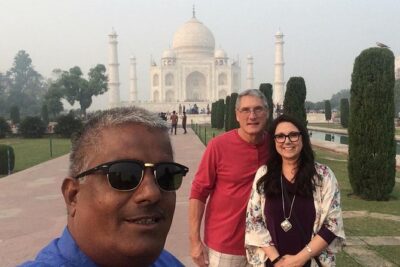
Four-Day Private Luxury Golden Triangle Tour to Agra and Jaipur From New Delhi
Read our review →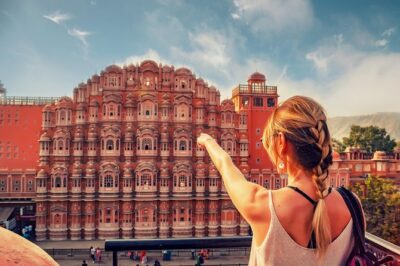
Jaipur Day Trip from Delhi by Car or Train – All Inclusive
Read our review →
Jaipur City Private Day Tour from Delhi by Car – All Inclusive
Read our review →
5 Nights 6 Days Private Golden Triangle Tour – Delhi Agra Jaipur
Read our review →