Reviewed · GOLDEN TRIANGLE TOURS
Golden Triangle of India : Delhi | Agra | Jaipur
The Taj Mahal is only one part of the appeal here. I like that private chauffeured transport takes the strain out of a busy five-day route, and I like having a guide at the main monuments rather than trying to decode Mughal and Rajput history alone. The Old Delhi rickshaw ride is another smart touch, giving you a close look at Chandni Chowk instead of keeping you behind car windows.
The tradeoff is time on the road. Delhi, Agra, Fatehpur Sikri, Abhaneri, Jaipur, and Delhi again make for a packed schedule, and meals are not included. I would also set a firm boundary around shopping stops and restaurant suggestions, since one Italian-language booking raised concerns about being steered toward shops and an expensive meal.
In This Review
- Key points to know before booking
- What the $769 price really covers
- Day 1: Jama Masjid and the many faces of Delhi
- Day 2: The Taj Mahal and Agra Fort
- Day 3: Fatehpur Sikri and Chand Baori
- Day 4: Jaipur’s royal center and the Amber Fort question
- Day 5: The long return to New Delhi
- Guides, drivers, and control of your day
- Who will get the most from this five-day route
- Should you book the Golden Triangle tour?
- FAQ
- How long is the Golden Triangle tour?
- Which cities does the tour visit?
- Is transportation private?
- Is hotel accommodation included?
- Are monument entrance fees included?
- Is the Taj Mahal included?
- Is the Old Delhi rickshaw ride included?
- Are meals included?
- What is the meeting time?
- Can I cancel for a refund?
Key points to know before booking
- Private car for your group: You travel by air-conditioned vehicle rather than joining a large coach, with hotel, port, and airport pickup and drop-off.
- Four hotel nights included: Accommodation is based on twin sharing, though you should confirm the exact hotels and room arrangement before paying.
- Guides at major sights: An English-speaking guide is included for sightseeing, with monument entry fees covered according to the schedule.
- A full Golden Triangle route: Delhi, Agra, Fatehpur Sikri, Abhaneri, Jaipur, and the return to New Delhi fit into five days.
- Useful Old Delhi contrast: The Jama Masjid visit is paired with a one-hour rickshaw ride through Chandni Chowk.
- Strong overall rating, with one practical warning: The tour carries a 4.9 rating from 33 reviews and 97 percent recommendation, but confirm that shopping and dining remain optional.
What the $769 price really covers
At $769 per person, this is not simply a sightseeing ticket. The fee includes four nights of accommodation, a private air-conditioned vehicle, guides, monument admissions, the Old Delhi rickshaw ride, pickup and drop-off, taxes, and two bottles of water per person each day.
That bundle can be useful in India, where arranging separate drivers, train tickets, entrance passes, and local guides takes time and can create needless confusion. You are paying for coordination as much as for transport. The private format is especially helpful if your arrival and departure points differ, since the service can collect you at a hotel, port, or airport and return you to a hotel or the airport at the end.
The price does not include international flights, visas, insurance, meals, drinks, tips, shopping, laundry, phone calls, or other personal costs. Those extras matter. A private car makes the route easier, but it does not make the trip all-inclusive.
Accommodation is on a twin-sharing basis. If you are traveling alone, with children, or want a room to yourself, ask about the supplement before booking. Golden Tulip Agra is cited as one hotel used on this route, but the full hotel list is not specified, so confirm each property, its location, and its room setup.
More Agra and Fatehpur Sikri days:
- Same Day Taj Mahal, Agra Fort & Baby Taj Tour from Delhi by Car
★ 5.0 · 4,304 reviews - Full Day Taj Mahal, Agra Fort & Baby Taj Tour from Delhi by Car
★ 5.0 · 3,647 reviews - From Delhi: Taj Mahal & Agra Private Day Trip with Transfers
★ 4.9 · 3,181 reviews
Day 1: Jama Masjid and the many faces of Delhi
Your arrival begins with customs formalities, followed by a meeting outside Gate 5. A representative waits with a personalized name placard, which is a useful safeguard after a long flight and a busy airport arrival.
The stated meeting time is 9:00 a.m. If your flight lands close to that hour, confirm the timing in advance. Customs delays and baggage collection can easily affect the first morning, and you do not want to rush through the airport because the sightseeing schedule is fixed.
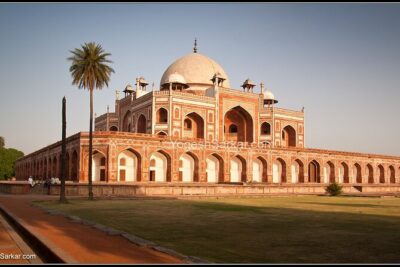
The first major stop is Jama Masjid in Old Delhi. This great mosque introduces you to Shahjahanabad, the Mughal-era city that grew around the old imperial center. The visit lasts about an hour, and admission is included. Dress and behavior should be respectful at this religious site, and your guide can help explain the visit rules.
After Jama Masjid, you take a rickshaw through Chandni Chowk Market. I like this pairing because the mosque gives you scale and architecture, while the rickshaw puts you at street level. The ride lasts about an hour and is included, so you can watch the lanes, shops, food stalls, and daily traffic without negotiating a ride on your own.
This is also the part of the tour where you should be clear about shopping. The route includes markets, and some guides may suggest visits to textile, craft, or other shops. If you are not interested, say so plainly. Shopping should be an option, not an obligation.
Raj Ghat brings a sharp change in mood. This memorial marks the final resting place of Mahatma Gandhi and offers a quieter look at India’s modern political story. The visit is scheduled for an hour, which gives the stop more weight than a quick roadside photograph.
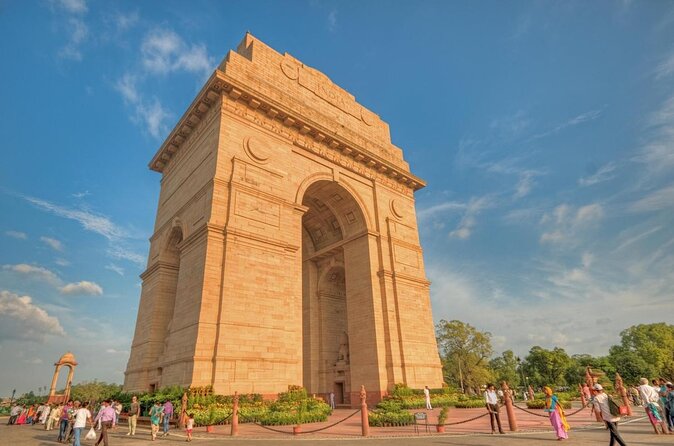
The drive along Rajpath then takes in India Gate, Parliament House, and the President’s House. You may not have a long interior visit at each building, but the route helps you understand New Delhi’s grand planned avenues and government center.
The day ends at Qutub Minar, a UNESCO World Heritage Site. Allow about two hours here. The soaring minaret and surrounding ruins reward a guide who can explain the layers of Delhi’s past, rather than simply pointing out the tallest structure.
You then check in for the first overnight stay in Delhi. This is a long first day, especially if it follows an international arrival, but it gives you a strong mix of religion, street life, national history, and monumental architecture.
Day 2: The Taj Mahal and Agra Fort
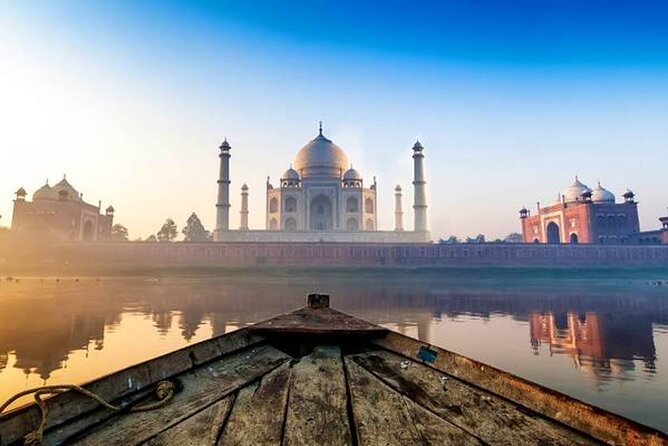
The second day moves to Agra, with the Taj Mahal as the clear centerpiece. The visit lasts about two hours and the entrance fee is included.
The Taj was commissioned by Mughal emperor Shah Jahan in memory of his wife, Mumtaz Mahal. Its white marble, balanced design, and changing light are famous for good reason, but the visit is better when you pause to consider the human story behind the building rather than treating it as a quick photo stop.
Your guide is particularly useful here. The site has details that are easy to miss, from the formal garden design to the calligraphy and the way the structure was positioned beside the Yamuna River. Expect security procedures and crowds at the monument, although the private car and included entry remove some of the usual planning work.
The two-hour allocation is enough for a meaningful visit, but not for a leisurely day of sketching every corner. Keep your expectations realistic. This itinerary is designed to show you the main sights, not give you several hours at each one.
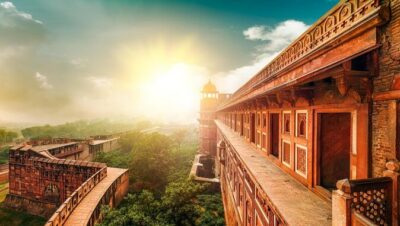
Agra Fort follows, with about an hour inside. Built by Emperor Akbar in 1565 and expanded by later Mughal rulers, the red sandstone complex was both a fortress and a royal residence. Its walls, courtyards, halls, and river views help explain the power behind the Taj Mahal.
I consider Agra Fort essential because it gives context to the Taj. The marble tomb is delicate and symbolic; the fort shows the military and political world that supported the Mughal court. Together, the two stops make Agra more than a one-monument visit.
Meals are not included, so plan to ask your guide or driver about suitable stops, but keep control of the decision. One complaint connected an Italian-language guide with an expensive restaurant bill of 3,200 rupees for two people and unwanted shop visits. That does not define every guide on the route, but it is a good reason to agree on prices before ordering and to decline any stop you do not want.
Day 3: Fatehpur Sikri and Chand Baori
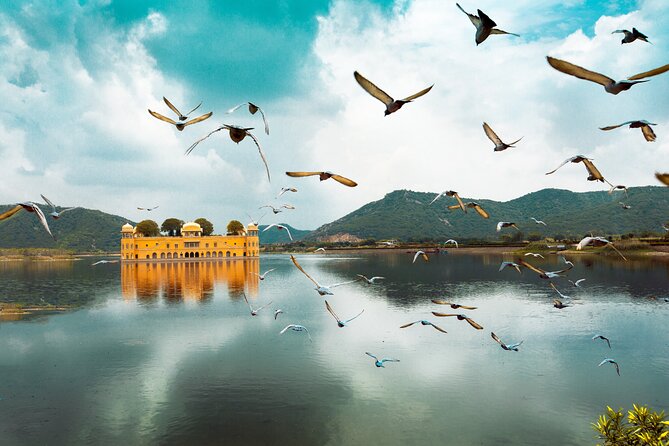
The road to Jaipur includes two worthwhile stops. Fatehpur Sikri comes first, with about two hours scheduled for the former Mughal city.
Emperor Akbar built Fatehpur Sikri in red sandstone, but the city was abandoned after only 12 years. The empty courtyards and grand gateways give the place an unusual feel, and the short period of occupation makes the complex especially interesting. You see an imperial capital that was planned on a large scale yet did not last as a working city.
The site is not just another palace stop. It shows Akbar’s ambition and the changing needs of the Mughal court. A guide can point out the different functions of the buildings and help you read the complex as a city, not a collection of photogenic walls.
The next stop is Chand Baori at Abhaneri, scheduled for about 45 minutes. This ninth-century sandstone stepwell is built around a deep geometric shaft, with repeated steps creating a striking pattern. It is a different kind of achievement from the palaces and forts, designed around water, access, and engineering.
Forty-five minutes is enough to see the stepwell and take photographs, though you should not expect a long guided visit. Its location also breaks up the drive to Jaipur, which is useful on a day with substantial road time.
You continue to Jaipur for hotel check-in and a comfortable overnight stay. This is one of the route’s more demanding days because it combines two major roadside stops with the transfer from Agra to Jaipur. The payoff is variety: Mughal urban planning at Fatehpur Sikri and practical water architecture at Abhaneri.
More Golden Triangle itineraries from New Delhi:
- 3-Days Private Golden Triangle Tour: Delhi, Agra & Jaipur by Car
★ 5.0 · 1,107 reviews - 3-Days Private Golden Triangle Tour: Delhi, Agra & Jaipur by Car
★ 5.0 · 1,098 reviews - 3-Day Delhi, Agra and Jaipur Private Tour – India Golden Triangle
★ 5.0 · 812 reviews - Four-Day Private Luxury Golden Triangle Tour to Agra and Jaipur From New Delhi
★ 5.0 · 807 reviews
Day 4: Jaipur’s royal center and the Amber Fort question
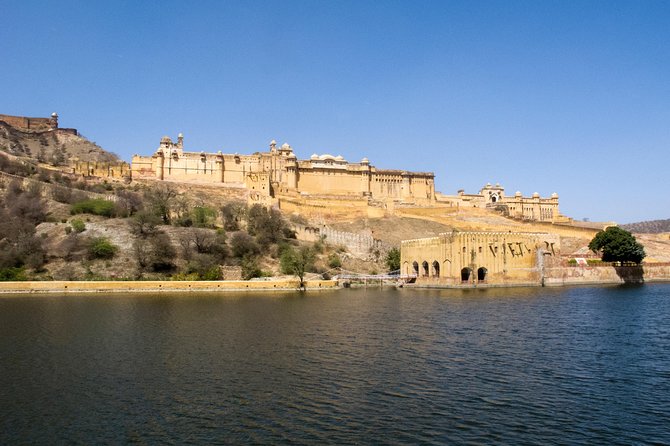
The Jaipur schedule covers several famous sights, but there is an important detail to clarify before booking. The overview highlights Amber Fort, while the day-by-day plan specifically lists City Palace, Jantar Mantar, and Hawa Mahal. Amber Fort is not clearly listed as a timed stop in the detailed schedule.
Ask the operator to confirm whether Amber Fort is included, optional, or covered by a revised route. That question matters because Amber Fort is one of Jaipur’s major attractions, and you should not assume that a mention in the general description guarantees a visit on your date.
The listed day begins at City Palace. This large complex includes the Maharaja’s private chambers and a museum with carpets, miniatures, and other royal objects. The visit lasts about an hour and gives you a compact look at Jaipur’s courtly world.
Jantar Mantar follows, with about 30 minutes scheduled. This 17th-century astronomical observatory contains large instruments built for measuring time and tracking celestial positions. The 27-meter sundial is the visual star of the site, but the real interest is the scale and precision of the instruments.
Thirty minutes is a short visit. I would stay close to the guide and ask for a clear explanation of what each instrument measured. Without that context, the observatory can look like a collection of unusual stone shapes.
The schedule then allows time for Jaipur’s markets, known for textiles and local shopping. Again, keep your choices clear. You may enjoy browsing, but you should not feel pressured to buy carpets, fabrics, jewelry, or crafts. If you are interested in shopping, ask about prices, materials, shipping, and return arrangements before committing.
Hawa Mahal is a 15-minute photo stop. Its ornate façade and screened windows are among Jaipur’s most recognizable sights. Fifteen minutes is enough for a photograph from outside, but not for a slow architectural visit.
This day favors a broad introduction over extended time at any one place. City Palace gives you royal history, Jantar Mantar shows scientific ambition, the markets offer everyday commerce, and Hawa Mahal supplies the famous Jaipur image. If Amber Fort is a priority, confirm it before departure and ask how it affects the schedule.
Day 5: The long return to New Delhi
After breakfast, you leave Jaipur for Delhi. The return transfer is listed at about five hours, so plan this as a travel day rather than a final sightseeing day.
You are dropped at your Delhi hotel or the airport. This is convenient if you are flying out, but check your departure time carefully. The tour does not promise a set airport arrival buffer, and traffic can affect the journey. Give yourself plenty of time between the scheduled return and an international flight.
The private vehicle makes this final leg easier than arranging a separate transfer. You can also finish at a Delhi hotel if you plan to stay longer. No additional sightseeing is listed for the return day.
Guides, drivers, and control of your day
An English-speaking guide is included for sightseeing, with a guide assigned at the principal monuments. This arrangement is better than having one guide speak nonstop for five days because each site has its own specialized setting and story.
The driver handles the long transfers while the guides focus on the monuments. You should still ask practical questions at the start of each day: how long the drive will take, where the next meal stop is, whether shopping is planned, and how much time you have at each sight.
The tour is private, so only your group participates. That gives you more control than a large coach tour, though private does not mean completely flexible. The route has many fixed stops and scheduled durations, particularly at Jantar Mantar and Hawa Mahal.
Two bottles of water per person per day are included. That is helpful, but it is not a substitute for carrying what you need during long drives and monument visits.
Who will get the most from this five-day route
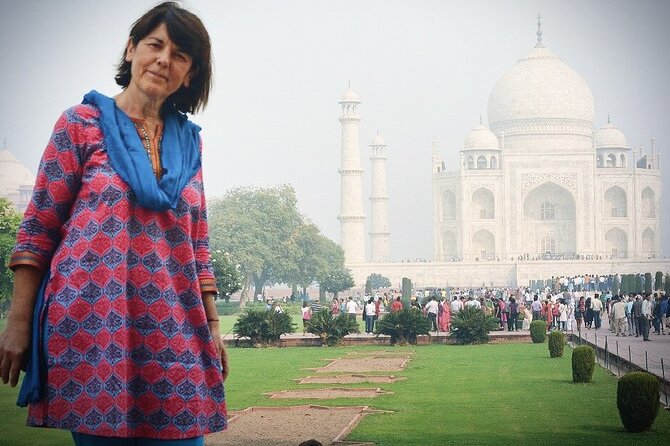
I would recommend this tour to a first-time visitor who wants the classic Delhi, Agra, and Jaipur circuit without arranging separate transport and admission tickets. Couples, families, and small private groups should appreciate the car and the ability to stay together throughout the route.
It also suits you if you value landmarks over slow travel. The itinerary covers a great deal in five days, but it does not leave much room for unplanned wandering, long meals, or extra museums.
You may want a different plan if you dislike road transfers or prefer to spend several nights in each city. The schedule is efficient, not leisurely. You should also look elsewhere if you want meals, flights, luxury hotels, or a fully fixed no-shopping policy included in the price.
The service is described as suitable for most people, with no stated health restrictions. Still, the days involve walking through large monuments and getting in and out of a vehicle repeatedly, so consider your own stamina. The experience requires good weather and a minimum number of bookings. If the operator cancels for either reason, you are offered another date or a full refund.
Should you book the Golden Triangle tour?
Book it if you want the main sights handled in one private package and you accept a busy schedule. The strongest value comes from the combination of private transport, four hotel nights, monument fees, local guides, and airport or hotel transfers. The Taj Mahal, Agra Fort, Fatehpur Sikri, Chand Baori, and Jaipur’s historic center form a solid first visit to northern India.
Before paying, confirm three points: your exact hotels, the language of each guide, and whether Amber Fort is truly included. Then make it clear that shopping and restaurant stops are optional. With those details settled, the $769 price can be a practical way to see the Golden Triangle without spending your trip negotiating every transfer.
FAQ
How long is the Golden Triangle tour?
The tour lasts approximately five days and includes four nights of accommodation.
Which cities does the tour visit?
The route covers New Delhi, Agra, and Jaipur, with stops at Fatehpur Sikri and Abhaneri along the way.
Is transportation private?
Yes. Your group travels in a private air-conditioned vehicle for transfers and sightseeing, and only your group participates.
Is hotel accommodation included?
Yes. Four nights are included on a twin-sharing basis. The exact hotel list is not specified, so confirm the properties before booking.
Are monument entrance fees included?
Yes. Entrance fees for the monuments listed in the program are included.
Is the Taj Mahal included?
Yes. The itinerary includes a two-hour visit to the Taj Mahal, with admission included.
Is the Old Delhi rickshaw ride included?
Yes. A one-hour rickshaw ride through Chandni Chowk is included after the Jama Masjid visit.
Are meals included?
No. Meals and beverages are not included unless specifically stated in the itinerary.
What is the meeting time?
The stated start time is 9:00 a.m. On arrival in Delhi, you meet the representative outside Gate 5, where they will hold a personalized name placard.
Can I cancel for a refund?
Yes. You can cancel at least 24 hours before the experience start time for a full refund. Changes or cancellations made less than 24 hours before the start are not accepted for a refund.
Just added around New Delhi
- Delhi: All-Inclusive Full or Half Day Tour With Hotel Pickup★ 5.0 · 3 reviews
- From Delhi : All Inclusive Taj Mahal Tour by Gatimaan Express★ 5.0 · 3 reviews
- Skip the line: Taj Mahal Agra Private Day Trip From Delhi By Car★ 5.0 · 3 reviews
- Delhi: Old and New Delhi One Day Private Guided City Tour★ 5.0 · 3 reviews
- New Delhi Night City Tour★ 5.0 · 3 reviews
- Old Delhi Half day private city tour★ 5.0 · 3 reviews
- A full-day tour of Old & New Delhi Monument Express Entry★ 5.0 · 3 reviews
- Sultanpur Bird Sanctuary Tour Near Delhi★ 5.0 · 3 reviews
Golden Triangle Tours, compared.
3-Days Private Golden Triangle Tour: Delhi, Agra & Jaipur by Car
Read our review →3-Days Private Golden Triangle Tour: Delhi, Agra & Jaipur by Car
Read our review →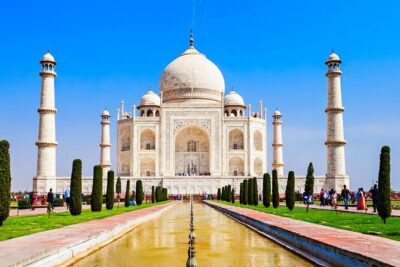
3-Day Delhi, Agra and Jaipur Private Tour – India Golden Triangle
Read our review →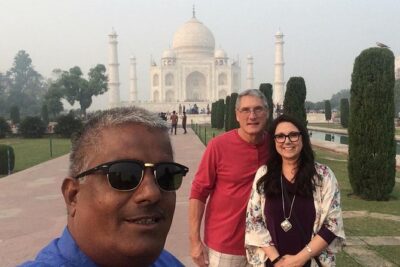
Four-Day Private Luxury Golden Triangle Tour to Agra and Jaipur From New Delhi
Read our review →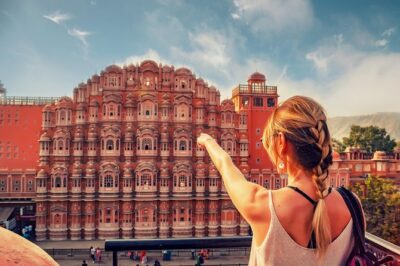
Jaipur Day Trip from Delhi by Car or Train – All Inclusive
Read our review →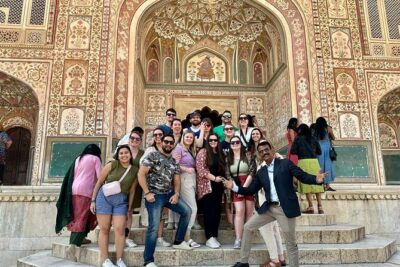
Jaipur City Private Day Tour from Delhi by Car – All Inclusive
Read our review →
5 Nights 6 Days Private Golden Triangle Tour – Delhi Agra Jaipur
Read our review →