
Reviewed · INDIAN COOKING CLASSES
New Delhi- Authentic Hands on Indian cooking class & meal
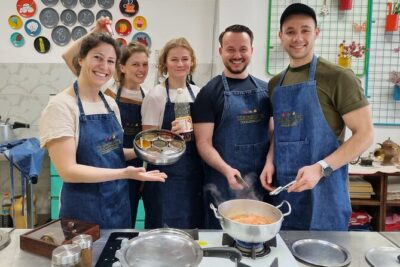
The best part of this Delhi experience is that you do not simply watch someone cook. You work through a full Indian meal, from spice selection to breads, then eat the results at the same table. The setting is a warm, homestyle studio rather than a formal restaurant, which makes the food feel connected to everyday cooking.
I especially like the hands-on spice lesson and the chance to choose a menu that suits you. I also like that the recipes are meant to be practical enough to repeat at home, not just flashy dishes made for a one-time demonstration. The main consideration is the three-hour schedule: this is a full cooking session, not a quick tasting stop, and hotel transfers are not included.
In This Review
- Key points to know before booking
- Cooking Indian food instead of just eating it
- Arriving at Tastesutra Studio near Lajpat Nagar
- A welcome drink and a first look at Indian spices
- Building the meal from curry to dal
- The real skill test: roti and paratha
- Sitting down to your homemade thali
- What the $64 price includes
- Who will enjoy this class most
- Three hours well spent in Delhi
- Booking advice and final verdict
- FAQ
- Where does the cooking class take place?
- How long does the experience last?
- How much does the experience cost?
- What food will I prepare?
- Is a welcome drink included?
- Are ingredients and cooking equipment provided?
- Is hotel pickup and drop-off included?
- Can I request a different menu or report an allergy?
- What languages does the instructor speak?
Key points to know before booking
- A complete Indian meal: Prepare chicken curry, paneer, dal, a seasonal vegetable, two breads, and more.
- Spice guidance included: Learn how common Indian spices are used and why they matter in different dishes.
- A shared meal at the end: Sit down for a homemade thali-style lunch using the food prepared during class.
- A practical Delhi location: Tastesutra Studio is reached conveniently from Lajpat Nagar Metro Station.
- Flexible menu planning: Tell the host about allergies, dietary preferences, or desired dishes when booking.
- Good value for food lovers: The $64 price includes instruction, ingredients, equipment, a welcome drink, and lunch.
Cooking Indian food instead of just eating it
Delhi gives you countless chances to eat Indian food, but a cooking class answers questions that a restaurant meal cannot. Why are spices added at different points? How do you build flavor without making a dish painfully hot? What makes a flatbread soft, layered, or crisp?
This class focuses on those basic techniques. You work with fresh ingredients, examine Indian spices, and prepare food from scratch under the direction of a local host. The aim is not simply to hand you a finished plate. It is to show you how the separate parts of an Indian meal come together.
That distinction matters. A tourist cooking class can easily become a staged show in which you stir one pot and watch the instructor do everything else. Here, the stated format gives you a fuller role. You prepare several dishes, handle the breads, and take away the recipes so you can try them again at home.
The class is taught in English or Hindi. You do not need to be an experienced cook to take part. The emphasis is on traditional methods explained in an easy, practical way, making this a sensible choice for beginners who want more than a recipe card.
More home cooking classes in New Delhi:
- Five Course Cooking Class & Meal
★ 5.0 · 250 reviews - Veg and Non veg : Private Cooking Class in Delhi home (7 meal)
★ 5.0 · 226 reviews - Indian Cooking Class in an Authentic Local Home – Learn 6 Dishes
★ 5.0 · 195 reviews
Arriving at Tastesutra Studio near Lajpat Nagar
Your meeting point is Tastesutra Studio in Delhi. The Delhi Metro is described as a convenient way to reach the studio, with Lajpat Nagar Metro Station the stop to use. Since pickup and drop-off are not included, planning this route in advance will save you from starting the class in a rush.
The location also affects the value of the experience. You are going to a dedicated cooking space rather than paying for a meal at a hotel restaurant. That means the focus stays on food preparation, conversation, and the shared table afterward.
The available information does not specify the exact class size, so I would not assume a private lesson or a tiny group. If the size of the group matters to you, ask before booking. The class is suitable for solo visitors, couples, and groups of friends, but the amount of individual cooking time can depend on how many people are taking part.
A welcome drink and a first look at Indian spices
The session begins with a welcome drink and water. Depending on the arrangement, the drink may be masala chai or lassi. It is a small touch, but it gives the class a gentle start before the chopping, stirring, and bread-making begin.
Next comes an introduction to Indian spices and their uses. This is one of the most useful parts for a home cook. Indian food does not depend on one mysterious curry powder. Different spices bring different aromas, colors, warmth, and depth, and the timing of each addition can change the final dish.
You will become familiar with the ingredients used in the meal and learn how they fit into traditional Indian cooking. The class is especially helpful if your spice cupboard at home is full of unfamiliar packets. Instead of buying a long list of ingredients without knowing what to do with them, you get a clearer sense of how they are used.
The lesson also has cultural value. Food is one of the easiest ways to understand daily life in India, and the host explains techniques connected with home cooking passed down through generations. The result is more useful than a simple list of recipes because you begin to understand the habits behind the food.
Building the meal from curry to dal
The main cooking session includes one chicken curry, one paneer dish, one lentil preparation, and one seasonal vegetable. That is a generous spread for a three-hour class, especially when you add breads and rice.
The chicken curry gives you a chance to work with a familiar Indian staple. You can pay attention to how the base develops and how spices are balanced rather than added at random. If you already enjoy Indian food, this may be the dish you most want to recreate at home.
The paneer preparation offers a meat-free counterpoint. Paneer, a fresh cottage cheese used widely in Indian cooking, takes on the flavors around it and works well in a shared meal. Having both chicken and paneer on the menu also makes the class more useful for mixed groups with different food preferences.
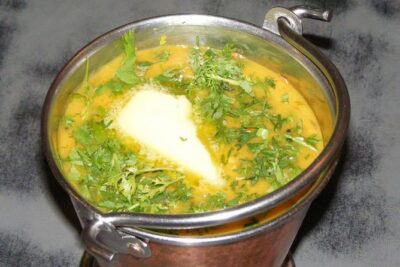
Dal brings another essential element. Lentils are central to many Indian meals because they are filling, adaptable, and suited to home kitchens. Learning one dal preparation gives you something practical to repeat on an ordinary evening, not only for a special occasion.
The seasonal vegetable rounds out the meal. Since the exact vegetable is not specified, the dish may change according to what is available. That is a good reflection of how home cooking works, though anyone looking for a particular vegetable dish should ask about the menu before arrival.
A few more New Delhi departures worth comparing
- Delhi: AI Cooking Class and Much More in a Local Family Home
★ 5.0 · 85 reviews - New Delhi: Indian Cooking Class in a Local Home
★ 5.0 · 65 reviews - Spice Knight (Cooking Class -> Meal -> Local Market walk)
★ 5.0 · 59 reviews - Vegetarian : Private Cooking Class in Delhi home ( Learn 7 meal)
★ 5.0 · 58 reviews
The real skill test: roti and paratha
Two kinds of Indian bread are included: roti and paratha. For many people, this will be the most entertaining and demanding part of the class.
Roti is a simple flatbread, but getting the dough, shape, and cooking right takes practice. Paratha adds another layer of technique, with a different texture and preparation method. Making both gives you a better idea of how Indian breads vary, and it prevents the meal from becoming a collection of curries with rice on the side.
I like the inclusion of breads because they turn the class into a proper cooking lesson rather than a sauce workshop. You are learning a skill that cannot be understood fully by watching a demonstration. Your first piece may not look perfect, and that is part of the fun. The point is to learn the feel of the dough and the basic method.
Rice is served with the meal as well. Unlike the breads, it is not listed as a separate preparation, so you should expect it to accompany the dishes rather than be a major part of the instruction.
Sitting down to your homemade thali
Once the food is ready, you sit down with the group and eat together. The meal includes the dishes prepared in class, rice, and a traditional Indian dessert. This shared ending gives the session a clear reward: you can taste the difference between food you have just helped prepare and food ordered from a menu.
The format is described as a thali experience, meaning a meal made up of several complementary dishes rather than one large main course. That variety is useful because it lets you compare flavors and textures in one sitting. You can move from dal to paneer, curry to vegetable, and bread to rice without needing another restaurant stop.
The dessert is served rather than listed as a dish you prepare. That keeps the workload manageable within three hours, though it also means the sweet course is more of a final taste than a separate lesson.
The meal is also a chance to talk with the host and other people in the class. You are not only taking a cooking lesson; you are sharing a table in a local setting. For solo visitors, that social element may be one of the strongest reasons to book.
What the $64 price includes
At $64 per person, this is not the cheapest way to have lunch in Delhi. You can eat well for far less at local restaurants. The value comes from the combination of instruction, food, ingredients, equipment, and the experience of preparing the meal yourself.
Your price includes:
- Cooking instruction
- Ingredients
- Cooking equipment and cutlery
- A welcome drink and water
- Lunch
- The meal prepared during the class
- Recipes to take home
That final point matters. A restaurant meal gives you a memory and perhaps a photograph. This class gives you techniques and recipes you can use after leaving India. If you cook Indian food at home, the price becomes easier to justify because the lesson has value beyond the three-hour visit.
The cost is also easier to assess if you view the experience as both a meal and a cultural activity. You are not paying $64 for a plate of curry. You are paying for a guided session, a full lunch, hands-on practice, and access to a local way of cooking.
Still, value depends on your interests. If you dislike cooking or want to spend your limited Delhi time visiting monuments, a restaurant meal may suit you better. If you enjoy food and want a more active experience, the class offers considerably more than lunch alone.
Who will enjoy this class most
I would recommend this experience to anyone who wants a practical introduction to Indian food. It fits first-time visitors who want a cultural activity that does not require a full day, as well as experienced home cooks looking for ideas to take home.
It is particularly well suited to:
- Solo visitors who enjoy meeting people around a shared meal
- Couples looking for a relaxed food-focused activity
- Friends who want to cook together
- Beginners who need clear guidance
- Vegetarians who want to request suitable dishes
- Food lovers who want to understand Indian spices
- People who prefer learning by doing
The menu includes chicken, paneer, lentils, vegetables, breads, rice, and dessert, so the meal has plenty of range. If you have dietary restrictions, tell the host at booking. Specific dishes may be accommodated, but you should not wait until the class begins to raise an allergy or preference.
Pets are not allowed. Hotel pickup and drop-off are also not provided, so you need to make your own way to the studio.
Three hours well spent in Delhi
Three hours is long enough to cover a substantial meal without turning the session into an all-day commitment. You have time for the welcome drink, spice introduction, preparation, cooking, and meal.
The pace may feel full, especially because the menu contains several separate components. That is a benefit if you want a serious lesson, but it may feel like work if you are hoping for a slow lunch with only a little instruction. Wear something comfortable and come ready to participate.
The strongest part of the format is its usefulness after your holiday. A visitor from Switzerland described learning why spices matter in Indian cooking and appreciated being shown dishes that were easy to make at home. Another booking described the five-course class as step-by-step, easy to follow, hands-on, and very tasty.
Those details point to the class’s main strength: it is designed to make Indian cooking feel approachable. You are not expected to master every technique in one morning or afternoon. You are given a working foundation and recipes you can practice later.
Booking advice and final verdict
You can cancel up to 24 hours before the activity for a full refund, and the reserve-now, pay-later option keeps your plans flexible. Starting times depend on availability, so check the schedule before building the rest of your Delhi day around it.
I would book this class if you want to understand Indian food from the inside, especially if you are curious about spices, breads, and recipes you can repeat at home. The combination of chicken curry, paneer, dal, vegetables, roti, paratha, rice, and dessert gives you a proper meal rather than a narrow demonstration.
I would skip it if you do not enjoy cooking, if your Delhi schedule is already crowded, or if you mainly want a quick meal. For everyone else, the $64 fee buys a useful and sociable three-hour experience at Tastesutra Studio, with enough food and instruction to make the class feel like more than a standard lunch stop.
FAQ
Where does the cooking class take place?
The class takes place at Tastesutra Studio in New Delhi.
How long does the experience last?
The cooking class lasts three hours.
How much does the experience cost?
The listed price is $64 per person.
What food will I prepare?
You will prepare a chicken curry, a paneer dish, a lentil dish, a seasonal vegetable, roti, and paratha. Rice and a traditional Indian dessert are served with the meal.
Is a welcome drink included?
Yes. The experience includes one welcome beverage, such as masala chai or lassi, along with water.
Are ingredients and cooking equipment provided?
Yes. Ingredients, cooking equipment, and cutlery are included.
Is hotel pickup and drop-off included?
No. Hotel pickup and drop-off are not included. The Delhi Metro is a convenient way to reach the studio, and you should get off at Lajpat Nagar Metro Station.
Can I request a different menu or report an allergy?
Yes. Tell the host about allergies, dietary preferences, or requests for specific dishes when you book. Requests may be accommodated through a customized menu.
What languages does the instructor speak?
The instructor teaches in English and Hindi.
More Workshops in New Delhi
- 5 Senses Tour – Old + New Delhi, Workshops, Lunch all inclusive
★ 5.0 · 386 reviews - Local Market Tour & Five Course Meal Class
★ 5.0 · 62 reviews - Royal Taj Mahal Day Experienc From New Delhi By First Class Train
★ 5.0 · 43 reviews - Half Day Yoga Meditation Workshop (6 Hrs) in New Delhi
★ 5.0 · 36 reviews
Just added around New Delhi
- Delhi: All-Inclusive Full or Half Day Tour With Hotel Pickup★ 5.0 · 3 reviews
- From Delhi : All Inclusive Taj Mahal Tour by Gatimaan Express★ 5.0 · 3 reviews
- Skip the line: Taj Mahal Agra Private Day Trip From Delhi By Car★ 5.0 · 3 reviews
- Delhi: Old and New Delhi One Day Private Guided City Tour★ 5.0 · 3 reviews
- New Delhi Night City Tour★ 5.0 · 3 reviews
- Old Delhi Half day private city tour★ 5.0 · 3 reviews
- A full-day tour of Old & New Delhi Monument Express Entry★ 5.0 · 3 reviews
- Sultanpur Bird Sanctuary Tour Near Delhi★ 5.0 · 3 reviews
Indian Cooking Classes, compared.
Veg and Non veg : Private Cooking Class in Delhi home (7 meal)
Read our review →
Indian Cooking Class in an Authentic Local Home – Learn 6 Dishes
Read our review →
AI Cooking Class and Much More in a Local Family Home
Read our review →
Spice Knight (Cooking Class -> Meal -> Local Market walk)
Read our review →
Vegetarian : Private Cooking Class in Delhi home ( Learn 7 meal)
Read our review →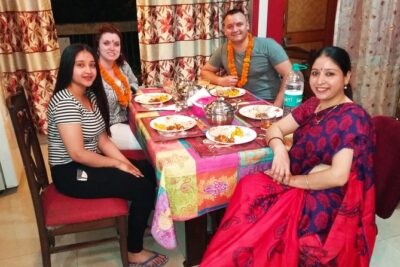
Cooking Demo + Lunch/Dinner and interaction with an Indian family @ Chez Anjali
Read our review →Browse the lists this tour appears in