Reviewed · GOLDEN TRIANGLE TOURS
Private 4-Days Golden Triangle Luxury Tour From Delhi
The best part of this four-day Golden Triangle tour is its early start at the Taj Mahal. You reach the monument around sunrise, before the heat and the largest crowds, then continue through Agra and Jaipur with your own driver and local guides. It is a smooth way to see three huge destinations without managing Indian roads yourself.
I especially like the private car and flexible routing, since you can adjust sightseeing around your interests. The second strong point is the choice of luxury hotel accommodation, with a separate option for arranging your own rooms. The main caution is the pace: long drives, early mornings, and three major cities in four days can leave you tired.
In This Review
- Key points at a glance
- Why this Golden Triangle route works
- Delhi begins with famous sights and a stepwell
- Sunrise at the Taj Mahal is the tour’s prize moment
- Agra Fort and the Baby Taj add context
- Jaipur mixes forts, water steps, and royal showpieces
- The vehicles and guides shape the experience
- Luxury hotels, room arrangements, and the real price
- Who will enjoy this tour most
- Practical advice before you go
- Should you book this Golden Triangle tour?
- FAQ
- How long does the tour last?
- Where can pickup and drop-off take place?
- Are hotels and breakfast included?
- What vehicle will a private group use?
- Are monument entry tickets included?
- Which languages are available for the guides?
Key points at a glance
- Sunrise at the Taj Mahal: Enter the mausoleum early, with a two-hour guided visit before the day becomes hot and crowded.
- Three different cities: Delhi offers imperial and modern landmarks, Agra centers on Mughal monuments, and Jaipur brings forts, palaces, and stepwells.
- A private vehicle throughout: You travel by sedan, wagon, or minivan according to group size, with pickup and drop-off in Delhi, Noida, or Gurugram.
- A new guide in each destination: Local guides are assigned in Delhi, Agra, and Jaipur, giving each city its own specialist.
- Hotel choice: Select the package with three nights of accommodation and breakfast, or book your own rooms.
- Flexible sightseeing: You can discuss interests and timing in advance rather than follow a rigid group schedule.
Why this Golden Triangle route works
Delhi, Agra, and Jaipur form a practical first look at northern India. Delhi gives you layers of imperial, colonial, and modern life. Agra brings the Taj Mahal and the Mughal court. Jaipur adds Rajput forts, royal residences, ornate facades, and carefully planned streets.
This private tour links the three cities in a sensible order. You begin with a half-day in Delhi, drive to Agra, spend the next morning at the Taj Mahal, and then continue to Jaipur. On the fourth day, you return to Delhi for a hotel, railway station, or airport drop-off.
The route is efficient, but not leisurely. Delhi to Agra takes about three and a half hours by expressway. Agra to Jaipur takes about five hours, and Jaipur to Delhi fills much of the final morning. You should see this as a sightseeing transfer with major stops, not as a slow cultural retreat.
The private format helps. You are not waiting for a large bus to fill, and you can ask to adjust the plan around your interests. That matters in India, where a short pause for food, cash, or rest can make a long day much easier.
More Golden Triangle itineraries from New Delhi:
- 3-Days Private Golden Triangle Tour: Delhi, Agra & Jaipur by Car
★ 5.0 · 1,107 reviews - 3-Days Private Golden Triangle Tour: Delhi, Agra & Jaipur by Car
★ 5.0 · 1,098 reviews - 3-Day Delhi, Agra and Jaipur Private Tour – India Golden Triangle
★ 5.0 · 812 reviews
Delhi begins with famous sights and a stepwell
Pickup is available from a hotel, airport, railway station, or another requested location in Delhi, Noida, or Gurugram. That is useful if you arrive at odd hours or are staying outside central Delhi.
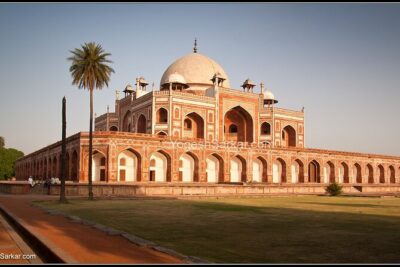
The first day is a half-day city tour. Qutub Minar is the major historical stop, a tall medieval tower built by Qutub-ud-din Aibek. Its carved stonework and surrounding ruins give you a strong introduction to early Islamic architecture in India.
You also visit the Lotus Temple, the Bahai house of worship known for its white, flower-shaped design. It is a calmer stop than many of Delhi’s crowded monuments, though the amount of time available can vary with traffic and the day’s schedule.
India Gate and the nearby government district offer a different view of the capital. You drive past Parliament House and the President’s Palace, reminders of Delhi’s modern political role and its colonial-era planning.
Agrasen Ki Baoli, an old stepwell, is one of the more unusual stops. Its descending flights of stairs create a dramatic geometric view, and it offers a break from the grand official buildings and famous towers. Bring comfortable shoes, since sightseeing includes walking and uneven surfaces.
After Delhi, you take the expressway to Agra. The drive is not the most scenic part of the trip, but private transport keeps it simple. Bottled mineral water is provided during the journeys, and the driver takes you to your hotel for check-in and rest.
Sunrise at the Taj Mahal is the tour’s prize moment
The second day starts early. You visit the Taj Mahal at sunrise and spend about two hours with a private guide. The early hour is valuable for three reasons: cooler air, softer light, and fewer people inside the complex.
The Taj Mahal is more than a quick photo stop. Take time to look at the balance of the main building, the minarets, the gardens, and the marble details. The changing light can make the monument appear warm, gray, or almost pink as the morning develops.
The package includes a battery bus ride between the parking area and the monument. This saves you a walk and is particularly helpful if you are carrying little or have limited mobility. The tour is listed as wheelchair accessible, though you should still discuss your needs in advance.
Entry tickets to the monuments are not included. Guides help you buy them, but some sites may not accept credit cards. Carry Indian cash, or ask the driver to help locate an ATM. This is a small detail, but it prevents a needless delay at the first major stop of the day.
After the Taj Mahal, you return to the hotel for breakfast. That order is sensible. You see the monument at the best time, then eat and rest before more sightseeing.
Agra Fort and the Baby Taj add context

Agra Fort is not just another palace stop. Its walls, courtyards, audience halls, and royal rooms help explain the power that produced the Taj Mahal. The fort also gives you a different sense of Mughal architecture, with more emphasis on defense, court life, and controlled access.
The Tomb of Itimad-ud-Daulah is often called the Baby Taj. It is smaller and quieter than the main mausoleum, but the delicate decoration makes it worthwhile. Think of it as a refined preview of some ideas later used at the Taj Mahal, rather than a substitute for it.
Your Agra guide can help you connect the monuments, while the driver handles the transfer afterward. The next journey to Jaipur takes about five hours. That is the toughest transport leg of the tour, especially after a sunrise start.
I would use the hotel break in Agra well. Eat, charge your phone, and avoid packing too many extra stops into the afternoon. The tour gives you the essential Agra sights, but the schedule rewards travelers who conserve energy.
A few more New Delhi departures worth comparing
- Delhi: Old and New Delhi Private Full or Half-Day Tour
★ 4.9 · 3,776 reviews - From Delhi: Taj Mahal & Agra Private Day Trip with Transfers
★ 4.9 · 3,181 reviews - All Inclusive Private Taj Mahal Luxury Tour from Delhi by Car
★ 5.0 · 2,564 reviews - Delhi: Private Old & New Delhi Guided Half- or Full-Day Tour
★ 4.9 · 2,309 reviews
Jaipur mixes forts, water steps, and royal showpieces
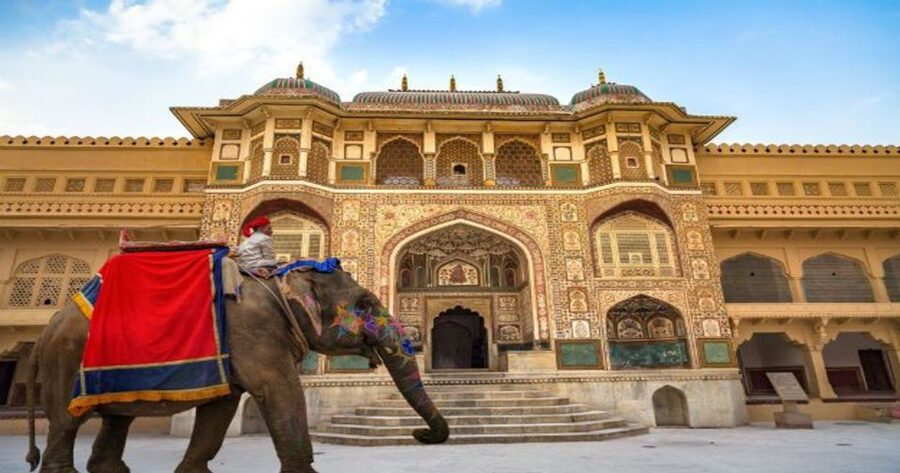
Jaipur’s day begins at Amber Fort, outside the central city. The hilltop setting gives you broad views and a clear sense of why the fort was built where it was. Inside, you see courtyards, gateways, and richly decorated palace spaces tied to Jaipur’s Rajput rulers.
Before the fort, the itinerary includes Panna Meena ka Kund. This old stepwell is known for its symmetrical stairways, which form one of the most striking patterns on the route. It is a brief but worthwhile stop, especially if you enjoy architecture that is both practical and beautiful.
Jal Mahal follows, with a view of the palace set in the water. You normally appreciate this place from the outside rather than as an interior visit. It works well as a photo stop between the fort area and the city center.
Gatore ki Chhatriyan brings a quieter mood. Its carved cenotaphs honor Jaipur’s former rulers and have a more intimate feel than the city’s larger palaces. The detailed stonework rewards a slow look, so do not rush through simply to reach the next famous building.
Hawa Mahal, the Palace of the Winds, is Jaipur’s best-known facade. Its many small windows were designed to allow royal women to observe street life without being seen. The exterior is the main visual draw, though your guide can explain how it fits into the larger palace district.
At Jantar Mantar, you see huge stone astronomical instruments built to measure time and track the movement of celestial bodies. It is easier to understand with a guide, since the structures can look abstract without an explanation of how they were used.
The City Palace completes the day with royal courtyards, decorated rooms, and museums connected to Jaipur’s maharajas. The combination of Amber Fort, City Palace, Hawa Mahal, and Jantar Mantar can feel full, but it gives you a strong first visit to Jaipur.
The vehicles and guides shape the experience

The vehicle depends on your party size. One or two people travel in a four-seat sedan, three or four people in a six-seat wagon, and groups of five to ten in a ten-seat minivan. All transport is private and air-conditioned.
That arrangement gives couples the most space, while larger groups should expect a more compact ride once luggage is included. Ask about luggage room if you are carrying several large bags, since the supplied information specifies seating capacity but not trunk capacity.
A new local guide is assigned in each destination. This is useful because Delhi, Agra, and Jaipur have different stories and sightseeing patterns. It also means you should not expect one guide to accompany you for all four days.
Names associated with especially well-organized bookings include driver Dinesh and guide Raj. Service has also been offered in English, Hindi, French, Japanese, Spanish, German, and Italian. Confirm your preferred language when booking, rather than assuming it will be available on arrival.
The strongest practical praise has centered on punctuality, support, comfortable transport, and careful organization. That matches the main value of a private Golden Triangle tour: you can focus on the monuments while someone else handles the roads, parking, and city-to-city movement.
Luxury hotels, room arrangements, and the real price
The hotel-included package provides three nights of accommodation and daily breakfast. Rooms are generally twin-share. For three people, triple-share is the default, while two rooms require an extra cash payment.
That room rule matters more than the word luxury. If you are a couple, the arrangement is straightforward. If you are three friends or family members, settle the sleeping plan before departure and confirm any extra charge in writing.
You can also choose the option without hotel bookings. This may suit you if you have loyalty benefits, already reserved rooms, or want to choose a particular neighborhood and hotel standard.
The displayed price of $8 per person requires careful checking. A figure that low is unlikely to tell the whole story for a four-day private trip with hotels, guides, vehicle, taxes, and multiple city transfers. Confirm the exact date, party size, hotel option, and what is included before paying.
Also budget for monument entry tickets and guide tips, since these are excluded. You may need cash at several sites. The package does include taxes and service charges, hotel taxes where applicable, transport, guides, water, pickup, and drop-off, which reduces the number of extra costs once the base price is clear.
Who will enjoy this tour most
I would choose this tour if you want to see the major Golden Triangle sights but do not want to arrange Indian transport on your own. It is a good fit for first-time visitors, couples, families, and small groups that value a private vehicle.
It also suits you if you want a polished introduction rather than a completely independent trip. The driver, city guides, hotel option, and ticket assistance remove many small decisions.
You may want a slower plan if you dislike early mornings or long drives. The Taj Mahal sunrise visit is special, but it comes after an early start, and the Agra to Jaipur transfer takes about five hours. Jaipur itself has enough sights for more than one day, so this itinerary gives you highlights rather than a relaxed study of the city.
The tour can work for older travelers and people using wheelchairs because the activity is listed as wheelchair accessible and the Taj Mahal battery bus is included. Still, the monuments involve walking, stairs, and uneven areas, so share your mobility needs ahead of time.
Practical advice before you go

Wear comfortable walking shoes and use sun protection. You will move through large historic sites, courtyards, forts, and stepwells, often in strong heat.
Carry your passport or ID card, some cash for monument tickets, and a small amount of water beyond the supplied bottles if you prefer to drink often. Keep your phone charged for pickup coordination and photographs.
Discuss your priorities before the tour begins. If you care most about architecture, photography, religious buildings, or everyday city life, the itinerary can be adjusted to suit your interests and schedule.
Keep the final day simple. After breakfast in Jaipur, you drive back to Delhi for an airport, railway station, or hotel drop-off. Do not schedule a tight international flight unless you have allowed plenty of extra time for the road journey.
Free cancellation is available up to 24 hours before departure, and you can reserve now without paying immediately. Those terms help if your India plans are still shifting, but they do not replace checking the final price and hotel details.
Should you book this Golden Triangle tour?
Book it if you want the classic Delhi, Agra, and Jaipur route with a private driver, local guides, early Taj Mahal access, and the comfort of optional luxury hotels. Its best features are practical: reliable transport, personal attention, help with monument tickets, and a flexible plan.
Skip it if you want long unplanned afternoons, several nights in each city, or a very low-cost independent trip. The schedule is active, the drives are real, and entry tickets and tips cost extra.
For most first visits, I would consider the tour a strong way to get your bearings and see the essential monuments without wrestling with north India’s logistics. Just verify the unusually low advertised price, settle the room arrangement, and accept that the Golden Triangle is a fast four-day introduction rather than the final word on Rajasthan.
FAQ
How long does the tour last?
The full private itinerary takes four days and includes three nights. The activity listing also shows a duration range of two hours to four days because starting times and booking options can vary.
Where can pickup and drop-off take place?
Pickup is available from a hotel, airport, railway station, or another requested location in Delhi, Noida, or Gurugram. On the final day, drop-off can be arranged at a Delhi airport, railway station, or hotel.
Are hotels and breakfast included?
They are included only when you select the hotel package. That option provides three nights and daily hotel breakfast. You can also choose an option without hotel bookings.
What vehicle will a private group use?
One or two people travel in a four-seat sedan. Groups of three or four use a six-seat wagon, and groups of five to ten use a ten-seat minivan.
Are monument entry tickets included?
No. Entry tickets are extra. Guides can help you purchase them, and you should carry cash because some monuments may not accept credit cards.
Which languages are available for the guides?
Guides are available in English, Hindi, French, Japanese, Spanish, German, and Italian. A new guide is assigned in each destination.
Just added around New Delhi
- Delhi: All-Inclusive Full or Half Day Tour With Hotel Pickup★ 5.0 · 3 reviews
- From Delhi : All Inclusive Taj Mahal Tour by Gatimaan Express★ 5.0 · 3 reviews
- Skip the line: Taj Mahal Agra Private Day Trip From Delhi By Car★ 5.0 · 3 reviews
- Delhi: Old and New Delhi One Day Private Guided City Tour★ 5.0 · 3 reviews
- New Delhi Night City Tour★ 5.0 · 3 reviews
- Old Delhi Half day private city tour★ 5.0 · 3 reviews
- A full-day tour of Old & New Delhi Monument Express Entry★ 5.0 · 3 reviews
- Sultanpur Bird Sanctuary Tour Near Delhi★ 5.0 · 3 reviews
Golden Triangle Tours, compared.
3-Days Private Golden Triangle Tour: Delhi, Agra & Jaipur by Car
Read our review →3-Days Private Golden Triangle Tour: Delhi, Agra & Jaipur by Car
Read our review →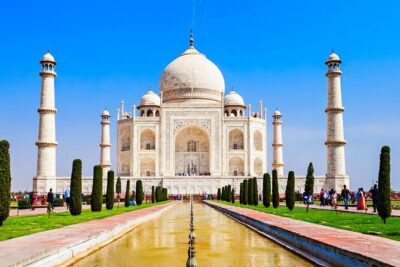
3-Day Delhi, Agra and Jaipur Private Tour – India Golden Triangle
Read our review →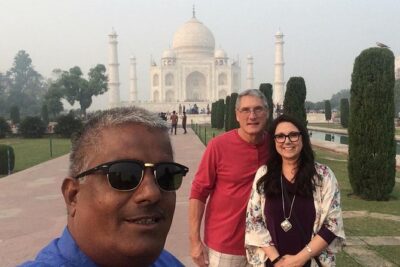
Four-Day Private Luxury Golden Triangle Tour to Agra and Jaipur From New Delhi
Read our review →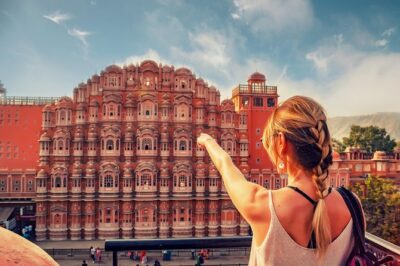
Jaipur Day Trip from Delhi by Car or Train – All Inclusive
Read our review →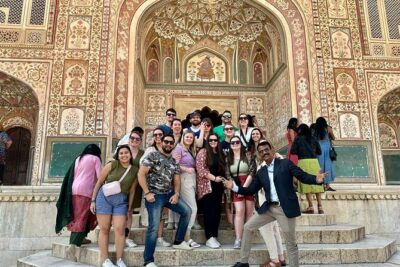
Jaipur City Private Day Tour from Delhi by Car – All Inclusive
Read our review →
5 Nights 6 Days Private Golden Triangle Tour – Delhi Agra Jaipur
Read our review →