
Reviewed · GOLDEN TRIANGLE TOURS
Private 6-Night Golden Triangle and Nepal Tour from Delhi
The real appeal here is the sheer range: in seven days, you move from Mughal tombs and the Taj Mahal to Rajput palaces, Buddhist stupas, Hindu temples, and Himalayan viewpoints. A private car and local guides keep the route personal, while premium hotels give you a comfortable place to recover from long road days.
I like the sunrise Taj Mahal visit, which gives you the best chance of cooler air and softer light, and I like the final night in Nagarkot, where the day ends with mountain views rather than another city hotel. The named guides and drivers associated with the service include Mahesh, Ashok, Bishnu, Bittu, Manoj, and KK Sharma.
The main drawback is pace. You cover a great deal of ground, with long drives between Delhi, Agra, Jaipur, and Delhi again, followed by a flight to Kathmandu. The Delhi to Kathmandu flight is also not included, and the listed meeting information should be confirmed because the route begins in Delhi but also gives Kathmandu as a meeting point.
In This Review
- Key points to know before booking
- Delhi begins with Mughal grandeur and imperial avenues
- Sunrise at the Taj Mahal sets the tone in Agra
- Jaipur brings forts, palaces, and precise astronomy
- Kathmandu shifts the trip from palaces to sacred places
- Patan and Bhaktapur show Kathmandu Valley at its finest
- Nagarkot sunrise is a fitting final morning
- What the private format adds
- Is $1,220 a fair price?
- Practical details that can affect your trip
- Who should book this Golden Triangle and Nepal tour?
- FAQ
- How long is the Golden Triangle and Nepal tour?
- What cities and regions does the tour visit?
- Is the Delhi to Kathmandu flight included?
- Are hotels and breakfasts included?
- Is this a private tour?
- Do I need an Indian visa and a Nepal visa?
- What happens if I need to cancel?
Key points to know before booking
- The Taj Mahal comes first at sunrise: You visit this essential sight before breakfast, with entry and the return battery bus ride from the parking area included.
- Jaipur packs in five major sights: Amber Palace, Jal Mahal, Hawa Mahal, City Palace, and Jantar Mantar fill the main sightseeing day.
- Kathmandu gets two full sightseeing days: You visit four major sites on Day 5, then Patan and Bhaktapur before continuing to Nagarkot.
- Private transport changes the feel: Your group travels in a private air-conditioned vehicle instead of joining a large coach tour.
- The price includes useful basics: Six hotel nights, six breakfasts, one dinner in Nagarkot, guides, entrance fees, bottled water, and road transport are included.
- The route is best for a first visit: You see the headline sights of North India and Nepal, but you sacrifice relaxed pacing and free time.
Delhi begins with Mughal grandeur and imperial avenues
Your first day starts at 9 a.m. with pickup from a chosen address in Delhi, Gurugram, or Noida. That later start is practical after an international arrival, although it still leaves you enough time for a strong half-day introduction to the capital.
Humayun’s Tomb is an excellent opening stop. The red sandstone and white marble structure gives you an early look at Mughal design, with its formal gardens and balanced shapes. It also prepares you for the Taj Mahal, since the tomb’s design helped shape the later monument in Agra.
Qutub Minar changes the mood. This soaring Afghan-style victory tower rises above a historic complex and gives you a sense of the early Islamic architecture that followed the establishment of the Delhi Sultanate. Allowing about an hour here is enough for the tower and surrounding ruins, though you will not have time for a slow archaeological study.
The Lotus Temple offers a quieter pause. Its white marble petals form a lotus, and the building welcomes people of different faiths for silent prayer or meditation. It is closed on Mondays, so you should confirm that your first day does not fall on that day if this stop matters to you.
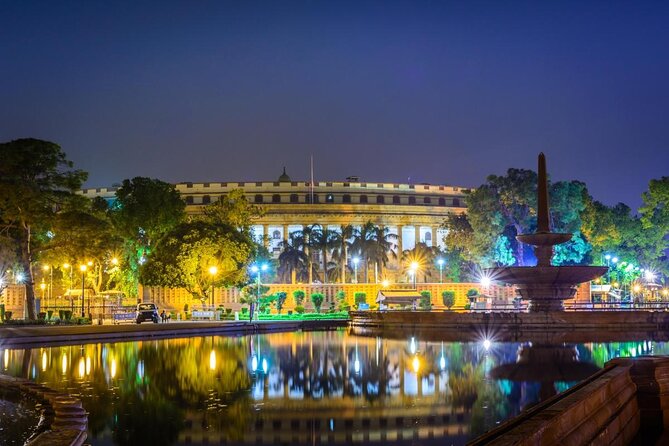
India Gate and the government district provide a more modern political contrast. You see the 42-meter memorial arch, Parliament, and Rashtrapati Bhavan, the President’s House. Since some of these are viewed from outside or from the vehicle, this part is more about orientation than detailed interior visits.
After sightseeing, you drive roughly three hours to Agra by express highway. That road transfer is far easier than taking a slower local route, but it still makes Day 1 a full day. Once you reach Agra, you check into the hotel and prepare for an early start.
More Golden Triangle itineraries from New Delhi:
- 3-Days Private Golden Triangle Tour: Delhi, Agra & Jaipur by Car
★ 5.0 · 1,107 reviews - 3-Days Private Golden Triangle Tour: Delhi, Agra & Jaipur by Car
★ 5.0 · 1,098 reviews - 3-Day Delhi, Agra and Jaipur Private Tour – India Golden Triangle
★ 5.0 · 812 reviews
Sunrise at the Taj Mahal sets the tone in Agra
The Taj Mahal visit on Day 2 is the emotional center of the India portion. You go at sunrise, subject to clear weather, and spend about two hours at the monument. The early timing can mean less heat and gentler light, though clouds or haze may soften the famous view.
The Taj was built by Shah Jahan as a memorial to his wife Mumtaz Mahal. Your guide can help you read the building beyond its postcard image: the symmetry, the marble work, the minarets, and the way the monument changes as you approach it. The return battery bus from the parking area is included, which saves you from a hot walk at the end.
After breakfast, Agra Fort provides the historical counterpoint. This vast red sandstone complex includes courtyards, palaces, and views toward the Yamuna River. The fort helps explain the power of the Mughal court and gives you a more substantial sense of how rulers lived and governed than the Taj alone can provide.
The afternoon transfer to Jaipur takes about five hours. This is one of the tour’s less glamorous stretches, and you should expect the day to feel road-heavy. The benefit is that you reach the Pink City without having to arrange another hotel or transport connection yourself.
Jaipur brings forts, palaces, and precise astronomy
Jaipur’s main sightseeing day starts at Amber Palace, around 11 kilometers northeast of the city. The honey-colored fort climbs a rocky hillside and is the grandest architectural stop in Jaipur. Give yourself time for the courtyards, gateways, palace rooms, and views across the surrounding area.
A jeep ride at Amber Palace is not included for groups of five or more. The listed cost is $3 per person. Since the tour already includes private vehicle transport and the entry fee, check with the guide about exactly which part of the approach the jeep covers before paying for it.
Jal Mahal is a short photo stop at Man Sagar Lake. The palace appears to float in the water, and fifteen minutes is enough for photographs from the shore. This is a scenic pause, not a full visit, so keep your expectations modest.
Hawa Mahal is handled the same way. The five-story Palace of Winds is one of Jaipur’s most recognizable façades, with a honeycombed front built for royal women to watch street life unseen. The itinerary lists the stop as a photo visit and does not include the admission ticket, so you should not expect an interior tour here.
The City Palace gives you more time inside a royal complex. Courtyards, gardens, and palace buildings from different periods show how Jaipur’s ruling family adapted its home over time. The entrance fee is included, and the one-hour visit should cover the main areas without turning into a long museum session.
Jantar Mantar is perhaps the most unusual stop in the city. Its huge geometric instruments were built to track the movement of the stars and planets. They are easier to appreciate with a guide who explains how the forms work, since the structures can look abstract if you only see them as stone shapes.
You also have free time for shopping in Jaipur before driving about five hours back to Delhi. That return leg is tiring, but it positions you for the next morning’s flight. If you want a leisurely Jaipur experience, this itinerary will feel too compressed. If you want the city’s main sights in one efficient day, it does the job.
Kathmandu shifts the trip from palaces to sacred places
Day 4 begins with a transfer to Indira Gandhi International Airport and a flight to Kathmandu. The airfare is extra, so you need to arrange or budget for this separately. On arrival, a local representative meets you and transfers you to your Kathmandu hotel.
The afternoon is intentionally light. You can rest or explore Thamel, the city’s main tourist district, for about two hours. It has restaurants, souvenir shops, hiking stores, and street food vendors, making it a useful place to get your bearings before the sightseeing days begin.
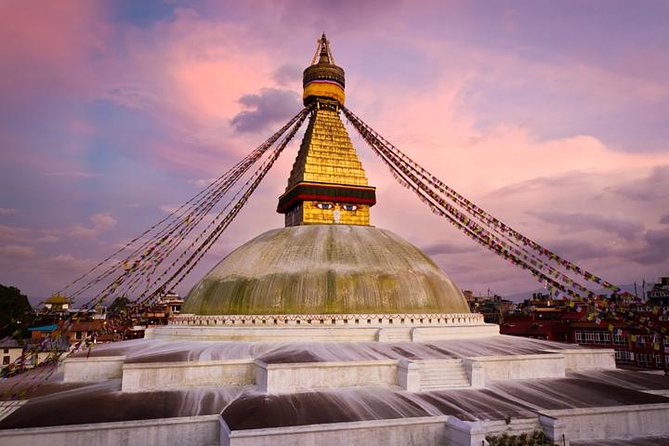
Day 5 is the busiest cultural day in Nepal. Boudhanath Stupa is a major Buddhist site and one of the city’s most recognizable places. The large white dome and surrounding prayer activity create a very different atmosphere from the Mughal and Rajput monuments you have just seen in India.
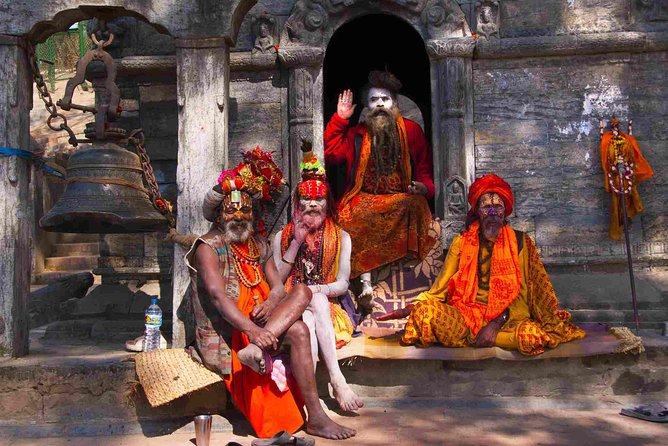
Pashupatinath Temple introduces Nepal’s Hindu traditions. It is dedicated to Shiva and has a two-tiered golden roof with silver doors. Entry details matter here: the itinerary includes the stop but lists admission as free, and worship areas can have access rules. Dress modestly, with knees and shoulders covered.
Swayambhunath, often called the Monkey Temple, sits on a hill above Kathmandu. You get broad views over the valley, along with a mix of Buddhist shrines and temple architecture. The climb and uneven surfaces may make this stop more demanding than the time allocation suggests, so comfortable shoes are sensible.
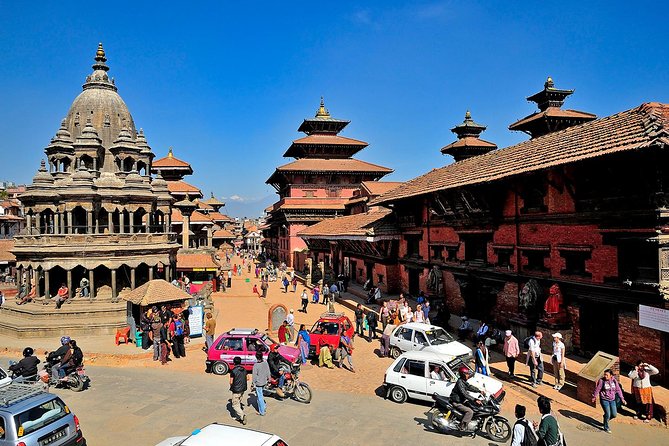
Kathmandu Durbar Square completes the day. The complex includes palace courtyards, temples, Hanuman Dhoka Palace, and Kumari Ghar, associated with the Living Goddess tradition. This is a place where your guide’s explanation matters, since the carved details and religious customs are easy to miss when you are moving quickly.
A few more New Delhi departures worth comparing
- Old Delhi Food Tour: A Night Time Feast
★ 5.0 · 326 reviews - Delhi: Guided Evening Tour of Delhi City
★ 4.8 · 233 reviews - Night View of Delhi Tour – 4 Hrs
★ 5.0 · 197 reviews - 3 Days 2 Night Golden Triangle Tour – Private Luxury Experience
★ 5.0 · 191 reviews
Patan and Bhaktapur show Kathmandu Valley at its finest
Day 6 focuses on two former royal cities. Patan Durbar Square is known for fine metalwork, bronze gateways, Hindu temples, and Buddhist monuments. The two-hour visit gives you more room to study the carvings than the shorter stops on Day 5.
Bhaktapur Durbar Square takes another two hours. Its brick streets, palace square, temples, and traditional architectural details make it one of the strongest cultural stops in the program. At roughly 1,401 meters above sea level, it also gives the day a different feel from central Kathmandu.
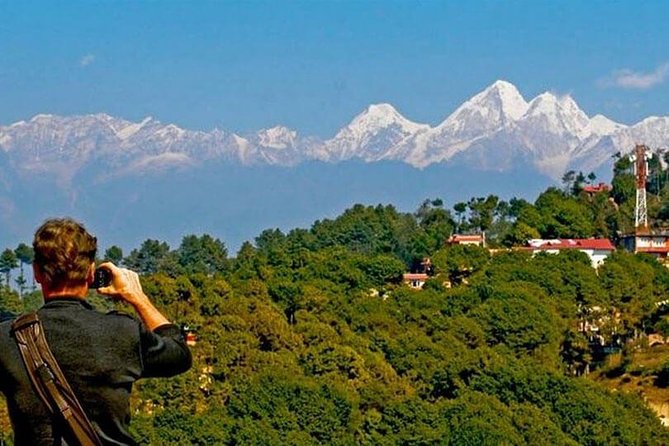
Later, you drive about an hour to Nagarkot. The town is known for views toward several Himalayan ranges, including the Everest region. Mountain visibility depends heavily on weather, so treat the view as a possibility rather than a promise. The included hotel dinner here is a useful touch because it saves you from arranging a meal after the transfer.
Nagarkot sunrise is a fitting final morning
The final morning begins at Nagarkot View Tower. On a clear day, you may see eight mountain ranges: Annapurna, Manaslu, Ganesh Himal, Langtang, Jugal, Rolwaling, Everest, and Numbur. Timing matters, since clouds and haze can obscure the peaks even when the forecast seems favorable.
This ending works because it slows the trip down just before departure. After six nights of city sightseeing and long road transfers, an hour with mountain views gives you a calmer final memory. Still, you should choose this tour for the possibility of a Himalayan panorama, not as a guaranteed mountain-view trip.
What the private format adds
The private setup is one of the strongest reasons to choose this package. You travel only with your own group, use a private air-conditioned vehicle, and have local guides at the major sights. You can ask for more explanation at the Taj Mahal or move along faster when a short photo stop has given you enough.
The drivers are important on this route. The service has used drivers including Bittu, Manoj, and KK Sharma, with KK Sharma receiving specific praise for giving space while offering guidance when needed. Driver assignments can change, so treat these names as examples and ask who will handle your route.
The guides associated with the trip include Mahesh, Ashok, and Bishnu. Their roles matter most at places such as Jantar Mantar, Kathmandu Durbar Square, and the religious sites, where a quick visit without context can feel like a string of impressive buildings.
The private format does not remove the route’s long days. It simply makes them easier to manage. You avoid waiting for a large group, but you still spend several hours in the vehicle on the Delhi to Agra, Agra to Jaipur, Jaipur to Delhi, and Kathmandu Valley transfers.
Is $1,220 a fair price?
At $1,220 per person, the package offers reasonable value if you want convenience and a higher hotel standard. Six nights of accommodation on a twin-sharing basis, six breakfasts, one dinner in Nagarkot, private road transport, guides, entrance fees, bottled water, and the Taj Mahal battery bus are included.
The price does not include the commercial flight from Delhi to Kathmandu. It also excludes most lunches, dinners, drinks, and the Amber Palace jeep ride for qualifying groups. Mandatory Christmas and New Year’s Eve gala dinners at the hotel can also cost extra.
I would compare the total price, not just the advertised rate. Add the Delhi to Kathmandu airfare, meals outside the included breakfasts and Nagarkot dinner, visa costs, and any extra hotel charges. Even after those additions, the package can make financial sense if you would otherwise arrange several private transfers, guides, hotels, and admission tickets yourself.
Practical details that can affect your trip
You need a valid passport and must confirm India’s visa requirements before crossing into the country. Nepal offers a visa on arrival at Kathmandu airport, using two passport photos and the required fee.
If you fly back to Delhi to connect with your homebound flight, you need a double-entry Indian visa. This is an easy detail to miss, so check your full flight plan before booking.
Dress rules apply at temples and selected museums. Men and women should cover their knees and shoulders, and shorts or sleeveless tops can lead to refused entry. Vegetarian meals are available if you request that option when booking.
The published details list a 9 a.m. start and Delhi, Gurugram, or Noida pickup for Day 1. They also list Kathmandu as the start and end meeting point, with Kathmandu Airport, your hotel, or another Kathmandu address available. Because those details do not fully match the India-first itinerary, confirm the actual pickup city and first-day arrangement before you pay.
Cancellation is free up to 24 hours before the start time. Within 24 hours, refunds and changes are not accepted. That matters here because the international flight is separate and the route involves several linked arrangements.
Who should book this Golden Triangle and Nepal tour?
I would choose this trip if you have limited time and want the headline sights of North India and Nepal without arranging every transfer yourself. It fits couples, families, and small private groups that value air-conditioned transport, hotel comfort, local guides, and a flexible private setting.
I would not choose it if you want long museum visits, slow meals, shopping time, or several free afternoons. The itinerary is tightly packed, and the Jaipur return to Delhi is especially demanding.
For a first visit to this part of South Asia, the route is hard to beat for variety. Book it if you accept the pace, budget separately for the flight, and confirm the start arrangements. Skip it if the idea of several long transfers in one week sounds more exhausting than exciting.
FAQ
How long is the Golden Triangle and Nepal tour?
The tour lasts approximately seven days and includes six nights of hotel accommodation.
What cities and regions does the tour visit?
The route covers Delhi, Agra, Jaipur, Kathmandu, Patan, Bhaktapur, and Nagarkot.
Is the Delhi to Kathmandu flight included?
No. The commercial flight from Delhi to Kathmandu is not included and must be arranged separately.
Are hotels and breakfasts included?
Yes. Six nights of twin-sharing hotel accommodation and six breakfasts are included. One dinner at the hotel in Nagarkot is also included.
Is this a private tour?
Yes. Only your group participates, and transport is provided by private air-conditioned vehicle.
Do I need an Indian visa and a Nepal visa?
You must confirm India’s visa requirements before entering India. Nepal visa on arrival is available at Kathmandu airport with two passport photos and the visa fee. A double-entry Indian visa is needed if you return to Delhi for your flight home.
What happens if I need to cancel?
You receive a full refund if you cancel at least 24 hours before the experience start time. Cancellations or changes made within 24 hours are not accepted and are not refunded.
Just added around New Delhi
- Delhi: All-Inclusive Full or Half Day Tour With Hotel Pickup★ 5.0 · 3 reviews
- From Delhi : All Inclusive Taj Mahal Tour by Gatimaan Express★ 5.0 · 3 reviews
- Skip the line: Taj Mahal Agra Private Day Trip From Delhi By Car★ 5.0 · 3 reviews
- Delhi: Old and New Delhi One Day Private Guided City Tour★ 5.0 · 3 reviews
- New Delhi Night City Tour★ 5.0 · 3 reviews
- Old Delhi Half day private city tour★ 5.0 · 3 reviews
- A full-day tour of Old & New Delhi Monument Express Entry★ 5.0 · 3 reviews
- Sultanpur Bird Sanctuary Tour Near Delhi★ 5.0 · 3 reviews
Golden Triangle Tours, compared.
3-Days Private Golden Triangle Tour: Delhi, Agra & Jaipur by Car
Read our review →3-Days Private Golden Triangle Tour: Delhi, Agra & Jaipur by Car
Read our review →
3-Day Delhi, Agra and Jaipur Private Tour – India Golden Triangle
Read our review →
Four-Day Private Luxury Golden Triangle Tour to Agra and Jaipur From New Delhi
Read our review →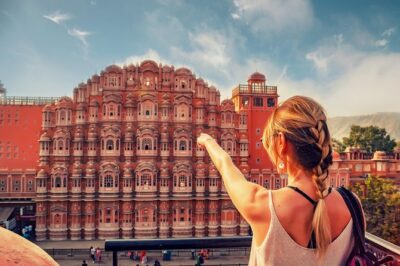
Jaipur Day Trip from Delhi by Car or Train – All Inclusive
Read our review →
Jaipur City Private Day Tour from Delhi by Car – All Inclusive
Read our review →
5 Nights 6 Days Private Golden Triangle Tour – Delhi Agra Jaipur
Read our review →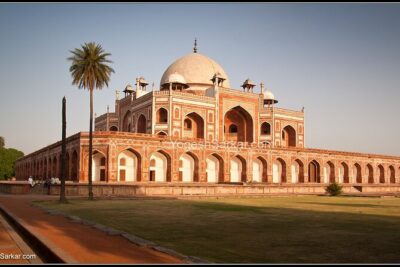
Browse the lists this tour appears in