

Reviewed · GOLDEN TRIANGLE WITH VARANASI
10 Day Private Luxury Golden Triangle with Khajuraho and Varanasi
India’s great northern circuit takes on a larger scale here. In 10 days, you visit Delhi, Jaipur, Agra, Khajuraho, and Varanasi, with the Taj Mahal, Mughal forts, Hindu temples, Buddhist ruins, and the Ganges all included. It is a private trip, so you are not tied to a large group or a fixed commentary track.
I like the private car and local guide system. Your driver stays with you between cities, while a different guide can explain each place on arrival. I also like the route itself: Khajuraho and Varanasi add two very different chapters to the usual Golden Triangle.
The main consideration is pace. Long road transfers, especially the roughly seven-hour journey from Khajuraho to Varanasi, are part of the deal. Monument tickets, tips, most meals, and personal expenses are extra, so the advertised price is not the final trip cost.
In This Review
- Key points before you book
- Why this 10-day route works for a first visit
- Delhi begins with Sikh hospitality and Old City energy
- Old Delhi, Humayun’s Tomb, and the value of a private car
- Jaipur brings palaces, temples, and clever astronomy
- Chand Baori and Fatehpur Sikri make the road to Agra worthwhile
- Sunrise at the Taj Mahal, then Agra’s Mughal story
- Khajuraho rewards close attention to carved stone
- Varanasi changes the tone from monuments to ritual
- What the $623 price really covers
- Private transport and group size
- Who should book this trip?
- Should you book the Golden Triangle with Khajuraho and Varanasi?
- FAQ
- Is this a private tour?
- What cities does the tour visit?
- Are hotels and breakfast included?
- Are monument entrance tickets included?
- How long is the journey from Khajuraho to Varanasi?
- What vehicle is used for the tour?
Key points before you book
- The Taj Mahal begins at sunrise: You reach the monument early, then tour Agra Fort and Itmad-ud-Daula.
- Five major cities in one private route: Delhi, Jaipur, Agra, Khajuraho, and Varanasi are covered without changing tour groups.
- Khajuraho adds a rare cultural stop: The Lakshmana and Kandariya Mahadev temples show the detailed stone carving for which the area is known.
- Varanasi finishes with ceremony: You visit Kashi Vishwanath Temple, Sarnath, the Ganges riverfront, and the evening Ganga Aarti.
- Drivers are a major part of the experience: Names praised in past arrangements include Surendra, Ajay, Man Singh, Deepak, Maan, and Himmett.
- The price covers the framework, not everything: Hotels, breakfast, private transport, guides, and water are included only with the relevant booking option, while entrance tickets and tips are not.
Why this 10-day route works for a first visit
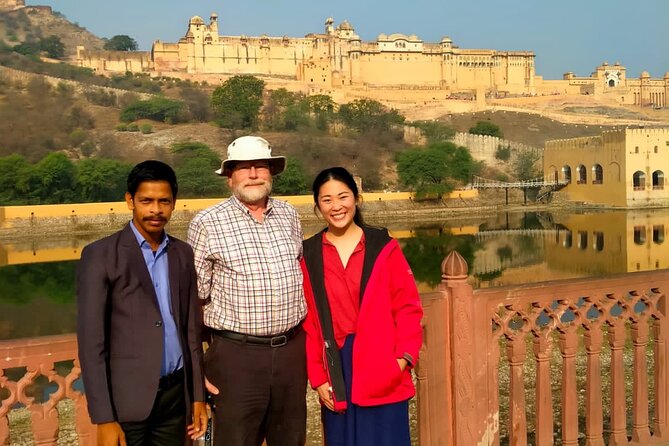
India can be hard to plan city by city. Distances are large, traffic is unpredictable, and major monuments often make more sense with a guide beside you. This trip solves much of that practical work with hotel or airport pickup, a private air-conditioned vehicle, local guides, and a driver who remains with your group.
You begin in Delhi, move south to Jaipur and Agra, then continue toward Khajuraho and Varanasi. The first half gives you imperial architecture and royal Rajasthan. The second half shifts toward temple art, Buddhism, Hindu worship, and the daily life of the Ganges.
I especially like the variety. Delhi is a capital with layers of Sikh, Mughal, British, and modern Indian history. Jaipur brings royal palaces and astronomical instruments. Agra delivers the country’s most famous monument. Khajuraho is quieter and more specialized, while Varanasi is intensely spiritual and active from morning until night.
This is not a slow, stay-put holiday. You change cities often, and some days involve several sights. You get a strong overview, but you should expect early starts and substantial time in the car.
More itineraries that add Varanasi:
- Delhi Agra Jaipur & Varanasi Tour – Taj Mahal & Ganga Aarti
★ 5.0 · 50 reviews - 7-Day Golden Triangle & Varanasi Tour from Delhi with Guide
★ 5.0 · 38 reviews - 9 – Days Private Golden Triangle Tour with Khajuraho & Varanasi
★ 5.0 · 22 reviews
Delhi begins with Sikh hospitality and Old City energy
The first day is light, with a visit to Gurudwara Bangla Sahib. This Sikh place of worship is linked to Guru Har Krishan, who is said to have helped people during outbreaks of smallpox and cholera by distributing water from the site’s tank.
You have about 30 minutes here, enough for a brief introduction rather than a full religious or architectural study. The stop is free, and it offers a useful change from the usual list of monuments. You see a living place of worship, not only a preserved building.
Day two is much fuller. Qutub Minar is the architectural anchor, a 73-metre tower begun by Qutub-ud-din Aibak in 1193. Its carved surfaces and great height are impressive, but the surrounding complex matters too. Your guide can help connect the monument to the early Delhi Sultanate.
The Lotus Temple offers a very different mood. Its white, flower-shaped design dates from 1986, and the building welcomes people of all religions. You have around 30 minutes, so this is a quick architectural stop rather than a long visit.
India Gate and Parliament House bring you into the civic center of New Delhi. India Gate honors soldiers of British India who died in wartime service. Parliament House is seen from the outside on this schedule, with its circular design tied to the Ashoka Chakra.
Old Delhi, Humayun’s Tomb, and the value of a private car
Jama Masjid gives you a strong taste of Mughal Delhi. Built under Shah Jahan between 1650 and 1656, it is one of India’s largest mosques. The visit is short, so clothing rules and local conditions can affect how much time you spend inside.
Agrasen Ki Baoli is a compact but memorable stop. This protected stepwell drops below street level and shows how older Indian cities managed water. Fifteen minutes is brief, but the unusual setting makes it worth keeping on the route.
Humayun’s Tomb deserves more time. Commissioned in 1558 by Empress Bega Begum for the Mughal emperor Humayun, it helped shape the garden-tomb style later seen at the Taj Mahal. The planned gardens and red sandstone create a calmer break from central Delhi.
You finish with an hour in Chandni Chowk. This market district is crowded, noisy, and full of useful visual detail: spices, dried fruit, silver jewelry, colorful saris, and narrow lanes lined with small shops. This is where the private format helps. You can ask your guide how to move through the area, then return to the car without having to manage Delhi’s traffic yourself.
Admission to Qutub Minar and Humayun’s Tomb is not included. That pattern applies to many major monuments, so keep cash or a payment method ready and budget separately for entrance fees.
Jaipur brings palaces, temples, and clever astronomy
The Jaipur portion begins with Galtaji, better known as the Monkey Temple. The complex has three sacred water pools and a setting among rocky hills. The visit lasts about 30 minutes, and the monkeys are part of the scene, though you should keep food and loose belongings secure.
Birla Mandir follows. This white marble temple is dedicated to Vishnu and is known for its fine latticework. It is a relatively short visit, but it gives you a look at a modern temple built with traditional forms.
The schedule then allows time to check into your Jaipur hotel. The exact order can feel unusual on paper, since the city arrival and sightseeing are split across the day. Your private guide and driver can make the day more workable, but it is sensible to confirm the pickup time and hotel details before departure.
Day four is Jaipur’s main sightseeing day. Amber Palace receives about two hours, which is appropriate for its courtyards, halls, palaces, and defensive setting. Amber was the capital of Rajasthan until 1728, and the complex shows how Rajput rulers combined fortification with elaborate court life.
Jal Mahal is mainly a photo stop from the lakeside. The water palace sits in Man Sagar Lake, and the building is generally appreciated from outside. The listed entry charge is separate, though this stop may not require a long interior visit.
Jantar Mantar is one of Jaipur’s most rewarding sights for anyone interested in science. Built in 1734 by Sawai Jai Singh II, it contains 19 large astronomical instruments. They look abstract at first, but a good local guide can explain how they measured time and tracked celestial positions.
The City Palace then shifts the focus back to royal life. You have about an hour to see the former administrative and ceremonial seat of Jaipur’s maharaja. Hawa Mahal, the Palace of Winds, is another brief stop, best known for its five-storey pink and red sandstone facade.
Albert Hall Museum receives only about 15 minutes in this plan. That is enough for a look at the building, but not a serious museum visit. If art and collections matter to you, ask if the timing can be adjusted.
More Golden Triangle itineraries from New Delhi:
- 3-Days Private Golden Triangle Tour: Delhi, Agra & Jaipur by Car
★ 5.0 · 1,107 reviews - 3-Days Private Golden Triangle Tour: Delhi, Agra & Jaipur by Car
★ 5.0 · 1,098 reviews - 3-Day Delhi, Agra and Jaipur Private Tour – India Golden Triangle
★ 5.0 · 812 reviews - Four-Day Private Luxury Golden Triangle Tour to Agra and Jaipur From New Delhi
★ 5.0 · 807 reviews
Chand Baori and Fatehpur Sikri make the road to Agra worthwhile
The drive toward Agra includes Chand Baori, an enormous stepwell at Abhaneri. It descends about 30 metres and is formed by repeated flights of geometric steps. You have roughly an hour, which lets you appreciate its scale without turning the stop into a rushed photograph.
Fatehpur Sikri follows. Emperor Akbar built this planned Mughal city in the late 16th century, and it served as an imperial capital for about a decade. The courtyards, gateways, and red sandstone buildings make it one of the most satisfying stops between Jaipur and Agra.
The day also includes your Agra hotel check-in and free time. That pause matters because the next morning begins early for the Taj Mahal. I would use the evening for rest rather than trying to add another major sight.
Sunrise at the Taj Mahal, then Agra’s Mughal story
The Taj Mahal is the emotional center of the route. The plan calls for a sunrise visit and about two hours with a guide inside the monument complex. The building was commissioned by Shah Jahan in 1630 as a tomb for his wife, and the symmetry, pale marble, and changing morning light explain why it remains such a powerful sight.
A battery bus carries you between the parking area and the monument, and mineral water is provided during the journeys. The Taj Mahal entrance fee is not included, so plan for that extra cost. Also, sunrise timing can vary by season and local operating rules, so confirm the exact pickup time with the tour provider.
Agra Fort gives the Mughal story more depth. It was the main residence of the Mughal emperors and includes palaces, balconies, courtyards, and gardens. From here, the Taj Mahal is connected to royal power, family life, and imperial politics rather than treated as an isolated monument.
Itmad-ud-Daula, called the Baby Taj, is smaller and more intimate. Its gardens and delicate decoration make it a useful contrast to the huge scale of the Taj Mahal. The visit is about 30 minutes, enough for a focused look before continuing onward.
The transfer to Khajuraho is one of the less clearly detailed parts of the schedule. The plan gives an eight-hour block for arrival and hotel check-in, but it does not specify the exact transport arrangement. Since the tour includes a private vehicle, ask the provider to confirm the road route, departure time, and any transfer changes before booking.
Khajuraho rewards close attention to carved stone
Khajuraho is not simply another monument stop. Its temples, built by the Chandela rulers around the 10th and early 11th centuries, are covered with detailed sculpture showing gods, musicians, court life, animals, and intimate scenes.
The Lakshmana Temple is an important starting point. Built under King Yashovarman, it is dedicated to Vaikuntha, a form of Vishnu shown with three heads and four arms. Your one-hour visit gives you time to study the main shrine and its carved surfaces.
Kandariya Mahadev Temple is larger and more elaborate. Built under the Chandela king Vidyadhara in the early 11th century, it rises in a series of sculpted forms that resemble a mountain. The carvings are famous, but the wider lesson is how architecture, religion, and daily life were combined in medieval temple art.
The schedule gives about five hours to the Khajuraho temples. That is generous compared with many rushed add-ons, and it lets you look beyond the most photographed figures. Wear comfortable shoes and expect time on foot around stone structures.
All listed Khajuraho sightseeing is shown without an included entrance charge, so clarify which temple tickets are covered by your chosen package. The hotel and breakfast arrangement also depends on selecting the option that includes accommodation.
Varanasi changes the tone from monuments to ritual
The journey from Khajuraho to Varanasi is listed at roughly 400 kilometres and about seven hours. This is a serious transfer, not a minor hop. The private car gives you control over rest stops and your own space, but the day will still feel road-heavy.
After checking into your Varanasi hotel, the main sightseeing arrives on day nine. Kashi Vishwanath Temple is dedicated to Shiva and is known for its gold-plated spire and sacred well. The visit is listed at two hours, but access conditions at an active temple can affect the exact flow of the stop.
Sarnath offers a quieter contrast. This is where Buddha is said to have first taught the Dharma after enlightenment. You see ancient monastery ruins and connect Varanasi to Buddhist history, not only Hindu worship.
A walk beside the Ganges brings the city’s daily rhythm into view. The riverfront is a place for prayer, bathing, ritual, conversation, and watching boats and people move along the ghats. The planned walk lasts about an hour, and comfortable footwear will help.
The Ganga Aarti is the final major experience. From a reserved seat, you watch priests perform the evening ceremony beside the river with lamps, music, and formal gestures. It is a public religious ritual, so treat it with respect and follow your guide’s advice about where to sit and when to move.
What the $623 price really covers
At $623.07 per person, the trip can offer strong value if you want one company handling transport, hotels, breakfast, guides, and airport or hotel transfers across five cities. A private vehicle is especially useful in India, where managing intercity transport and city traffic on your own can consume time and energy.
The value depends heavily on the booking option. Nine nights of accommodation and daily breakfast are included only when you choose the package that includes hotels. Private guides, bottled mineral water during journeys, the Taj Mahal battery bus, and personal attention are listed as included features.
You still pay separately for monument entrance tickets, tips, laundry, personal expenses, and meals beyond the included breakfasts. The description also has a small inconsistency: breakfast is listed as nine breakfasts, while another section says meals are not included. Confirm exactly what your selected package provides.
Room arrangements are normally twin-sharing. Three people are placed in a triple room by default, while three guests wanting two rooms pay an additional charge.
Private transport and group size
For one or two people, transport is a four-seat sedan. Groups of three or four use a six-seat wagon, and groups of five to ten use a 10-seat minivan. Only your own party participates, which makes it easier to adjust questions, photo stops, and the pace of sightseeing.
The driver is central to the experience. Names connected with highly praised arrangements include Surendra, Ajay, Man Singh, Deepak, Maan, and Himmett. I would not assume a particular driver until your booking is confirmed, but the repeated praise for careful, friendly driving is a useful sign of what to ask for.
Past arrangements also included custom changes, such as extending the standard route to 14 days with Pushkar, Ranthambore, and other additions. That suggests some flexibility, but the 10-day schedule itself is already full. Any extra stop would need careful timing.
Who should book this trip?
I would choose this tour if you are visiting northern India for the first time and want the major sights arranged in one continuous plan. It suits couples, families, and small friend groups who prefer a private car to trains or shared coaches.
It also works well if you want both famous monuments and living religious places. Delhi and Agra cover imperial architecture, Jaipur covers Rajput culture, Khajuraho brings unusual temple art, and Varanasi provides the strongest spiritual finish.
I would think twice if you dislike long drives, early mornings, or changing hotels. The route is ambitious, and the Khajuraho to Varanasi transfer is especially demanding. You may also prefer a slower trip if you want extensive museum time, relaxed meals, or several free afternoons.
Free cancellation is available when you cancel at least 24 hours before the start time. Changes or cancellations inside that window are not refundable.
Should you book the Golden Triangle with Khajuraho and Varanasi?
Book it if your priority is seeing a great deal of North India with one private driver, local guides in each city, and the major arrangements handled for you. The strongest features are the sunrise Taj Mahal visit, the generous Khajuraho temple time, and the final evening at the Ganga Aarti.
Before paying, confirm four points: the hotel category, the exact entrance-ticket costs, the transport plan between Agra and Khajuraho, and what breakfast means in your chosen package. If those details suit your budget, this is a well-filled introduction to India that gives you far more than the standard Delhi, Agra, and Jaipur circuit.
FAQ
Is this a private tour?
Yes. Only your own group participates, and transport is provided in a private vehicle.
What cities does the tour visit?
The route covers New Delhi, Jaipur, Agra, Khajuraho, and Varanasi.
Are hotels and breakfast included?
Nine nights of accommodation and daily hotel breakfast are included if you book the option that includes hotels. Confirm the exact inclusions for your selected package.
Are monument entrance tickets included?
No. Monument entrance tickets are listed as an additional cost. Tips, personal expenses, laundry, and most meals are also excluded.
How long is the journey from Khajuraho to Varanasi?
The journey is approximately 400 kilometres and takes around seven hours.
What vehicle is used for the tour?
Groups of one or two use a four-seat sedan, groups of three or four use a six-seat wagon, and groups of five to ten use a 10-seat minivan.
Just added around New Delhi
- Delhi: All-Inclusive Full or Half Day Tour With Hotel Pickup★ 5.0 · 3 reviews
- From Delhi : All Inclusive Taj Mahal Tour by Gatimaan Express★ 5.0 · 3 reviews
- Skip the line: Taj Mahal Agra Private Day Trip From Delhi By Car★ 5.0 · 3 reviews
- Delhi: Old and New Delhi One Day Private Guided City Tour★ 5.0 · 3 reviews
- New Delhi Night City Tour★ 5.0 · 3 reviews
- Old Delhi Half day private city tour★ 5.0 · 3 reviews
- A full-day tour of Old & New Delhi Monument Express Entry★ 5.0 · 3 reviews
- Sultanpur Bird Sanctuary Tour Near Delhi★ 5.0 · 3 reviews
Golden Triangle with Varanasi, compared.

Delhi Agra Jaipur & Varanasi Tour – Taj Mahal & Ganga Aarti
Read our review →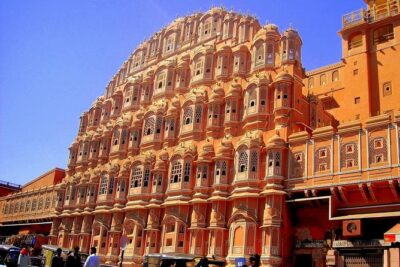
7-Day Golden Triangle & Varanasi Tour from Delhi with Guide
Read our review →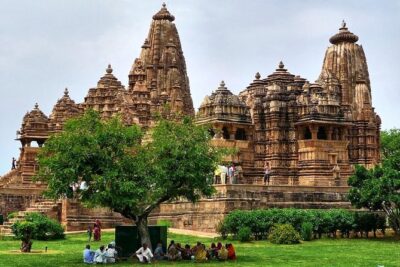
9 – Days Private Golden Triangle Tour with Khajuraho & Varanasi
Read our review →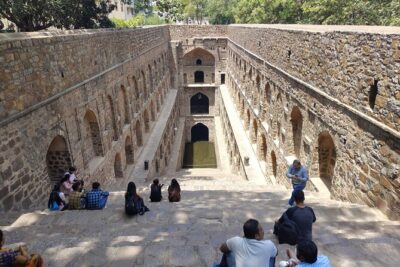
6-Day Private Tour of Delhi, Agra, Jaipur, and Varanasi from Delhi
Read our review →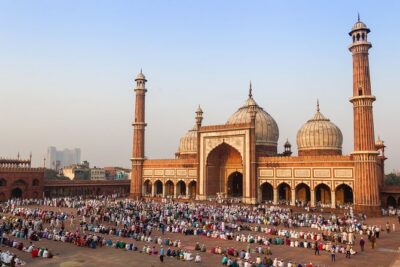
11 Days Golden Triangle & Varanasi With Luxury Accommodation,internal Flights
Read our review →
8-Day Private Luxury Golden Triangle With Spiritual Varanasi Tour
Read our review →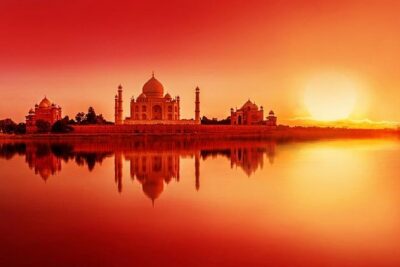
Private Luxury Delhi, Agra, Jaipur & Varanasi from Delhi – 5 Nights 6 Days Tour
Read our review →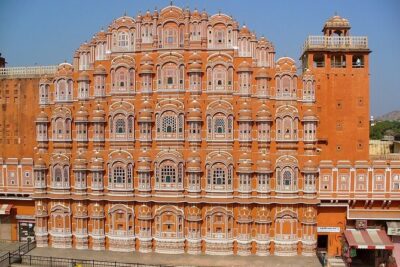
6 Days Private Golden Triangle Tour with Varanasi from Delhi
Read our review →Browse the lists this tour appears in