
Reviewed · TAJ MAHAL TOURS
15-Day Private Rajasthan Heritage Tour– Safari, Desert, Taj Mahal
The real appeal here is the sheer sweep of the journey. In 15 days, you move from Mughal Delhi to painted havelis, desert dunes, Rajput forts, Jain temples, sacred Pushkar, tiger country, and the Taj Mahal. It is a serious road trip, not a gentle stay-put holiday, but it gives you a broad look at Rajasthan’s many faces.
I like the private air-conditioned car, which gives you control over stops and avoids the limits of a large group. I also like the mix of famous sights and less obvious places, including Harlalka Well, Rao Jodha Desert Rock Park, Muchhala Mahavir Temple, and the desert cultural museum. The main drawback is the pace: several days include long drives and many sights, so you will need energy, comfortable shoes, and a taste for early starts.
In This Review
- Key points at a glance
- What this 15-day Rajasthan route really gives you
- Delhi opens with Mughal gardens and modern India
- Mandawa’s painted havelis reward a slower look
- Bikaner mixes royal power with unusual religious traditions
- Jaisalmer delivers the desert centerpiece
- Jodhpur shifts from desert trade to Rajput power
- Ranakpur offers the trip’s finest quiet pause
- Udaipur pairs palace interiors with lake views
- Chittorgarh and Pushkar bring legend and devotion
- Jaipur supplies the grand finale before the safari
- Ranthambhore and Agra finish with two icons
- Who should book this private Rajasthan tour?
- FAQ
- How long does the tour last?
- What places does the route include?
- Is transportation private?
- Are guides included?
- Are monument and safari fees included?
- Is hotel accommodation included?
- Is the Jaisalmer desert camp overnight included?
- When is the Pushkar Camel Fair held?
- Are there any important closure days?
Key points at a glance
- Delhi to Agra by way of Rajasthan: The route covers the capital, eight Rajasthan destinations, Ranthambhore, and Agra.
- Private transport throughout: A uniformed chauffeur drives an air-conditioned car or Tempo Traveler, with parking, tolls, fuel, and interstate taxes included.
- Two very different wildlife moments: You get a camel ride at Sam Sand Dunes and an early safari in Ranthambhore National Park.
- Local guides at each destination: A professional guide accompanies sightseeing, with foreign-language guide options available at booking.
- A large ticket bill to plan for: Monument and safari fees are estimated at about $200 per person and are not included.
- Flexible arrangements: The route can be customized, and the desert tent stay is optional and subject to availability.
What this 15-day Rajasthan route really gives you

At $1,013 per person, this tour looks attractive for a private 15-day circuit. The price includes your driver, private vehicle, fuel, road charges, parking, tolls, taxes, and hotel breakfast if you choose the accommodation option. It does not include monument entry or safari fees, estimated at about $200 per person, so your practical cost is higher.
The value is strongest if you want a ready-made route without arranging a new car and guide in every city. You also avoid the awkward task of figuring out how to connect Jaisalmer, Jodhpur, Udaipur, Pushkar, Jaipur, Ranthambhore, and Agra by public transport.
The trade-off is time. This route covers a huge part of northern India, and some drives take four to six hours. You will see a lot, but you will not have long, unplanned afternoons in every town. I would choose this trip for range and convenience rather than slow travel.
Accommodation is listed as five-star hotel accommodation with breakfast if that option is selected. Confirm the hotel category and exact properties before paying, since the experience also refers to heritage hotels, a lakeside hotel, and an eco-resort or forest-side hotel.
More ways to see the Taj Mahal:
- Same Day Taj Mahal, Agra Fort & Baby Taj Tour from Delhi by Car
★ 5.0 · 4,304 reviews - Taj Mahal Day Tour from Delhi by Superfast Train – TOP RATED TOUR
★ 5.0 · 4,166 reviews - Full Day Taj Mahal, Agra Fort & Baby Taj Tour from Delhi by Car
★ 5.0 · 3,647 reviews
Delhi opens with Mughal gardens and modern India
Your first day begins with pickup in Delhi or at another agreed nearby location. After hotel check-in and a short rest, you visit Humayun’s Tomb, a calm garden monument built in the mid-16th century for the Mughal emperor Humayun.
This is an excellent first sight because it introduces the design ideas later seen at the Taj Mahal. The red sandstone gateway, formal gardens, and Persian-influenced layout give you a clear sense of Mughal taste without the crowds and emotional weight of the Taj.
Akshardham provides a sharp contrast. Opened in 2005, this Hindu temple complex is a modern display of carved sandstone and marble work. You should dress respectfully at religious sites and expect to remove your shoes before entering sacred places.
Day two continues with Qutub Minar, India Gate, the Lotus Temple, and Chandni Chowk. Qutub Minar is the architectural heavyweight, rising 73 meters and surrounded by earlier ruins. India Gate and the drive past President’s House offer a quick view of New Delhi’s colonial planning.
The Lotus Temple is free to enter but closes on Mondays. If your visit falls on that day, the replacement is Iskcon Temple or Shri KalkaJi Temple. Chandni Chowk provides lunch and a taste of Old Delhi, but the day ends with a roughly five-hour drive to Mandawa, so this is a demanding start.
Mandawa’s painted havelis reward a slower look
Mandawa is one of the more distinctive stops on the route. The Shekhawati region is known for merchant mansions covered in frescoes, many of them painted with scenes that mix Indian mythology and European technology.
Tarkeshwar Goenka Haveli includes images of British soldiers, trains, and gramophones. Murmuria Haveli adds European kings, Queen Victoria, trains, and Jawaharlal Nehru. These odd combinations tell you something useful about the ambitions and interests of wealthy merchants in a changing India.
Gulab Raj Ladia Haveli is another strong stop, with extensive wall paintings and floral designs. Harlalka Well offers a quieter pause near the Chokhani Havelis. It is simple rather than grand, but stepwells matter because they show how communities managed water in dry parts of Rajasthan.
The route then continues to Bikaner, about four hours away. Mandawa is worth keeping on the plan if you care about art and old trading towns. If painted buildings are not a major interest, the visit may feel long after several haveli interiors.
Bikaner mixes royal power with unusual religious traditions
Junagarh Fort is one of the best places to understand Bikaner’s royal past. Unlike many hill forts, it sits on level ground, with decorated courtyards, royal rooms, and defensive walls. The Prachina Museum inside the fort adds costumes, portraits, decorative arts, and objects connected with the Bikaner royal family.
Lalgarh Palace and Museum shifts the mood toward Indo-Saracenic design, combining Mughal, Rajput, and European elements. It is a useful comparison with Junagarh because you can see how royal architecture changed over time.
The visit to Karni Mata Temple in Deshnoke is not for everyone. Around 25,000 rats are allowed to roam freely because they are considered sacred manifestations of Karni Mata. If you are comfortable with the setting, it is a memorable example of living religious practice. If not, you may find the temple difficult.
Jain Temple Bhandasar provides a very different experience, with gold leaf paintings, glasswork, and fine frescoes. The day includes several short visits, so your guide can help you understand the difference between royal, Hindu, and Jain traditions instead of treating every stop as another photo opportunity.
More safari itineraries from New Delhi:
- Private 4-Day Golden Triangle Tour with Ranthambore Tiger Safari
★ 5.0 · 248 reviews - Private 5-Day Ranthambhore Tiger Tour from Delhi including the Taj Mahal, Agra and Jaipur
★ 5.0 · 197 reviews - From Delhi: 4-Day Golden Triangle & Ranthambore Guided Tour
★ 4.7 · 121 reviews - 4 Day Golden Triangle with Ranthambore Tiger Safari Tour from Delhi
★ 5.0 · 110 reviews
Jaisalmer delivers the desert centerpiece
The drive from Bikaner toward Jaisalmer takes about six hours, with the National Research Centre on Camel and Ganga State Museum listed along the way. The camel center gives the route a practical desert focus, while the museum covers archaeology, coins, weaponry, and manuscripts.
Jaisalmer Fort is the visual high point of the western part of the trip. Built from golden-yellow sandstone, it still feels tied to the city around it rather than isolated from daily life. Inside, the fort palace museum explains the Bhati Rajput rulers through royal rooms, weapons, paintings, and artifacts.
The havelis are just as important. Patwon Ki Haveli is a group of five merchant houses with carved balconies, stone screens, and decorated interiors. Salim Singh-ki Haveli has a distinctive roofline and 38 carved balconies. Nathmal Ji Ki Haveli is known for the work of two architect brothers who produced matching designs from opposite sides of the building.
Gadisar Lake offers a short, peaceful stop among shrines, temples, and ghats. The day then turns toward Sam Sand Dunes, around 45 minutes away, for a camel ride and sunset. Folk performances by Kalbelia dancers add music and movement, though desert camp programs can vary.
An optional overnight in a Swiss tent is available at Sam. It is a fine choice if you want the desert to feel like more than a quick excursion, but tent availability is limited and must be confirmed. The Desert Cultural Centre and puppet show provide useful context on textiles, tools, puppetry, and desert life.
Jodhpur shifts from desert trade to Rajput power
The drive to Jodhpur takes about five hours. Mehrangarh Fort deserves the time given to it. Its walls rise above the Blue City, and its palace rooms, collections, and views explain why Jodhpur became one of the most powerful centers in the Marwar region.
Jaswant Thada is a quieter marble memorial with delicate latticework. Umaid Bhawan Museum shows a later royal style, with Indo-Saracenic details and a building project that provided employment during a famine. The palace is divided between a hotel, royal residence, and museum, so the museum visit is the accessible part of the complex.
Sardar Market near the Clock Tower is the place to shop for spices, tie-dye fabric, antiques, and handicrafts. You can also try makhaniya lassi, a local specialty. Mandore Garden adds royal cenotaphs, temple-like structures, and memorials connected with Marwar’s earlier capital.
The next morning begins at Rao Jodha Desert Rock Park. Its 70 hectares were developed to restore the dry ecology around Mehrangarh. The early timing matters because the park is more pleasant before the heat builds, and the rocky setting gives you a different view of Jodhpur than the fort does.
Toorji Ka Jhalra, a restored 1740s stepwell, is another worthwhile urban stop. Its symmetrical stairways lead down toward the water and show how public water systems once shaped city life.
Ranakpur offers the trip’s finest quiet pause
The drive to Ranakpur takes about three and a half hours through the Aravalli hills. After the crowded forts and long road sections, this is one of the route’s better chances to slow down.
Ranakpur Jain Temple is the main event. Built in the 15th century, it is famous for its carved marble columns and detailed architectural work. The nearby Surya Narayan Temple has sculptures and murals dedicated to the Sun God.
Sadri adds a small-town religious setting with a group of temples, while Muchhala Mahavir Jain Temple offers a curious detail: its image of Lord Mahavir includes a moustache. The surrounding forested area and Ranakpur Dam give you time for quiet views and photography before the drive to Udaipur.
This portion suits you if you like architecture, faith, and smaller places. It may feel less satisfying if you want constant major attractions, but that pause is useful in a trip this full.
Udaipur pairs palace interiors with lake views
Udaipur is the most relaxed-looking city on the route, and its lakes are the reason. City Palace takes about two hours and brings together courtyards, balconies, towers, royal rooms, and views over Lake Pichola.
Jagdish Temple, built in 1651, is an active center dedicated to Vishnu. Saheliyon Ki Bari offers a softer change of pace with fountains, marble pavilions, lotus pools, and gardens designed for the queen and her attendants.
A boat ride on Lake Pichola is one of the best optional expenses on the trip. It gives you a fresh angle on the palaces, ghats, and island buildings, especially near sunset. Jagmandir is reached by boat and adds marble domes, gardens, and a connection with the Mughal prince Shah Jahan.
Bagore Ki Haveli Museum, at Gangaur Ghat, displays royal objects, costumes, and puppets. Its evening folk program is an appealing way to spend time by the lake. Fateh Sagar Lake, the Monsoon Palace, and Bharatiya Lok Kala Mandal extend the day, but the schedule is packed. You may want to choose carefully rather than rush through all ten listed stops.
Chittorgarh and Pushkar bring legend and devotion
Chittorgarh Fort covers about 700 acres and needs stamina. The complex includes Rana Kumbha Palace, Padmini’s Palace, Vijay Stambh, Kirti Stambh, Meera Temple, Kalika Mata Temple, and Gaumukh Reservoir.
The fort is filled with stories of Rajput courage and sacrifice. Your guide is especially useful here because some famous tales, including the account connected with Padmini’s Palace, are disputed or shaped by later tradition. Treat the legends as part of the site’s cultural memory, not as simple verified fact.
Vijay Stambh is a nine-story victory tower with carved figures and inscriptions. Kirti Stambh is smaller and dedicated to the first Jain Tirthankara. The temples and sacred reservoir add religious meaning to what could otherwise feel like a huge field of ruins.
After Chittorgarh, the drive to Pushkar takes about four hours. Pushkar Lake and its 52 ghats are most atmospheric when approached respectfully. Brahma Temple is one of the few major temples dedicated to Brahma, while Savitri Mata Temple gives you broad views from the hilltop by cable car or trek.
Varaha Temple and Old Rangji Temple show different forms of Hindu architecture. Pushkar is strongly vegetarian, and food is often prepared without onion or garlic because of the town’s religious character. The Sikh Gurudwara Singh Sabha adds another layer to the town’s spiritual life.
The camel trade fair field is lively during the annual fair, held October 30 to November 5. Outside that period, it is much quieter, with camels and herders sometimes present.
Jaipur supplies the grand finale before the safari
Jaipur’s City Palace, Jantar Mantar, and Hawa Mahal make a concentrated morning of royal life, science, and street-facing architecture. Jantar Mantar is particularly good if you enjoy practical history, with large stone instruments built in 1734 to measure time and celestial movement.
Hawa Mahal’s 953 windows were designed so royal women could observe city life without being seen. It is easy to admire from the outside, while the City Palace and observatory require more time inside.
Nahargarh Fort and Jaigarh Fort sit in the hills above Jaipur. Jaigarh is associated with Jaivana, described here as the world’s largest cannon on wheels, and offers strong views toward the city and Amber Fort. Jal Mahal is a short photo stop from the lakeshore because entry to the palace itself is not allowed.
That evening, you drive about three and a half hours to Ranthambhore. It is another full day, so do not expect Jaipur to feel leisurely.
Ranthambhore and Agra finish with two icons
The early morning safari is one of the trip’s biggest draws. Ranthambhore National Park covers about 1,300 square kilometers and is known for Royal Bengal tigers, leopards, marsh crocodiles, and other wildlife.
A safari is never a guaranteed tiger sighting, so you should book this for the chance to see animals in their habitat, not for a promised photograph. The early departure also means you need to be ready after a long Jaipur sightseeing day.
Ranthambhore Fort sits within the park and provides a final Rajput monument, with forest views and temples inside the walls. Afterward, the drive to Agra takes about five hours through the Chambal region.
The Taj Mahal at sunrise is the right final morning. Its marble changes color with the light, and the early visit helps you avoid the worst heat. The monument is closed on Fridays, so check your dates before booking.
Agra Fort explains the political power behind the Taj. It includes Mughal courtyards, palaces, mosques, and the Musamman Burj, associated with Shah Jahan’s final years. Itmad-ud-Daula, often called the Baby Taj, is smaller and calmer, with fine pietra dura inlay that influenced the Taj’s decoration.
After lunch, the return drive to Delhi takes about four hours. Drop-off is available at Delhi Airport, a railway station, a hotel, or another desired location.
Who should book this private Rajasthan tour?
I would choose this tour if you want maximum coverage, private transport, and help with a complicated route. It suits first-time visitors who want Delhi, Rajasthan, wildlife, desert scenery, and Agra in one organized trip.
The strongest points are the patient chauffeur service and the flexibility to adjust the schedule. Anil is specifically noted for patience, kindness, and help with luggage, while Neeraj is praised for careful driving and safety. Chand is involved in flexible planning and hotel arrangements.
I would hesitate if you prefer slow mornings, independent wandering, or long stays in just two or three cities. Also budget for the estimated $200 in monument and safari fees, plus any meals or activities not included. You can cancel for a full refund up to 24 hours before the start time, but changes or cancellations within 24 hours are not refundable.
FAQ
How long does the tour last?
The tour lasts approximately 15 days, beginning in Delhi and ending with a return drive to Delhi after sightseeing in Agra.
What places does the route include?
The route includes New Delhi, Mandawa, Bikaner, Jaisalmer, Jodhpur, Ranakpur, Udaipur, Chittorgarh, Pushkar, Jaipur, Ranthambhore, and Agra.
Is transportation private?
Yes. Sightseeing and transfers use a private air-conditioned car or Tempo Traveler, with a private uniformed chauffeur.
Are guides included?
A professional local guide accompanies you at each destination. Live guides in various foreign languages are available, and you should select the correct language option when booking.
Are monument and safari fees included?
No. Monument and safari fees are separate and estimated at about $200 per person.
Is hotel accommodation included?
Five-star hotel accommodation with breakfast is included if you select that option. Confirm the exact accommodation option and hotel details before booking.
Is the Jaisalmer desert camp overnight included?
No. The Swiss tent overnight at Sam Sand Dunes is optional, and tent availability must be confirmed at booking.
When is the Pushkar Camel Fair held?
The famous Pushkar Camel Fair takes place each year from October 30 to November 5. The camel trade fair field is quieter outside the festival period.
Are there any important closure days?
The Taj Mahal is closed on Fridays. The Lotus Temple is closed on Mondays, when the itinerary provides Iskcon Temple or Shri KalkaJi Temple instead. Bring a valid photo ID and dress modestly at religious sites.
More Historical Tours in New Delhi
- The Great Indian Food Tour: Old Delhi Food and Heritage Walk
★ 5.0 · 1,698 reviews - Old Delhi Food, Heritage&Cultural Walk with Rickshaw ride to Masterji Kee Haveli
★ 5.0 · 742 reviews - Old Delhi Heritage Walking Tour
★ 5.0 · 247 reviews - 3-hour Old Delhi Heritage Walking tour with Rickshaw Ride
★ 5.0 · 240 reviews
Just added around New Delhi
- Delhi: All-Inclusive Full or Half Day Tour With Hotel Pickup★ 5.0 · 3 reviews
- From Delhi : All Inclusive Taj Mahal Tour by Gatimaan Express★ 5.0 · 3 reviews
- Skip the line: Taj Mahal Agra Private Day Trip From Delhi By Car★ 5.0 · 3 reviews
- Delhi: Old and New Delhi One Day Private Guided City Tour★ 5.0 · 3 reviews
- New Delhi Night City Tour★ 5.0 · 3 reviews
- Old Delhi Half day private city tour★ 5.0 · 3 reviews
- A full-day tour of Old & New Delhi Monument Express Entry★ 5.0 · 3 reviews
- Sultanpur Bird Sanctuary Tour Near Delhi★ 5.0 · 3 reviews
Taj Mahal Tours, compared.

Same Day Taj Mahal, Agra Fort & Baby Taj Tour from Delhi by Car
Read our review →
Taj Mahal Day Tour from Delhi by Superfast Train – TOP RATED TOUR
Read our review →
Full Day Taj Mahal, Agra Fort & Baby Taj Tour from Delhi by Car
Read our review →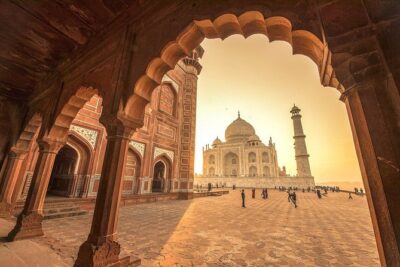
Taj Mahal & Agra Private Day Trip with Transfers
Read our review →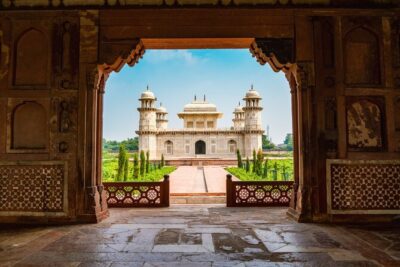
Taj Mahal Tour from Delhi by Express Train (Viator Award Winner)
Read our review →
All Inclusive Private Taj Mahal Luxury Tour from Delhi by Car
Read our review →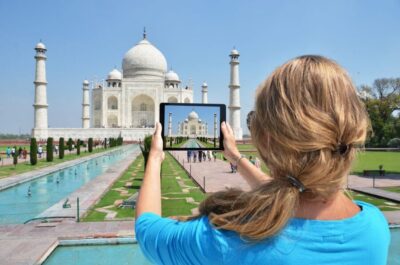
Same Day Taj Mahal, Fort & Baby Taj Tour from Delhi by Car
Read our review →
Browse the lists this tour appears in