
Reviewed · GOLDEN TRIANGLE TOURS
4 Day Golden Triangle with Ranthambore Tiger Safari Tour from Delhi
The big draw is the combination of India’s Golden Triangle with a wildlife safari. In four days, you move from Delhi’s grand avenues to the Taj Mahal, then from Mughal monuments to the forests of Ranthambore and Jaipur’s royal palaces. The sunrise Taj Mahal visit and the chance to see a wild tiger give this fast tour its punch.
I like the private car and driver arrangement, which lets you rest between cities and adjust parts of the schedule. I also like the local guides, with names such as Himanshu, Narendra, Gaurav, Raghu, and Kaushiki praised for making the monuments easier to understand. The main drawback is simple: this is a very full four days, with early starts and long road transfers.
In This Review
- Key points to know before booking
- Four days, four very different Indias
- Day one: Delhi’s landmarks and the road to Agra
- Day two: sunrise at the Taj, then Mughal Agra
- Day three: an early safari and the move to Jaipur
- Day four: Jaipur’s forts, palaces, and final drive
- The driver and guides shape the experience
- What the price really gives you
- Who should book this fast-moving route
- My verdict: a smart first taste, if you accept the pace
- FAQ
- Is this a private tour?
- What is included in the tour price?
- Are monument entrance fees included?
- Is a tiger guaranteed at Ranthambore?
- What kind of vehicle is used for the safari?
- How early does the tour start?
- Where does the tour finish?
- Are hotels included for every booking?
- Is the Lotus Temple open every day?
Key points to know before booking
- The Taj Mahal comes first thing in the morning, when the light is soft and the crowds are generally easier to handle.
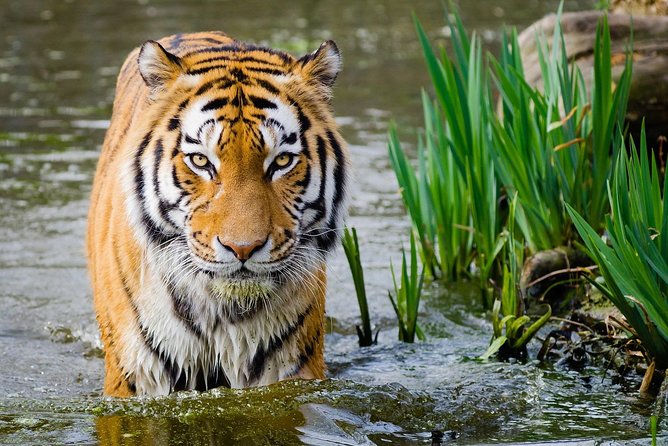
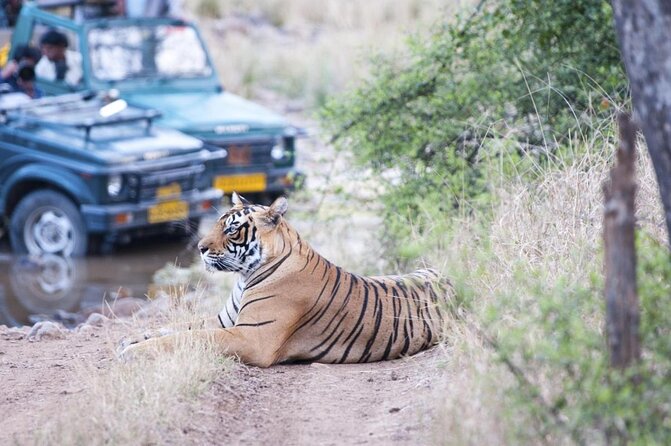
- Ranthambore is real wildlife, not a zoo, so a tiger sighting is never promised. You may see deer, monkeys, crocodiles, birds, a sloth bear, or even a leopard instead.
- Your private driver is the constant companion, while city guides change in Delhi, Agra, and Jaipur.
- The final Jaipur to Delhi drive can take about five hours, with arrival in Delhi around 9 pm unless you arrange a different finish.
- The safari vehicle is shared, and you may ride in an open jeep or a larger canter assigned through the government booking system.
- Monument tickets are extra, with the supplied information listing approximately ₹5,000 per person for all monuments.
Four days, four very different Indias
This trip is built for you if time matters more than a slow pace. Delhi, Agra, Ranthambore, and Jaipur are not close neighbors, so the tour uses long stretches of road to link them. You see a great deal, but you trade relaxed afternoons for an efficient route.
The price begins at about $289.58 per person, though the final cost depends on the hotel choice, group size, and added entrance fees. That is good value if your booking includes the three nights of accommodation, private air-conditioned transport, breakfast, local guides, the safari, and one dinner in Ranthambore.
Read the inclusions carefully. Monument admission is not covered, and the listed extra is about ₹5,000 per person. The five-star hotel option can be a strong upgrade, especially at the Aamaghati Wildlife Resort in Ranthambore, but the standard of Jaipur hotels may not always match the label. One booking had trouble with a Hilton Jaipur room, while other stays such as the InterContinental, Jaypee Palace, and Aamaghati were described as excellent.
More tiger safari itineraries from New Delhi:
- Private 4-Day Golden Triangle Tour with Ranthambore Tiger Safari
★ 5.0 · 248 reviews - From Delhi: 4-Day Golden Triangle & Ranthambore Guided Tour
★ 4.7 · 121 reviews - From Delhi : 6 Days Delhi, Jaipur, Agra & Ranthambore By Car
★ 5.0 · 73 reviews
Day one: Delhi’s landmarks and the road to Agra
Pickup is offered from a Delhi, Noida, or Gurugram hotel, the airport, or another agreed location. The car is matched to your party: a four-seat sedan for one or two people, a six-seat SUV for three or four, and a ten-seat van for five to ten.
Your Delhi sightseeing begins at Qutub Minar, the tall medieval minaret surrounded by the remains of an early Delhi settlement. Allow about an hour. The admission fee is extra, and your guide can help you buy tickets, which saves you from standing in the wrong queue.
The Lotus Temple is a shorter visit, about 30 minutes, and admission is free. Its white, petal-shaped design is striking, but check the day of the week before you book because it is closed on Mondays.
India Gate follows, with a drive past Parliament House and Rashtrapati Bhavan. These stops help you read modern New Delhi: broad roads, government buildings, and a war memorial dedicated to Indian soldiers who died in World War I. They are mainly exterior views, so do not expect long interior visits.
Agrasen Ki Baoli is one of the more unusual Delhi stops. This old stepwell drops below street level in the middle of the city and gives you a glimpse of Delhi’s older building traditions. The visit lasts about 30 minutes and costs nothing.
After lunch, the route uses the Yamuna Expressway toward Agra. The transfer is listed at roughly three hours, but Indian traffic can change the timing. The road is comfortable compared with local routes, yet this is still a travel day. Carry water, use the rest stops, and save some energy for the next morning.
You spend the night in Agra. If you book without hotels, the company still picks you up and drops you at the hotels you arrange in each city. That flexibility helps solo visitors and anyone using an Airbnb or independent lodging.
Day two: sunrise at the Taj, then Mughal Agra
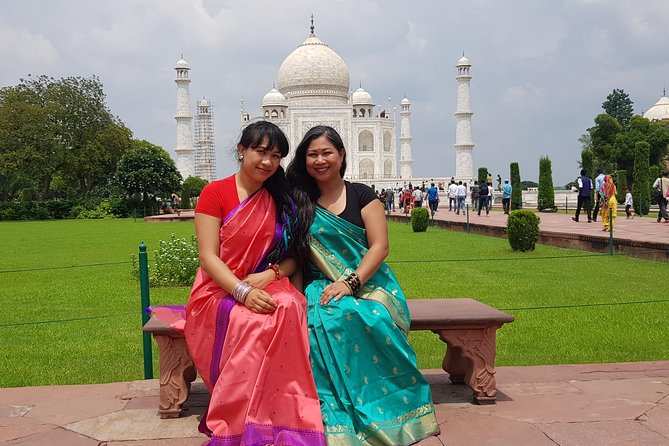
The early start is worth it. The Taj Mahal is best approached at sunrise, when the marble shifts with the light and the heat is less punishing. The tour includes the battery bus ride between the parking area and the monument, a useful detail because vehicles cannot take you directly to the entrance.
Plan on about two hours at the Taj Mahal. Your Agra guide explains the building and can help with photographs. Several guides, including Rishabh and Narender, were praised for finding good picture locations, and an optional photography package is available if you want more polished keepsake images.
The Taj is not just a photo stop. It is a mausoleum commissioned by Shah Jahan for Mumtaz Mahal, and its balance, marble work, and changing light reward a little quiet attention. Still, the site can be crowded, and the approach includes security checks. Dress for the weather and keep your belongings simple.
Agra Fort gives the morning historical weight. This large red sandstone complex was a Mughal royal residence and military stronghold, with grand courtyards and views toward the Taj Mahal. The visit lasts about an hour, and admission is extra.
Itmad-ud-Daula, often called the Baby Taj, takes about 30 minutes. Its delicate stone inlay and smaller scale make it a nice contrast after the massive Taj Mahal. It is easy to rush through, so ask your guide to point out the decorative details rather than treating it as another quick photo stop.
After Agra sightseeing, you drive toward Ranthambore. The transfer is listed at around four hours, though the exact time depends on traffic and road conditions. This is the longest change of setting on the tour, taking you from Mughal cities to a wildlife area in Rajasthan.
Your Ranthambore hotel is more than a place to sleep if you choose the higher hotel category. Aamaghati Wildlife Resort received especially warm praise for its rooms, grounds, food, spa, staff, and evening show. The catch is that you have little spare time to enjoy it. This tour gives you a taste of the resort, not a full retreat.
One dinner at the Ranthambore hotel is included, along with breakfast. Rooms are normally twin-sharing. Three people receive a triple-sharing room by default, while two rooms for three people cost extra.
Day three: an early safari and the move to Jaipur
The safari starts early, often around 5 am. You enter Ranthambore National Park in a shared jeep or shared canter for about two to three hours, with the supplied information also describing the outing as roughly three and a half hours in some cases.
The park is divided into zones, and the zone is assigned according to availability through the government system. You do not choose the best tiger area, and that matters. A tiger can appear close to a road one day and remain hidden the next.
A shared jeep is preferred, but limited availability can mean a canter, a larger open vehicle that feels more like an uncovered bus. Bring warm layers in cooler months. One person found the open vehicle cold, while another described the safari as short with little wildlife. In May, the heat can be severe, so ask about practical adjustments where possible.
The safari guide is a local government-appointed guide. Basic English is available, but fluent English cannot always be expected. That is different from the city visits, where private English-speaking guides are provided in Agra and Jaipur.
Tiger sightings range from no tiger at all to an unforgettable close view. Some passengers saw two tigers, while others saw a leopard, sloth bear, crocodiles, deer, monkeys, owls, kingfishers, and many other birds. The important point is to book this for the park experience, not as a guaranteed tiger hunt.
After the safari, you travel to Jaipur and check into your hotel. The rest of the day is listed as free time, but the hotel may be around 30 minutes from the city. The driver is available during the tour, and you can ask about using that service during your free hours. If Jaipur interests you, do not assume you will want to spend the afternoon in the room.
More Golden Triangle itineraries from New Delhi:
- 3-Days Private Golden Triangle Tour: Delhi, Agra & Jaipur by Car
★ 5.0 · 1,107 reviews - 3-Days Private Golden Triangle Tour: Delhi, Agra & Jaipur by Car
★ 5.0 · 1,098 reviews - 3-Day Delhi, Agra and Jaipur Private Tour – India Golden Triangle
★ 5.0 · 812 reviews - Four-Day Private Luxury Golden Triangle Tour to Agra and Jaipur From New Delhi
★ 5.0 · 807 reviews
Day four: Jaipur’s forts, palaces, and final drive
Jaipur sightseeing starts after breakfast at Panna Meena ka Kund, a striking stepwell near Amer. The stop is brief, about 15 minutes, but it is a useful introduction to the city’s practical water architecture and geometric design.
Amer Palace receives about two hours. This hilltop complex combines Rajput and Mughal design, with courtyards, painted rooms, gateways, and wide views. It is one of the day’s major visits, so comfortable shoes matter. The schedule is full, and walking in hot weather can wear you down.
Jal Mahal is mainly an exterior photo stop beside Man Sagar Lake. You spend about 30 minutes viewing the palace from the shore. Its location in the water makes it memorable, but the visit is not a long palace tour.
The City Palace is a larger two-hour stop. The complex brings together royal courtyards, painted decoration, and museum spaces. Admission is extra, so include it in your budget along with the Taj Mahal, Agra Fort, and Jantar Mantar.
Jantar Mantar is a fine stop for anyone curious about science and astronomy. Its enormous instruments were built by Maharaja Sawai Jai Singh II to track celestial movements and calculate time. You have about an hour here, with another separate entrance fee.
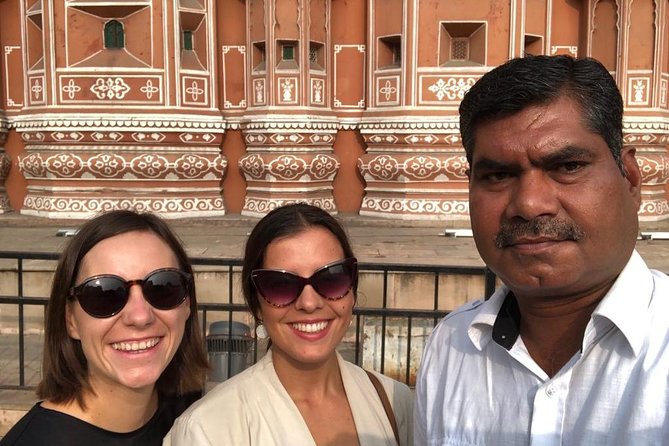
Hawa Mahal is generally a drive-by visit lasting about 30 minutes. The famous pink facade was designed with many small windows, allowing royal women to observe street life without being seen. You get the best sense of it from outside, where the honeycomb-like front fills the frame.
Gaitore Ki Chhatriyan is a quieter final Jaipur stop. These ornate memorial pavilions served as the royal cremation grounds for Jaipur’s rulers. The carved stonework gives you a less famous but more intimate look at the city’s royal culture.
Then comes the road back to Delhi, about five hours. The planned arrival is around 9 pm, though you can request an earlier or later finish. You can also end in Jaipur instead, which is useful if your next destination lies in Rajasthan.
The driver and guides shape the experience
The strongest practical feature is the driver. You stay with the same driver for the whole route, rather than changing vehicles at every city. Drivers named Madan, Rajesh, Paramjeet, Manu, Shyam, Ashock, Rakesh, Surinder, and Sucha Singh were singled out for safe driving, patience, punctuality, local advice, and help with luggage and photos.
That relationship matters in India. Long road days feel easier when you know who is behind the wheel, where the car is parked, and how to reach someone by WhatsApp. Cars are air-conditioned and supplied with bottled mineral water. One small comfort tip: if you dislike strong scents, ask the driver to avoid heavy air fresheners.
The city guide changes from place to place. That is a good arrangement because a Delhi guide can focus on the capital, an Agra guide can explain Mughal monuments, and a Jaipur guide can bring the Rajput courts to life. Guides such as Himanshu, Nitin, Narendra, Rishabh, Gaurav, Raghu, and Kaushiki were praised for clear English, personal attention, and help with photographs.
The tour is private for your group, but the Ranthambore safari is not. That distinction is important when you are comparing options. You get personal service in the car and city visits, then share the wildlife vehicle with other people.
What the price really gives you

At about $289.58 per person, the tour can be a strong deal if you want a ready-made package. You are paying for private transport, three nights of accommodation if that option is selected, hotel breakfasts, one Ranthambore dinner, guides, the safari, airport or hotel transfers, taxes, water, and the battery bus at the Taj Mahal.
You still need money for monument tickets, listed at about ₹5,000 per person, plus meals not specified as included, tips, and personal purchases. Lunch stops are practical, but the choice may be limited. Drivers often recommend restaurants they consider reliable, and that can be useful when you want local food without spending time searching.
The five-star option appears to offer the best value for people who care about comfort. Several stays were described as luxurious, with Aamaghati the clear highlight. Yet hotel quality can vary, particularly in Jaipur, so ask for the exact properties before paying and request a change if a named hotel does not meet the promised standard.
Who should book this fast-moving route
I would choose this tour for a first visit when you have only four days and want the main sights without arranging every transfer yourself. It suits solo visitors, couples, families, seniors who prefer a private car, and small groups that want the vehicle size matched to their party.
It also works well for women traveling alone or with a friend. The driver remains with the vehicle, the company offers 24-hour support, and the private format gives you a clear point of contact. You still need normal travel awareness, but the structure removes much of the uncertainty of moving between cities.
I would not choose it if you want long museum visits, lazy hotel mornings, or several safari drives. The road distances are real, the Taj Mahal and safari both require early starts, and Jaipur is compressed into one principal sightseeing day.
You can request changes after booking, such as an extra night, different hotels, or added activities. A cooking class, textile visit, fabric printing, elephant sanctuary, rickshaw ride, or other adjustment may be possible when arranged in advance. These additions can make the route feel more personal, but they also need time.
My verdict: a smart first taste, if you accept the pace
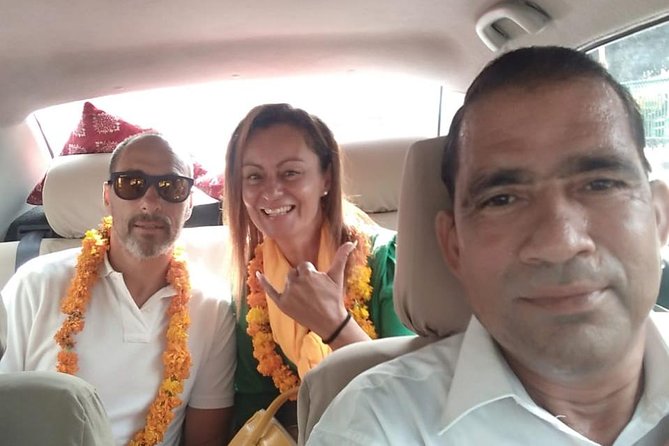
Book this tour if your goal is to see the Taj Mahal, major Jaipur monuments, Delhi highlights, and Ranthambore in one tightly planned trip. The private driver, local guides, hotel choices, and direct support give you good value for a short visit.
Book it with realistic safari expectations. A tiger may appear, but it may not. The forest, birds, crocodiles, deer, and chance of a leopard or sloth bear still make the outing worthwhile, but nature sets the schedule.
My practical choice would be the five-star hotel option, a warm layer for the open safari vehicle, comfortable shoes, WhatsApp on your phone, and at least one extra night if your schedule allows. Four days can deliver a remarkable first look at North India, but five or six days would let you enjoy the same places with less rushing.
FAQ
Is this a private tour?
Yes. Your transport and city sightseeing are private for your group. The Ranthambore safari is conducted in a shared jeep or shared canter.
What is included in the tour price?
Depending on the option selected, the price includes three nights of accommodation, private air-conditioned transport, hotel or airport transfers, local guides, hotel breakfasts, one dinner in Ranthambore, bottled water, the tiger safari, hotel taxes, and the Taj Mahal battery bus.
Are monument entrance fees included?
No. Entrance fees for the monuments are extra. The supplied information lists the total at approximately ₹5,000 per person.
Is a tiger guaranteed at Ranthambore?
No. Tiger sightings depend on luck, the assigned zone, and wildlife conditions. You may see other animals and birds, but no specific sighting is promised.
What kind of vehicle is used for the safari?
The safari uses a shared jeep when available. If a jeep cannot be secured, a shared canter may be provided instead. The canter is larger and more like an open bus.
How early does the tour start?
The Taj Mahal visit is scheduled for sunrise, and the Ranthambore safari may begin around 5 am. Expect early mornings on both days.
Where does the tour finish?
The standard finish is Delhi, with arrival around 9 pm on the fourth day. You may request a different arrival time or be dropped off in Jaipur.
Are hotels included for every booking?
Hotels are included only when you choose the option that includes accommodation. If you book without hotels, pickup and drop-off can still be arranged at your chosen hotels in each city.
Is the Lotus Temple open every day?
No. The Lotus Temple in Delhi is closed every Monday. Admission is free on open days.
More 4-Day Experiences in New Delhi
- 4 Days Golden Triangle Tour
★ 5.0 · 499 reviews - Private Luxury Delhi – Agra – Jaipur Golden Triangle Tour – 3 Nights 4 Days
★ 5.0 · 306 reviews - From Delhi: Private 4-Day Golden Triangle Luxury Tour
★ 4.8 · 226 reviews - Private Golden Triangle Tour 3 Night/4 Days – All Inclusive
★ 5.0 · 185 reviews
More Safari in New Delhi
- Private 5-Day Ranthambhore Tiger Tour from Delhi including the Taj Mahal, Agra and Jaipur
★ 5.0 · 197 reviews - Old Delhi Food Tour Safari – The Capital of Flavors
★ 5.0 · 96 reviews - From Delhi: 5-Day Tiger Safari & Golden Triangle Tour
★ 4.5 · 81 reviews - 4-Day Private Delhi, Agra & Jaipur with Ranthambore Tiger Safari
★ 5.0 · 71 reviews
Just added around New Delhi
- Delhi: All-Inclusive Full or Half Day Tour With Hotel Pickup★ 5.0 · 3 reviews
- From Delhi : All Inclusive Taj Mahal Tour by Gatimaan Express★ 5.0 · 3 reviews
- Skip the line: Taj Mahal Agra Private Day Trip From Delhi By Car★ 5.0 · 3 reviews
- Delhi: Old and New Delhi One Day Private Guided City Tour★ 5.0 · 3 reviews
- New Delhi Night City Tour★ 5.0 · 3 reviews
- Old Delhi Half day private city tour★ 5.0 · 3 reviews
- Sultanpur Bird Sanctuary Tour Near Delhi★ 5.0 · 3 reviews
- A full-day tour of Old & New Delhi Monument Express Entry★ 5.0 · 3 reviews
Golden Triangle Tours, compared.
3-Days Private Golden Triangle Tour: Delhi, Agra & Jaipur by Car
Read our review →3-Days Private Golden Triangle Tour: Delhi, Agra & Jaipur by Car
Read our review →
3-Day Delhi, Agra and Jaipur Private Tour – India Golden Triangle
Read our review →
Four-Day Private Luxury Golden Triangle Tour to Agra and Jaipur From New Delhi
Read our review →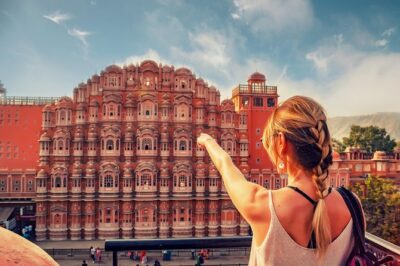
Jaipur Day Trip from Delhi by Car or Train – All Inclusive
Read our review →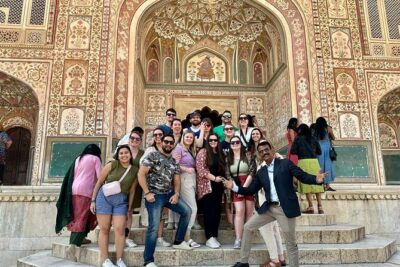
Jaipur City Private Day Tour from Delhi by Car – All Inclusive
Read our review →
5 Nights 6 Days Private Golden Triangle Tour – Delhi Agra Jaipur
Read our review →
Browse the lists this tour appears in