
Reviewed · GOLDEN TRIANGLE TOURS
3 Day Luxury Golden Triangle Tour to Agra & Jaipur from New Delhi
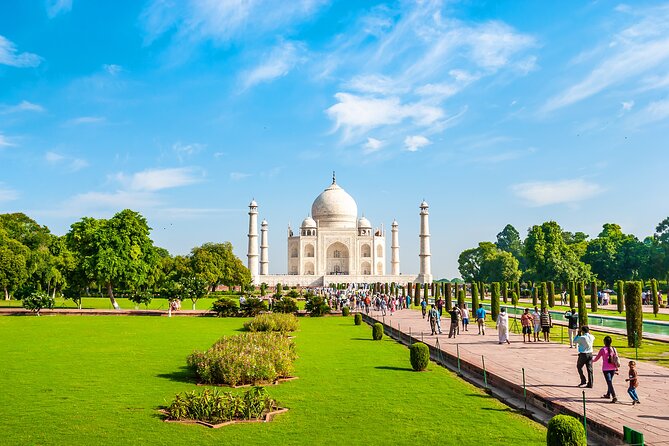
The sunrise visit to the Taj Mahal is the heart of this three-day Golden Triangle trip. You leave Delhi’s monuments behind, sleep in Agra, see the marble monument in the cool morning light, then continue to Jaipur with a private car and local guides handling the route.
I like the door-to-door pickup from Delhi, Gurugram, or Noida, and I like the way the tour folds in both famous sights and lesser-known stops such as Agrasen Ki Baoli and Panna Meena ka Kund. The main drawback is the pace: Delhi is packed into one long first day, and the final drive from Jaipur to Delhi takes about five hours.
In This Review
- Key points to know
- A private route through India’s Golden Triangle
- Delhi begins with Qutub Minar and Mughal grandeur
- Humayun’s Tomb and the quiet side of the capital
- Old Delhi by rickshaw, mosque, and market
- The Taj Mahal at sunrise
- Agra Fort and the Baby Taj
- Jaipur’s royal City Palace and Hawa Mahal
- Jantar Mantar turns astronomy into architecture
- Jal Mahal and Panna Meena ka Kund
- Cars, guides, hotels, and meals
- Who should book this three-day route?
- Should you book it?
- FAQ
- How long is the Golden Triangle tour?
- Where can pickup and drop-off be arranged?
- Is this a private tour?
- What type of vehicle is provided?
- Are hotels and breakfast included?
- Are attraction admissions included?
- Are lunch and dinner included?
- Can I cancel for a full refund?
Key points to know
- Sunrise at the Taj Mahal: Spend about three hours at India’s most famous monument, with admission and the parking-area battery bus included.
- Private transport throughout: Your group travels alone in an air-conditioned sedan, SUV, or tempo traveler, depending on group size.
- Delhi in one demanding day: Qutub Minar, Humayun’s Tomb, Old Delhi, Jama Masjid, the Red Fort, and several central landmarks all appear before the drive to Agra.
- Two nights with breakfast: Hotel accommodation and two breakfasts are included when you choose the hotel-inclusive option.
- Jaipur’s royal and scientific side: City Palace, Hawa Mahal, Jantar Mantar, Jal Mahal, and a historic stepwell fill the third day.
- Flexible ending: Return to Delhi or finish at Jaipur airport after sightseeing.
A private route through India’s Golden Triangle
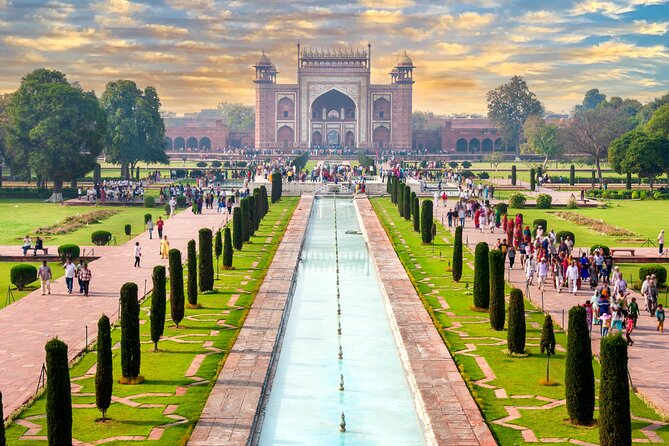
This tour is built for you if you want to see Delhi, Agra, and Jaipur without arranging several hotels, drivers, tickets, and guides on your own. It is a private activity, so only your group takes part. That matters in India, where a flexible car and a guide who can keep the day moving are often worth more than a small difference in price.
The advertised cost is $186.54 per person. That price includes private transportation, guides in all three cities, two nights of accommodation when booked with hotels, breakfast, fuel, tolls, parking, hotel taxes, and listed admissions. Lunch and dinner are not included, and tips are extra.
For a solo visitor, the price is less of a bargain than it is for a group sharing a car and guide. For two to four people, the package becomes easier to justify because you are paying for transport and guiding as much as for sightseeing. A group of up to 10 uses a larger air-conditioned vehicle, while 11 to 15 people travel in a 17-seat vehicle or minibus.
The strongest practical benefit is the pickup. You can be collected from an address in Delhi, Gurugram, or Noida, including the airport, a hotel, or an Airbnb. That removes an awkward first step in a city that can feel hard to read when you have just arrived.
More Agra and Fatehpur Sikri days:
- Same Day Taj Mahal, Agra Fort & Baby Taj Tour from Delhi by Car
★ 5.0 · 4,304 reviews - Full Day Taj Mahal, Agra Fort & Baby Taj Tour from Delhi by Car
★ 5.0 · 3,647 reviews - From Delhi: Taj Mahal & Agra Private Day Trip with Transfers
★ 4.9 · 3,181 reviews
Delhi begins with Qutub Minar and Mughal grandeur
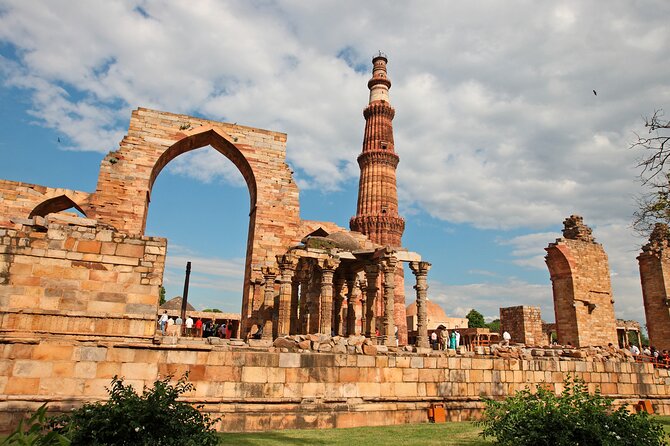
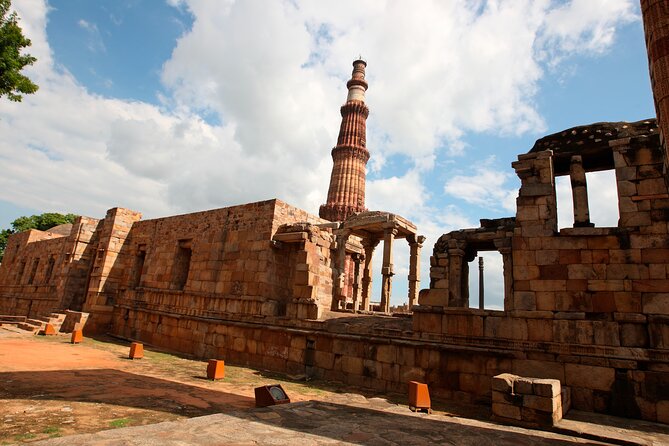
The first day covers a great deal of ground. Your opening stop is Qutub Minar, the 73-meter brick minaret built in the early 13th century. You have about an hour here, enough time to see the tower, study the carved stonework, and learn why the UNESCO-listed site matters.
Qutub Minar gives you an early look at Delhi’s layered past. The complex is more than one tall tower, so use your time to look around rather than treating it as a quick photograph stop. Admission is included.
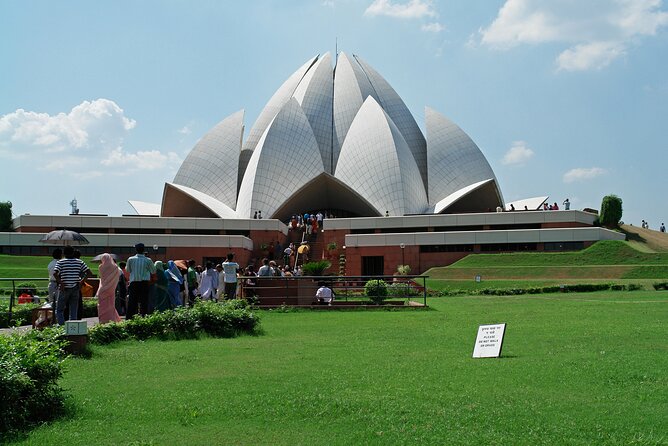
From there, the Lotus Temple offers a change of mood. You have 30 minutes to see the white, lotus-shaped building and its quiet setting. Admission is free. The short stop works well as a pause after Qutub Minar, though you should not expect a long visit.
The next group of stops focuses on modern Delhi and the ceremonial center of the capital. India Gate is a memorial to Indian soldiers, while Parliament House and Rashtrapati Bhavan introduce the city’s government district and colonial-era design. The time here is brief: 30 minutes at India Gate, then 15 minutes each at Parliament House and Rashtrapati Bhavan.
These stops are best understood as outside views and photo opportunities. The schedule does not allow for extended interior visits, and access to government buildings can be controlled. Still, they help connect the old imperial city with present-day Delhi.
Humayun’s Tomb and the quiet side of the capital
Humayun’s Tomb receives a more generous hour. This 16th-century Mughal mausoleum is one of Delhi’s major architectural sights, with formal gardens, broad stone paths, and a design that points toward the later style of the Taj Mahal.
I especially like having this stop before Old Delhi. After the traffic and wide government avenues, the tomb provides room to slow down and notice the symmetry of the building. Admission is included, and a guide can help explain how Mughal tomb design developed.
Agrasen Ki Baoli is a much shorter visit, only about 15 minutes. This old stepwell is a striking example of practical water architecture, with stairs descending into the earth. The stop is compact, but it adds variety to the day and gives you something different from grand palaces and tombs.
You should keep your expectations in check. Fifteen minutes is enough to look into the stepwell and take photographs, but not enough for a long, unhurried exploration.
Old Delhi by rickshaw, mosque, and market
The afternoon shifts to Old Delhi, where the experience becomes less polished and more sensory. Chandni Chowk is a market district filled with shops selling spices, dried fruit, silver jewelry, saris, and other goods. You have about an hour to see the area.
A rickshaw ride through Old Delhi is included and lasts about 30 minutes. This is one of the tour’s more useful touches. The narrow lanes and dense traffic are easier to experience from a rickshaw than from a private car, and the ride gives you a brief look at the street-level life of the old Mughal capital.
Jama Masjid follows, with about an hour for the mosque. Built in the 17th century under Shah Jahan, it is one of the area’s key landmarks. Admission is included. Dress and entry rules can apply at religious sites, so follow your guide’s instructions and allow a little patience for the visit.
The Red Fort comes next, with 30 minutes listed. This UNESCO site was also built under Shah Jahan and served as the Mughal seat in Delhi. Half an hour is enough for an overview and photographs, but not a full exploration of every courtyard and building.
The order of the day makes sense, but it is ambitious. You will see many major places, yet several stops are short. If you prefer slow museum visits or long meals, this schedule may feel rushed. If your goal is to get a strong first look at Delhi, it covers impressive ground.
After Delhi, the drive to Agra takes about three hours. You check into your hotel and spend the night there, positioning you close enough for the next morning’s early visit to the Taj Mahal.
More Golden Triangle itineraries from New Delhi:
- 3-Days Private Golden Triangle Tour: Delhi, Agra & Jaipur by Car
★ 5.0 · 1,107 reviews - 3-Days Private Golden Triangle Tour: Delhi, Agra & Jaipur by Car
★ 5.0 · 1,098 reviews - 3-Day Delhi, Agra and Jaipur Private Tour – India Golden Triangle
★ 5.0 · 812 reviews - Four-Day Private Luxury Golden Triangle Tour to Agra and Jaipur From New Delhi
★ 5.0 · 807 reviews
The Taj Mahal at sunrise
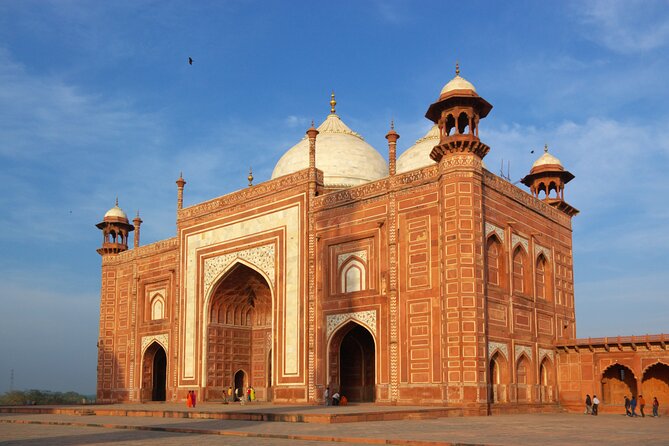
The second day starts with the tour’s signature moment: a guided visit to the Taj Mahal at sunrise. The planned time is about three hours, and admission is included. The early timing is important. Morning light gives the marble a softer appearance, and arriving early can make the visit feel calmer than a later stop, although conditions and crowds can vary.
The Taj Mahal is not simply a quick monument photo. Give yourself time to walk through the complex, see the building from changing angles, and listen as your guide explains the site. The included battery bus from the Taj Mahal parking area to the main entry gate is a small but welcome convenience, especially before a long day of sightseeing.
A sunrise start also shapes the rest of your day. You will need to be ready early, but the reward is having the most anticipated sight completed before breakfast and the later heat. Breakfast is included for two mornings when you book the accommodation option.
Agra Fort and the Baby Taj
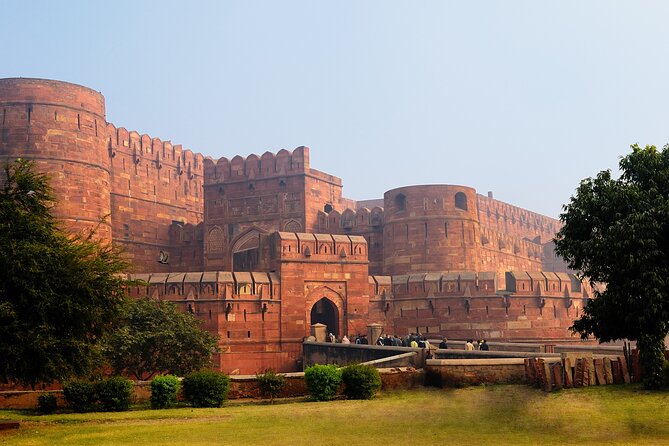
Agra Fort provides the historical counterpoint to the Taj Mahal. You have about an hour to explore this UNESCO-listed fort, including its courtyards, halls, and palace areas. The fort helps you understand Agra as a royal capital rather than merely the home of one famous monument.
From parts of the fort, the Taj Mahal can be viewed across the Yamuna River area. The perspective is different from the direct approach at sunrise, and the fort’s red sandstone creates a strong contrast with the Taj’s pale marble.
Itmad-ud-Daula, often called the Baby Taj, receives about 30 minutes. This smaller tomb is known for delicate marble work and detailed decoration. The visit is short, but it works well after Agra Fort because it lets you compare two different Mughal building styles without adding a major detour.
After Agra’s sights, the road to Jaipur takes about five hours. That is the longest transfer of the trip. You arrive, check in, and spend the second night in Jaipur. The schedule gives you no major Jaipur sightseeing on arrival day, so the third day carries the city’s main attractions.
Jaipur’s royal City Palace and Hawa Mahal
The third day begins at Jaipur’s City Palace, with about an hour to see the complex. This is where you get a feel for the city’s royal past through courtyards, decorative details, palace buildings, and displays connected with Jaipur’s rulers.
One hour is a useful introduction, though the palace can reward a slower visit. Your guide helps you focus on the most important parts rather than wandering without context.
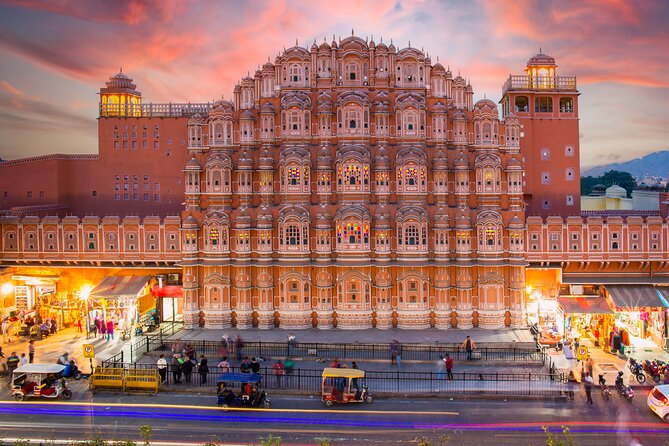
Hawa Mahal, the Palace of Wind, follows for another hour. Built in 1799 for Maharaja Sawai Pratap Singh, its famous facade is made of many small windows and lattice screens. From the outside, it is one of Jaipur’s most recognizable sights. The interior visit gives the building more meaning, but the exterior view remains the essential photograph.
I like the pairing of City Palace and Hawa Mahal. One shows the scale and formality of royal Jaipur, while the other is more delicate and visually unusual. Both are central to understanding why Jaipur feels different from Delhi and Agra.
Jantar Mantar turns astronomy into architecture
Jantar Mantar is the most unusual stop in Jaipur. This UNESCO-listed observatory was built in the 18th century by Maharaja Sawai Jai Singh II. It contains large stone instruments used for measuring time and tracking celestial movements.
You have about an hour here, which is useful because the instruments can look puzzling without an explanation. Ask your guide to show you how the structures worked rather than simply walking past them. This stop adds science and mathematics to a route otherwise dominated by palaces, tombs, and forts.
Jantar Mantar also rewards curiosity more than quick sightseeing. If you enjoy places with a clear practical purpose, it may become one of your favorite Jaipur visits. If you prefer ornate rooms and royal stories, it may feel less immediately exciting.
Jal Mahal and Panna Meena ka Kund
Jal Mahal is a 30-minute stop at Man Sagar Lake. The palace appears to sit in the water, creating one of Jaipur’s most memorable views. The visit is mainly about seeing the building from outside and learning about its setting, rather than touring a large interior.
The final sightseeing stop is Panna Meena ka Kund, a 16th-century stepwell near Amber Fort. Its symmetrical stairways and octagonal form make it visually different from Agrasen Ki Baoli in Delhi. You have about 20 minutes, so treat it as a quick architectural stop rather than a full visit.
These two places give the Jaipur day some breathing room between the larger palace sights. They also show a practical side of historic building: water storage, public gathering, and careful design were part of daily life, not just royal display.
The provided schedule does not include Amber Fort itself, which is a notable omission for some visitors. If Amber Fort is at the top of your Jaipur list, ask the operator before booking if the route can be adjusted. Since this is private, some flexibility may be possible, but the supplied plan specifically names Panna Meena ka Kund rather than Amber Fort.
Cars, guides, hotels, and meals
The vehicle depends on your group size. One or two people receive a four-seat air-conditioned sedan. Three or four use a six-seat SUV. Groups of five to 10 travel in a 12-seat tempo traveler, and groups of 11 to 15 use a 17-seat tempo traveler or minibus.
All listed vehicles are air-conditioned, which matters during long road transfers. The tour also includes mineral water, tolls, parking, fuel surcharge, and hotel taxes. Those small costs can add up on a three-city route, so having them covered makes the quoted price easier to understand.
Licensed, government-approved guides are provided in Delhi, Agra, and Jaipur. The booking feedback specifically refers to Aman, who helped a solo woman visiting India for the first time. That detail points to one of the tour’s real strengths: having a named local contact and planned transport can make a first visit feel easier to manage.
Accommodation and daily breakfast are included when you book the hotel-inclusive option. The exact hotel names and room standards are not provided, so check those details before paying if lodging quality is important to you. Lunch and dinner are not included, giving you control over meals but leaving those costs outside the advertised price.
Who should book this three-day route?
I would recommend this tour to a first-time visitor who wants the main Golden Triangle sights with minimal planning. It suits solo visitors who value a private car and local guidance, couples who want a straightforward route, and small groups that can share the transport cost.
It is also useful if you arrive in Delhi and want pickup from the airport or your accommodation. The option to finish at Jaipur airport is practical if Jaipur is part of a longer trip.
I would hesitate if you dislike early starts, long drives, or tightly scheduled sightseeing. Delhi’s first day is full, the Agra to Jaipur transfer takes five hours, and the Jaipur to Delhi return takes about five hours. The final day lets you choose between returning to Delhi and being dropped at Jaipur airport, but it is still a substantial travel day.
The tour has a five-star rating from 17 reviews and a 100 percent recommendation rate. That is encouraging, especially alongside the specific note from a solo female visitor who found the organized route helpful on her first trip to India. Still, a small review count cannot answer every question about guide quality, hotel choice, or vehicle comfort, so confirm the details that matter most to you.
Free cancellation is available if you cancel at least 24 hours before the experience starts. Inside that window, the amount paid is not refunded, and changes are not accepted.
Should you book it?
Book this tour if you want the Golden Triangle’s major sights in a private, organized package and you accept a brisk pace. The Taj Mahal at sunrise, Old Delhi by rickshaw, and the mix of royal Jaipur and historic stepwells give the route more range than a simple monument checklist.
Skip it if you want several days in each city or prefer to set your own rhythm. Before booking, confirm the hotel option, ask about the exact pickup time, and check whether Jaipur airport drop-off fits your onward flight. For a first visit, particularly as a solo traveler, the private vehicle, included guides, and door-to-door service offer solid value.
FAQ
How long is the Golden Triangle tour?
The tour lasts approximately three days and covers Delhi, Agra, and Jaipur.
Where can pickup and drop-off be arranged?
Pickup and drop-off are available at Delhi Airport, throughout Delhi, Gurugram, Noida, and other Delhi NCR addresses. After Jaipur sightseeing, you can return to Delhi or be dropped at Jaipur airport.
Is this a private tour?
Yes. Only your group participates in the activity, with private transportation throughout.
What type of vehicle is provided?
One or two people use a four-seat air-conditioned sedan. Three or four people use a six-seat air-conditioned SUV. Groups of five to 10 use a 12-seat air-conditioned tempo traveler, while groups of 11 to 15 use a 17-seat tempo traveler or minibus.
Are hotels and breakfast included?
Two nights of accommodation and two breakfasts are included when you book the hotel-inclusive option.
Are attraction admissions included?
Admissions are included for the listed paid attractions, including Qutub Minar, Humayun’s Tomb, Jama Masjid, the Red Fort, the Taj Mahal, Agra Fort, Itmad-ud-Daula, City Palace, Hawa Mahal, Jantar Mantar, Jal Mahal, and the Taj Mahal battery bus.
Are lunch and dinner included?
No. Lunch and dinner are not included. Tips and gratuities are also excluded.
Can I cancel for a full refund?
Yes, if you cancel at least 24 hours before the experience start time. Cancellations or changes made less than 24 hours before the start time are not refunded or accepted.
More 3-Day Experiences in New Delhi
- 3-Day Private Luxury Golden Triangle Tour to Agra and Jaipur From New Delhi
★ 5.0 · 424 reviews - 3-Day Luxury Golden Triangle Tour: New Delhi, Agra & Jaipur
★ 5.0 · 246 reviews - Award-Winning 3-Day Private Golden Triangle Tour of India
★ 5.0 · 240 reviews - 3 Days 2 Night Golden Triangle Tour – Private Luxury Experience
★ 5.0 · 191 reviews
Just added around New Delhi
- Delhi: All-Inclusive Full or Half Day Tour With Hotel Pickup★ 5.0 · 3 reviews
- From Delhi : All Inclusive Taj Mahal Tour by Gatimaan Express★ 5.0 · 3 reviews
- Skip the line: Taj Mahal Agra Private Day Trip From Delhi By Car★ 5.0 · 3 reviews
- Delhi: Old and New Delhi One Day Private Guided City Tour★ 5.0 · 3 reviews
- New Delhi Night City Tour★ 5.0 · 3 reviews
- Old Delhi Half day private city tour★ 5.0 · 3 reviews
- A full-day tour of Old & New Delhi Monument Express Entry★ 5.0 · 3 reviews
- Sultanpur Bird Sanctuary Tour Near Delhi★ 5.0 · 3 reviews
Golden Triangle Tours, compared.
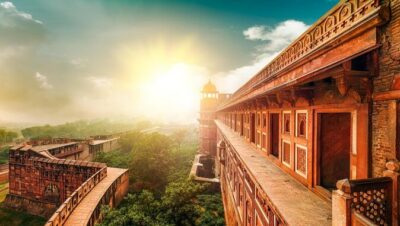
3-Days Private Golden Triangle Tour: Delhi, Agra & Jaipur by Car
Read our review →3-Days Private Golden Triangle Tour: Delhi, Agra & Jaipur by Car
Read our review →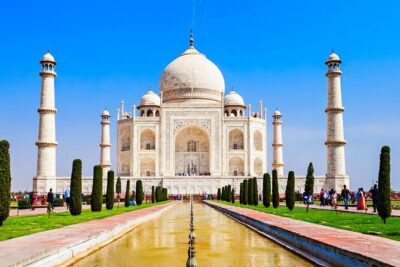
3-Day Delhi, Agra and Jaipur Private Tour – India Golden Triangle
Read our review →
Four-Day Private Luxury Golden Triangle Tour to Agra and Jaipur From New Delhi
Read our review →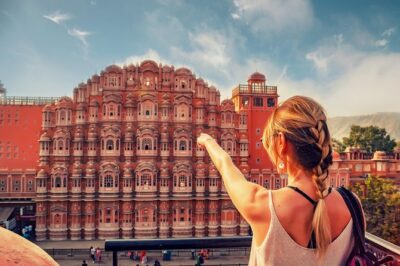
Jaipur Day Trip from Delhi by Car or Train – All Inclusive
Read our review →
Jaipur City Private Day Tour from Delhi by Car – All Inclusive
Read our review →
5 Nights 6 Days Private Golden Triangle Tour – Delhi Agra Jaipur
Read our review →
Browse the lists this tour appears in