
Reviewed · GOLDEN TRIANGLE TOURS
5-Day Private Golden Triangle Tour: Delhi, Agra, and Jaipur
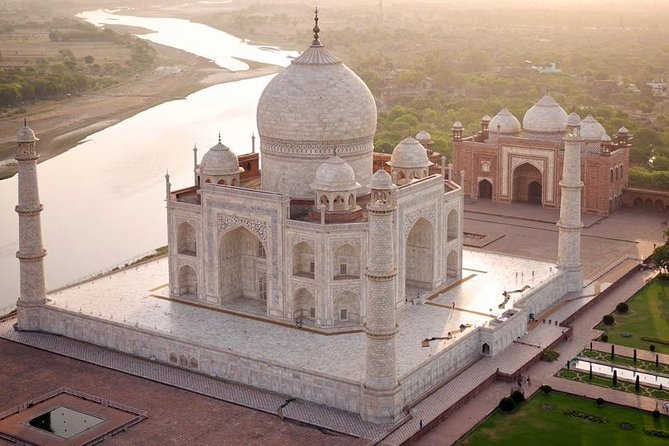
The Taj Mahal at sunrise is the headline, but this five-day private tour gives you far more: Mughal tombs and forts, Jaipur’s royal palaces, Old Delhi’s crowded lanes, and a striking stepwell in the countryside. You move by private air-conditioned car, with a local guide waiting in each city.
I like the door-to-door transport, which removes much of the strain from India’s traffic and long road transfers. I also like the mix of major sights and lesser-seen stops, especially Mehtab Bagh, Chand Baori, Raj Ghat, and Galtaji Temple.
The main drawback is the pace. Five days covers a great deal of ground, and Day 1 in Delhi is especially full. You should also confirm exactly which hotel package you are booking, since accommodation and breakfast apply only to the hotel-inclusive option.
In This Review
- Key points at a glance
- Why this route works in five days
- Day 1: Delhi from Mughal tombs to Old Delhi lanes
- Day 2: Agra Fort and a quieter Taj Mahal view
- Day 3: The Taj Mahal at sunrise and Chand Baori
- Day 4: Jaipur’s forts, palaces, and unusual observatory
- Hotels, meals, and what the price really covers
- Who will get the most from this private tour
- Should you book the five-day Golden Triangle?
- FAQ
- Is hotel accommodation included in the tour price?
- What time does the tour begin?
- Is transportation private?
- Are local guides included?
- Is the Taj Mahal parking shuttle included?
- Are meals included?
- What costs extra?
Key points at a glance
- Sunrise at the Taj Mahal: Visit India’s most famous monument early, when the light is soft and the grounds are cooler.
- A private car and guide team: You have one vehicle for transfers and sightseeing, plus a local guide in each city.
- Delhi’s wide historical range: See Humayun’s Tomb, Qutub Minar, India Gate, Jama Masjid, Chandni Chowk, Raj Ghat, and Akshardham.
- Jaipur beyond the postcard stops: Amber Fort, City Palace, Jantar Mantar, Chand Baori, and Galtaji Temple give the Pink City real depth.
- Hotel choice affects the price: You can select 4-star or 5-star accommodation with four breakfasts, or book without the hotel package.
- Good value for a tightly planned trip: Entry fees, bottled water, transfers, and the Taj Mahal parking shuttle are included, but meals and a few optional rides are extra.
Why this route works in five days
The Golden Triangle links Delhi, Agra, and Jaipur in a natural loop. Delhi supplies the capital’s grand avenues, old markets, memorials, and monuments. Agra concentrates the Mughal story around the Taj Mahal and Agra Fort. Jaipur shifts the mood to Rajput palaces, astronomical instruments, hilltop defenses, and colorful city streets.
I would not choose this tour if you want long, unplanned afternoons in each place. I would choose it if you have five days and want the main sights handled by someone who understands the roads, ticket lines, parking areas, and timing.
The private format matters. You are not tied to a large coach group, and the vehicle is reserved for your party. That gives you a simpler way to manage bags, hotel check-ins, photo stops, and the long drives between cities. Exact transfer times depend on traffic, so keep your schedule flexible. Delhi traffic can make a short distance feel surprisingly long.
A separate guide is provided for sightseeing in each location. Past guide assignments have included Himmat in Delhi and Abhaneri, Mukesh in Agra, and Ashok in Jaipur. Other parties have worked with Mahesh, along with drivers such as DK, Hari, Kuldeep, K.K., and Sharna. Names are not guaranteed, but the arrangement is useful because each guide focuses on a city he knows well.
More Agra and Fatehpur Sikri days:
- Same Day Taj Mahal, Agra Fort & Baby Taj Tour from Delhi by Car
★ 5.0 · 4,304 reviews - Full Day Taj Mahal, Agra Fort & Baby Taj Tour from Delhi by Car
★ 5.0 · 3,647 reviews - From Delhi: Taj Mahal & Agra Private Day Trip with Transfers
★ 4.9 · 3,181 reviews
Day 1: Delhi from Mughal tombs to Old Delhi lanes
Pickup begins at 9 a.m. The day starts at Humayun’s Tomb, a calm Mughal monument built for Emperor Humayun. Its red sandstone and white marble give you an early lesson in the design ideas that later reached their grandest expression at the Taj Mahal.
You have about an hour here, enough to see the main tomb and understand the setting without spending half the day on one site. The monument is also a good first stop because it offers open space and a slower rhythm before Delhi’s denser sights.
Next comes Qutub Minar, another UNESCO World Heritage Site. The tower rises high above the surrounding complex and was built as an Afghan-style victory tower and minaret in 1193. Allow your guide to explain the wider complex, not just the tower itself. The carved stone, older ruins, and changing rulers make this more than a quick photo stop.
The Lotus Temple offers a different experience. It is closed on Mondays, so check the day of your visit. The white marble building is shaped like a lotus with 27 petals and is intended for quiet worship. After the noise and movement of Delhi’s roads, its silence can feel like a real change of gear.
India Gate follows, with roughly 30 minutes for photographs and explanation. The 42-meter memorial honors Indian soldiers who died in World War I, the Northwest Frontier operations, and the 1919 Anglo-Afghan War. Nearby, you also pass the circular Parliament building and Rashtrapati Bhavan, the President’s House, formerly the British Viceroy’s residence.
These government buildings are usually viewed from outside, so do not expect a palace tour. Still, they help explain the shape of modern New Delhi, with its broad ceremonial avenues and British-era planning.
After the formal center of the capital, the tour moves to Jama Masjid in Old Delhi. The mosque sits on a 10-meter elevation and can hold up to 25,000 people. Dress in smart casual clothing, and listen carefully to your guide about any visiting rules at the entrance.
Chandni Chowk brings the day’s most active stretch. The planned highlight is a bicycle rickshaw ride through the old market area, but that ride costs about $4 per person and is not included. The short trip gives you a close view of the district’s narrow lanes and crowded commercial life without asking you to navigate it alone.
Raj Ghat is quieter. This well-kept park contains the simple black marble platform marking the place where Mahatma Gandhi was cremated in 1948. It is a brief, reflective stop beside the Yamuna River.
The final visit is Swaminarayan Akshardham Temple, which takes about two hours. Built in 2005, it is known for lavish pale red sandstone carving made with traditional techniques. Akshardham is closed on Mondays, and rules about photography and entry can be strict, so follow your guide’s instructions.
Day 1 is long and varied. I like the range, but you should expect plenty of walking, repeated security checks at some attractions, and a full sensory workout in Old Delhi. If your group tires easily, ask how the schedule can be adjusted before the day begins.
Day 2: Agra Fort and a quieter Taj Mahal view
After breakfast, you drive about three hours to Agra through the countryside. This is one reason the private car earns its keep. You can leave from your hotel, stop when needed, and avoid handling the transfer yourself.
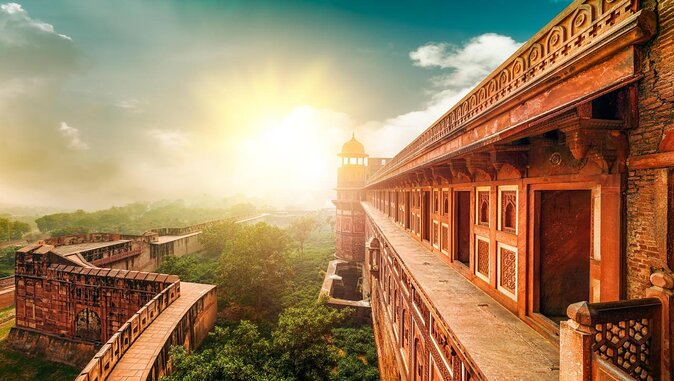
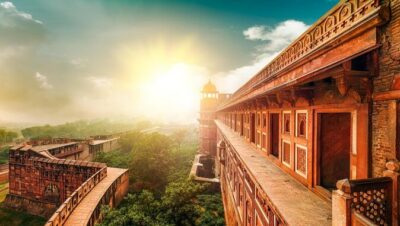
After checking in, the afternoon visit is Agra Fort. This UNESCO World Heritage Site was the main residence of Mughal emperors until 1638. Its massive walls contain courtyards, halls, and views toward the Yamuna River. The fort also gives useful context for the Taj Mahal, since the two monuments are tied to the same imperial family and period.
Your guide can help you see the fort as more than a defensive structure. It was also a royal residence and a political center. From some sections, you may see the Taj Mahal in the distance, which helps connect the two sites.
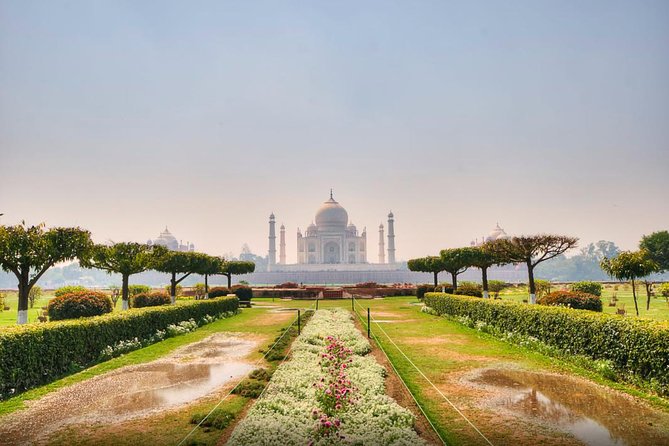
In the evening, you visit Mehtab Bagh for photographs of the Taj Mahal. The garden lies across the river and is linked to the idea that Shah Jahan wanted a moonlit view of the monument. The mood here is far calmer than the main Taj Mahal entrance area.
Mehtab Bagh is worth keeping even though it does not replace entering the Taj Mahal. It gives you a broader view of the building and a chance to watch its color change with the fading light. Your guide can also help you frame photographs without rushing you through the main gate.
Day 3: The Taj Mahal at sunrise and Chand Baori
The sunrise visit is the emotional center of the tour. The Taj Mahal is a memorial built by Shah Jahan for his wife Mumtaz Mahal, and the symmetry, marble, and river setting are best appreciated before the heat of the day builds.
You have about two hours at the monument. That sounds generous, but the time passes quickly once you account for security, the approach from the parking area, photographs, and the interior visit. A battery bus or golf cart carries you between the parking area and the Taj Mahal, and that return ride is included.
Sunrise access depends on weather conditions. The early start also means you need to accept a very different morning from the usual hotel routine. If the sky is cloudy, the experience can look different from the glowing Taj seen in travel photographs, but the early timing still helps with temperature and crowds.
After leaving Agra, the road to Jaipur includes Abhaneri and Chand Baori. This is one of the route’s best choices because it breaks up the transfer with a site that many short Golden Triangle programs skip.
Chand Baori is a dramatic stepwell with repeated flights of stairs dropping toward the water. It was built for practical water access, but its precise geometry also makes it a powerful architectural sight. Nearby Harshat Mata Temple adds a religious setting to the stop.
You spend about an hour at Abhaneri before continuing to Jaipur. After check-in, the remaining time is limited, so treat this as a transfer day with two major attractions rather than a relaxed Jaipur afternoon.
More Golden Triangle itineraries from New Delhi:
- 3-Days Private Golden Triangle Tour: Delhi, Agra & Jaipur by Car
★ 5.0 · 1,107 reviews - 3-Days Private Golden Triangle Tour: Delhi, Agra & Jaipur by Car
★ 5.0 · 1,098 reviews - 3-Day Delhi, Agra and Jaipur Private Tour – India Golden Triangle
★ 5.0 · 812 reviews - Four-Day Private Luxury Golden Triangle Tour to Agra and Jaipur From New Delhi
★ 5.0 · 807 reviews
Day 4: Jaipur’s forts, palaces, and unusual observatory
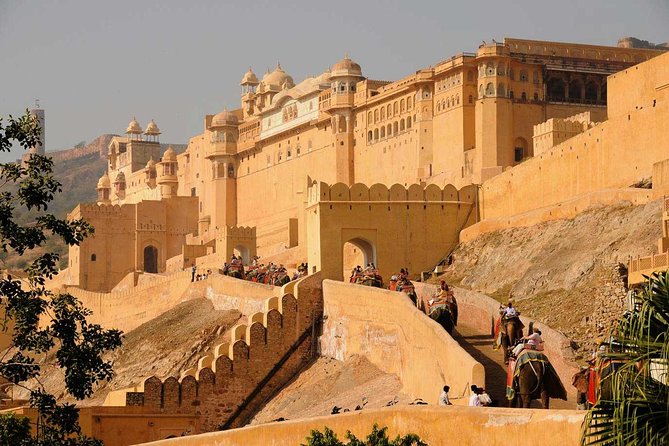
Amber Fort is the morning’s main event. The honey-colored fortress rises on a rocky mountain slope about 11 kilometers northeast of Jaipur. It combines Rajput architecture with courtyards, gates, halls, and long views across the surrounding area.
Two hours gives you time to see the principal sections, though the site involves slopes, steps, and walking. A jeep ride at Amber is an optional extra for groups of five or more, priced at about $3 per person. Ask your guide how that applies to your party before you arrive.
Jal Mahal is a short photo stop of about 15 minutes. The palace appears to sit in Man Sagar Lake, creating one of Jaipur’s most recognizable views. Admission is not included, and the stop is mainly for seeing the building from the shore rather than touring its interior.
The Hawa Mahal is another brief photo stop. Its pink facade is pierced by a honeycomb of windows and rises five stories above the street. It was built in 1799, and its design allowed royal women to observe street life without being seen.
Because the stop is short, you may want to tell your guide if you care more about photographs of the facade or a fuller explanation of its purpose. The schedule does not include a long interior visit here.
The City Palace gives you more time with Jaipur’s royal story. It remains the residence of the royal family and combines courtyards, gardens, and buildings from different periods, including sections from the early 20th century. One hour is enough for a focused visit, but not for every corner.
Jantar Mantar is one of the most rewarding stops for anyone who likes practical science. Its enormous geometric instruments were calibrated to track the movement of stars and planets. A guide is especially helpful here, since the shapes make little sense until someone explains what each instrument measured.
The day ends at Galtaji Temple, often called the Monkey Temple. The 15th-century complex is set between granite cliffs and includes three sacred pools. The name reflects the monkeys that frequent the site, but the pools, temple buildings, and narrow setting are the real reasons to visit.
This is a varied Jaipur day, but you should expect a lot of stops with limited time at each. The advantage is coverage. The cost is that you may wish for another full day in Jaipur.
Hotels, meals, and what the price really covers
The listed price is about $464.79 per person, but the final value depends on the option you select. The hotel-inclusive package provides four nights of twin-sharing accommodation in either 4-star or 5-star hotels, plus four breakfasts.
That can be good value for someone who wants one booking to handle rooms, transfers, sightseeing, and entry tickets. It also reduces the work of choosing hotels in three different cities. If you prefer to arrange your own accommodation, confirm the price and inclusions carefully before paying, since hotel stays and breakfast apply only to the relevant package.
Lunches, dinners, snacks, and drinks beyond bottled water are not included. The tour supplies unlimited bottled water, which is a small but useful benefit during hot sightseeing days. The bicycle rickshaw in Chandni Chowk and the applicable Amber Fort jeep ride cost extra.
The price also includes monument entry fees for the listed sights and the Taj Mahal parking shuttle. Those inclusions matter because admission costs and transport add up quickly across three cities.
Mandatory hotel gala dinners on Christmas and New Year’s Eve are not included and can be charged separately. If your dates fall at that time, ask the provider for the current amount before booking.
Who will get the most from this private tour
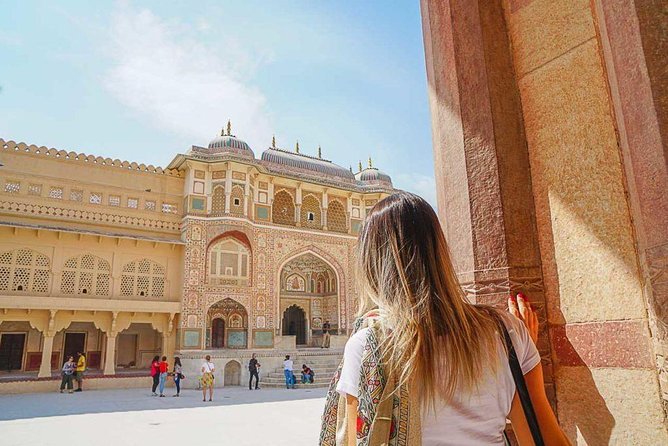
I would recommend it to a first-time visitor who wants to see the classic northern India sights without arranging every train, car, hotel, ticket, and guide separately. It also suits families and small groups who value having the vehicle to themselves.
The tour is a good match if you prefer explanations at the monuments. Past assignments have included Himmat, Mukesh, and Ashok, and the strongest part of the setup is the city-by-city guide system. Drivers have also received repeated praise for safe handling of the roads and for helping groups get back to the car after visits.
I would hesitate to recommend it to someone who dislikes early mornings, long road transfers, or tightly planned sightseeing. You should also consider a slower trip if your main goal is local food, free time, shopping, or repeated visits to one city.
Vegetarian meals can be requested when booking, but meals themselves are generally not included. A current passport is required on the day of the tour, and you are responsible for checking visa rules before entering India.
Free cancellation is available if you cancel at least 24 hours before the start time. Changes or cancellations inside that window are not accepted for a refund.
Should you book the five-day Golden Triangle?
Book this tour if your priority is maximum sightseeing with minimum logistical effort. You will see the Taj Mahal at sunrise, tour two major forts, visit Jaipur’s palace and observatory, and cover a striking range of Delhi sights in only five days.
The best reasons to choose it are the private car, local guide in each city, included entrance fees, and the careful mix of famous monuments with stops such as Mehtab Bagh and Chand Baori. Ask in advance which hotel category, guide language, and pickup and drop-off points apply to your booking.
Skip it if you want a slow, independent trip. For a short first visit, though, this is a practical way to meet India’s most famous sights while leaving the complicated road work to a driver.
FAQ
Is hotel accommodation included in the tour price?
Hotel accommodation is included only if you book the option that includes hotels. That package provides four nights in twin-sharing 4-star or 5-star accommodation and four breakfasts.
What time does the tour begin?
Pickup begins at 9 a.m. on Day 1. The Taj Mahal visit takes place at sunrise on Day 3, so that morning starts much earlier than the standard 9 a.m. schedule.
Is transportation private?
Yes. A private air-conditioned vehicle is used for sightseeing and transfers, and only your group participates in the activity.
Are local guides included?
Professional private local guides are included for sightseeing in Delhi, Agra, and Jaipur. The guide may be multilingual, and guide assignments can vary.
Is the Taj Mahal parking shuttle included?
Yes. The return battery bus or golf cart ride between the Taj Mahal parking area and the monument is included.
Are meals included?
Four hotel breakfasts are included with the hotel package. Other meals and drinks are not included, although bottled water is provided throughout the tour.
What costs extra?
The bicycle rickshaw ride in Chandni Chowk costs about $4 per person. The Amber Palace jeep ride costs about $3 per person for groups of five or more. Christmas and New Year’s Eve gala dinners at the hotel are also charged separately.
More 5-Day Experiences in New Delhi
- Private 5-Day Ranthambhore Tiger Tour from Delhi including the Taj Mahal, Agra and Jaipur
★ 5.0 · 197 reviews - 5-Day Private Luxury Golden Triangle Tour to Agra and Jaipur From New Delhi
★ 5.0 · 142 reviews - Private Golden Triangle Tour 5 Days Delhi Agra Jaipur
★ 5.0 · 92 reviews - From Delhi: 5-Day Tiger Safari & Golden Triangle Tour
★ 4.5 · 81 reviews
Just added around New Delhi
- Delhi: All-Inclusive Full or Half Day Tour With Hotel Pickup★ 5.0 · 3 reviews
- From Delhi : All Inclusive Taj Mahal Tour by Gatimaan Express★ 5.0 · 3 reviews
- Skip the line: Taj Mahal Agra Private Day Trip From Delhi By Car★ 5.0 · 3 reviews
- Delhi: Old and New Delhi One Day Private Guided City Tour★ 5.0 · 3 reviews
- New Delhi Night City Tour★ 5.0 · 3 reviews
- Old Delhi Half day private city tour★ 5.0 · 3 reviews
- A full-day tour of Old & New Delhi Monument Express Entry★ 5.0 · 3 reviews
- Sultanpur Bird Sanctuary Tour Near Delhi★ 5.0 · 3 reviews
Golden Triangle Tours, compared.
3-Days Private Golden Triangle Tour: Delhi, Agra & Jaipur by Car
Read our review →3-Days Private Golden Triangle Tour: Delhi, Agra & Jaipur by Car
Read our review →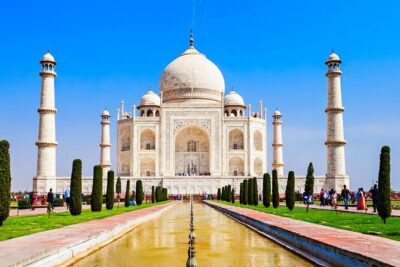
3-Day Delhi, Agra and Jaipur Private Tour – India Golden Triangle
Read our review →
Four-Day Private Luxury Golden Triangle Tour to Agra and Jaipur From New Delhi
Read our review →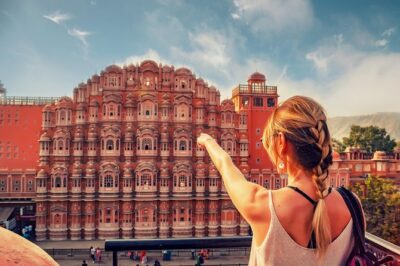
Jaipur Day Trip from Delhi by Car or Train – All Inclusive
Read our review →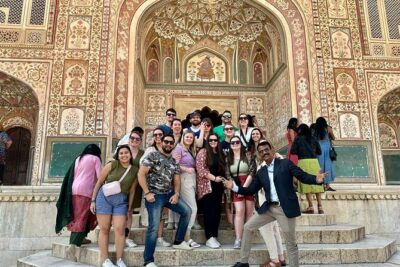
Jaipur City Private Day Tour from Delhi by Car – All Inclusive
Read our review →
5 Nights 6 Days Private Golden Triangle Tour – Delhi Agra Jaipur
Read our review →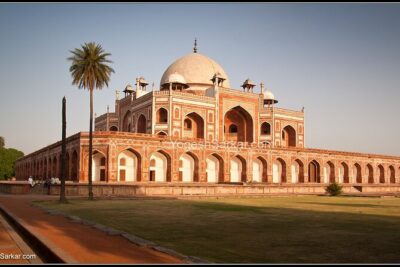
Browse the lists this tour appears in