
Reviewed · GOLDEN TRIANGLE TOURS
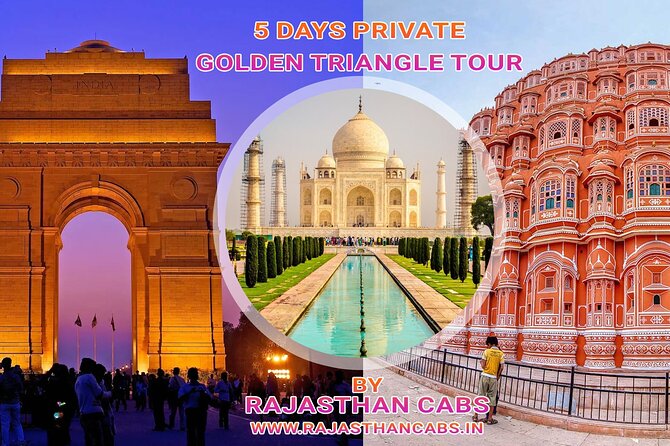
5 Days Private Golden Triangle Tour
The Taj Mahal, Agra Fort, and Amber Palace make this a strong first look at northern India, but the real appeal is the private format. You travel by Toyota Innova Crysta, with the route built around your own group rather than a large coach.
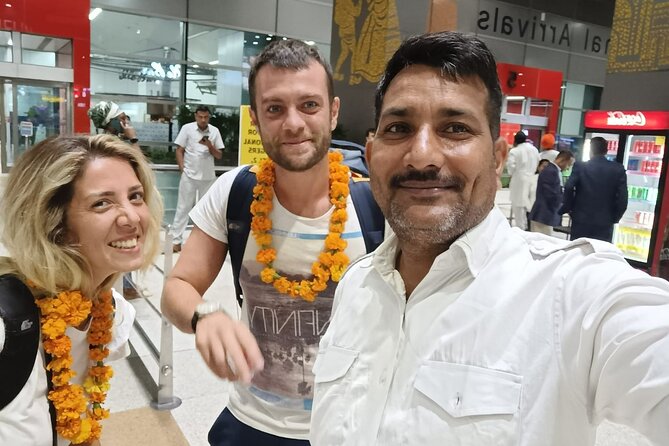
I like the mix of grand monuments and smaller stops, from Gandhi Smriti and Mehtab Bagh to the observatory at Jantar Mantar. I also like the human touch: the tour names Amit as the driver and Rahul and Krishna as guides, with help available from booking through the end of the trip.
The main catch is the pace. Five days cover three major cities and many monuments, so you will spend long stretches on the road and need to budget for several entrance fees that are not included in the $220 price.
In This Review
- Key points at a glance
- Why this five-day route works
- Delhi begins with forts, tombs, and city icons
- Qutub Minar and Gandhi Smriti add contrast
- Agra Fort puts the Taj Mahal in context
- Two hours at the Taj Mahal
- Fatehpur Sikri shows Akbar’s grand plan
- Jaipur brings palaces, science, and water views
- Amber Palace is Jaipur’s grand finish
- Day 5 ends with Birla Mandir
- What the $220 price really covers
- Who should book this Golden Triangle tour
- Should you book it?
- FAQ
- How long is the Golden Triangle tour?
- Which cities does the tour visit?
- Is this a private tour?
- What vehicle is used?
- Are entrance tickets included?
- Is the Lotus Temple open every day?
- Who provides the driving and guiding?
- Can I cancel for a full refund?
Key points at a glance
- Private Toyota Innova Crysta: Your group has its own vehicle instead of joining a shared sightseeing bus.
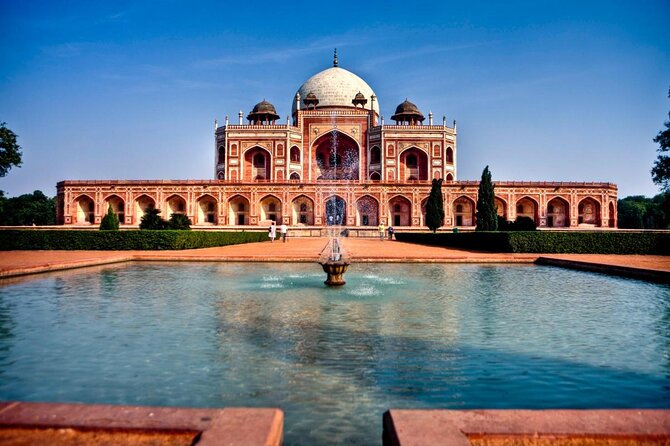
- Delhi gets a full first day: Red Fort, Humayun’s Tomb, India Gate, Lotus Temple, Qutub Minar, Gandhi Smriti, and Jama Masjid are all included.
- The Taj Mahal is not rushed: Day 3 gives the monument about two hours, with Agra Fort and Mehtab Bagh also on the route.
- Jaipur packs in five major sights: Hawa Mahal, Jantar Mantar, City Palace, Jal Mahal, and Amber Palace fill Day 4.
- Named staff add useful reassurance: Amit handles the driving, while Rahul and Krishna are listed as guides.
- The $220 price is a starting point, not the full bill: Several monument tickets are extra, though private transport and guiding add real value.
Why this five-day route works
India’s Golden Triangle links Delhi, Agra, and Jaipur in a compact north Indian circuit. Each city brings a different chapter: Delhi mixes imperial, colonial, religious, and national landmarks; Agra centers on Mughal architecture; Jaipur brings the palaces and forts of Rajasthan.
I like this route for a first visit because it avoids the problem of seeing only one Indian city. You get a broad introduction without having to arrange separate cars, transfers, and guides for every stop.
The private setup matters. A five-day schedule with this many sights can feel tiring in a large group, where every stop follows a fixed clock. With your own party, you have a better chance of asking questions, adjusting the pace, and getting help with navigation. The service is described as professional and on time, with Amit driving and Rahul and Krishna providing guide support.
Still, this is not a slow cultural holiday. It is a major-sights tour. You will see a great deal, but the days may feel full, especially in Delhi and Jaipur.
More Golden Triangle itineraries from New Delhi:
- 3-Days Private Golden Triangle Tour: Delhi, Agra & Jaipur by Car
★ 5.0 · 1,107 reviews - 3-Days Private Golden Triangle Tour: Delhi, Agra & Jaipur by Car
★ 5.0 · 1,098 reviews - 3-Day Delhi, Agra and Jaipur Private Tour – India Golden Triangle
★ 5.0 · 812 reviews
Delhi begins with forts, tombs, and city icons
Day 1 is ambitious. It starts at the Red Fort in Old Delhi, the massive Mughal citadel known locally as Lal Qila. Give it the full hour listed, and pay attention to the scale of the walls and the formal palace spaces inside. This is a place where Delhi’s Mughal past feels physical rather than abstract.
Jama Masjid is also included, though only one minute is listed. That timing suggests a brief photo or drive-by rather than a proper visit. If this mosque matters to you, ask the guide how the stop will work. A one-minute listing is not enough for a meaningful look around.
Humayun’s Tomb gets 90 minutes, which is more generous. This UNESCO World Heritage Site is one of Delhi’s finest examples of Mughal design, with the emperor’s tomb set within a formal garden. I especially like its place in the route because it helps you see the architectural ideas that later reached their grandest form at the Taj Mahal.
India Gate is a short, free stop of about 30 minutes. The monument is a war memorial dedicated to Indian soldiers who died in World War I. You will not need a ticket, and the visit works well as a quick pause between larger sites.
The Lotus Temple adds a completely different note. Its white, lotus-inspired form belongs to the Bahá’í faith and offers a change from forts and royal buildings. The stop is also listed as free. Remember that it is closed every Monday, so the schedule may need adjusting if Day 1 falls on that day.
Qutub Minar and Gandhi Smriti add contrast
The Mehrauli area brings you to Qutub Minar, a 72.5-meter red sandstone tower with detailed carvings and inscriptions. The visit is listed at one hour. That is enough to take in the tower and the surrounding Indo-Islamic architecture without turning the stop into a long archaeological walk.
Gandhi Smriti gives Day 1 a quieter, more personal ending. This museum and memorial is dedicated to Mahatma Gandhi and is tied to the final period of his life. At 30 minutes, it is a concise visit, but it gives the day a useful change of mood after the grand scale of the Red Fort and Qutub Minar.
The listed Delhi route covers a lot of ground. That is its strength and its weakness. You see the city’s major landmarks in one day, but you do not get much open time for markets, food, or wandering. I would choose this tour if your priority is a solid first survey of Delhi. I would not choose it if you want several unplanned hours in Old Delhi.
Admission costs are uneven. India Gate, Lotus Temple, Qutub Minar, and Gandhi Smriti are listed as free, while Red Fort, Humayun’s Tomb, and Jama Masjid show admission not included. Confirm current ticket arrangements before you set out, since the $220 does not cover every entrance.
Agra Fort puts the Taj Mahal in context
Day 2 moves to Agra and begins with Agra Fort. The 90-minute visit is well judged. This is not simply another red sandstone fort. It was a Mughal seat of power, with massive defenses, royal halls, and views toward the Taj Mahal area.
Seeing Agra Fort before the Taj Mahal is useful. The fort explains the people and empire behind the monument, while the Taj is often treated as a single, isolated wonder. I prefer seeing both because the relationship gives Agra a fuller shape.
Mehtab Bagh follows, with about an hour listed. The historic garden lies across the Yamuna River from the Taj Mahal and is known for its opposite-bank view. It offers a different angle and a calmer setting than the main Taj complex.
The drawback is that the itinerary gives no separate hotel or meal information, so you should confirm how the overnight arrangements and daily breaks fit around the sightseeing. The route itself is clear, but practical timing between stops is not spelled out.
Agra Fort and Mehtab Bagh both list admission as not included. That is important when comparing the tour price with a self-arranged trip. The tour may still be good value if you place a high price on private driving and guide support, but the entrance total will add to your final cost.
A few more New Delhi departures worth comparing
- Private 5-Day Ranthambhore Tiger Tour from Delhi including the Taj Mahal, Agra and Jaipur
★ 5.0 · 197 reviews - 5-Day Private Luxury Golden Triangle Tour to Agra and Jaipur From New Delhi
★ 5.0 · 142 reviews - Private Golden Triangle Tour 5 Days Delhi Agra Jaipur
★ 5.0 · 92 reviews - From Delhi: 5-Day Tiger Safari & Golden Triangle Tour
★ 4.5 · 81 reviews
Two hours at the Taj Mahal
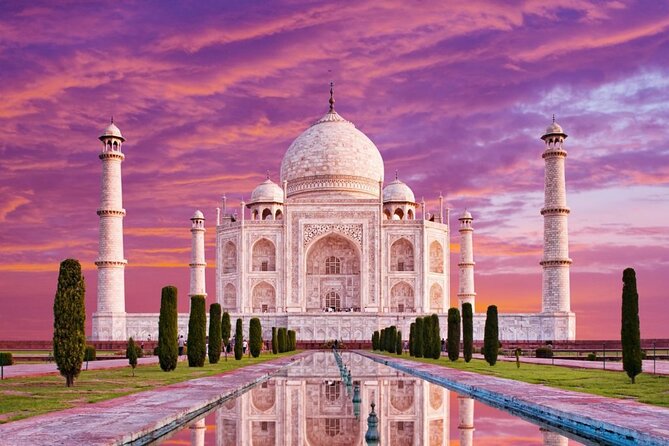
Day 3 opens with the Taj Mahal, and two hours is the longest single monument visit on the schedule. That is a sensible amount of time for the world-famous white marble mausoleum, its gardens, and the main viewing areas.
The Taj was built by Mughal emperor Shah Jahan in memory of Mumtaz Mahal. You will notice the balance of the main structure, the changing color of the marble, and the fine inlay work. Two hours should let you see the major elements without turning the morning into an endurance test.
This is the stop where early organization matters most. Your guide can help with the sequence of the visit, ticket details, and movement through the site, but the tour information does not state a special entry time or a skip-the-line arrangement. Do not assume those features are included.
The Taj Mahal ticket is listed as not included. Build that cost into your budget, along with the fee for Agra Fort and Mehtab Bagh. The monument is the emotional center of the route, so I would not cut time here to make room for lesser stops.
Fatehpur Sikri shows Akbar’s grand plan
After the Taj Mahal, the route continues to Fatehpur Sikri, about 1.5 hours from the schedule. Emperor Akbar founded this historic city in the late 16th century and used it as the Mughal capital for a period.
The site is valuable because it feels like a planned royal city rather than a single monument. You can see how palaces, courtyards, and religious buildings fit together. It also broadens the Mughal story beyond the Taj Mahal’s romance.
Fatehpur Sikri is listed with free admission, unlike many of the other major stops. One and a half hours gives you time to understand the site, though the day will already have begun early if you want a comfortable Taj visit.
This is another reason to use a private vehicle. The connection between Agra and Fatehpur Sikri is much easier when transport is arranged for you. You do not have to work out a separate transfer while carrying luggage and keeping to a sightseeing plan.
Jaipur brings palaces, science, and water views
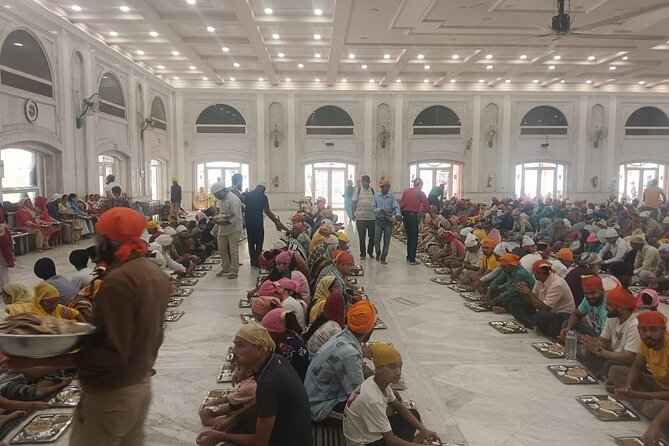
Day 4 is Jaipur’s big sightseeing day. Hawa Mahal comes first, with 30 minutes listed. The Palace of the Winds is famous for its honeycomb-like façade and small windows, designed to allow royal women to watch street life without being seen.
Thirty minutes is enough for the exterior and photographs, but not a detailed palace visit. Treat it as a sharp opening to the day rather than a full museum stop.
Jantar Mantar follows for one hour. This UNESCO World Heritage astronomical observatory contains large instruments built to measure time and track the movement of celestial objects. It can seem puzzling at first, so a guide is useful here. The buildings are not just decorative. Their shapes and angles had practical purposes.
The City Palace receives another hour. The complex, associated with Chandra Mahal, brings together courtyards, royal rooms, and palace architecture in the center of Jaipur. Admission is not included, so check the ticket cost before booking.
Jal Mahal is a 30-minute stop beside Man Sagar Lake. The Water Palace appears to sit in the middle of the lake, making it one of Jaipur’s easiest scenic pauses. The listed time suggests a view and photo stop rather than an interior visit.
Amber Palace is Jaipur’s grand finish
Amber Palace, also called Amer Palace, is the longest Jaipur stop at one hour. Built on a hill near Jaipur, it combines fortress walls with palace courtyards and decorative interiors.
This is the place where Jaipur’s royal setting comes into full view. The approach and elevated position help you understand why Amer was chosen as a seat of power. Allow yourself time to look beyond the most photographed rooms and notice the relationship between defense, ceremony, and daily royal life.
The schedule is efficient, but Jaipur’s five stops leave little room for extra wandering. Hawa Mahal, Jantar Mantar, City Palace, Jal Mahal, and Amber Palace all have different rhythms, yet they arrive in a single packed day. I would keep the day focused and avoid adding unofficial stops unless your group is comfortable extending the schedule.
All listed Jaipur admissions are not included. That includes Hawa Mahal, Jantar Mantar, City Palace, Jal Mahal, and Amber Palace. This is the largest cluster of extra ticket costs, so ask for a clear estimate before departure.
Day 5 ends with Birla Mandir
The final stop is Birla Mandir, also known as the Laxminarayan Temple, in New Delhi. The Hindu temple is dedicated to Lord Vishnu and Goddess Lakshmi, and the visit is listed at 30 minutes with free admission.
It is a neat closing stop because it returns you to Delhi and shifts the focus from Mughal and Rajput rulers to living Hindu religious tradition. The short visit suits the final day, when you may be preparing for departure or another connection.
The schedule does not list additional sightseeing after Birla Mandir. If you need a Delhi hotel or airport transfer, confirm the end point when booking.
What the $220 price really covers
At $220 per person, this tour offers a useful package if you want private transport across three cities and do not want to arrange each leg yourself. The Toyota Innova Crysta is a practical choice for a private group, especially on a route with substantial road time.
The value depends on group size. A solo visitor pays the full per-person rate, while two or more people share the cost of the vehicle and driver. Group discounts are offered, but the exact reduction is not stated, so ask for the current figure.
The price does not include every monument ticket. Red Fort, Humayun’s Tomb, Jama Masjid, Agra Fort, Mehtab Bagh, Taj Mahal, Hawa Mahal, Jantar Mantar, City Palace, Jal Mahal, and Amber Palace are all marked as not included. Some other stops are free.
That makes the tour best for someone who values convenience, a private car, and coordinated guiding. If you are focused only on the cheapest possible transport, public options may cost less. You would then give up the simplicity of one vehicle, named staff, and a set route through Delhi, Agra, and Jaipur.
The experience is recommended by all available ratings, with a perfect five-star score from 18 reviews. The strongest praise centers on driving and service. Amit is singled out for careful, on-time driving, while Rahul and Krishna are named as guides. Practical help with navigation is also part of the service described, which can matter a lot on a first visit.
Who should book this Golden Triangle tour
I would pick this for a first-time visitor who wants the major sights without handling intercity transport. Couples, families, and small groups should benefit most from the private format and group pricing.
It also suits anyone who wants a clear schedule. You will not spend time deciding which monument comes next. Delhi, Agra, Fatehpur Sikri, and Jaipur are laid out in a logical five-day circuit.
You may want another option if you prefer slow mornings, local food exploration, shopping, or long museum visits. The route is full, and the plan favors famous landmarks over free time.
Most people can participate, and the tour is near public transportation. Pickup is offered, confirmation arrives at booking, and free cancellation is available until 24 hours before the start time. Changes or cancellations inside that final 24-hour window are not accepted, so keep the cutoff in mind.
Should you book it?
Book this tour if you want the Golden Triangle’s essential sights in five organized days, with a private Toyota Innova Crysta and named support from Amit, Rahul, and Krishna. The strongest reasons are the broad Delhi schedule, the full Taj Mahal visit, and the convenience of moving between three cities without arranging separate transport.
Before paying, ask for the exact entrance-fee estimate and clarify where each day begins and ends. If you accept the busy pace and extra ticket costs, the $220 price offers a practical introduction to India’s most famous northern route.
FAQ
How long is the Golden Triangle tour?
The tour lasts approximately five days.
Which cities does the tour visit?
The route covers New Delhi, Agra, and Jaipur.
Is this a private tour?
Yes. Only your group participates in the activity.
What vehicle is used?
The tour information identifies a Toyota Innova Crysta for transportation.
Are entrance tickets included?
No. Several entrance tickets are listed as not included, including the Taj Mahal, Agra Fort, Red Fort, Humayun’s Tomb, City Palace, and Amber Palace. Some stops are listed as free.
Is the Lotus Temple open every day?
No. The Lotus Temple is closed every Monday.
Who provides the driving and guiding?
Amit is named for driving, while Rahul and Krishna are named as guides.
Can I cancel for a full refund?
Yes, if you cancel at least 24 hours before the experience start time. Cancellations within 24 hours are not refunded.
Just added around New Delhi
- Delhi: All-Inclusive Full or Half Day Tour With Hotel Pickup★ 5.0 · 3 reviews
- From Delhi : All Inclusive Taj Mahal Tour by Gatimaan Express★ 5.0 · 3 reviews
- Skip the line: Taj Mahal Agra Private Day Trip From Delhi By Car★ 5.0 · 3 reviews
- Delhi: Old and New Delhi One Day Private Guided City Tour★ 5.0 · 3 reviews
- New Delhi Night City Tour★ 5.0 · 3 reviews
- Old Delhi Half day private city tour★ 5.0 · 3 reviews
- A full-day tour of Old & New Delhi Monument Express Entry★ 5.0 · 3 reviews
- Sultanpur Bird Sanctuary Tour Near Delhi★ 5.0 · 3 reviews
Golden Triangle Tours, compared.
3-Days Private Golden Triangle Tour: Delhi, Agra & Jaipur by Car
Read our review →3-Days Private Golden Triangle Tour: Delhi, Agra & Jaipur by Car
Read our review →
3-Day Delhi, Agra and Jaipur Private Tour – India Golden Triangle
Read our review →
Four-Day Private Luxury Golden Triangle Tour to Agra and Jaipur From New Delhi
Read our review →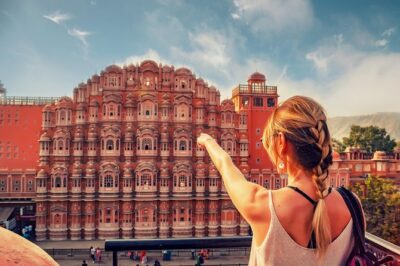
Jaipur Day Trip from Delhi by Car or Train – All Inclusive
Read our review →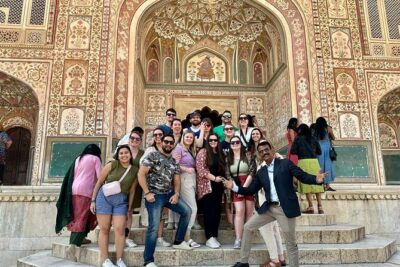
Jaipur City Private Day Tour from Delhi by Car – All Inclusive
Read our review →
5 Nights 6 Days Private Golden Triangle Tour – Delhi Agra Jaipur
Read our review →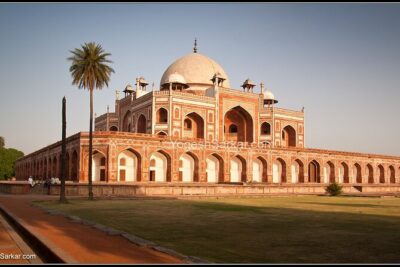
Browse the lists this tour appears in