
Reviewed · GOLDEN TRIANGLE TOURS
6 Days Private Golden Triangle Tour Packages
The Taj Mahal is the headline, but the best part of this private Golden Triangle tour is the range of India you see around it. You move from Old Delhi’s lanes and Mughal monuments to Agra’s marble masterpiece, then on to Jaipur’s forts, observatory, and pink-hued royal buildings.
I like the personal car and driver, which save you from arranging three cities and several long transfers yourself. I also like the built-in Chandni Chowk rickshaw ride, a short but memorable way to experience Old Delhi at street level. The main drawback is pace: six days cover a lot of ground, and the final drive from Jaipur back to Delhi airport can make departure day tiring.
In This Review
- Key points to know before booking
- Why this route works for a first visit to India
- Arrival in Delhi and the first practical advantage
- Old Delhi: Jama Masjid, the Red Fort, and Chandni Chowk
- Qutub Minar and the formal side of New Delhi
- Agra Fort and the Taj Mahal
- A choice at sunrise, then Fatehpur Sikri
- Amber Fort and Jaipur’s royal center
- The car, meals, and what the $691 price means
- Service style and who should book
- Should you book this six-day Golden Triangle tour?
- FAQ
- Where does the tour begin?
- Where does the tour end?
- How long is the tour?
- Is this a private tour?
- Is transportation included?
- Are hotels included?
- Are meals included?
- Are monument entrance fees included?
- Can I cancel for a full refund?
Key points to know before booking
- Three major cities in six days: Delhi, Agra, and Jaipur give you India’s classic northern route without adding extra destinations.
- Private transport throughout: Your group has an air-conditioned vehicle, driver, parking, fuel, bottled water, and transfer assistance.
- Five hotel nights included: Accommodation is based on double occupancy, with breakfast listed as part of the package.
- Big sights and local movement: The plan includes the Red Fort, Taj Mahal, Fatehpur Sikri, Amber Fort, City Palace, and a rickshaw ride in Chandni Chowk.
- Flexible moments in Agra and Delhi: You can choose a sunrise visit to Mehtab Bagh or sleep in, and the vehicle is available for final shopping or sightseeing on departure day.
- Strong service focus: The company provides destination assistance, arrival and departure representatives, and 24 hour support.
Why this route works for a first visit to India
The Golden Triangle is popular for a good reason. Delhi, Agra, and Jaipur give you three different views of northern India in a compact route. Delhi brings together Mughal, British, and modern Indian landmarks. Agra focuses on the Mughal court and the Taj Mahal. Jaipur adds Rajput architecture, grand courtyards, and astronomical science.
This plan is especially useful if you have only six days and want the major sights handled for you. The private format means you are not tied to the pace of a large coach group. You can ask for a stop, take a break, or use the car for last-minute shopping, subject to the day’s schedule.
The trade-off is time on the road. This is not a slow holiday with long afternoons at each hotel. You check out of one city, visit major sites, and continue to the next. If you enjoy seeing the famous places efficiently, that is a fair exchange. If you prefer lingering in neighborhoods, galleries, or cafés, the schedule may feel tight.
More Golden Triangle itineraries from New Delhi:
- 3-Days Private Golden Triangle Tour: Delhi, Agra & Jaipur by Car
★ 5.0 · 1,107 reviews - 3-Days Private Golden Triangle Tour: Delhi, Agra & Jaipur by Car
★ 5.0 · 1,098 reviews - 3-Day Delhi, Agra and Jaipur Private Tour – India Golden Triangle
★ 5.0 · 812 reviews
Arrival in Delhi and the first practical advantage
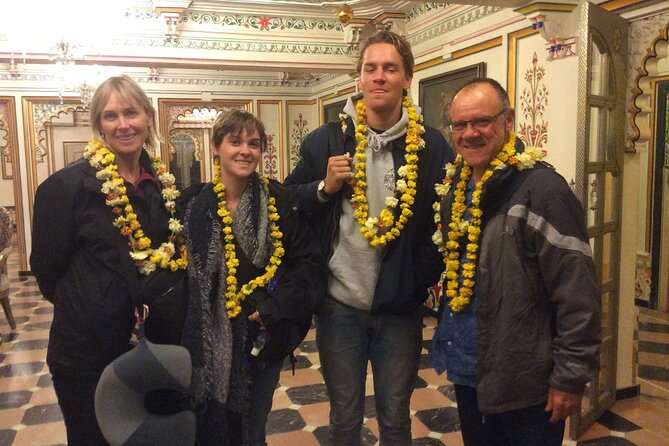
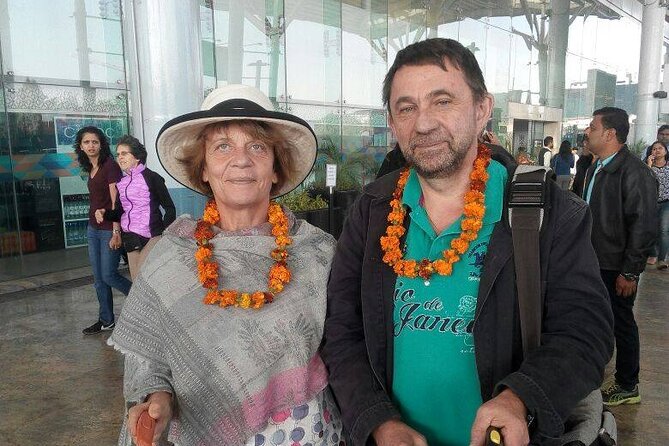
Your trip begins at Indira Gandhi International Airport, where a tour representative meets you in the arrival hall with a traditional Indian welcome. You are then taken to your Delhi hotel and helped with check-in.
That airport reception matters after a long international flight. Delhi can be a lot to take in at once, and having a representative meet you removes the first round of bargaining and transport decisions. The company also provides assistance on arrival and departure transfers, with 24 hour support during the journey.
The first night is mainly for settling in. Check-in is listed as 2 p.m. and check-out as noon for most hotels, so ask ahead if your flight arrives early or leaves late. Hotel details are not specified, so you should confirm the exact properties, room category, and meal plan before paying.
Old Delhi: Jama Masjid, the Red Fort, and Chandni Chowk
Day two begins with Old Delhi, using a mix of driving, walking, and a rickshaw ride. This is the most street-level part of the program. You move through old lanes and market areas before visiting Jama Masjid, the great mosque built in 1650.
Jama Masjid gives you a strong introduction to Mughal Delhi. The scale is impressive, but the surrounding streets are just as important. This is where the tour’s included Chandni Chowk rickshaw ride earns its place. From a rickshaw, you see the lanes at a slower pace than from a car, with less effort than walking the entire area.
The experience can be crowded and noisy, so keep your expectations practical. This is not a quiet architectural visit. Wear comfortable shoes, keep valuables secure, and allow time for the group to regroup after walking.
The Red Fort follows, with about two hours set aside. Its red sandstone walls enclose courtyards, audience halls, and former imperial spaces linked to the Mughal Empire. The fort is large enough that a guide makes a real difference, since the meaning is not always obvious from the buildings alone.
The schedule then takes you to Raj Ghat, the simple memorial at Mahatma Gandhi’s cremation site. After the scale and noise of Old Delhi, this stop offers a calmer change of mood. One hour is generous for a quiet visit, though some people may prefer a shorter stop if they are already feeling the day’s heat.
Qutub Minar and the formal side of New Delhi
The afternoon shifts to New Delhi and Qutub Minar, a 239 foot medieval tower dating to 1193. Its carved stonework and height make it one of Delhi’s most striking historic structures. The surrounding complex adds context, so do not treat this as only a quick photo stop.
A two-hour visit gives you time to walk around the site and hear the architectural story. The tour description connects the tower with Persian influence and victory, useful background when you are trying to understand how Delhi’s older monuments fit together.
The day ends with a drive through Lutyens’ New Delhi, including a view of Rashtrapati Bhavan, the official residence of India’s president. The listed plan says photo opportunities are included when time permits, so do not assume every building will receive a full stop. This is a drive through the formal government district, not a museum visit.
Day two is full. You see two distinct Delhis, but the combination of walking, traffic, and monument visits can be tiring. I would keep the evening free rather than planning another major outing.
A few more New Delhi departures worth comparing
- 5 Nights 6 Days Private Golden Triangle Tour – Delhi Agra Jaipur
★ 5.0 · 574 reviews - Delhi: 6-Day Golden Triangle Delhi, Agra, and Jaipur Tour
★ 4.9 · 189 reviews - 6-Day Private Tour of the Golden Triangle
★ 5.0 · 184 reviews - Golden Triangle Tour: Private Delhi Agra Jaipur 5 Nights 6 Days
★ 5.0 · 157 reviews
Agra Fort and the Taj Mahal
Day three brings a half-day tour of Agra. Before the monuments, the program includes a short folk music and dance performance by local artists. It is a brief cultural welcome, not a full performance, but it gives the morning a local touch before the main historic sites.
Itmad-ud-Daula, often called the Baby Taj, is the first listed monument. Its smaller scale makes it a useful contrast with the Taj Mahal. You can focus more closely on the fine stonework and decorative details without the huge crowds and open space associated with the larger monument.
Next comes Agra Fort, built in 1565 by Emperor Akbar. The fort includes royal audience halls, courtyards, and a marble mosque. It is not just a defensive wall. It was a working royal city, and its rooms help explain the power of the Mughal court before you see the Taj Mahal’s most famous expression of that era.
The afternoon is reserved for the Taj Mahal, with about three hours on site. That is the right kind of time allocation for this monument. You need time to approach it, take in the changing views, visit the main structure, and simply pause. The Taj Mahal was completed under Emperor Shah Jahan as a monument dedicated to love, and its white marble is only part of the appeal. The symmetry, reflecting pools, gateways, and setting all contribute to the experience.
Go slowly here. The Taj is one of the few places where rushing for photographs can make you miss the point. Your guide can help with the route and explain the site, while your driver handles the transfer and vehicle arrangements outside.
The supplied schedule lists some entrance tickets as included within individual stops, but the general exclusions also say monument entrance fees are not included. This is an important point to settle in writing. Ask for a current list of included tickets before departure, especially for the Taj Mahal, Agra Fort, Amber Fort, and the Jaipur monuments.
A choice at sunrise, then Fatehpur Sikri
The fourth morning gives you a choice. You can sleep in, or visit Mehtab Bagh at sunrise, a 500-year-old Mughal garden across the Yamuna River from the Taj Mahal.
Mehtab Bagh is a good option if you want a different view of the Taj without repeating the previous day’s visit. The garden setting offers a quieter look across the river, though the sunrise visit means an early start after a demanding sightseeing day. The plan also mentions another possible sunrise excursion, but does not identify it clearly, so ask the operator what the second option is before choosing.
After check-out, you drive to Fatehpur Sikri. Emperor Akbar built this former city between 1570 and 1585, mainly in red sandstone. The site is now uninhabited, which gives it a different feel from the active forts and markets in Delhi and Agra.
Only about one hour is scheduled at Fatehpur Sikri. That is enough for a focused guided walk, but not for a leisurely study of every building. If this site matters greatly to you, ask whether more time can be arranged. Otherwise, treat it as a well-chosen stop on the way to Jaipur rather than a full afternoon visit.
Amber Fort and Jaipur’s royal center
Day five begins at Amber Fort and Palace, about 12 kilometers from central Jaipur. The listed program includes an ascent to the fort on a colorfully decorated elephant, an old-style royal entrance to the hilltop complex.
Because elephant rides can be subject to local operating rules and conditions, confirm before booking that this part is available on your date and ask what alternative transfer is provided if it is not. The fort itself is the main reason to come: its courtyards, palace rooms, and hilltop setting show the strength and ceremony of Jaipur’s former rulers.
The three-hour allocation is one of the better time blocks in the itinerary. Amber Fort has enough courtyards and passageways to reward a slower visit, and the distance from Jaipur means you do not want to be rushed once you arrive.
Back in the walled city, Jantar Mantar is the first afternoon stop. Built by Raja Jai Singh in 1728, this UNESCO World Heritage Site is a collection of large stone astronomical instruments. You do not need a technical background to enjoy it. The size of the instruments makes the science visible, and a guide can explain how they were used to track time and celestial positions.
The one-hour visit is suitable for a clear overview. If you become interested in the details, you may wish you had longer, but the compact stop keeps the day moving.
You then see Hawa Mahal, the Palace of the Wind, from the outside for photographs. Its many small windows allowed royal women to watch activity in the street without being seen. The facade is especially effective from the street, and one hour is more than enough if the stop is mainly for photos and explanation.
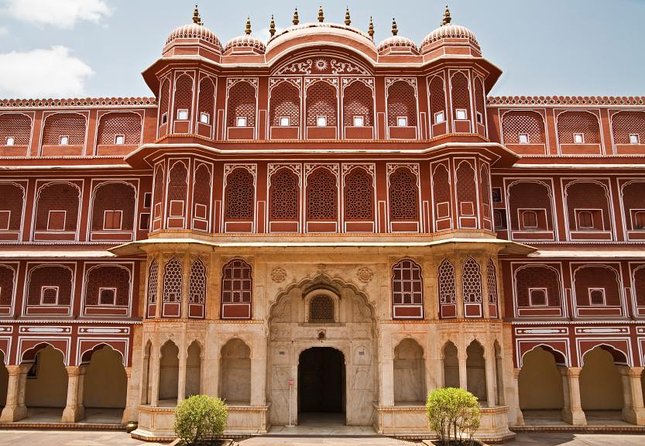
The final major stop is Jaipur’s City Palace, a former royal residence built in a blend of Rajasthani and Mughal styles. Part of the complex remains occupied by the royal family and is not open to the public. That limitation is worth knowing, since you will see a substantial complex but not every private section.
Jaipur packs several different experiences into one day: a hill fort, a scientific monument, a famous facade, and a royal compound. It is a rewarding finish, but it is also another full day. Comfortable shoes and water are useful, and bottled mineral water is supplied during sightseeing and long drives.
The car, meals, and what the $691 price means
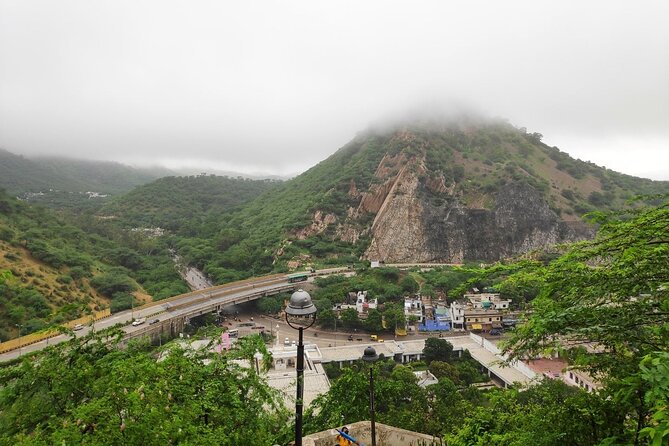
At $691, the package includes an air-conditioned vehicle, fuel surcharge, parking, driver allowance, five hotel nights, hotel transfers, sightseeing transport, bottled water, and destination assistance. For a private six-day route through three cities, that can offer good value, especially if two people share the room and vehicle cost.
The price also includes accommodation on a double-occupancy basis, with one room, plus meals listed as four lunches, four breakfasts, and five dinners. Another part of the package says daily breakfast is included at all hotels. Since those meal counts do not line up perfectly, confirm exactly which meals are covered and whether they are hotel meals or arranged elsewhere.
The exclusions include tips, laundry, drinks, extra meals, travel insurance, visa costs, camera fees, international flights, miscellaneous expenses, and currently applicable taxes. Monument entry fees are also listed as excluded, despite individual itinerary entries sometimes showing admission included. The additional figures supplied for these items are estimates, not a clear final bill, so ask for the total with taxes and tickets before booking.
A personal driver is a major part of the value. You do not need to negotiate every intercity transfer or find a new taxi at each monument. The trade-off is that a private car does not remove Indian road time. Delhi, Agra, Jaipur, and the airport are linked by long transfers, and traffic can affect the day.
Service style and who should book
The service setup is designed to keep the trip orderly. A representative meets you at the airport, assists with hotel check-in, and remains available at destinations. The company also assigns guides for sightseeing according to the arrangements described, and the published experiences point to a friendly driver and destination guides.
Shivpal is identified as an excellent organizer in one of the supplied holiday accounts, with particular attention to safety and family needs. Another account describes smooth hotel booking and transport, while a Golden Triangle account highlights the combination of a friendly driver, a car available throughout the visit, and guides in each city. Those details suggest that communication and coordination are central strengths, though you should ask who your specific driver and guides will be.
I would recommend this tour to a first-time visitor who wants the major sights without managing hotels, roads, and local transfers. It also suits families and small private groups that value a car, flexible stops, and help at each arrival.
I would hesitate if you want a slow cultural trip. There is little free time listed for wandering Jaipur’s markets, spending a full day in Agra, or exploring Delhi beyond the planned monuments. The route is built for coverage and convenience.
Cancellation is free up to 24 hours before the start time. Inside that window, the amount paid is not refunded, and changes are not accepted. The operator also says poor weather or failure to meet a minimum number of participants can lead to a new date, a different experience, or a full refund.
Should you book this six-day Golden Triangle tour?
Book it if your priority is a private, well-supported first look at Delhi, Agra, and Jaipur. The strongest reasons are the personal vehicle, airport assistance, five hotel nights, the carefully chosen headline monuments, and the small local touches such as the Chandni Chowk rickshaw ride and Agra folk performance.
Before you commit, get three things confirmed: the exact hotels, the final tax-inclusive price, and which monument tickets and meals are included. Also clarify the sunrise option in Agra and the current status of the elephant ride at Amber Fort.
With those details settled, this is a practical way to see India’s most famous northern circuit in six days. You will work for the experience with early starts and road time, but you will come away with the Taj Mahal, Mughal Delhi, Jaipur’s forts, and a driver-led route that removes much of the trip’s daily friction.
FAQ
Where does the tour begin?
The tour begins at Indira Gandhi International Airport in New Delhi, where an airport representative meets you in the arrival hall.
Where does the tour end?
The experience ends back at the Delhi airport meeting point after your transfer for your onward flight.
How long is the tour?
The tour lasts approximately six days and includes five nights of hotel accommodation.
Is this a private tour?
Yes. Only your group participates in the private tour or activity.
Is transportation included?
Yes. Transfers and sightseeing are provided in a personal air-conditioned vehicle. Fuel surcharge, parking fees, bottled water for sightseeing and long drives, and driver allowance are also included.
Are hotels included?
Yes. Five hotel nights are included, based on double occupancy and one room. The exact hotel properties are not specified in the supplied details.
Are meals included?
Breakfast is listed as included at all hotels. The package also lists four lunches, four breakfasts, and five dinners, so you should confirm the exact meal schedule before booking.
Are monument entrance fees included?
The general inclusions and exclusions conflict on this point. Some itinerary entries show admission included, while the exclusions list monument entrance fees as extra. Confirm the current ticket policy with the operator.
Can I cancel for a full refund?
You can cancel at least 24 hours before the experience start time for a full refund. Cancellations or changes made within 24 hours are not accepted for a refund.
Just added around New Delhi
- Delhi: All-Inclusive Full or Half Day Tour With Hotel Pickup★ 5.0 · 3 reviews
- From Delhi : All Inclusive Taj Mahal Tour by Gatimaan Express★ 5.0 · 3 reviews
- Skip the line: Taj Mahal Agra Private Day Trip From Delhi By Car★ 5.0 · 3 reviews
- Delhi: Old and New Delhi One Day Private Guided City Tour★ 5.0 · 3 reviews
- New Delhi Night City Tour★ 5.0 · 3 reviews
- Old Delhi Half day private city tour★ 5.0 · 3 reviews
- A full-day tour of Old & New Delhi Monument Express Entry★ 5.0 · 3 reviews
- Sultanpur Bird Sanctuary Tour Near Delhi★ 5.0 · 3 reviews
Golden Triangle Tours, compared.
3-Days Private Golden Triangle Tour: Delhi, Agra & Jaipur by Car
Read our review →3-Days Private Golden Triangle Tour: Delhi, Agra & Jaipur by Car
Read our review →
3-Day Delhi, Agra and Jaipur Private Tour – India Golden Triangle
Read our review →
Four-Day Private Luxury Golden Triangle Tour to Agra and Jaipur From New Delhi
Read our review →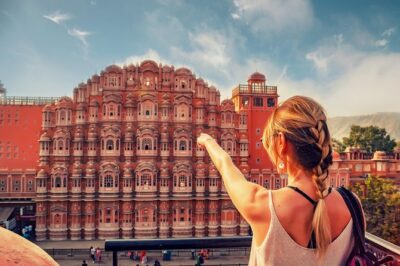
Jaipur Day Trip from Delhi by Car or Train – All Inclusive
Read our review →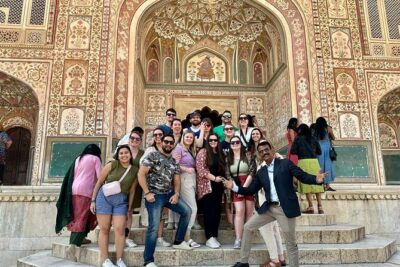
Jaipur City Private Day Tour from Delhi by Car – All Inclusive
Read our review →
5 Nights 6 Days Private Golden Triangle Tour – Delhi Agra Jaipur
Read our review →
Browse the lists this tour appears in