
Reviewed · GOLDEN TRIANGLE TOURS
Best Golden Triangle Tour 7 Day And Explore Delhi Agra Jaipur Trip
The great hook here is simple: in one week, you see India’s famous north Indian trio, Delhi, Agra, and Jaipur, plus Mathura, Vrindavan, and Fatehpur Sikri. The Taj Mahal, Red Fort, Amber Fort, and Mughal ruins give the trip plenty of big sights without requiring you to plan each transfer yourself.
I like the private car arrangement, since your group can travel at its own pace rather than follow a large coach. I also like the practical coverage: six hotel nights, airport or railway transfers, fuel, tolls, parking, taxes, and five breakfasts are included in the $425 price.
The main consideration is that monument tickets, lunches, dinners, camera charges, and personal costs are extra. The schedule also covers a lot of ground, so you should expect several road days and confirm the hotel category, exact breakfast count, and guide arrangements before paying.
In This Review
- Key points at a glance
- What this Golden Triangle route does well
- Day 1: Arriving in Delhi and getting settled
- Day 2: Jama Masjid, Red Fort, and Delhi’s old markets
- Day 3: Delhi to Agra through Mathura and Vrindavan
- Day 4: The Taj Mahal and Agra’s Mughal story
- Day 5: Fatehpur Sikri on the way to Jaipur
- Day 6: Amber Fort, Jal Mahal, and Jaipur’s royal center
- Day 7: Returning to Delhi
- Transport, hotels, and the real price
- Service and driver arrangements
- Who should book this seven-day trip?
- Booking checks worth making first
- Should you book this Golden Triangle tour?
- FAQ
- How long is the Golden Triangle tour?
- Which main cities are included?
- Which additional destinations are visited?
- Is transportation private?
- Are monument entrance tickets included?
- What is included in the $425 price?
Key points at a glance
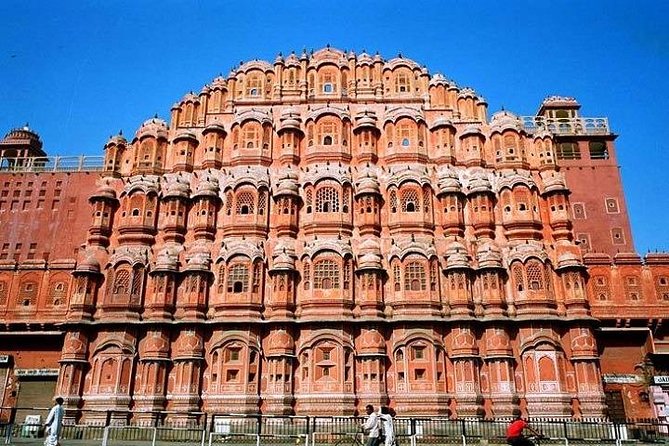
- Three major cities in seven days: Delhi, Agra, and Jaipur form the core route.
- Extra cultural stops: Mathura, Vrindavan, and Fatehpur Sikri add variety beyond the standard triangle.
- Private transport: Your group travels by private car, with tolls, fuel, parking, and driver costs covered.
- Six hotel nights: Accommodation is based on double sharing, with a choice of hotel standard apparently available through the operator.
- Strong service focus: Ajay Verma coordinates bookings, and drivers named in past feedback include Anil Kumar and Manoj.
- Budget-friendly structure: The price includes many transport and tax costs, but sightseeing tickets and most meals remain yours to pay.
What this Golden Triangle route does well
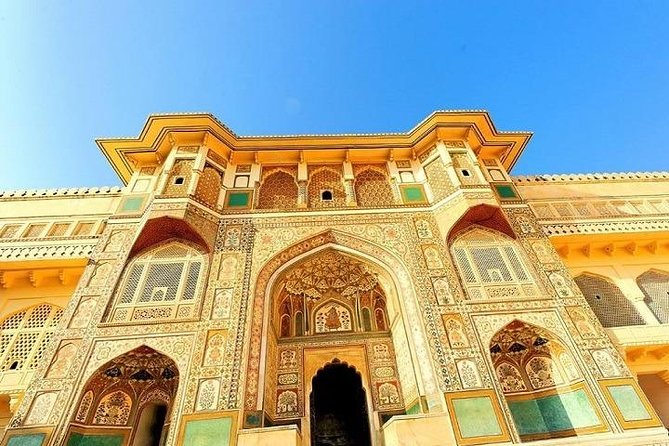
India’s Golden Triangle is popular for good reason. Delhi gives you layers of imperial and modern India, Agra supplies the Taj Mahal and Mughal architecture, and Jaipur brings royal palaces, hilltop defenses, and astronomical instruments.
This version adds two religious towns and one major Mughal site. Mathura and Vrindavan are associated with Krishna traditions, while Fatehpur Sikri shows Akbar’s former imperial capital. That makes the route feel less like a quick checklist of three cities.
At $425 per person, the package offers solid value if you are comfortable sharing a room and traveling with your own group. You are paying for six nights, a private vehicle, drivers, transfers, taxes, and organized sightseeing. The price is not an all-inclusive holiday, though. Admission fees and most meals can add up, especially at major monuments.
The private format matters. Only your group participates, so you avoid a large bus and can discuss timing with the driver or local guide. Still, the exact number of people in your party, vehicle type, and hotel class should be confirmed. Past bookings included a Toyota XUV with a five-star hotel option, but that does not prove every booking receives the same car or hotel level.
More Agra and Fatehpur Sikri days:
- Same Day Taj Mahal, Agra Fort & Baby Taj Tour from Delhi by Car
★ 5.0 · 4,304 reviews - Full Day Taj Mahal, Agra Fort & Baby Taj Tour from Delhi by Car
★ 5.0 · 3,647 reviews - From Delhi: Taj Mahal & Agra Private Day Trip with Transfers
★ 4.9 · 3,181 reviews
Day 1: Arriving in Delhi and getting settled
Your arrival transfer begins at the airport or railway station. A representative meets you and takes you to the hotel for check-in.
This is a sensible first day. Delhi can feel demanding after a long international flight, and the plan does not force major sightseeing into your arrival hours. The capital has been built and rebuilt over centuries, so even a simple drive to your hotel gives you an early sense of its changing character.
The timing is listed as a 9:00 a.m. start, but arrival times depend on your flight or train. Ask in advance how the first day works if you arrive later. You should also confirm the hotel address, check-in arrangement, and the exact transfer point.
Use this evening to rest, exchange money if needed, and prepare for an early sightseeing day. Since dinner is not included, you can choose your own meal near the hotel or ask for a practical recommendation.
Day 2: Jama Masjid, Red Fort, and Delhi’s old markets
The second day focuses on Old Delhi, beginning with Jama Masjid, the great mosque commissioned by Mughal emperor Shah Jahan. Its scale and setting make it one of the strongest introductions to the Mughal period in the capital.
You then visit the Red Fort, another Shah Jahan project. The fort is not simply a military wall. It was an imperial residence, designed around courtyards, halls, gardens, and formal spaces. Give yourself time to notice the difference between defensive stonework and the more refined palace areas.
The day also includes a local bazaar. This is where the schedule becomes less formal and more sensory. Expect shops, food stalls, narrow streets, and plenty of movement. You may enjoy the energy, but keep your belongings secure and wear comfortable shoes.
The plan is fairly open in its wording, so ask how long you will spend inside each monument and whether a local guide is included at each stop. Monument entry is not part of the package price, and camera charges may apply. Carry small cash for tickets and incidental purchases, but do not assume every fee is covered by the listed taxes.
Day 3: Delhi to Agra through Mathura and Vrindavan
The road to Agra includes visits to Mathura and Vrindavan. These towns provide a different side of north India, with religious importance rather than grand imperial architecture.
Mathura is associated with Krishna, and Vrindavan is known for its temples and devotional traditions. The supplied plan does not name individual temples or give exact visiting times, so your experience will depend on the day’s road conditions, local guide, and the sites selected.
This is one of the trip’s more useful additions. If you have already seen several forts and palaces, these towns change the pace and subject. They also make the journey to Agra more purposeful than a straight transfer.
The drawback is time. You are combining a city transfer with two stops, so this can become a long day. Keep breakfast practical, carry water, and avoid packing the day with extra requests unless your driver confirms there is time.
After arriving in Agra, you check in at the hotel. Agra was known as Akbarabad during the Mughal period and remains closely linked with Mughal buildings. The city is best treated as more than a place to sleep before the Taj Mahal, since the following day includes additional sights.
More Golden Triangle itineraries from New Delhi:
- 3-Days Private Golden Triangle Tour: Delhi, Agra & Jaipur by Car
★ 5.0 · 1,107 reviews - 3-Days Private Golden Triangle Tour: Delhi, Agra & Jaipur by Car
★ 5.0 · 1,098 reviews - 3-Day Delhi, Agra and Jaipur Private Tour – India Golden Triangle
★ 5.0 · 812 reviews - Four-Day Private Luxury Golden Triangle Tour to Agra and Jaipur From New Delhi
★ 5.0 · 807 reviews
Day 4: The Taj Mahal and Agra’s Mughal story
The Taj Mahal is the headline visit. Shah Jahan built it in memory of Mumtaz Mahal, who died in 1631. Its appeal is not only size or fame. The building depends on balance, pale stone, delicate detail, and the way its central structure is framed from the entrance.
Plan to slow down here. The best part is not rushing to take one photograph and leave. Look at the symmetry, the carved and inlaid decoration, and the changing appearance of the monument as you move through the grounds.
The exact order of the day is not fully spelled out, but the plan says additional Agra sightseeing follows the Taj Mahal. Ask which sites are included and whether Agra Fort is part of your schedule, since the description refers broadly to Agra’s Mughal architecture without naming every stop.
The Taj Mahal has its own admission cost, and camera use may carry a separate charge. Those costs are outside the package. Your local guide can add useful context, but guide assignments are not named in the tour details, so confirm whether a guide is included or arranged at extra cost.
Day 5: Fatehpur Sikri on the way to Jaipur
You leave Agra for Jaipur, stopping at Fatehpur Sikri. Akbar made the red sandstone city his capital, and the site remains one of the most rewarding stops on this route because it feels like an abandoned imperial stage.
The complex includes palace areas, courtyards, audience spaces, and the huge Buland Darwaza. The gateway is famous for its scale and ceremonial effect. It is the sort of place where a guide can help you understand how the parts worked together, rather than leaving you with a collection of impressive walls.
Fatehpur Sikri also breaks up the drive to Jaipur. You get a major historical site without using another full day. The tradeoff is another road-heavy schedule, so expect the day to feel active rather than leisurely.
On arrival in Jaipur, you check into your hotel. Jaipur is often called the Pink City, and the next day is reserved for its principal sights. Since dinner is not included, plan for your own evening meal and use the time to rest.
Day 6: Amber Fort, Jal Mahal, and Jaipur’s royal center
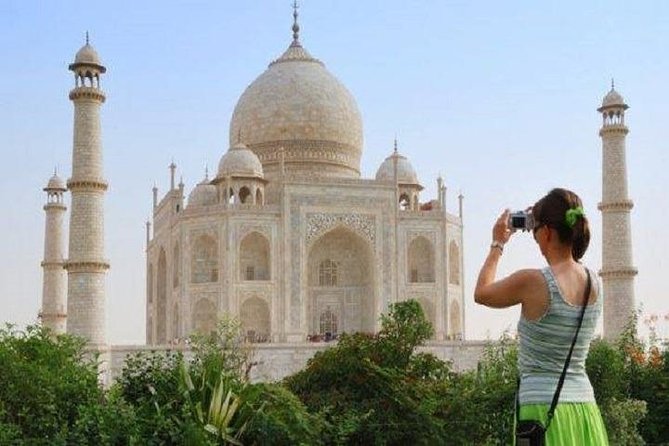
The final sightseeing day covers several of Jaipur’s best-known places. Amber Fort and Palace is the major visit, set outside the central city area. Its courtyards, gateways, and palace rooms show how Rajput rulers combined defense with courtly display.
The itinerary also includes Gaitore cenotaphs, viewed from the front, and a photo stop at Jal Mahal. These stops are shorter than a full monument visit, but they add variety. Jal Mahal is especially suited to a brief look and photographs rather than a long walk through the building.
You then visit the City Palace and Museum. This is the place to focus on royal life, ceremonial objects, and the continuing identity of Jaipur’s ruling family. The final named sight is Jantar Mantar, an observatory filled with large stone instruments designed to track celestial movements.
The day includes another photo stop, though the wording does not identify the location. Ask your driver or guide for the exact plan. Because Jaipur’s sights are spread across different parts of the city, traffic can affect the order and length of each visit.
This is a full day, but it is well arranged in terms of variety. Amber Fort gives you architecture and views, the City Palace gives you royal interiors, and Jantar Mantar offers something completely different. You will get more from it if you avoid treating every stop as a quick photograph.
Day 7: Returning to Delhi
After breakfast, you check out and transfer to Delhi airport or railway station for your onward journey. This is a transfer day, not a final sightseeing day.
Build some flexibility into your departure plans. The tour covers long road sections, and the details supplied do not promise a particular departure time or a fast rail connection. Provide your flight or train information clearly and confirm when you should leave Jaipur.
The package ends back at the meeting point, with the Delhi airport or railway station listed as the final transfer destination. If your onward departure is late, ask before booking if an extension or extra sightseeing can be arranged. It should not be assumed to be included.
Transport, hotels, and the real price
The $425 per person cost is based on double-share accommodation for six nights. That makes the package most attractive for two people traveling together, since the room cost is shared and the private car can be used by your own party.
Included transport expenses are unusually useful for budgeting. Fuel, tolls, parking, driver allowances, transport taxes, GST, and government taxes are covered. You are less likely to face a surprise charge every time the car uses a toll road or parks at a monument.
Five breakfasts are included, although the tour lasts six nights and seven days. That count is worth checking before departure. Lunch, dinner, drinks, laundry, monument admission, camera fees, and other personal spending are not included.
The operator appears to offer different hotel levels. Past bookings refer to both four-star and five-star choices, but the base package does not state a fixed hotel category. Ask for the hotel names, room type, location, and upgrade cost in writing. The hotel can change the feel of the trip more than the low headline price suggests.
Service and driver arrangements
Ajay Verma is the named contact associated with the tour service. Communication and on-time driving are important on a route with several long transfers, so save the operator’s contact details before arrival.
Drivers named in booking feedback include Anil Kumar and Manoj. Both were described as friendly, and the service was praised for punctuality and safe handling. You should not assume one of them will be assigned to your booking, but asking for your driver’s name and phone number before the first pickup is sensible.
The tour includes assistance on arrival and private transport, but the information does not clearly promise one guide for the full week. It refers to guides in the city sightseeing arrangements, and past bookings describe local guides as helpful at the monuments. Confirm which cities have a guide, whether the guide fee is included, and how long each guided visit lasts.
Who should book this seven-day trip?
I would consider this tour for a first visit to northern India when you want the major sights arranged for you. It suits couples, families, and small private groups that value door-to-door transport and do not want to negotiate every intercity transfer.
It also works for anyone who wants more than the basic Delhi, Agra, Jaipur circuit. Mathura, Vrindavan, and Fatehpur Sikri give the week extra cultural and historical range.
I would be more cautious if you prefer slow travel. Six nights is a short time for three major cities, two religious towns, and one former capital. You will spend real time in the car, and the schedule may feel tight at the busiest sights.
The private format helps, but it does not remove Indian traffic, road delays, heat, or the need to rise early. Keep your expectations practical and treat the itinerary as a well-organized introduction rather than an in-depth study of every city.
Booking checks worth making first
Before you commit, ask for six details:
- The exact hotel names and room category
- The vehicle model and maximum group size
- The number of breakfasts included
- The monuments covered on the less specific sightseeing days
- Which cities receive local guides
- The likely driver and emergency contact
The cancellation terms allow a full refund if you cancel at least 24 hours before the 9:00 a.m. start time. Changes or cancellations inside that window are not accepted for a refund, so check your dates carefully.
Should you book this Golden Triangle tour?
Book it if you want a well-priced private route through Delhi, Agra, and Jaipur, with useful additions and many transport costs already handled. The strongest points are the private car, arrival and departure transfers, broad city coverage, and the repeated emphasis on friendly, punctual service.
Pause before booking if you need fixed hotel quality, included monument tickets, or a slow schedule. The $425 price is attractive because several major expenses are bundled, but you still need a budget for entrance fees, meals, and personal spending.
For a first trip, this is a practical way to see northern India’s essential sights. Just confirm the hotel standard, guide coverage, breakfast count, and daily timing so the low price matches what you expect.
FAQ
How long is the Golden Triangle tour?
The tour lasts approximately seven days and includes six nights of accommodation.
Which main cities are included?
The route includes Delhi, Agra, and Jaipur.
Which additional destinations are visited?
The journey includes Mathura, Vrindavan, and Fatehpur Sikri.
Is transportation private?
Yes. Transfers, excursions, and sightseeing are arranged by private car for your group.
Are monument entrance tickets included?
No. Monument admission fees and camera use charges are not included in the tour price.
What is included in the $425 price?
The price includes six nights of double-sharing accommodation, private transport, fuel, tolls, parking, driver allowances, transport and hotel taxes, GST, government taxes, arrival assistance, and five breakfasts. Personal expenses, drinks, lunches, dinners, laundry, monument tickets, and unlisted charges are extra.
More 7-Day Experiences in New Delhi
- 7-Day Golden Triangle Tour with Ranthambore Tiger Safari
★ 5.0 · 53 reviews - 7-Day Golden Triangle & Varanasi Tour from Delhi with Guide
★ 5.0 · 38 reviews - 7 Day Golden Triangle Tour { Delhi Agra Jaipur Tour }
★ 5.0 · 23 reviews - 7 Days Golden Triangle Delhi,agra, Jaipur
★ 5.0 · 20 reviews
Just added around New Delhi
- Delhi: All-Inclusive Full or Half Day Tour With Hotel Pickup★ 5.0 · 3 reviews
- From Delhi : All Inclusive Taj Mahal Tour by Gatimaan Express★ 5.0 · 3 reviews
- Skip the line: Taj Mahal Agra Private Day Trip From Delhi By Car★ 5.0 · 3 reviews
- Delhi: Old and New Delhi One Day Private Guided City Tour★ 5.0 · 3 reviews
- New Delhi Night City Tour★ 5.0 · 3 reviews
- Old Delhi Half day private city tour★ 5.0 · 3 reviews
- A full-day tour of Old & New Delhi Monument Express Entry★ 5.0 · 3 reviews
- Sultanpur Bird Sanctuary Tour Near Delhi★ 5.0 · 3 reviews
Golden Triangle Tours, compared.
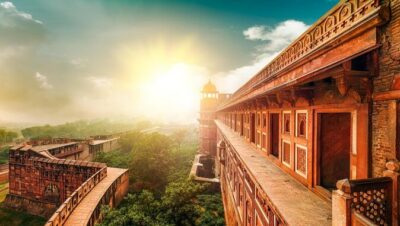
3-Days Private Golden Triangle Tour: Delhi, Agra & Jaipur by Car
Read our review →3-Days Private Golden Triangle Tour: Delhi, Agra & Jaipur by Car
Read our review →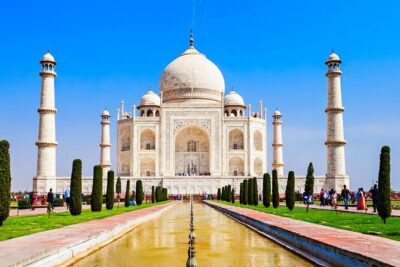
3-Day Delhi, Agra and Jaipur Private Tour – India Golden Triangle
Read our review →
Four-Day Private Luxury Golden Triangle Tour to Agra and Jaipur From New Delhi
Read our review →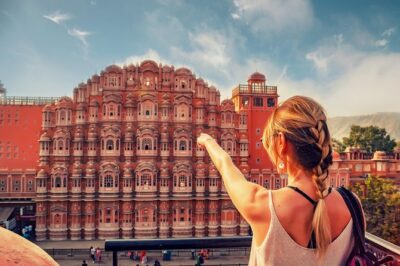
Jaipur Day Trip from Delhi by Car or Train – All Inclusive
Read our review →
Jaipur City Private Day Tour from Delhi by Car – All Inclusive
Read our review →
5 Nights 6 Days Private Golden Triangle Tour – Delhi Agra Jaipur
Read our review →
Browse the lists this tour appears in