
Reviewed · GOLDEN TRIANGLE TOURS
Delhi: 3Day Golden Triangle with Elephant SOS (5 Star Hotel)
The most memorable part of this three-day route is the mix of grand monuments and time with rescued elephants. You move from Delhi’s Mughal landmarks to the Taj Mahal, then on to Jaipur’s forts and palaces, with a private air-conditioned car linking the cities. I like the sunrise visit to the Taj Mahal and the chance to feed and bathe elephants rather than spending the whole trip inside monuments.
I also like the private format, which gives you your own driver and guides in each city. Guides such as Anas, Vinnie, Suresh, and Vinod Kumar have received especially warm praise for clear explanations, local insight, and taking good photographs. The main caution is that hotel quality and shopping stops may not always match expectations, so confirm the details before paying.
In This Review
- Key points at a glance
- The Golden Triangle in three demanding days
- Day one: Delhi’s Mughal monuments and ceremonial avenues
- Day two: the Taj Mahal, Agra Fort, and Elephant SOS
- Day three: Amber Fort and Jaipur’s royal center
- What the private car really adds
- Hotels, shopping stops, and the fine print
- Guides who can shape the experience
- Who should book this three-day route?
- FAQ
- How long is the Golden Triangle tour?
- Where does pickup take place?
- Is the tour private?
- Which languages are available for the guides?
- Does the tour visit the Taj Mahal at sunrise?
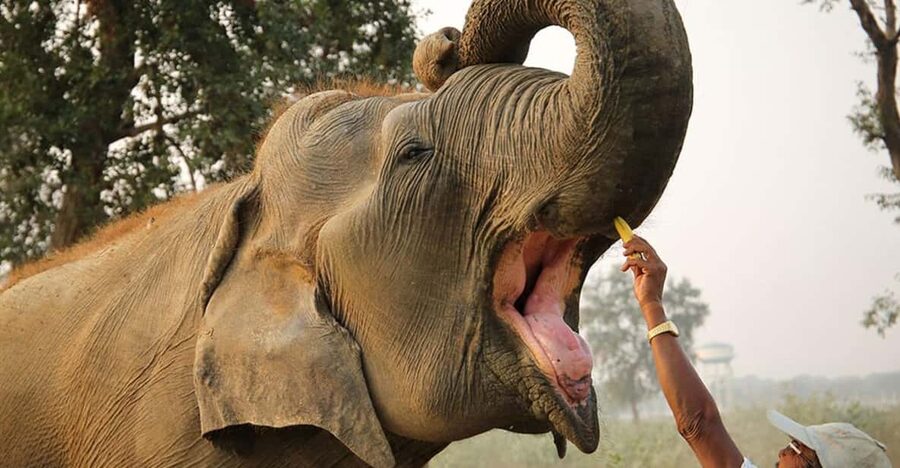
- What happens at Elephant SOS?
- Are hotel stays included?
Key points at a glance
- Taj Mahal at an early hour: The visit is planned for the morning, but the published sunrise wording does not guarantee arrival before sunrise.
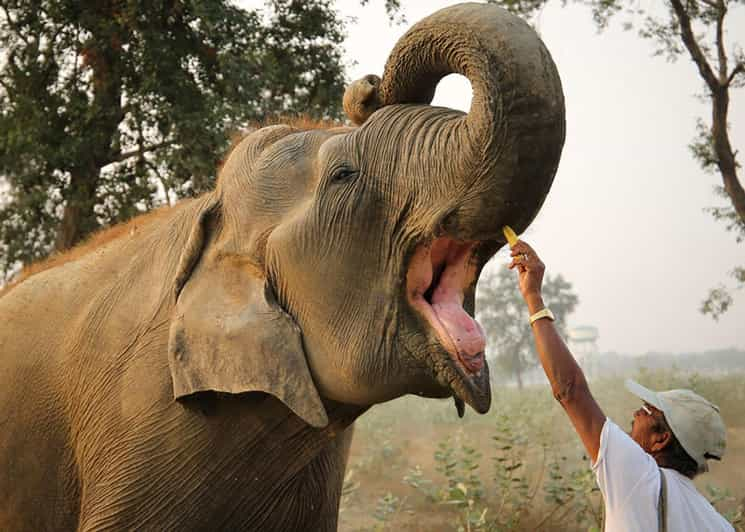
- Elephant SOS near Jaipur: Feed and bathe rescued elephants, learn about their care, and check exactly what activities and fees are included.
- Private car for three days: Your own air-conditioned vehicle makes the long Delhi, Agra, and Jaipur route easier than public transport.
- A guide changes in each city: Anas, Vinnie, Suresh, Vinod Kumar, and other local guides may handle different sections of the trip.
- Major sights in a tight schedule: You see Red Fort, Qutub Minar, Humayun’s Tomb, Agra Fort, Amber Fort, City Palace, and more.
- Five-star wording needs checking: Accommodation has been praised by some guests, but room category and hotel assignment have not been consistent.
The Golden Triangle in three demanding days
Delhi, Agra, and Jaipur form India’s best-known sightseeing circuit. The route works because each city offers something different: Delhi gives you imperial monuments and modern India, Agra centers on the Taj Mahal and Mughal power, and Jaipur brings the forts, palaces, and colors of Rajasthan.
The tradeoff is pace. Three days is enough to see the main sights, but you will spend substantial time in the car. This is not a slow trip with long afternoons for wandering. It is a fast first look at northern India, designed for you to cover a lot without arranging trains, drivers, tickets, and local guides yourself.
At $123 per person, the price can be strong value for a private vehicle, several guides, hotels, and a major elephant experience. The value depends heavily on two things: the number of people sharing the car and whether the promised hotel category and entrance fees are delivered as expected. Ask for the hotel names and a written list of inclusions before you go.
More elephant encounters within reach of New Delhi:
- From Delhi: Taj Mahal Sunrise Tour with Elephant SOS Center
★ 4.9 · 159 reviews - Delhi : Sunrise Taj Mahal & Elephant conservation – All Inclusive
★ 5.0 · 119 reviews - Taj Mahal Sunrise Tour with Elephant Conservation From Delhi
★ 5.0 · 38 reviews
Day one: Delhi’s Mughal monuments and ceremonial avenues
Your pickup begins at a desired location in Delhi. From there, the day moves through Old Delhi, central Delhi, and southern Delhi, so the order may vary with traffic and opening times.
Red Fort is a fitting first major stop. Its red sandstone walls introduce you to the scale of Mughal rule, while the courtyards and palace buildings show that this was more than a defensive fort. You will get more from the visit if your guide explains how the complex fitted into the old imperial city rather than treating it as a quick photo stop.
Jama Masjid gives the day a different feel. It is one of India’s largest mosques, and its broad courtyard makes the scale easy to appreciate. Dress modestly and follow local instructions at the entrance. The visit is paired with a rickshaw ride through Chandni Chowk, where narrow streets and packed market lanes offer a close view of Old Delhi life.
The rickshaw ride is one of the more useful touches in the schedule. Delhi’s older quarters are difficult to understand from a sealed car window. A short ride lets you see the lanes at street level, though you should expect noise, crowds, and an intense pace rather than a calm scenic outing.
At Raj Ghat, the mood changes. This memorial to Mahatma Gandhi is simple and quiet compared with the grand buildings elsewhere in Delhi. It gives you a brief pause and a chance to place twentieth-century Indian history alongside the older Mughal and British-era sites.
Qutub Minar is one of Delhi’s essential monuments. The soaring minaret is surrounded by earlier ruins and carved stonework, making the complex more interesting than a single tower viewed from outside. A guide can help you notice the layers of construction and the mix of architectural influences.
Humayun’s Tomb is especially worthwhile for anyone planning to see the Taj Mahal. Its formal garden layout and domed tomb helped set a pattern later used in Agra. The two buildings are not identical, but seeing Humayun’s Tomb first gives you a useful visual introduction to Mughal tomb design.
The day ends with India Gate and a drive past the President’s House. These are mainly exterior views, so think of them as part of a driving tour rather than long monument visits. Later, you continue to Agra for the overnight stay.
This is a lot for one day. Delhi traffic can stretch the schedule, and you should not expect every stop to receive equal time. A strong guide makes a real difference here. Anas has been singled out for his explanations of Delhi and Old Delhi, while other guides, including Ali and Mahammed, have been praised for efficient entrances and good photographs.
Day two: the Taj Mahal, Agra Fort, and Elephant SOS
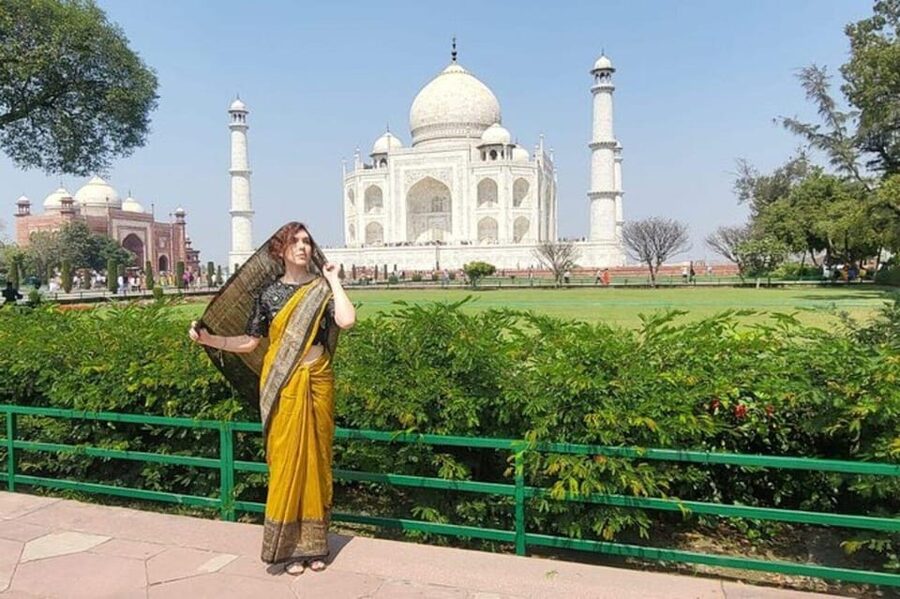
The second day carries the emotional center of the tour: the Taj Mahal. The building needs little introduction, but the timing matters. The program is promoted as a sunrise visit, yet one recorded experience reached the entrance around 7 a.m., after sunrise. If seeing the marble change color in the first light is important to you, ask for the exact entry time rather than relying on the word sunrise.
At the Taj Mahal, allow yourself time to look beyond the famous front photograph. The white marble, inlaid decoration, balanced garden, and reflection pool reward a slow walk. The main platform can be crowded, so your guide’s help with entry and photographs may save time. Vinnie, also called Vinny in one account, has been praised for both his explanations and his ability to take attractive pictures.
The early start also has a practical advantage. Even when you miss the actual sunrise, a morning visit may help you avoid the strongest heat later in the day. The Taj Mahal is closed on Fridays, so confirm that your three-day schedule does not place this visit on that day.
Agra Fort is not merely a secondary stop. Its walls, halls, and views toward the Taj Mahal explain the political world behind the famous monument. The fort combines military strength with royal apartments and ceremonial spaces. You should receive enough time here to understand why it matters, not just a quick look before heading to the next stop.
This is where guide quality becomes important. One account describes an Agra guide rushing the fort and Taj Mahal while prioritizing shops. That is not a minor annoyance when you have only one day in Agra. Before entering the car, tell your guide clearly that the fort and Taj Mahal are your priorities and that any shopping stop must be optional.
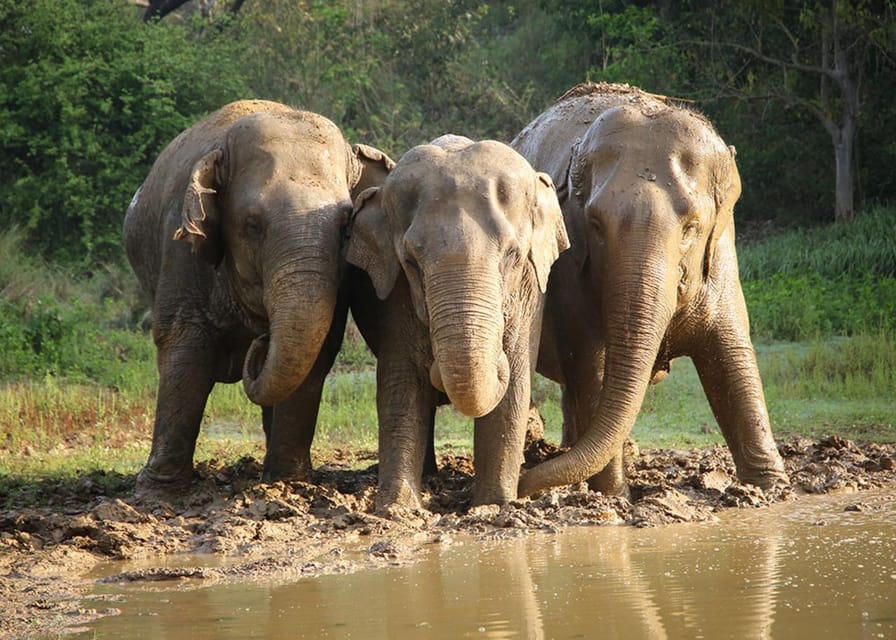
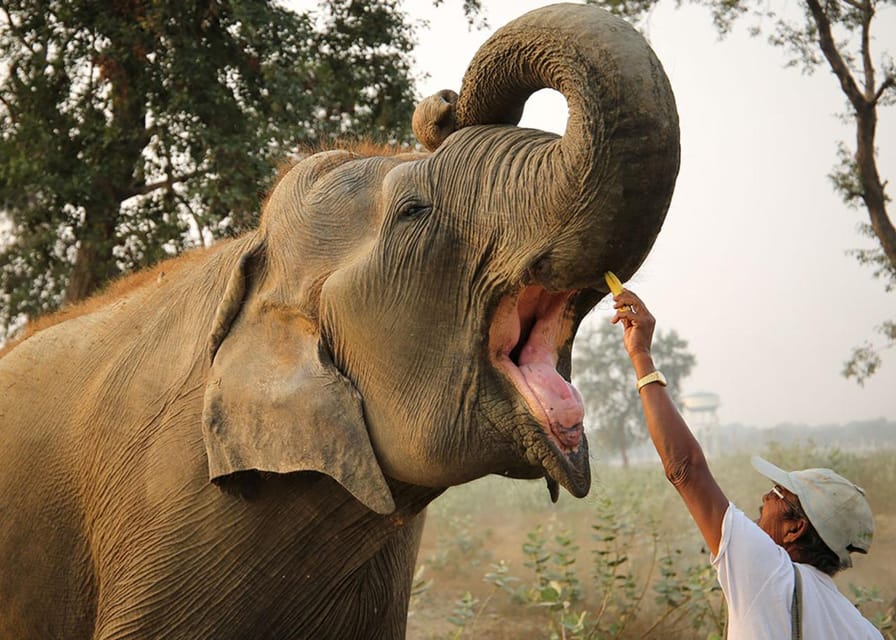
After Agra, the route continues toward an elephant reserve near Jaipur. The timing can make this a long day, but the change of subject is welcome. Instead of another palace or temple, you spend time learning about rescued elephants.
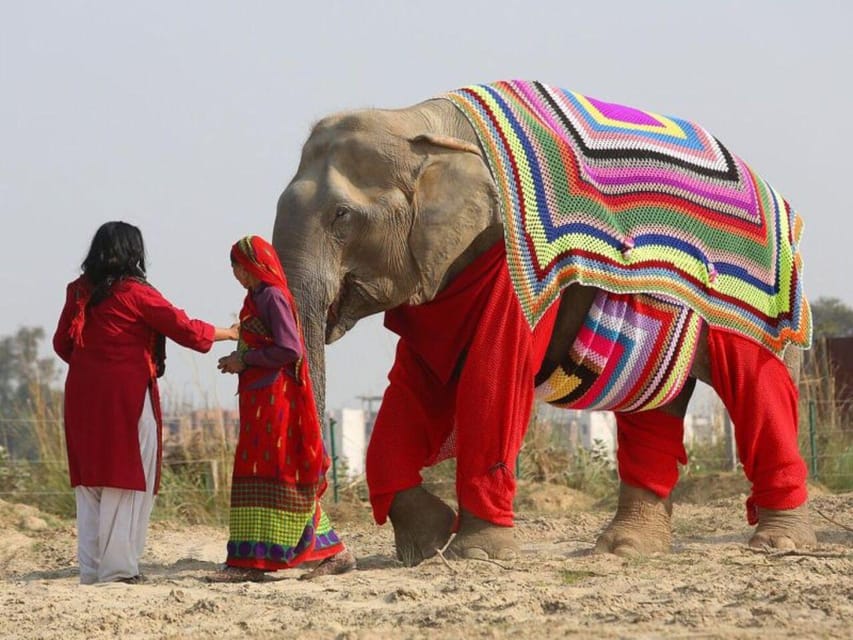
The advertised program includes feeding and bathing the elephants, seeing some wildlife, and an elephant-back ride. The information supplied for this experience is not fully consistent with every account, however. One account describes the sanctuary visit as a chance to learn about the elephants rather than ride them, while another says unexpected fees were requested. Confirm the current activities, conservation fee, and any extra charges before arrival.
That check is worth making for both your budget and your ethics. A rescued-elephant center should give you clear information about the animals’ past and present care. You can ask whether riding is optional, what bathing involves, and how much direct contact is appropriate. The most meaningful part may be feeding and observing the elephants, not simply adding a ride to your photo collection.
After Elephant SOS, you continue to Jaipur for the night. The hotel has been described as very good by some guests, while another booking was assigned a four-star property despite payment for five-star accommodation. Get the actual Jaipur hotel name and star category in writing before departure.
Day three: Amber Fort and Jaipur’s royal center
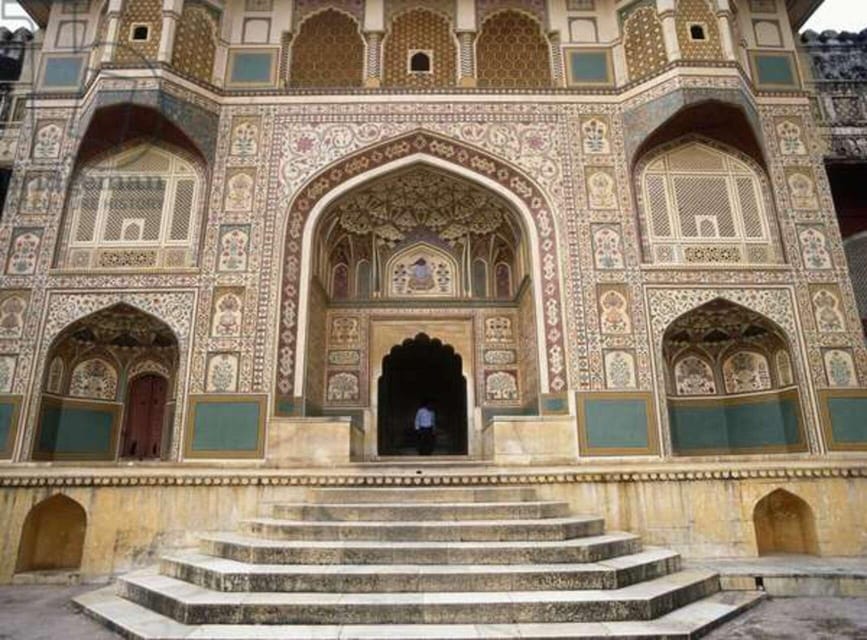
Jaipur is known as the Pink City, and the final day focuses on its royal monuments. The schedule begins at Amber Fort, outside the central city. Built for Rajput rulers, the fort combines defensive walls with decorated halls and palace courtyards.
Amber is one of the stops where you should resist rushing. The complex rises above the surrounding area, and its courtyards, gateways, and ornate interiors tell a clearer story when your guide links them together. The climb and walking surfaces may require care, although the tour is described as wheelchair accessible. If you use a wheelchair, confirm which parts of each monument can be reached before booking.
Back in the city, Hawa Mahal is best known for its honeycomb-like windows. The facade was designed so royal women could observe street life without being seen. The usual visit is brief and often works well as a photo stop, but ask whether you will enter or view it from outside.
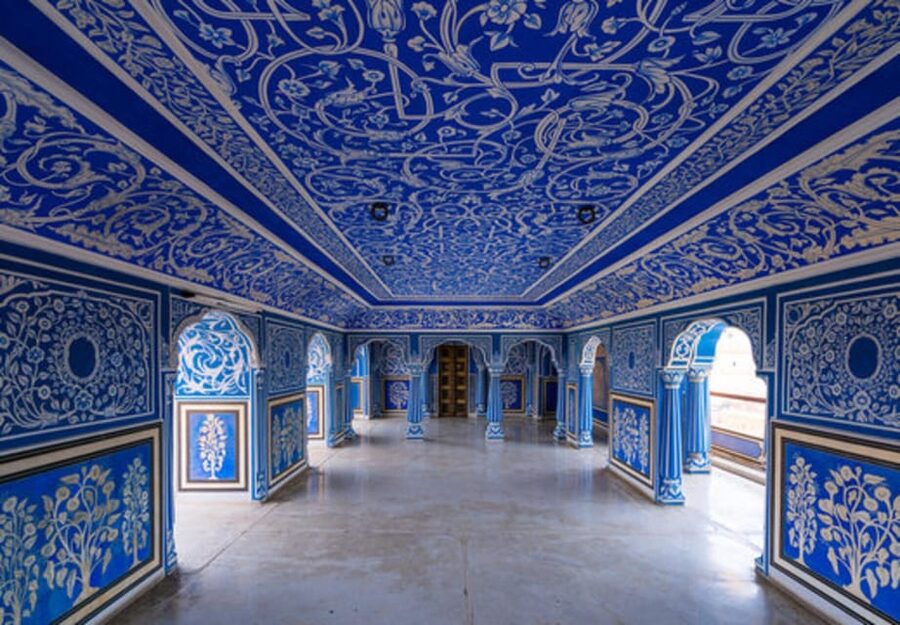
City Palace gives you a closer look at Jaipur’s royal household. Its museums display clothing, objects, and courtly pieces connected with Rajasthan’s rulers. The palace is more than an attractive facade, so you will gain more from a guide who explains how the different courtyards and collections fit together.
Jantar Mantar is one of Jaipur’s most unusual major sights. This open-air observatory uses large stone instruments to measure and track astronomical movements. It can look abstract at first, but the scale becomes impressive when your guide explains what each instrument was built to do.
The final scheduled sight is Jal Mahal, the palace set in Man Sagar Lake. It is generally a photo stop rather than an interior visit. Jaipur’s colorful bazaars then give you a little free time, although the exact amount will depend on traffic and how long the earlier monuments take.
Suresh has received particular praise for guiding Jaipur in Italian, and Jaipur guides generally appear to be one of the stronger parts of this experience. Still, the guide can change from city to city. That is normal for a multi-city private tour, but it means the quality and style may vary during the three days.
More Golden Triangle itineraries from New Delhi:
- 3-Days Private Golden Triangle Tour: Delhi, Agra & Jaipur by Car
★ 5.0 · 1,107 reviews - 3-Days Private Golden Triangle Tour: Delhi, Agra & Jaipur by Car
★ 5.0 · 1,098 reviews - 3-Day Delhi, Agra and Jaipur Private Tour – India Golden Triangle
★ 5.0 · 812 reviews - Four-Day Private Luxury Golden Triangle Tour to Agra and Jaipur From New Delhi
★ 5.0 · 807 reviews
What the private car really adds
The private air-conditioned car is more than a comfort feature. Delhi, Agra, and Jaipur are connected by busy roads, and having one driver for the long transfers removes the need to manage train stations, taxis, and local transport between monuments.
Drivers named in the feedback include Jay and Danish. Jay was praised for safe travel, while Danish received credit for handling heavy traffic, arriving promptly, speaking good English, and keeping bottled water available. Those details matter on a schedule with several long road sections.
The car also gives you some control over the day. You can ask for a short pause, adjust the order where possible, or spend longer at a site that matters to you. That flexibility is a major reason to choose a private tour over a large group coach.
There are limits. A private car does not remove traffic, and you may still be tired by the time you reach Jaipur after the elephant reserve. You should pack light, keep water with you, and treat the three days as an active sightseeing circuit.
Hotels, shopping stops, and the fine print
The experience is sold with five-star hotel stays, but the accommodation record is mixed. One booking began with a four-star Agra hotel and was changed only after repeated messages. A four-star Jaipur hotel was not changed, while other accounts describe the hotels as clean, good, or perfect.
This is the clearest practical issue to settle before booking. Ask for:
- The hotel name and star category in Agra
- The hotel name and star category in Jaipur
- Whether breakfast is included
- Which monument tickets are included
- The exact cost of the Elephant SOS visit and activities
Shopping stops are another point to manage. Carpet and craft shops have been included in some days even though they were not part of the sightseeing plan. Some shopkeepers were described as fairly relaxed, but other experiences involved strong pressure and high prices.
You can say at the start that you do not want shopping stops. If a guide says a stop is required, ask the tour coordinator to confirm. The coordinator has been described as responsive on WhatsApp, which can help if there is confusion about tickets or the elephant visit.
One especially useful warning concerns monument tickets. At least one guide did not realize that entrance fees had already been paid and directed the group to purchase them again. Keep your booking confirmation handy and ask the coordinator before handing over cash.
Guides who can shape the experience
This tour uses different guides in the three cities, so your experience depends partly on who is assigned. Several names have received strong praise: Anas in Delhi, Vinnie at the Taj Mahal, Suresh in Jaipur, Vinod Kumar, Isham, Mahammed, and Ali in various roles.
The most valued guide habits are clear explanations, help with busy entrances, good photographs, and attention to the day’s priorities. Vinnie and Isham have been praised for taking photos, while Vinod Kumar received praise for explaining history and local curiosities. Suresh is a good choice to request if you need an Italian-speaking guide, though availability is not guaranteed.
You should also set boundaries early. Ask for the monument order, confirm the elephant reserve, and state that shopping is optional. Do not feel obliged to write a review or tip before the tour is finished. One account describes pressure to leave a positive rating before the experience ended, which is poor practice.
The tour offers English, Spanish, Italian, and French guides. Because the group is private, you can ask questions without holding up a large bus. That format suits first-time visitors who want context but do not want to organize each transfer themselves.
Who should book this three-day route?
I would choose this tour if you have only a short time in northern India and want the main Golden Triangle sights in one organized package. It is also a good match if you value a private car, need pickup in Delhi, prefer help at monument entrances, or want to add an elephant-care visit to a standard Delhi, Agra, and Jaipur route.
It suits confident planners who are willing to confirm details and speak up. You should be ready for long days, road travel, changing guides, and a schedule that leaves little room for spontaneous wandering.
I would hesitate if a true sunrise at the Taj Mahal is essential, if a guaranteed five-star hotel is non-negotiable, or if you strongly dislike commercial stops. In those cases, request written confirmation of arrival time, hotel names, ticket inclusions, and the elephant program before you commit.
The $123 price is attractive when the promised inclusions arrive as planned. A private vehicle and multiple local guides can make that fare worthwhile, but a hotel downgrade, duplicate ticket purchase, forced shopping, or surprise sanctuary fee quickly weakens the bargain. Think of this as a good-value route with details that need checking, not a carefree luxury package.
FAQ

How long is the Golden Triangle tour?
The tour lasts three days and covers Delhi, Agra, and Jaipur.
Where does pickup take place?
Pickup is included from your desired location in Delhi.
Is the tour private?
Yes. The experience is offered for a private group with a private air-conditioned car.
Which languages are available for the guides?
Guides are available in English, Spanish, Italian, and French.
Does the tour visit the Taj Mahal at sunrise?
The schedule features an early Taj Mahal visit described as a sunrise tour. The exact arrival time should be confirmed because one scheduled visit reached the monument at about 7 a.m., after sunrise.
What happens at Elephant SOS?
The program includes time with rescued elephants, including feeding and bathing. The supplied details also mention an elephant-back ride and wildlife viewing, but activities and possible extra fees should be confirmed before arrival.
Are hotel stays included?
Overnight stays in Agra and Jaipur are included. The experience is advertised with five-star hotels, but room category and hotel assignment have varied, so confirm both hotel names and star ratings before booking.
More 3-Day Experiences in New Delhi
- 3-Day Private Luxury Golden Triangle Tour to Agra and Jaipur From New Delhi
★ 5.0 · 424 reviews - 3-Day Luxury Golden Triangle Tour: New Delhi, Agra & Jaipur
★ 5.0 · 246 reviews - Award-Winning 3-Day Private Golden Triangle Tour of India
★ 5.0 · 240 reviews - 3 Days 2 Night Golden Triangle Tour – Private Luxury Experience
★ 5.0 · 191 reviews
Just added around New Delhi
- Delhi: All-Inclusive Full or Half Day Tour With Hotel Pickup★ 5.0 · 3 reviews
- From Delhi : All Inclusive Taj Mahal Tour by Gatimaan Express★ 5.0 · 3 reviews
- Skip the line: Taj Mahal Agra Private Day Trip From Delhi By Car★ 5.0 · 3 reviews
- New Delhi Night City Tour★ 5.0 · 3 reviews
- Old Delhi Half day private city tour★ 5.0 · 3 reviews
- Delhi: Old and New Delhi One Day Private Guided City Tour★ 5.0 · 3 reviews
- A full-day tour of Old & New Delhi Monument Express Entry★ 5.0 · 3 reviews
- Sultanpur Bird Sanctuary Tour Near Delhi★ 5.0 · 3 reviews
Golden Triangle Tours, compared.
3-Days Private Golden Triangle Tour: Delhi, Agra & Jaipur by Car
Read our review →3-Days Private Golden Triangle Tour: Delhi, Agra & Jaipur by Car
Read our review →
3-Day Delhi, Agra and Jaipur Private Tour – India Golden Triangle
Read our review →
Four-Day Private Luxury Golden Triangle Tour to Agra and Jaipur From New Delhi
Read our review →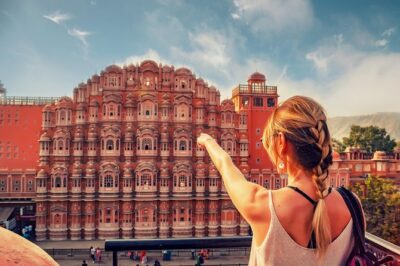
Jaipur Day Trip from Delhi by Car or Train – All Inclusive
Read our review →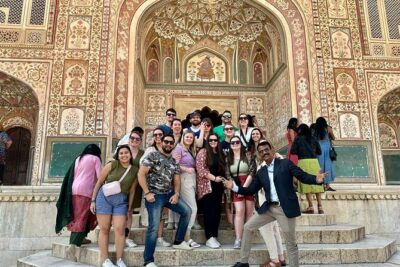
Jaipur City Private Day Tour from Delhi by Car – All Inclusive
Read our review →
5 Nights 6 Days Private Golden Triangle Tour – Delhi Agra Jaipur
Read our review →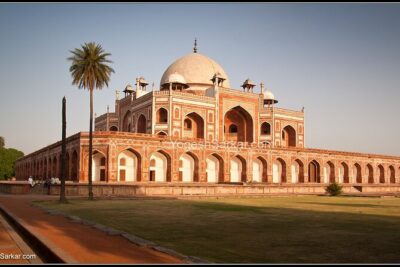
Browse the lists this tour appears in