
Reviewed · GOLDEN TRIANGLE TOURS
From Delhi: India’s Golden Triangle Tour in 3 Days
The headline moment comes before breakfast: the Taj Mahal at sunrise, when its white marble shifts in the soft morning light. You also get a private car and driver for the full route, so you are not herded from Delhi to Agra to Jaipur on a shared bus.
I like the old Delhi rickshaw ride through Chandni Chowk, and I like having a local guide in each city rather than trying to decode huge monuments alone. The trade-off is simple: this is a packed three-day circuit, with plenty of road time and little room for a slow morning.
In This Review
- Key points at a glance
- Is three days enough for India’s Golden Triangle?
- Day one: Jama Masjid, Chandni Chowk, and the road to Agra
- Day two: the Taj Mahal at sunrise
- Day three: Amber Fort and Jaipur’s royal center
- What the private transport is really worth
- Guides, shopping stops, and personal service
- What the $36 price does and does not tell you
- Who should book this three-day tour?
- Should you book it?
- FAQ
- Is the Taj Mahal visit at sunrise?
- Is the Taj Mahal open every day?
- What happens if my tour is on a Monday?
- Are hotel nights and breakfast included?
- Are monument tickets included?
- What vehicle is used for the private tour?
- Can I cancel or pay later?
Key points at a glance
- Taj Mahal before breakfast: Start around 5 a.m. for the best chance at a quiet, cool visit and gentle morning light.
- One private car for the whole route: Your chauffeur handles Delhi, Agra, Jaipur, and the return to Delhi.
- Three cities, many major sights: See Delhi’s Mughal and British-era landmarks, Agra’s royal monuments, and Jaipur’s forts and palaces.
- Rickshaw and battery van rides included: These small transport details make the Old Delhi lanes and Taj Mahal approach easier.
- Guides change by city: Names praised in past visits include Saif, Jimmy, Raghu, Shailly, and Saqlain Gaffar, though assignments can vary.
- Low headline price, extra costs matter: Monument tickets, meals, tips, and some cash expenses are not included, and hotel choices affect the final price.
Is three days enough for India’s Golden Triangle?
Yes, if your goal is to see the main sights in a short window. No, if you want long museum visits, unplanned walks, or much time to rest.
The route links Delhi, Agra, and Jaipur, the three most familiar stops on northern India’s first-time circuit. You will see Mughal architecture, imperial Delhi, Rajput forts, palace courtyards, astronomical instruments, and market streets in a single trip. That range is the chief appeal.
A private tour also solves several practical problems. You do not need to arrange a new taxi in each city, work out intercity trains, or find a guide at every monument. Your driver waits while you tour, and bottled water is provided in the car. Several past visitors singled out drivers such as Jeetu, Hari Tomar, Naval, Sonu, and Brijkishor for safe driving, clean cars, and patient help.
Still, do not confuse private with leisurely. Day one covers Delhi before the drive to Agra. Day two starts in the dark and ends in Jaipur. Day three includes Jaipur and the long return to Delhi. I would choose this trip for efficient sightseeing, not for a relaxed holiday.
More Golden Triangle itineraries from New Delhi:
- 3-Days Private Golden Triangle Tour: Delhi, Agra & Jaipur by Car
★ 5.0 · 1,107 reviews - 3-Days Private Golden Triangle Tour: Delhi, Agra & Jaipur by Car
★ 5.0 · 1,098 reviews - 3-Day Delhi, Agra and Jaipur Private Tour – India Golden Triangle
★ 5.0 · 812 reviews
Day one: Jama Masjid, Chandni Chowk, and the road to Agra
Your pickup can be arranged from Delhi Airport, a railway station, or an address in Delhi, Noida, Gurugram, Greater Noida, and nearby areas. Airport arrivals are met at Terminal 3, Exit Gate 4, with a sign bearing your name.
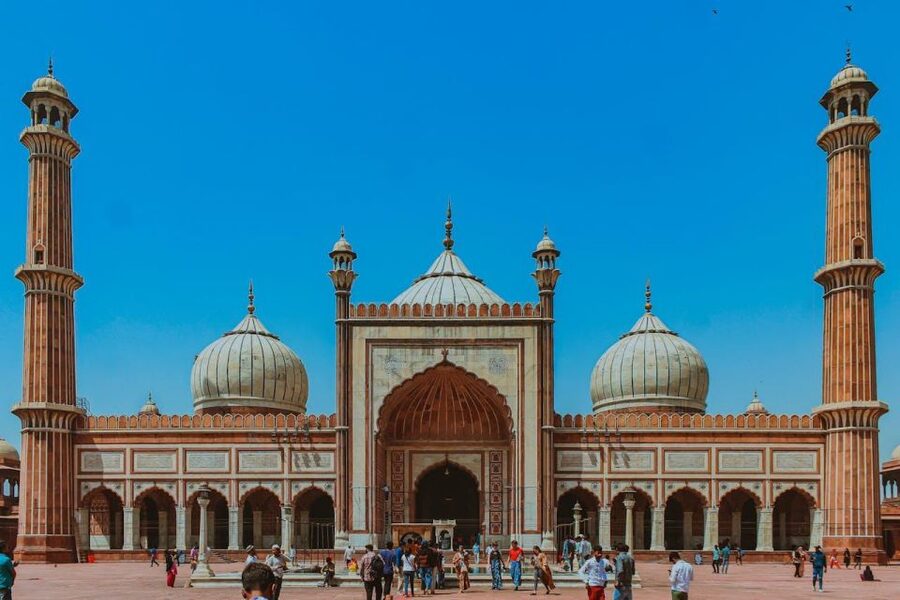
The day begins in Old Delhi, where Jama Masjid gives you an early look at the city’s grand Islamic architecture. The scale is impressive, but the setting matters just as much. The mosque sits beside some of Delhi’s busiest lanes, so the visit quickly shifts from formal monument to street-level city life.
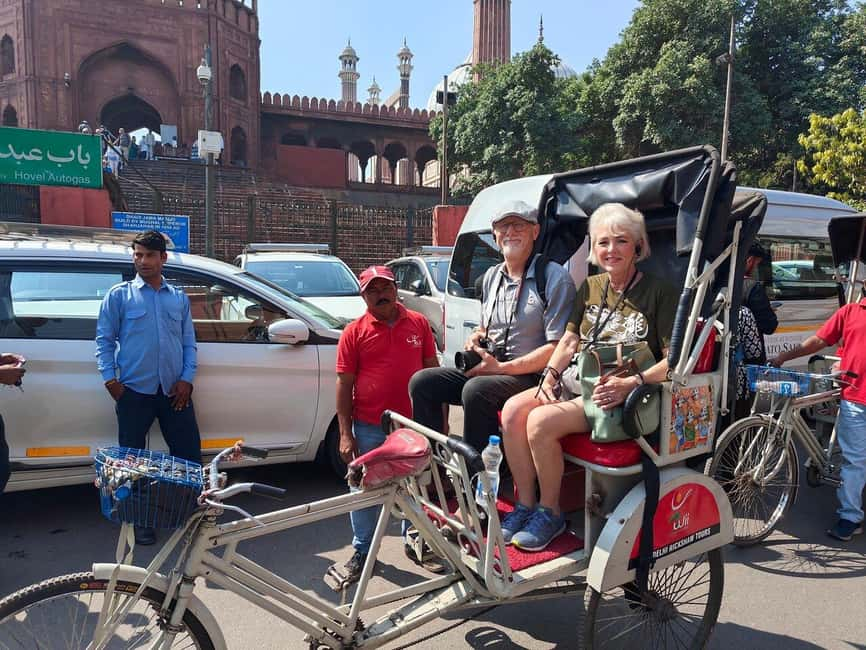
Then comes a traditional rickshaw ride through Chandni Chowk. I like this inclusion because it gives you a short, close-up look at Old Delhi without asking you to navigate the lanes alone. Expect a lively, crowded ride rather than a scenic glide. Keep your belongings secure and follow your guide’s lead.
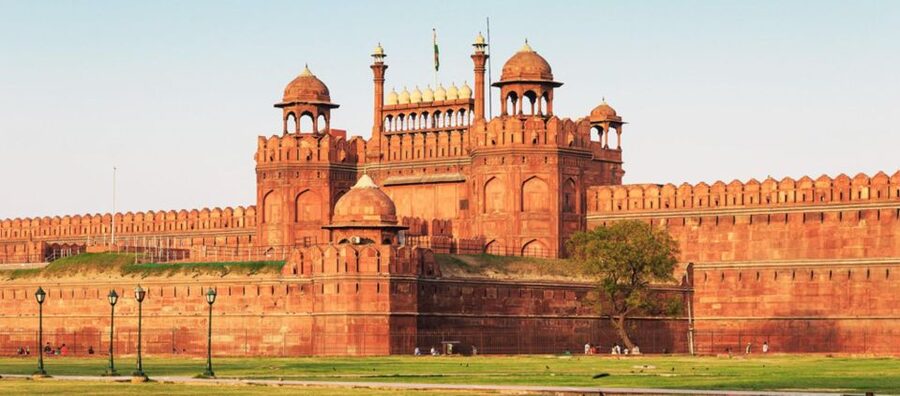
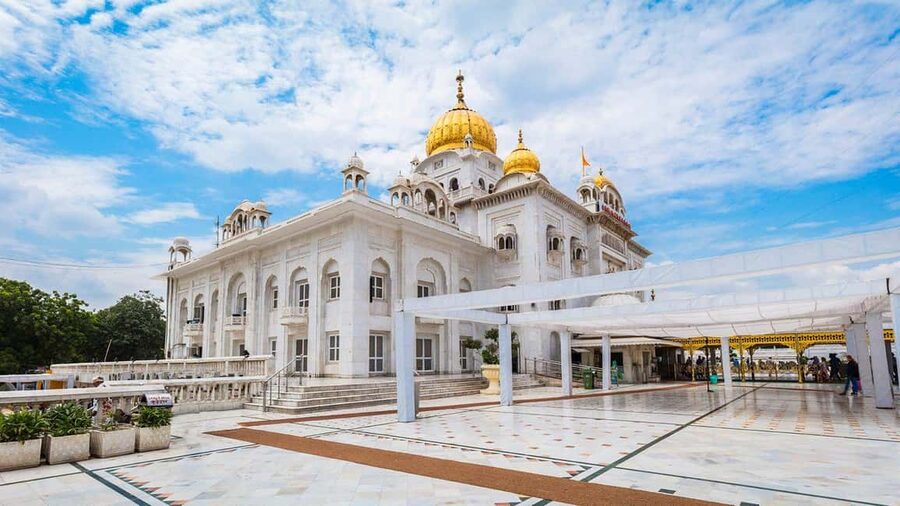
You get a photo stop outside the Red Fort. On Mondays, the Red Fort is closed, so the visit is replaced by Gurudwara Bangla Sahib. The fort stop is also one place where you should be clear about what you want. One past visitor felt the Delhi guide did not take the group close enough to the Red Fort, while another made it clear that all requested stops were completed after a discussion. Tell your guide early if a particular monument matters to you.
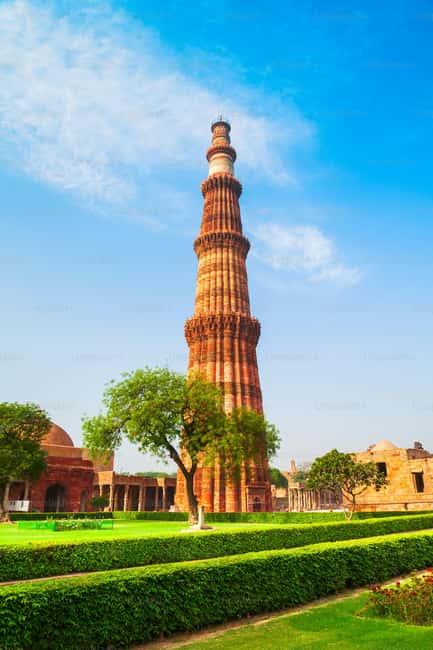
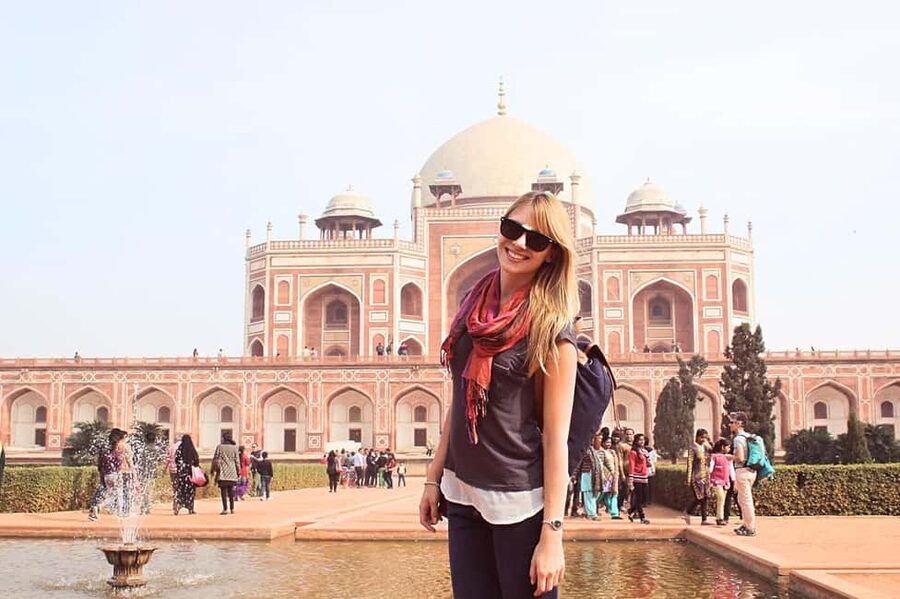
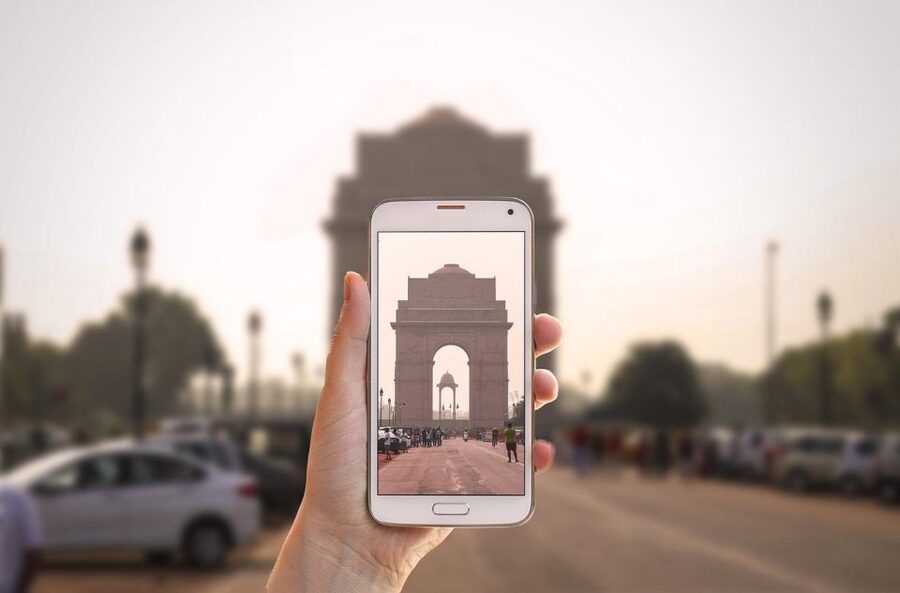
New Delhi offers a sharp change of mood. India Gate is a broad ceremonial landmark, while Rashtrapati Bhawan gives you a look at the formal center of modern Indian government. Humayun’s Tomb supplies the architectural link to Agra, with its grand Mughal design and garden setting. Qutub Minar then takes you farther back, with its tall stone tower and extensive complex.
The order and exact timing can shift. Delhi traffic is a real factor, and this first day already asks you to cover a great deal. After sightseeing, you travel to Agra on the Yamuna Expressway. The private air-conditioned vehicle is valuable here, since you can rest between stops instead of managing the road yourself.
You spend the night in Agra if you select the hotel option. Hotel category, room arrangement, and breakfast also depend on the option booked. Single, double, or twin-sharing rooms are standard, while three-person groups normally receive a triple room with a double bed and an extra bed.
Day two: the Taj Mahal at sunrise
This is the day to protect your sleep the night before. The Taj Mahal visit begins very early, often around 5 a.m., so you can enter near sunrise. Your battery van ride takes you to and from the entrance, which saves a longer walk before the main event.
The first sight of the Taj Mahal is the emotional center of the trip. Morning light gives the marble a softer appearance than the hard glare of midday, and the early start can help you avoid some of the heavier heat and crowds. Your guide explains the monument’s love story, design, and important details while you move through the grounds.
Guides such as Saif and Mohammad have been praised for showing useful photo positions and taking pictures on visitors’ phones. Saif, in particular, has drawn repeated praise for both his explanations and his eye for photographs. That kind of help is practical when you are traveling alone or with a group and want everyone in the picture.
The Taj Mahal is closed on Fridays. If Friday affects your dates, the route changes to Delhi, Jaipur, Agra, then Delhi. Check the day before booking, because this is not a minor adjustment. It changes the order of the entire trip.
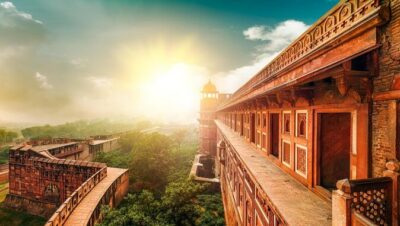
After the Taj Mahal, you return to the hotel for breakfast and check out. Then you visit Agra Fort, another major Mughal site. It is not simply a second red sandstone monument after the Taj. Its courtyards, halls, defensive walls, and views toward the Taj help explain how the imperial court lived and how the city functioned around the river.
This is where a good guide makes the visit easier to follow. Raghu, Ali Akbar, Govind Belani, Mohammad, and Sam are among the Agra guides praised for clear explanations and careful attention. Guide assignments change, but the format is consistent: a local specialist joins you for the monument, while your main driver handles the vehicle.
Later, you continue to Fatehpur Sikri. This former Mughal capital is known for its red sandstone buildings and empty, monumental feel. It adds a different note to the route because you are walking through a planned imperial center that is no longer an active capital.
Do not expect a quick roadside photo stop if you want to understand the complex. The buildings reward a guide who can explain their purpose and connections. At the same time, the stop makes an already long day longer. If you are tired after the sunrise visit, use the drive to rest.
You reach Jaipur by evening and check in for the second night. This late arrival means you will see the Pink City mostly through its monuments the next morning, not through a leisurely evening stroll.
Day three: Amber Fort and Jaipur’s royal center
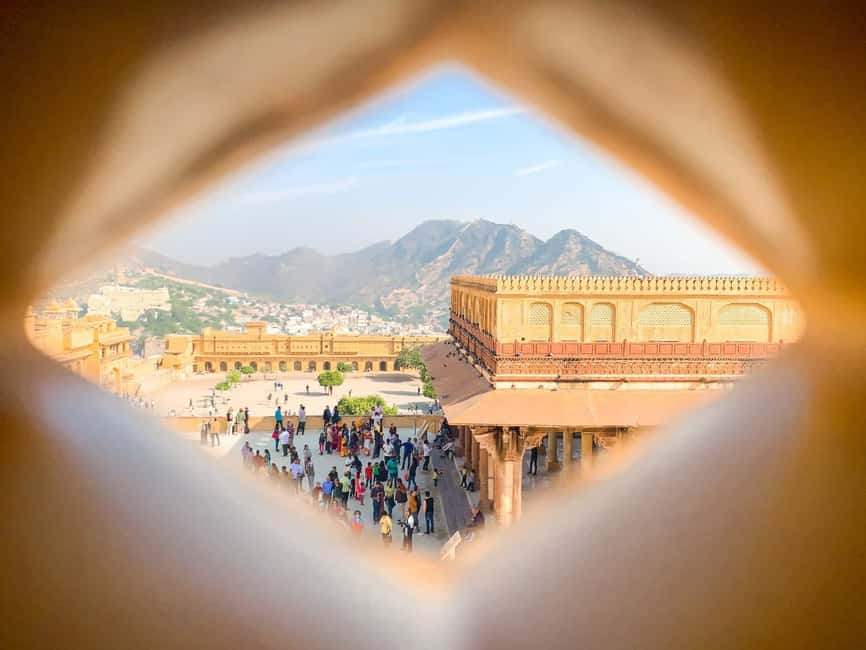
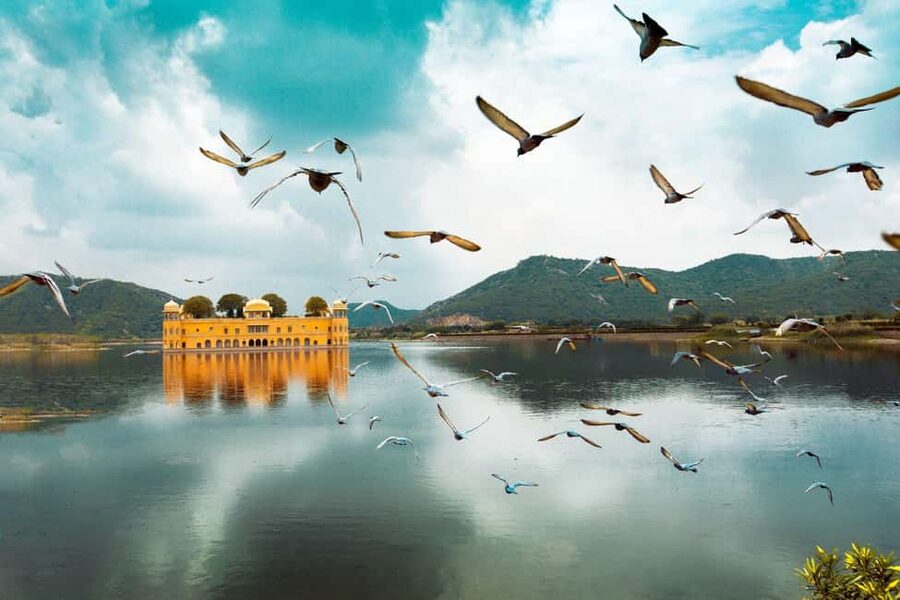
After breakfast and check-out, Jaipur begins with Amber Fort. A jeep ride takes you up to the fort, replacing the need to make the ascent on foot. Inside, you move through courtyards, royal rooms, and halls with mirror work.
Amber is the most commanding sight of the Jaipur day. Its scale and setting give you a sense of Rajput power, while the decorated interiors show the court’s taste for detail. You will want comfortable shoes here. The trip requires walking across historic surfaces and through large compounds, even with the jeep transfer.
The City Palace follows, bringing you back into the working center of Jaipur’s royal story. The visit pairs well with Amber Fort: Amber shows the defensive and ceremonial strength of the hilltop court, while the City Palace places royal life within the city itself.
Jantar Mantar is the day’s change of pace. Rather than another palace, it is an astronomical observatory filled with large instruments. Your guide can help you understand what the structures were designed to measure, which is far more useful than simply taking pictures of their geometric shapes.
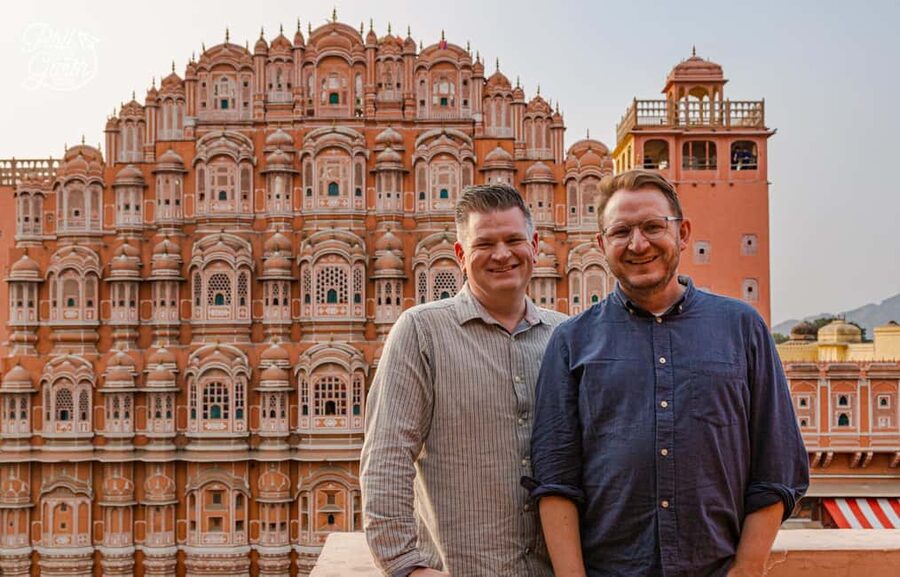
Hawa Mahal is usually handled as a photo stop. Its many-windowed facade is one of Jaipur’s most recognizable views, but the stop is brief compared with a full monument visit. If you want time for more photographs, say so before the car moves on.
There is also time for local market shopping. The supplied information notes that guides may take you to workshops where local trades are demonstrated and goods are offered for purchase. You can skip these stops if you do not want to shop. Be direct and polite. This is one of the few points where your assertiveness can shape the day.
Jaipur often becomes the favorite city for people who enjoy forts, palaces, and a stronger sense of place. Agra’s Taj Mahal is the unforgettable single monument, but Jaipur gives you more variety across one full sightseeing day. I would not shorten Jaipur to make more room for Agra unless the Taj is your only priority.
After Jaipur, you return to Delhi by private air-conditioned vehicle. The drop-off can be at your hotel, airport, or another preferred location in Delhi. The final drive is the tour’s least glamorous part, so plan no important evening activity that depends on arriving at a precise time.
A few more New Delhi departures worth comparing
- 3-Day Private Luxury Golden Triangle Tour to Agra and Jaipur From New Delhi
★ 5.0 · 424 reviews - 3-Day Luxury Golden Triangle Tour: New Delhi, Agra & Jaipur
★ 5.0 · 246 reviews - Award-Winning 3-Day Private Golden Triangle Tour of India
★ 5.0 · 240 reviews - 3 Days 2 Night Golden Triangle Tour – Private Luxury Experience
★ 5.0 · 191 reviews
What the private transport is really worth
The car is the backbone of this experience. With one or two people, the vehicle is generally a three-seat sedan such as an Etios. Groups of three to five use a six-seat wagon such as an Innova, while groups of six to ten use a larger van such as a Tempo Traveler.
The vehicle size matters on long drives. A sedan is fine for a couple with modest luggage, but larger groups should confirm that the selected vehicle suits both passengers and bags. The tour is private, so you are not sharing the road schedule with strangers.
Drivers wait outside the sightseeing stops and keep bottled water in the car. Past trips have also praised clean vehicles, good air conditioning, calm driving, and help at awkward drop-off points. Brijkishor, for example, walked with one person to a hotel on a busy street where the car could not reach the entrance.
The car does not remove every road-related drawback. You still face long distances and Indian traffic. One person described the three-city route as a good way to see a lot, but warned that the driving time adds up. That is the honest bargain here: private transport gives you control and comfort, but not shorter roads.
Guides, shopping stops, and personal service
You receive local guides for sightseeing, with support available in English, French, German, Hindi, Japanese, Russian, Spanish, Italian, and Portuguese. The guides named in past assignments include Jimmy in Delhi, Saif and Raghu in Agra, and Shailly or Saqlain Gaffar in Jaipur.
The strongest pattern is personal assistance. Guides have helped with photographs, explained monument details, handled questions, and assisted when a credit card problem made getting cash difficult. Solo visitors may especially value this extra hand, since the driver and guide provide a clear point of contact throughout the route.
Guide quality can vary by person, as it does on any multi-city operation. One Delhi visit felt rushed and included an unwanted shop stop. Another guide adjusted the day after the group insisted on visiting every requested sight. My advice is to state your priorities at the start of each day and say clearly if you do not want shopping.
Workshop visits can be useful if you want to see local craft demonstrations or buy an artifact. They are not essential to the main monuments. If you are on a strict schedule or do not plan to shop, ask to omit them.
What the $36 price does and does not tell you
The advertised starting price of $36 per person looks remarkably low for a private three-day route, but it is not the complete cost for every booking. The final amount depends on the number of people, hotel category, room setup, breakfast selection, and other options.
The package includes pickup, private air-conditioned transport, tolls, parking, state taxes, driver allowances, local guides, the Taj Mahal battery van, the Old Delhi rickshaw, and bottled water. Two hotel nights and daily breakfast are included only if you select those options.
You pay separately for food, drinks, and monument entry tickets. Carry cash in Indian rupees because some monuments may not accept cards. A past visitor suggested allowing at least about 100 euros for entrances, tips, and extras, but your actual total will depend on the sights and choices you make. Use that figure only as a warning to budget beyond the headline price, not as a fixed charge.
Christmas Eve, New Year’s Eve, and the period from December 24 through January 4 bring a gala dinner surcharge. Check the booking option carefully, especially if you are comparing hotel categories or traveling as a group.
At this price level, the value is strongest for two to five people sharing the private vehicle and guides. Solo travelers pay more per person for a private setup, but gain a high level of direct help and do not have to organize the route alone.
Who should book this three-day tour?
I would choose it if you are visiting India for the first time and want the major sights handled in one package. It suits couples, families, solo visitors, and small groups who value a private vehicle more than a slow pace.
It is also a good fit if you want flexible pickup and drop-off. Starting at an airport, station, hotel, or address in Delhi removes a layer of planning, especially after an international arrival.
I would look for a longer tour if you want free time in each city, detailed museum visits, or relaxed evenings. Three days gives you the famous sights, but it does not give you much time to wander. Jaipur deserves more than the schedule allows, and Delhi’s size means that traffic can compress your sightseeing.
The tour is wheelchair accessible, and pets are not allowed. Bring your passport and comfortable shoes. Before paying, confirm the correct hotel and transport option, the Friday or Monday adjustments, and the expenses that will be paid locally.
Should you book it?
Book this tour if you want maximum sightseeing with minimum planning. The private car, early Taj Mahal visit, local guides, rickshaw ride, battery van, and flexible pickup make the route far easier than piecing together Delhi, Agra, and Jaipur yourself.
Skip it if you dislike early starts, long drives, or being asked to consider shopping stops. For the best value, travel with at least one companion, budget separately for tickets and tips, and tell each guide exactly which sights and activities matter most to you.
FAQ
Is the Taj Mahal visit at sunrise?
Yes. Day two begins early, often around 5 a.m., for a sunrise visit. A battery van ride is provided to and from the Taj Mahal entrance.
Is the Taj Mahal open every day?
The Taj Mahal is closed on Fridays. When Friday affects the tour, the route changes to Delhi, Jaipur, Agra, and Delhi.
What happens if my tour is on a Monday?
The Red Fort and Lotus Temple are closed on Mondays. The Delhi visit substitutes Gurudwara Bangla Sahib.
Are hotel nights and breakfast included?
Two hotel nights and daily breakfast are included only when you select the relevant booking option. Accommodation is normally single, double, or twin sharing. Groups of three receive a triple room by default.
Are monument tickets included?
No. Monument entry fees, food, and drinks are not included. Carry cash in Indian rupees because some monuments may not accept cards.
What vehicle is used for the private tour?
One or two people generally use a three-seat sedan such as an Etios. Groups of three to five use a six-seat wagon such as an Innova, and groups of six to ten use a van such as a Tempo Traveler.
Can I cancel or pay later?
You can cancel up to 24 hours before the activity for a full refund. The reserve-now, pay-later option lets you book without paying immediately.
Just added around New Delhi
- Delhi: All-Inclusive Full or Half Day Tour With Hotel Pickup★ 5.0 · 3 reviews
- From Delhi : All Inclusive Taj Mahal Tour by Gatimaan Express★ 5.0 · 3 reviews
- Skip the line: Taj Mahal Agra Private Day Trip From Delhi By Car★ 5.0 · 3 reviews
- Old Delhi Half day private city tour★ 5.0 · 3 reviews
- Delhi: Old and New Delhi One Day Private Guided City Tour★ 5.0 · 3 reviews
- New Delhi Night City Tour★ 5.0 · 3 reviews
- A full-day tour of Old & New Delhi Monument Express Entry★ 5.0 · 3 reviews
- Sultanpur Bird Sanctuary Tour Near Delhi★ 5.0 · 3 reviews
Golden Triangle Tours, compared.
3-Days Private Golden Triangle Tour: Delhi, Agra & Jaipur by Car
Read our review →3-Days Private Golden Triangle Tour: Delhi, Agra & Jaipur by Car
Read our review →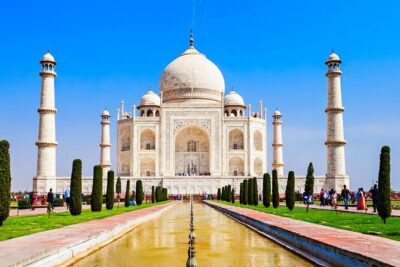
3-Day Delhi, Agra and Jaipur Private Tour – India Golden Triangle
Read our review →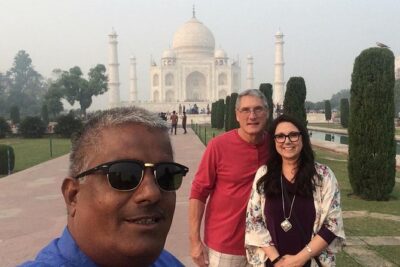
Four-Day Private Luxury Golden Triangle Tour to Agra and Jaipur From New Delhi
Read our review →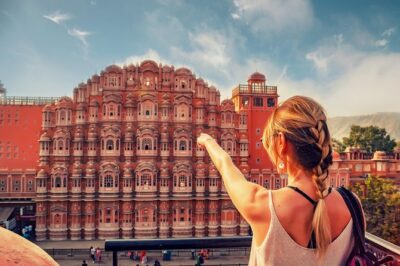
Jaipur Day Trip from Delhi by Car or Train – All Inclusive
Read our review →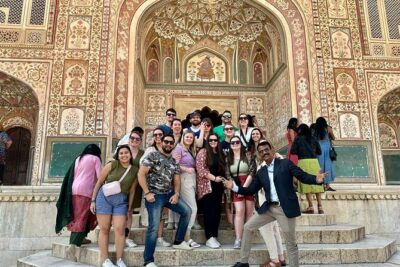
Jaipur City Private Day Tour from Delhi by Car – All Inclusive
Read our review →
5 Nights 6 Days Private Golden Triangle Tour – Delhi Agra Jaipur
Read our review →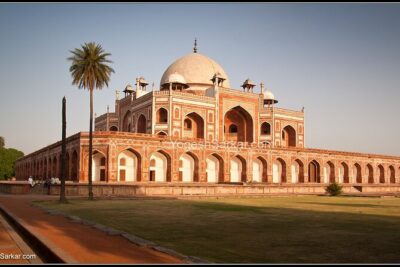
Browse the lists this tour appears in