
Reviewed · GOLDEN TRIANGLE TOURS
Private Golden Triangle 3-Day Delhi Agra Jaipur Tour
The great draw here is simple: you get the Taj Mahal at sunrise, Delhi’s Mughal landmarks, and Jaipur’s pink-hued palaces in one carefully packed trip. A private car and English-speaking driver keep the long transfers manageable, which matters when three major cities are linked in only three days.
I like the door-to-door pickup and the freedom of traveling with only your own group. I also like the route’s variety, from the towering Qutub Minar and quiet Agrasen Ki Baoli to the grand City Palace and the extraordinary Chand Baori stepwell. The drawback is the pace. Day 1 is especially full, and the final five-hour drive back to Delhi can leave you tired.
The experience has a 5-star rating from 79 reviews and a 100 percent recommendation rate. Driver Sangam receives particular praise for being friendly, considerate, easy to talk with, and an excellent driver. If he is assigned to your trip, his personality may add a lot to the long hours in the car.
In This Review
- Key points to know before booking
- Why this Golden Triangle route works
- Day 1: Delhi’s monuments and the road to Agra
- Day 2: The Taj Mahal before breakfast
- Day 3: Jaipur’s palaces, astronomy, and water views
- What the private car changes
- Tickets, hotels, and the true cost
- Who should book this three-day tour?
- FAQ
- Is this a private tour?
- What cities does the tour visit?
- Is hotel accommodation included?
- Are monument entry fees included?
- What type of vehicle is used?
- Can I finish at Jaipur Airport instead of returning to Delhi?
- Should you book it?
Key points to know before booking
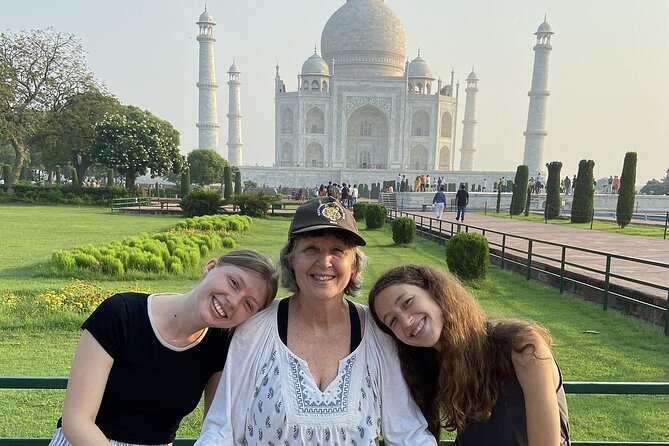
- Sunrise at the Taj Mahal: Start early in Agra for the softest light and cooler temperatures, then tour the monument with a guide.
- A genuinely private trip: Only your group participates, with pickup from an airport, railway station, hotel, or other address in Delhi, Noida, or Gurugram.
- Three cities, one driver: Delhi, Agra, and Jaipur are connected by private AC road transfers with fuel, tolls, parking, and taxes covered.
- Accommodation is an option: The package can include two hotel nights and two breakfasts, but check that your selected price includes them.
- Monument fees may depend on your package: Guides and entry tickets are included only when that option is selected.
- A demanding but efficient route: You see major sights quickly, but long days and road journeys are part of the bargain.
Why this Golden Triangle route works
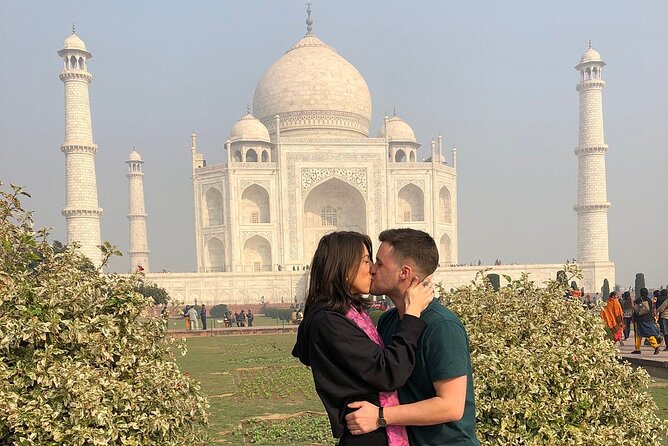
India’s Golden Triangle links New Delhi, Agra, and Jaipur in a rough triangle across northern India. Each city offers a different kind of experience. Delhi gives you imperial monuments, Mughal architecture, markets, and national symbols. Agra is the emotional center of the trip, with the Taj Mahal, Agra Fort, and smaller Mughal sites. Jaipur brings Rajput palaces, observatories, hill forts, and ornate sandstone buildings.
Doing all three alone in three days would require careful planning. You would need to arrange airport pickup, highway transfers, hotels, tickets, guides, and early starts. Here, the private driver takes care of the moving parts while you focus on the sights.
That convenience comes at the cost of a tight schedule. You will not have much spare time for wandering, shopping, or long meals. I would view this as an efficient introduction to northern India, not a slow cultural stay.
The listed price is $134.20 per person, but the final value depends on the option you choose. A basic package may not include accommodation, breakfast, guides, or monument entry fees. A package with two hotel nights, two breakfasts, local guides, and tickets costs more, but it may be the better choice if you want fewer decisions during the trip.
More Agra and Fatehpur Sikri days:
- Same Day Taj Mahal, Agra Fort & Baby Taj Tour from Delhi by Car
★ 5.0 · 4,304 reviews - Full Day Taj Mahal, Agra Fort & Baby Taj Tour from Delhi by Car
★ 5.0 · 3,647 reviews - From Delhi: Taj Mahal & Agra Private Day Trip with Transfers
★ 4.9 · 3,181 reviews
Day 1: Delhi’s monuments and the road to Agra
The first day begins with pickup in Delhi, Noida, or Gurugram, or directly from Delhi Airport. That airport option is useful if you are arriving in India and want to begin sightseeing without first checking into a hotel.
Your first major stop is Qutub Minar, a UNESCO World Heritage Site built in 1193 by Qutub-ud-din Aibak. The tall minaret is the focal point, but the surrounding complex also gives you a first look at early Indo-Islamic architecture. The planned visit is about one hour. Entry is not included in every package, so confirm your selection before arrival.
Next comes the Lotus Temple, one of modern Delhi’s most recognizable buildings. Its white structure is shaped like a lotus flower and was completed in 1986. You have about 30 minutes here, enough to view the building and its grounds without turning the stop into a long visit. Admission is free.
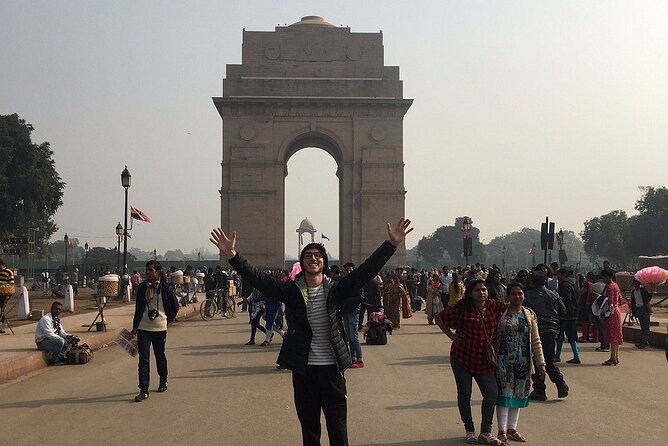
India Gate follows, with time for photographs and a look at the memorial’s broad ceremonial setting. It honors soldiers of British India who died in wartime. Parliament House and Rashtrapati Bhavan are viewed for about 15 minutes each. These are short stops, but they help explain Delhi as India’s political capital. Rashtrapati Bhavan is the official residence of the president, while Parliament House contains the Lok Sabha and Rajya Sabha.
Agrasen Ki Baoli offers a sharp change of mood. This protected stepwell drops through a long flight of stone steps and feels more enclosed than Delhi’s grand avenues. You have roughly 30 minutes here. It is free to visit and makes a good stop for architecture, photography, and a break from the larger monuments.
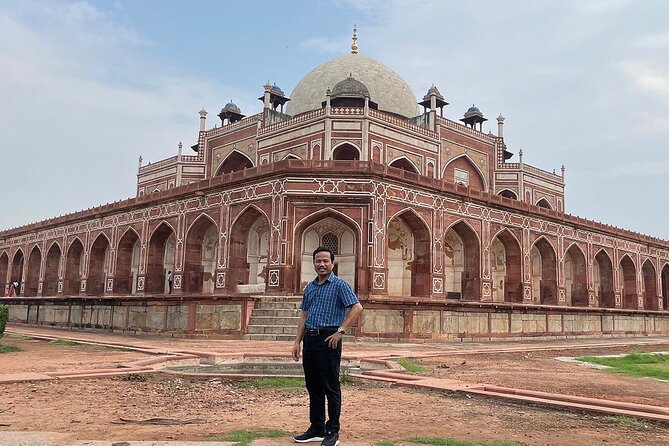
The route then reaches Humayun’s Tomb, a major Mughal mausoleum commissioned in 1558 by Empress Bega Begum for Emperor Humayun. Its garden setting and formal design make it an important bridge between earlier tomb architecture and the later style seen at the Taj Mahal. Plan on about an hour, with entry charged unless it is included in your selected package.
Old Delhi comes later, with time in Chandni Chowk and at Jama Masjid. Chandni Chowk is filled with shops selling spices, dried fruit, silver jewelry, and colorful saris. The streets are narrow and crowded, so keep your belongings close and expect a much more intense experience than the open spaces around India Gate.
Jama Masjid was commissioned by Shah Jahan in 1650 and completed in 1656. It is one of India’s largest mosques and a useful companion to the Red Fort, which also dates to the Mughal emperor’s reign. The mosque is free to enter, though special charges or clothing rules can apply in practice, so follow the instructions given at the site.
The Red Fort is the final major Delhi monument on the schedule. For almost two centuries, it served as the Mughal emperors’ main residence. You have about an hour, though admission is not included in every package.
This is a lot for one day. Delhi traffic can make the schedule feel even longer, and the order of stops may change with road conditions or opening hours. The advantage of a private car is that you are not trying to navigate between all these places yourself. The disadvantage is that you may see several major sites when you are already running low on energy.
After lunch at a local restaurant, you take the Yamuna Expressway toward Agra. The drive is planned at about three hours, followed by hotel check-in and an overnight stay. The evening is free, which is welcome after such a full day. If you are staying in Agra, use this time to rest rather than adding another ambitious sightseeing plan.
Day 2: The Taj Mahal before breakfast
The second day starts early with a sunrise visit to the Taj Mahal. This is the right approach. The morning light can soften the monument’s white marble, and an early start generally makes the experience more comfortable than arriving later in the day.
The visit is planned for about three hours, including a guided tour inside the UNESCO World Heritage Site. The Taj Mahal is also recognized as one of the New 7 Wonders of the World. Its importance is easy to understand in person, but a guide adds useful context about the building, its purpose, and the Mughal period.
Entry is not included in every package, so check the exact booking option. You will also want to wear comfortable shoes, since the visit involves walking through the grounds and monument area. The early start means breakfast timing matters. If your selected package includes breakfast, confirm when and where it will be served.
Agra Fort comes next, with about an hour to explore. This massive Mughal complex was once the main residence of the emperors. It is not simply a defensive wall. Inside are courtyards, halls, and palace spaces that help you understand how power worked in Mughal Agra. The fort also gives you a useful second perspective after the Taj Mahal, shifting attention from a mausoleum to an imperial residence.
Itmad-ud-Daula, often called the Baby Taj, takes about 30 minutes. Built between 1622 and 1628, the mausoleum is smaller and more intimate than the Taj Mahal. Its delicate decoration makes it worth including, especially if you appreciate details more than scale. Admission is listed as free on this route.
The next stop is Fatehpur Sikri, about an hour from Agra. Emperor Akbar founded this fortified city in 1569, and it served as his capital for a time. The red sandstone buildings create a very different visual mood from the Taj Mahal’s marble. You can expect open courtyards, grand gateways, and a sense of a city planned around imperial needs.
Fatehpur Sikri is also where the day begins to feel like a road trip rather than a single-city tour. You have already visited the Taj Mahal and Agra Fort, then you continue through another major historic site before heading toward Jaipur. That is efficient, but it leaves little room for a slow lunch or unplanned stops.
Chand Baori is the day’s most unusual architectural stop. This ancient stepwell, built in the eighth or ninth century, has more than 3,500 steps leading down toward its water source. The geometric pattern is striking from above. The visit is short, about 30 minutes, and admission is not included.
After Chand Baori, the route continues to Jaipur. The planned drive and arrival period take about five hours, followed by hotel check-in and an overnight stay. This is a long day, even though the sightseeing stops are clearly timed. You will appreciate having a private vehicle, air conditioning, and a driver who already knows the route.
Day 3: Jaipur’s palaces, astronomy, and water views
Jaipur sightseeing begins at Hawa Mahal, the Palace of Winds. Built in 1799 by Sawai Pratap Singh, the five-story pink and red sandstone facade is one of Jaipur’s defining sights. The planned visit is about 45 minutes. The building is best understood as a palace screen with many small windows, rather than as a huge complex you will spend half a day exploring.
Jantar Mantar follows. Built in 1734, this UNESCO World Heritage Site contains 19 architectural instruments commissioned by Sawai Jai Singh II. The instruments measure time, track celestial positions, and show how astronomy was practiced through large-scale stone and masonry structures. Allow about 45 minutes, with entry charged unless your package includes tickets.
The City Palace receives the longest visit in Jaipur, about two hours. Built in 1721, it served as the administrative and ceremonial center for the Maharaja of Jaipur. Today, the complex includes museums and palace spaces. Two hours gives you time to take in the courtyards, decorative work, and displays without rushing quite as much as at the earlier stops.
Royal Gaitor Tumbas is a quieter stop, planned for about 30 minutes. Located near the base of Nahargarh Fort, it is the cremation site of Jaipur’s Maharajas. The carved stone memorials offer a more restrained look at royal Rajasthan than the grand rooms of the City Palace.
Jal Mahal provides a brief photo stop. The palace sits in Man Sagar Lake and was expanded and refurbished by Maharaja Jai Singh II during the 18th century. The scheduled visit is only 15 minutes, so treat it as a view from the lakeside rather than an interior tour.
The final Jaipur sight is Amer, the historic town associated with Jaipur’s royal past. You have about an hour here. The information provided does not specify which parts of Amer are included or whether a particular fort interior visit is part of the stop, so ask your guide to clarify the plan and any entry costs.
After Jaipur, you have approximately five hours by road back to Delhi. You can also finish at Jaipur Airport, which is a useful option if you are continuing to another destination. The return to Delhi is not a small transfer, so avoid scheduling an important evening flight unless you have allowed plenty of extra time.
More Golden Triangle itineraries from New Delhi:
- 3-Days Private Golden Triangle Tour: Delhi, Agra & Jaipur by Car
★ 5.0 · 1,107 reviews - 3-Days Private Golden Triangle Tour: Delhi, Agra & Jaipur by Car
★ 5.0 · 1,098 reviews - 3-Day Delhi, Agra and Jaipur Private Tour – India Golden Triangle
★ 5.0 · 812 reviews - Four-Day Private Luxury Golden Triangle Tour to Agra and Jaipur From New Delhi
★ 5.0 · 807 reviews
What the private car changes
For this route, the car is not just a comfort feature. It is the practical core of the trip. Delhi, Agra, and Jaipur are spread across a wide area, and the tour includes several additional stops between the major cities.
The private AC vehicle includes fuel, tolls, parking, and taxes. For one to three passengers, the vehicle is a Maruti Dzire or Toyota Etios sedan. Four or five people travel in a Maruti XL6 or Toyota Crysta SUV, while groups of six to ten use a minivan or Tempo Traveler.
Only your group participates. That means you can ask for a little more time at a favorite site, take a break when the road day feels long, or discuss the order of stops with your driver. The schedule is still tight, and changes are not guaranteed, but private travel is far more adaptable than a large coach.
The English-speaking driver is an important part of the experience. Sangam is specifically praised for his friendly personality, clear English, consideration, and ability to make long driving days pleasant. The driver is not necessarily your monument guide, so confirm when and where local guides join you.
Tickets, hotels, and the true cost
At $134.20 per person, the trip can be good value if the price matches your selected inclusions. You are paying for private transport across three cities, fuel, tolls, parking, taxes, and pickup. That removes several costs that can add up quickly when arranged separately.
Do not assume every package includes the same extras. Two nights of accommodation, two breakfasts, local guides, and monument entry fees are included only if you select the option that offers them. Meals and personal spending, including shopping, are not included.
The hotel option is useful because the route requires overnight stays in Agra and Jaipur. If you arrange your own hotels, you may have more control over location and style, but you will need to coordinate check-in, pickup, and breakfast times yourself.
Group discounts may be available, and the private format becomes more economical as more people share the vehicle. For a couple, the price should be compared with the cost of arranging three city transfers and multiple private guides independently.
Who should book this three-day tour?
I would recommend it to a first-time visitor with limited time who wants the major sights without managing Indian road transport alone. It also suits families and small groups, since the private vehicle keeps everyone together and removes the need to coordinate several taxis.
The route is a good match if your priorities are monuments, architecture, and efficient sightseeing. It is less suitable if you want long market visits, relaxed meals, extended time in each city, or unplanned afternoons.
You should also be comfortable with early mornings and long drives. The Taj Mahal sunrise visit is worth protecting, but it means Day 2 starts before most hotel guests are awake. The final journey to Delhi can take about five hours, and Day 1 includes many stops before the drive to Agra.
Free cancellation is available if you cancel at least 24 hours before the start time. Changes or cancellations inside that window are not refunded. Most people can participate, but the schedule includes substantial walking at monuments and repeated time in the car.
FAQ
Is this a private tour?
Yes. Only your group participates, and pickup is available from an airport, railway station, hotel, or other location in Delhi, Noida, or Gurugram.
What cities does the tour visit?
The route covers New Delhi, Agra, and Jaipur over three days, with overnight stays in Agra and Jaipur when the hotel option is selected.
Is hotel accommodation included?
Two nights of accommodation are included only when you book the option that includes hotels. Check the selected package before paying.
Are monument entry fees included?
Monument entry fees and local guides are included only when the relevant option is selected. Several sites list admission as not included, so confirm the package details.
What type of vehicle is used?
One to three passengers use a Maruti Dzire or Toyota Etios sedan. Four to five use a Maruti XL6 or Toyota Crysta SUV. Groups of six to ten use a minivan or Tempo Traveler.
Can I finish at Jaipur Airport instead of returning to Delhi?
Yes. After the Jaipur sightseeing, you can take the approximately five-hour journey back to Delhi or be dropped at Jaipur Airport.
Should you book it?
Book this tour if you want the Golden Triangle’s biggest sights in a short window and value a private car more than a leisurely pace. The Taj Mahal at sunrise, the excellent range of Delhi stops, and Jaipur’s palace and observatory visits give you a strong first look at northern India.
Before booking, confirm four things: your hotel choice, breakfast, monument tickets, and local guides. If Sangam is your assigned driver, his friendly, considerate approach could make the road days especially pleasant. If you need quiet afternoons and plenty of time to wander, choose a longer trip instead. For an efficient three-day introduction, this route offers a lot for the money, provided you are ready for early starts and full days.
More 3-Day Experiences in New Delhi
- 3-Day Private Luxury Golden Triangle Tour to Agra and Jaipur From New Delhi
★ 5.0 · 424 reviews - 3-Day Luxury Golden Triangle Tour: New Delhi, Agra & Jaipur
★ 5.0 · 246 reviews - Award-Winning 3-Day Private Golden Triangle Tour of India
★ 5.0 · 240 reviews - 3 Days 2 Night Golden Triangle Tour – Private Luxury Experience
★ 5.0 · 191 reviews
Just added around New Delhi
- Delhi: All-Inclusive Full or Half Day Tour With Hotel Pickup★ 5.0 · 3 reviews
- From Delhi : All Inclusive Taj Mahal Tour by Gatimaan Express★ 5.0 · 3 reviews
- Skip the line: Taj Mahal Agra Private Day Trip From Delhi By Car★ 5.0 · 3 reviews
- Delhi: Old and New Delhi One Day Private Guided City Tour★ 5.0 · 3 reviews
- New Delhi Night City Tour★ 5.0 · 3 reviews
- Old Delhi Half day private city tour★ 5.0 · 3 reviews
- A full-day tour of Old & New Delhi Monument Express Entry★ 5.0 · 3 reviews
- Sultanpur Bird Sanctuary Tour Near Delhi★ 5.0 · 3 reviews
Golden Triangle Tours, compared.
3-Days Private Golden Triangle Tour: Delhi, Agra & Jaipur by Car
Read our review →3-Days Private Golden Triangle Tour: Delhi, Agra & Jaipur by Car
Read our review →
3-Day Delhi, Agra and Jaipur Private Tour – India Golden Triangle
Read our review →
Four-Day Private Luxury Golden Triangle Tour to Agra and Jaipur From New Delhi
Read our review →
Jaipur Day Trip from Delhi by Car or Train – All Inclusive
Read our review →
Jaipur City Private Day Tour from Delhi by Car – All Inclusive
Read our review →
5 Nights 6 Days Private Golden Triangle Tour – Delhi Agra Jaipur
Read our review →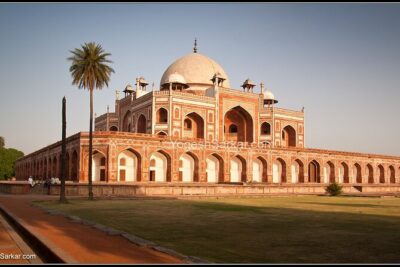
Browse the lists this tour appears in