
Reviewed · GOLDEN TRIANGLE TOURS
From Delhi: 4-Day Private Golden Triangle Tour India
The Taj Mahal is the star, but this four-day private route gives you far more than a quick Agra visit. You move from Delhi’s Mughal streets to Jaipur’s royal courtyards, with Fatehpur Sikri and the Chand Baori stepwell adding two memorable stops between the big cities.
I like the private car, which saves you from managing India’s long road connections, and I like the choice of hotel arrangements. Guides such as Saif and MS are praised for clear explanations, good English, helpfulness, and even taking photographs. The main drawback is the pace: three major cities and several monuments in four days leave little room for slow mornings.
In This Review
- Key points to know before booking
- Why this four-day route works
- Day 1: Delhi to Agra and the Taj Mahal
- Day 2: Fatehpur Sikri and Chand Baori on the road to Jaipur
- Day 3: Amber Fort and Jaipur’s royal center
- Day 4: Old Delhi streets and New Delhi monuments
- Guides, cars, and the private format
- What the $58 price really covers
- Who should book this Golden Triangle tour
- FAQ
- Is the Taj Mahal open every day on this tour?
- Are hotel stays and breakfast included?
- Are monument entrance fees included?
- Where can pickup and drop-off take place?
- What languages are available for the guide?
- What happens when a monument is closed?
- Should you book it?
Key points to know before booking

- The Taj Mahal is visited in daylight, with the battery bus ride to and from the monument included.
- A private driver and guide keep the route flexible and remove much of the stress of arranging transport between cities.
- Fatehpur Sikri and Chand Baori add unusual stops that many shorter Golden Triangle trips skip.
- Jaipur’s main sights fit into one full sightseeing day, including Amber Fort, City Palace, Hawa Mahal, and Jantar Mantar.
- Old Delhi includes a rickshaw ride through Chandni Chowk, followed by New Delhi landmarks such as India Gate and Qutub Minar or Humayun’s Tomb.
- Entrance tickets and meals are extra, so your final cost will be higher than the advertised $58 per-person price.
Why this four-day route works
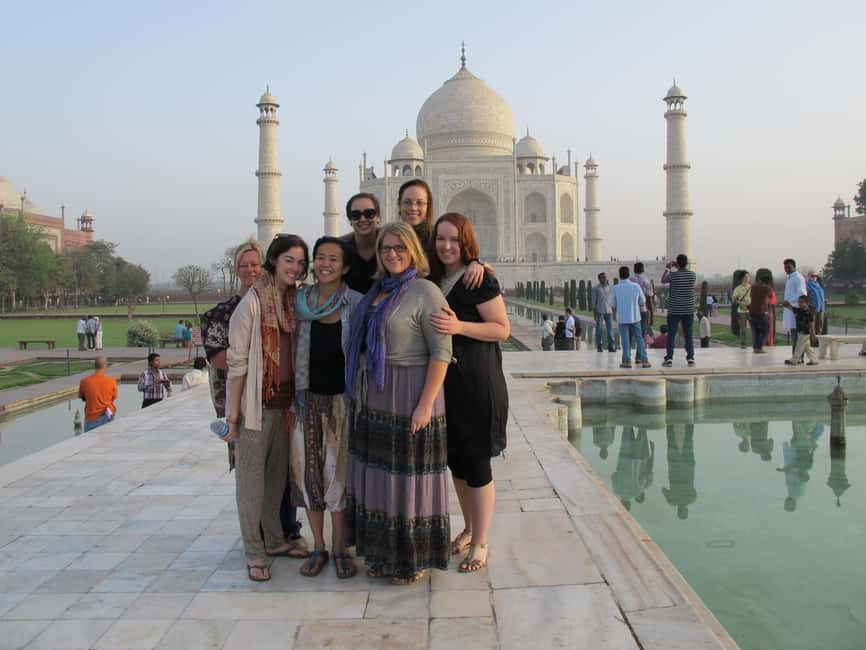
India’s Golden Triangle links Delhi, Agra, and Jaipur in a compact loop. The appeal is clear: you see Mughal monuments, imperial Delhi, Rajput palaces, grand gateways, and carefully planned city streets without arranging each leg yourself.
I like this version because it includes several major sights while keeping the experience private. You are not tied to a large coach group, and the guide can explain details at each monument instead of leaving you to read signs on your own. The private format also helps when you need a break, want to spend longer at one site, or need help finding an ATM.
The advertised price is $58 per person, but read the inclusions carefully. Transport, driver charges, tolls, bottled water, the Old Delhi rickshaw, and the Taj Mahal battery bus are included. Hotel rooms and breakfast depend on the option you choose, while monument entrance fees, food, and drinks are not included. That makes this look like strong value for transport and guiding, but you should budget separately for tickets and meals.
The trip suits you best if you want the main sights efficiently and prefer having the road logistics handled. It is less suitable if you want several free afternoons, long museum visits, or time to wander without a schedule.
More Golden Triangle itineraries from New Delhi:
- 3-Days Private Golden Triangle Tour: Delhi, Agra & Jaipur by Car
★ 5.0 · 1,107 reviews - 3-Days Private Golden Triangle Tour: Delhi, Agra & Jaipur by Car
★ 5.0 · 1,098 reviews - 3-Day Delhi, Agra and Jaipur Private Tour – India Golden Triangle
★ 5.0 · 812 reviews
Day 1: Delhi to Agra and the Taj Mahal
Your pickup can begin at a hotel or airport in Delhi, Gurugram, Noida, Greater Noida, Ghaziabad, or Faridabad. At Delhi Airport, the driver meets you at Terminal 3, Exit Gate 4, holding a sign with your name. Give your flight details when you book so the pickup is properly arranged.
The private air-conditioned car is one of the tour’s practical strengths. For one or two people, the vehicle is a three-seat sedan such as a Toyota Etios. Groups of three to five use a six-seat wagon such as a Toyota Innova, while six to ten people travel in a Tempo Traveler. These vehicle categories matter because road time can feel very different in a cramped car compared with a roomier one.
Agra’s first major stop is the Taj Mahal. Seeing it in daylight lets you appreciate the white marble, changing light, and fine inlay work. The included battery bus carries you to the monument and back, which saves you from walking the full approach in the heat or dealing with local vehicle restrictions.
The Taj Mahal is closed on Fridays. If your dates include Friday, the route changes to Delhi, Jaipur, Agra, and Delhi. Check the weekday before you book, since the altered order affects the feel of the whole journey.
Your guide is especially useful here. The monument is visually overwhelming, but a good explanation gives the building a human and political context. Saif is specifically associated with strong English, clear explanations, and a firm grasp of the sites. You can also ask your guide to help with photographs, a service that MS has been praised for providing with humor and patience.
Agra Fort gives you a different view of Mughal power. The Taj Mahal is delicate and intimate, while the fort is defensive, imposing, and tied to the rulers who shaped Agra. You walk through grand spaces and see how royal life and military power shared the same complex.
The Baby Taj, formally Itimad-ud-Daulah, is smaller but highly detailed. Its marble surfaces and inlay work reward a close look. I like including it after the Taj Mahal because it gives you a quieter contrast and helps you notice decorative techniques that can be easy to miss at the larger monument.
You spend the night in Agra if the accommodation option is selected. Confirm exactly what type of room is included before arrival. Single, double, or twin rooms are offered by default, while three people usually share a room with a double bed and an extra bed. Separate rooms cost more.
Day 2: Fatehpur Sikri and Chand Baori on the road to Jaipur
After breakfast, the route leaves Agra for Jaipur, with two worthwhile stops along the way. This is a road day, so expect a full schedule rather than a relaxed transfer.
Fatehpur Sikri was built as a Mughal capital and later abandoned. Its courtyards and red sandstone buildings give you a strong sense of imperial planning, but the empty setting also adds a slightly haunting quality. The stop is valuable because it shows Mughal architecture outside the better-known monuments of Agra and Delhi.
Your guide can help you understand the purpose of the buildings and the scale of the former capital. Without context, it is easy to see only courtyards, arches, and carved details. With an explanation, you get a clearer picture of how the complex functioned and why it was eventually left behind.
The next stop is Chand Baori at Abhaneri. This stepwell is known for its strict geometric pattern and great depth. It is a striking change from the palaces and tombs elsewhere on the route. The repeated steps create strong visual lines, and the structure shows how practical water storage could also become an impressive work of design.
These stops are a major reason I prefer this itinerary to a simple Agra to Jaipur transfer. They break up the drive with places that feel different from the usual headline attractions. The tradeoff is time. You will spend part of the day getting between cities, and the schedule may feel tiring after the previous day’s Agra sightseeing.
By evening, you reach Jaipur. The city is often called the Pink City, and the next day brings its largest sights. A night in Jaipur gives you a needed pause before the return to Delhi.
Day 3: Amber Fort and Jaipur’s royal center
Jaipur’s sightseeing day begins with Amber Fort, set among hills outside the city center. The fort combines grand defensive walls with royal halls and detailed interiors. The setting matters as much as the buildings, since views from the complex show why this was such a commanding place for Jaipur’s rulers.
A private guide helps you read the fort in layers. You can focus on the architecture, ask about royal life, or simply take in the courtyards and views without worrying about finding the next entrance. Comfortable shoes are important, since the tour involves walking across monument grounds.
City Palace brings you back into Jaipur’s royal center. Its courtyards and decorated spaces show a different side of the city from Amber Fort. I like the contrast: Amber feels like a hill fortress, while City Palace connects royal ceremony with the planned urban center.
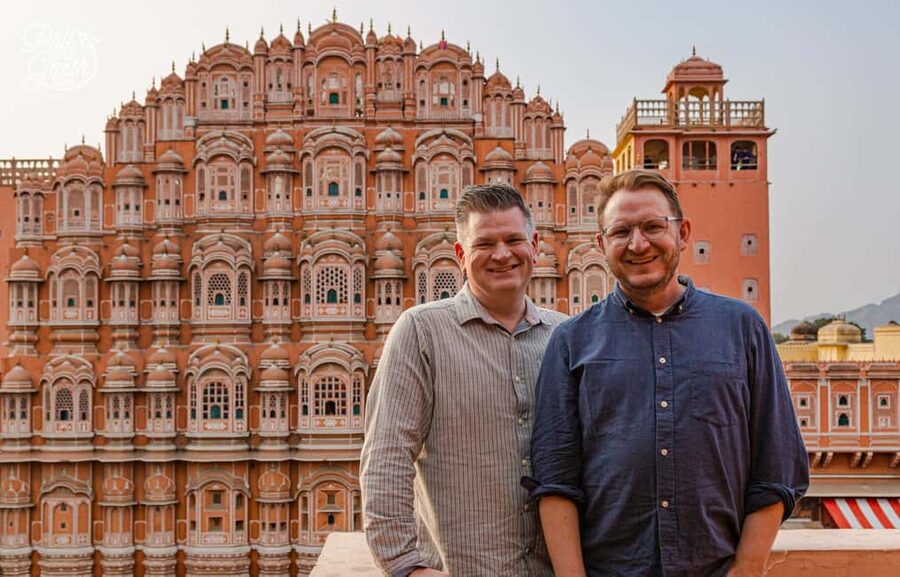
Hawa Mahal is one of Jaipur’s most recognizable façades. Its honeycomb front, known as the Palace of Winds, is best appreciated as part of the city rather than as a long interior visit. Your guide can point out the design and explain why the building is such a useful symbol of Jaipur.
Jantar Mantar changes the subject completely. This observatory is built around large instruments used to study the sky and measure time. The structures may look abstract at first, but they become much easier to understand with an explanation. It is a good stop for anyone who enjoys science, design, or the practical side of old cities.
You then drive back to Delhi for the night. This is the most demanding transfer in the itinerary. The advantage is that Delhi sightseeing remains together on Day 4, but the return journey after a full Jaipur day can leave you tired. If you value a slower trip, consider adding extra nights beyond the four-day plan.
A few more New Delhi departures worth comparing
- 4 Days Golden Triangle Tour
★ 5.0 · 499 reviews - Private Luxury Delhi – Agra – Jaipur Golden Triangle Tour – 3 Nights 4 Days
★ 5.0 · 306 reviews - Private 4-Day Golden Triangle Tour with Ranthambore Tiger Safari
★ 5.0 · 248 reviews - From Delhi: Private 4-Day Golden Triangle Luxury Tour
★ 4.8 · 226 reviews
Day 4: Old Delhi streets and New Delhi monuments

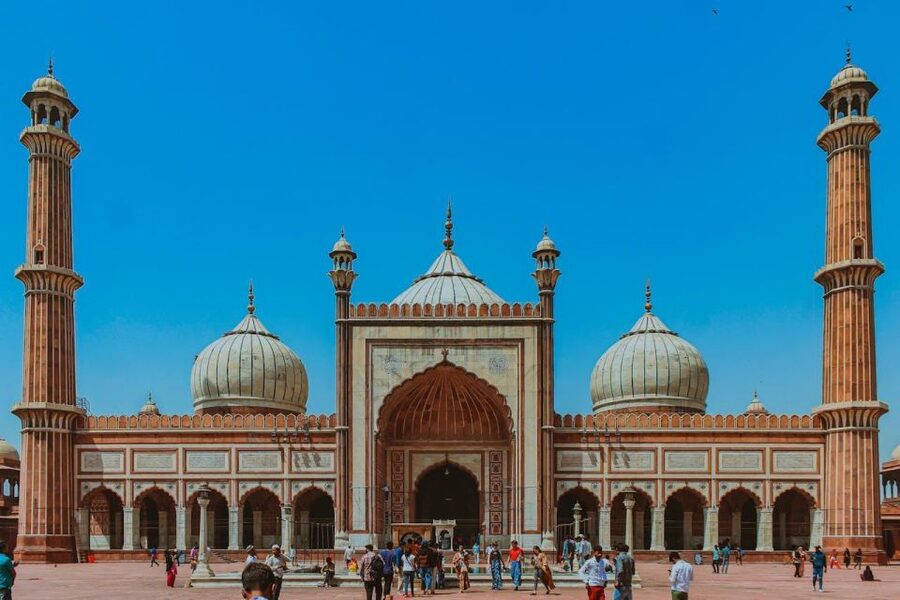
The final day shows the sharp contrast between Old Delhi and New Delhi. At Jama Masjid, you see one of the capital’s major historic mosques and begin the day with a monument tied to the old Mughal city.
The rickshaw ride through Chandni Chowk is a useful inclusion. The narrow lanes and crowded market streets are difficult to cover comfortably by private car, and a rickshaw gives you a closer look at the area. This is not a quiet sightseeing ride, so keep your belongings secure and expect plenty of movement around you.
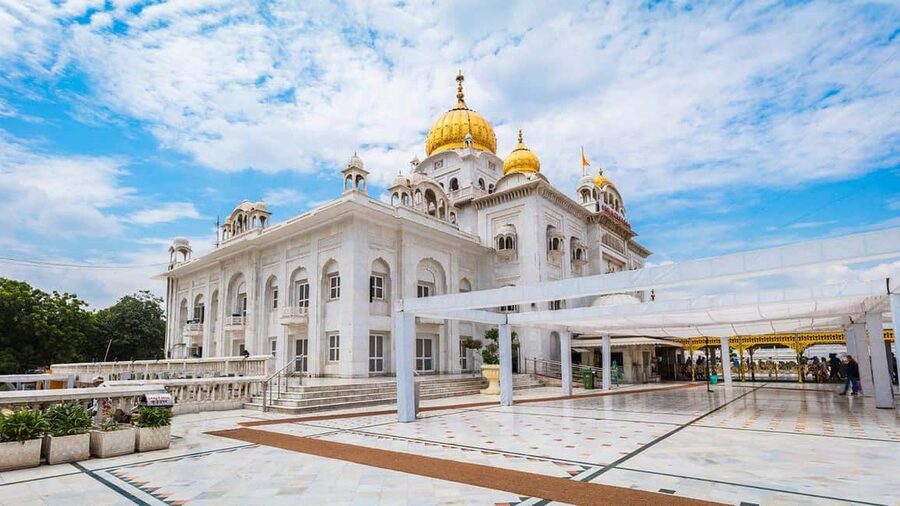
You get views of the Red Fort, another major Mughal landmark. Red Fort is closed on Mondays. On that day, the route substitutes Gurudwara Bangla Sahib, so check your date if this monument is high on your list.
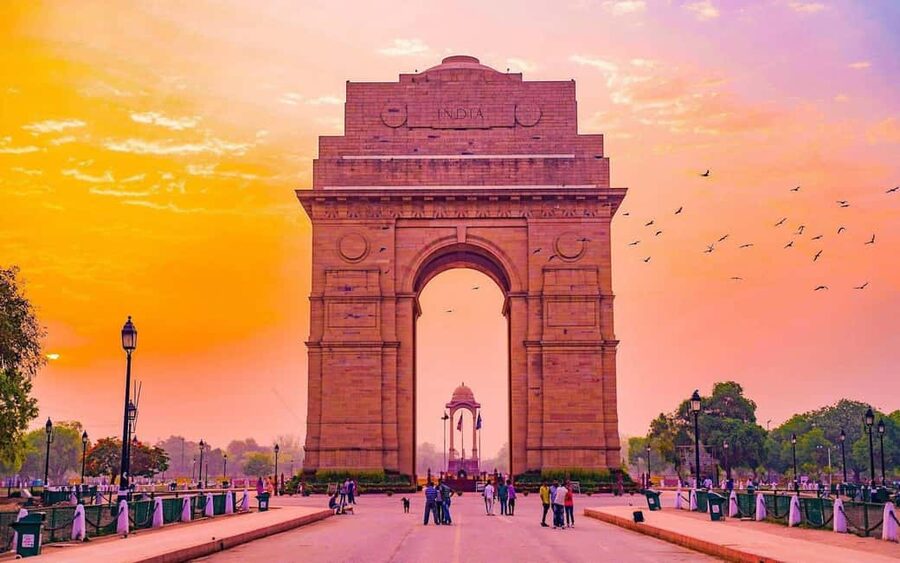
New Delhi offers a very different mood. India Gate and Rashtrapati Bhavan reflect the formal, planned side of the capital. The Lotus Temple adds a calm architectural stop, though it is closed on Mondays. If it cannot be visited, the route includes Gurudwara Bangla Sahib instead.
The last major sight is either Qutub Minar or Humayun’s Tomb. Both are strong choices, but they offer different experiences. Qutub Minar gives you a tall, detailed historic landmark, while Humayun’s Tomb offers a grand tomb complex with broad gardens and Mughal design. The final choice may depend on the schedule and the day’s route.
The tour ends with drop-off at your Delhi hotel or airport. If you are flying out, leave enough time between the tour’s expected end and your flight. The supplied details do not promise a fixed finishing hour, and Delhi traffic can affect road journeys.
Guides, cars, and the private format
The guide quality can shape this trip more than almost anything else. Saif is praised for excellent English, strong explanations, and a helpful approach at Agra’s major sites. MS is noted for explaining places clearly, taking good photographs, and keeping the experience friendly and generous. Hari, one of the named drivers, is praised for hospitality and for sharing information about both India’s past and present.
That does not mean you should assume you will receive a particular guide. Ask at booking if a preferred guide is important to you, especially if language or specialist knowledge matters.
The private setup gives you a guide at all sites, rather than one guide for only one city. You also avoid arranging separate taxis, intercity buses, and local transfers. For a first visit to North India, that convenience has real value.
The pace remains brisk. A private car gives you control, but it does not shorten the distance between Delhi, Agra, and Jaipur. I would choose this format for a focused first visit, not for a slow cultural stay.
What the $58 price really covers
At $58 per person, the tour can be a very good transport and organization deal, particularly for a private group. The included driver, air-conditioned vehicle, tolls, taxes, bottled water, site guides, rickshaw, and Taj Mahal battery bus cover several costs that can add up when arranged independently.
The price needs careful interpretation because accommodation and breakfast are included only if you select that option. Entrance fees are always extra, and so are meals and drinks. Carry cash in Indian rupees because some monuments do not accept cards. Guides can help you find an ATM, but it is better not to arrive at a ticket counter without cash.
A gala dinner surcharge applies from December 24 through January 4, including Christmas Eve and New Year’s Eve. Room arrangements also affect the total. Three people normally share a triple room, while separate rooms require an extra charge.
You can cancel up to 24 hours in advance for a full refund, and the reserve now, pay later option helps if your India plans are still changing. Wheelchair access is available, though you should confirm the practical details for individual monuments before departure.
Who should book this Golden Triangle tour

I would recommend this trip to first-time visitors who want Delhi, Agra, and Jaipur in one organized package. It is also a good match for families and small groups that value a private car, hotel pickup, and a guide who can handle the daily details.
The route works well if you want the Taj Mahal, the major Jaipur sights, and Delhi’s best-known historic landmarks without spending a week arranging transport. The extra stops at Fatehpur Sikri and Chand Baori make the long transfer days more worthwhile.
I would hesitate if you dislike early starts, long drives, or tightly packed sightseeing. Four days is enough for the highlights, but not enough for a deep stay in any one city. You should also compare the total cost after adding entrance tickets, meals, and any hotel upgrade.
FAQ
Is the Taj Mahal open every day on this tour?
The Taj Mahal is closed on Fridays. If your tour falls on a Friday, the route changes to Delhi, Jaipur, Agra, and Delhi.
Are hotel stays and breakfast included?
Three nights of accommodation and daily breakfast are included only if you select the relevant option when booking. Room arrangements are usually single, double, or twin sharing. Three people normally receive a triple room with a double bed and an extra bed.
Are monument entrance fees included?
No. Entrance fees are not included, and some monuments do not accept cards. Carry cash in Indian rupees for tickets.
Where can pickup and drop-off take place?
Pickup and drop-off are available at hotels and airports in Delhi, Gurugram, Noida, Greater Noida, Ghaziabad, and Faridabad. At Delhi Airport, the driver meets arrivals at Terminal 3, Exit Gate 4, with a sign showing your name.
What languages are available for the guide?
Guides are available in English, French, Russian, Spanish, Japanese, and German.
What happens when a monument is closed?
The Red Fort and Lotus Temple are closed on Mondays, and Gurudwara Bangla Sahib is visited instead. The Taj Mahal is closed on Fridays, so the entire route changes order on those dates.
Should you book it?
Book this tour if you want a well-organized first look at India’s Golden Triangle, with a private car, site guides, and several important monuments covered in four days. The strongest reasons are the practical transport, the inclusion of Fatehpur Sikri and Chand Baori, and the helpful guide service associated with Saif, MS, and other named staff.
Skip it if you want plenty of free time or dislike long road transfers. Before paying, check the weekday closures, choose the hotel option carefully, confirm your pickup details, and set aside cash for admission fees. With those points understood, the $58 starting price offers a useful way to see a great deal of North India without managing every connection yourself.
Just added around New Delhi
- Delhi: All-Inclusive Full or Half Day Tour With Hotel Pickup★ 5.0 · 3 reviews
- From Delhi : All Inclusive Taj Mahal Tour by Gatimaan Express★ 5.0 · 3 reviews
- Skip the line: Taj Mahal Agra Private Day Trip From Delhi By Car★ 5.0 · 3 reviews
- Delhi: Old and New Delhi One Day Private Guided City Tour★ 5.0 · 3 reviews
- New Delhi Night City Tour★ 5.0 · 3 reviews
- Old Delhi Half day private city tour★ 5.0 · 3 reviews
- A full-day tour of Old & New Delhi Monument Express Entry★ 5.0 · 3 reviews
- Sultanpur Bird Sanctuary Tour Near Delhi★ 5.0 · 3 reviews
Golden Triangle Tours, compared.
3-Days Private Golden Triangle Tour: Delhi, Agra & Jaipur by Car
Read our review →3-Days Private Golden Triangle Tour: Delhi, Agra & Jaipur by Car
Read our review →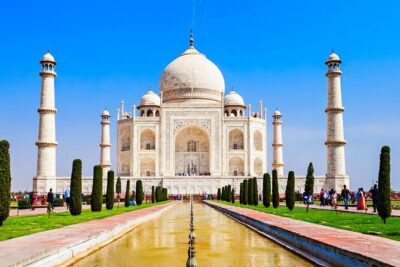
3-Day Delhi, Agra and Jaipur Private Tour – India Golden Triangle
Read our review →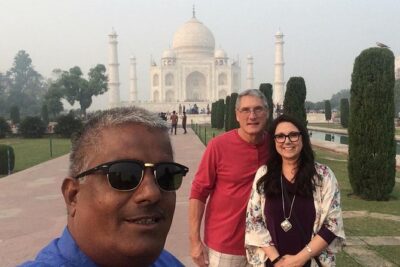
Four-Day Private Luxury Golden Triangle Tour to Agra and Jaipur From New Delhi
Read our review →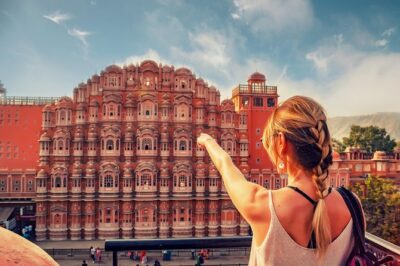
Jaipur Day Trip from Delhi by Car or Train – All Inclusive
Read our review →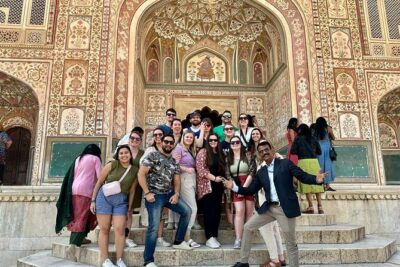
Jaipur City Private Day Tour from Delhi by Car – All Inclusive
Read our review →
5 Nights 6 Days Private Golden Triangle Tour – Delhi Agra Jaipur
Read our review →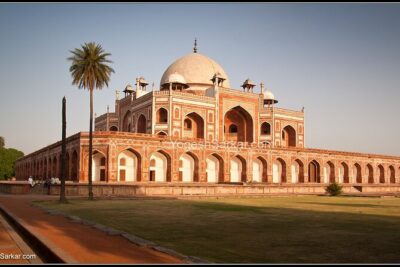
Browse the lists this tour appears in