
Reviewed · GOLDEN TRIANGLE TOURS
From Delhi: Private 4-Day Golden Triangle Luxury Tour
The sunrise visit to the Taj Mahal is the heart of this four-day trip. You enter before the main crowds, then continue through Agra and Jaipur with your own car, driver, and local guide. I like the private format and the chance to adjust the sightseeing. The main drawback is the pace: long drives and three major cities in four days leave little room for wandering.
I also like the care shown by drivers such as Monu, Rajesh, Ramesh, and Paramjeet, who have helped people feel calm on India’s busy roads. The second strong point is the choice of four-star or five-star hotels, useful after hot, crowded monument visits. Just confirm the hotel location and room setup before booking, since some Jaipur properties may sit well outside the center and triple-sharing rooms are standard for three people.
In This Review
- Key points at a glance
- Why this Golden Triangle route works
- Day 1: Delhi sights before the expressway to Agra
- Day 2: The Taj Mahal at sunrise, then Mughal Agra
- Hotel choices and what luxury means here
- Day 3: Jaipur’s forts, stepwells, and royal center
- Day 4: Returning to Delhi without a sightseeing scramble
- The driver is a major part of the experience
- Guides, shopping, and keeping control of your day
- Is $145 per person a good value?
- Who should book this four-day tour?
- Should you book it?
- FAQ
- Where does pickup take place?
- Where can I be dropped off on the final day?
- What happens if the tour starts on Thursday?
- Is the tour private?
- Which languages can the guides speak?
- What vehicles are used?
- Are hotels included?
- How are rooms arranged for three people?
- What should I bring?
Key points at a glance
- Taj Mahal before breakfast: Enter Agra’s great monument at sunrise, then return to the hotel for breakfast.
- A private car for the full route: Use a sedan, wagon, or minivan based on your group size, with pickup in Delhi, Noida, or Gurugram.
- Three cities, one efficient loop: Cover Delhi, Agra, and Jaipur without handling India’s traffic yourself.
- Flexible sightseeing: Ask in advance for extra stops, shopping, food experiences, or changes to the daily plan.
- Two hotel levels: Choose four-star properties such as Royale Sarovar Portico and Fern Residency, or five-star options such as Jaypee Palace, Hilton, or Holiday Inn.
- A useful Thursday adjustment: If you start on Thursday, the route changes to Delhi, Jaipur, Agra, and Delhi because the Taj Mahal closes on Fridays.
Why this Golden Triangle route works
India’s Golden Triangle links Delhi, Agra, and Jaipur in a compact circuit. Each city has a different feel and a different visual language. Delhi gives you imperial avenues, ancient towers, religious buildings, and old stepwells. Agra offers the Taj Mahal and Mughal monuments. Jaipur brings sandstone forts, royal palaces, painted facades, and hilltop views.
Four days is enough to see the main sights, but it is not a slow holiday. You spend substantial time in the car, especially on the Agra to Jaipur leg, which takes about five hours, and on the final return to Delhi. I would choose this trip if you want a well-managed first look at northern India rather than long stays in each city.
The private setup makes a real difference. You are not tied to a large coach group or a fixed meal schedule. Your driver stays with you for the route, while a different local guide meets you in each city. Guides have been provided in English, Spanish, French, Russian, and German, so request your preferred language when booking.
More Golden Triangle itineraries from New Delhi:
- 3-Days Private Golden Triangle Tour: Delhi, Agra & Jaipur by Car
★ 5.0 · 1,107 reviews - 3-Days Private Golden Triangle Tour: Delhi, Agra & Jaipur by Car
★ 5.0 · 1,098 reviews - 3-Day Delhi, Agra and Jaipur Private Tour – India Golden Triangle
★ 5.0 · 812 reviews
Day 1: Delhi sights before the expressway to Agra
Pickup is available from a hotel, airport, railway station, or another requested location in Delhi, Noida, or Gurugram. That makes this a practical choice if India is one stop on a wider trip, especially if you land in Delhi and want the sightseeing to begin at once.
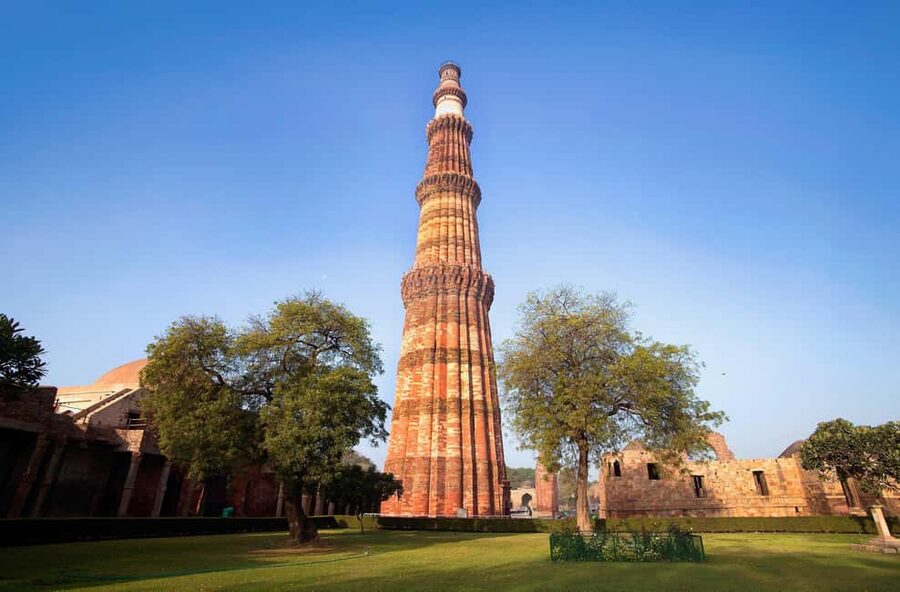
The Delhi portion is a half-day city-center tour. You visit Qutub Minar, the tall historic tower associated with Qutub-ud-din Aibek. The site gives you an early look at Delhi’s layered past, with carved stonework and a large complex around the tower.
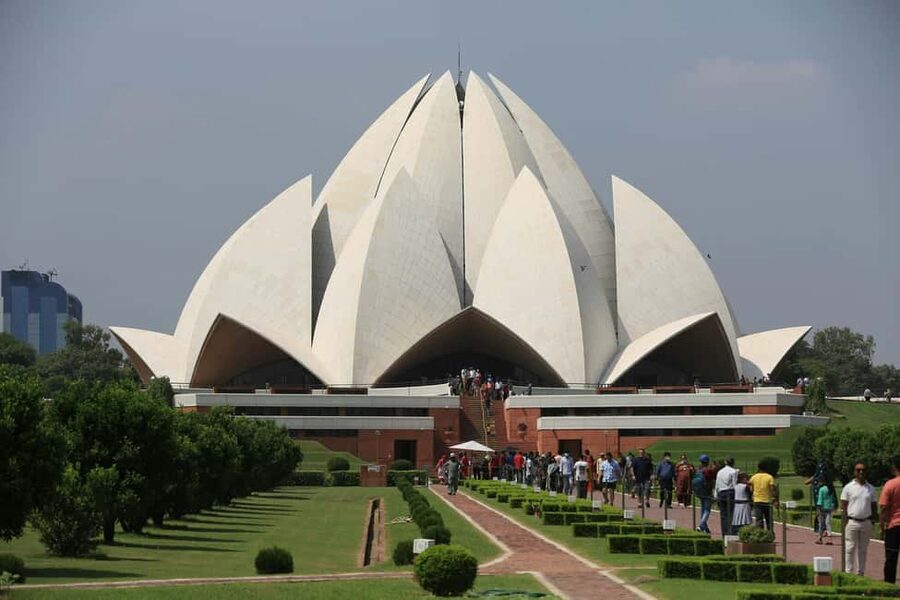
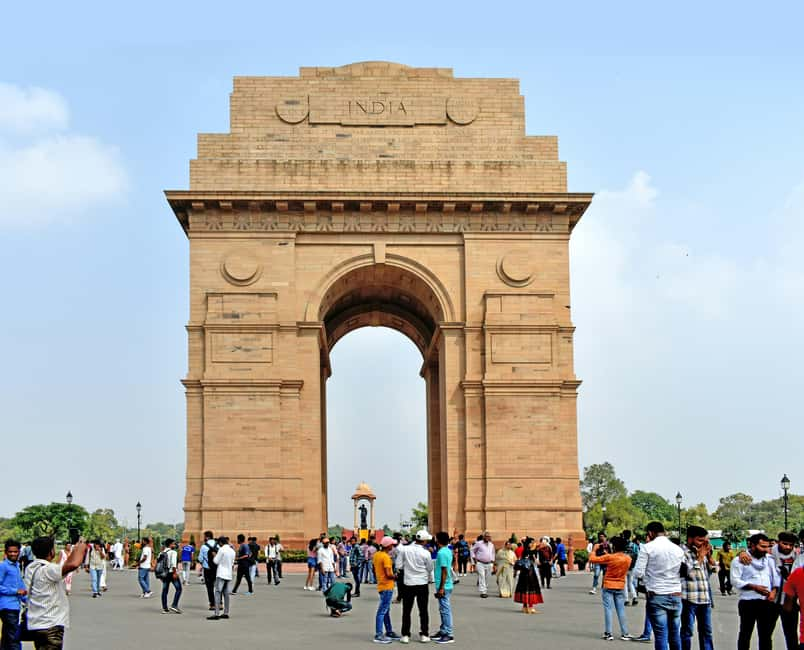
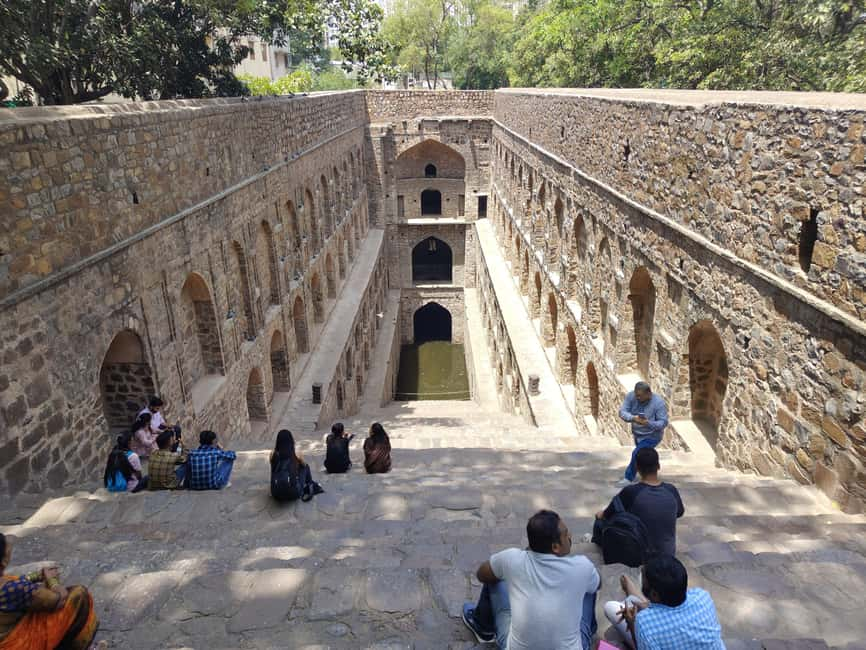
You also see the Lotus Temple, a modern Bahai place of worship known for its petal-shaped design. India Gate offers a more formal view of New Delhi, while Agrasen Ki Baoli gives you something smaller and more atmospheric: a historic stepwell with long, symmetrical staircases descending into the earth.
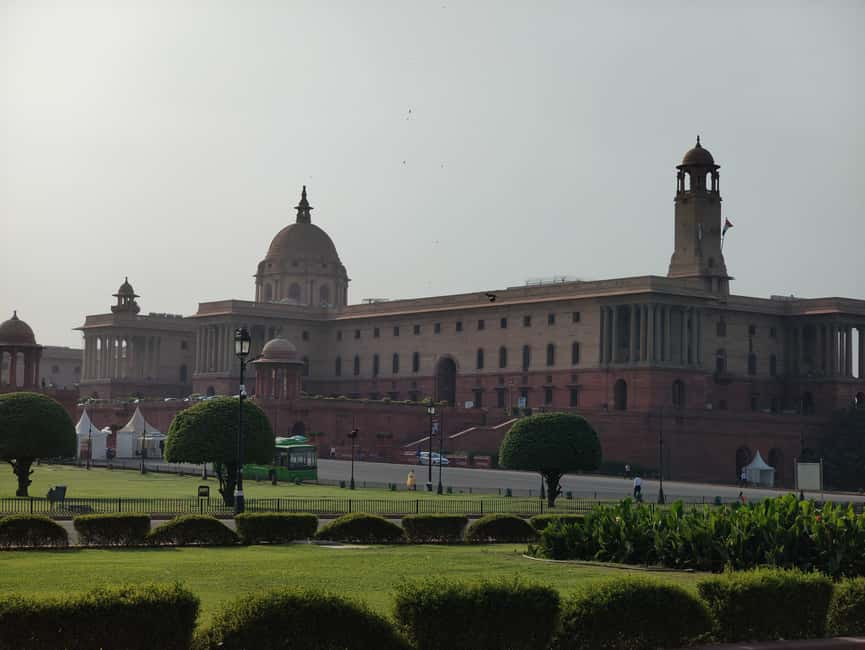
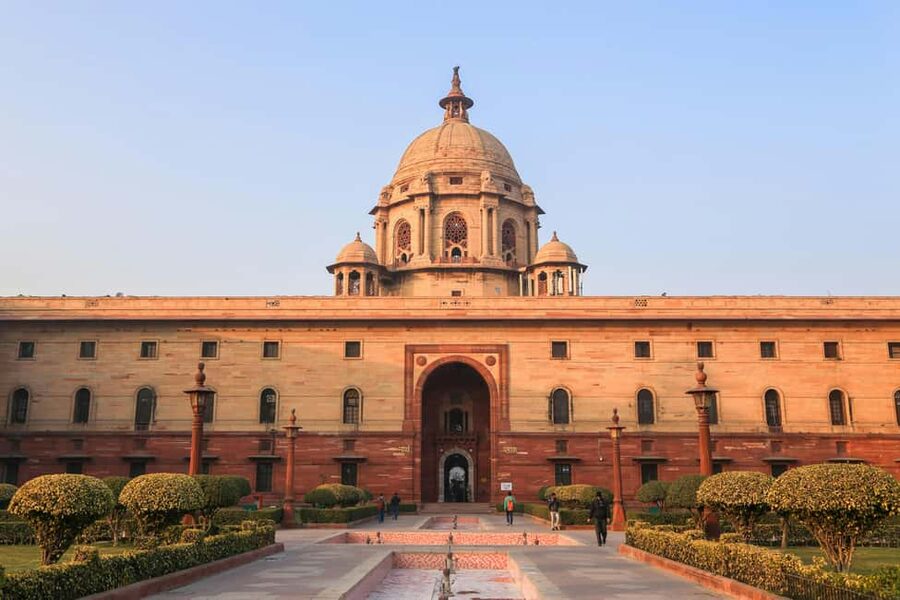
The drive past Parliament House and the President’s Palace helps explain the layout of New Delhi. Broad avenues and government buildings contrast sharply with the older parts of the city. Delhi can be intense, and this private arrangement lets you step out of the traffic, see a site, and return to an air-conditioned car.
After the Delhi visit, you take the expressway to Agra. The drive is listed at about three and a half hours, although traffic and road conditions can affect the timing. On arrival, you check into your hotel and have time to rest.
One practical caution comes from the Delhi schedule. The stated visits focus on central highlights, but the city has far more major sights than can fit into half a day. If you want a particular stop, such as an additional monument or market, ask before departure. The tour is flexible, but a clear request is better than hoping a stop will appear on the day.
Day 2: The Taj Mahal at sunrise, then Mughal Agra
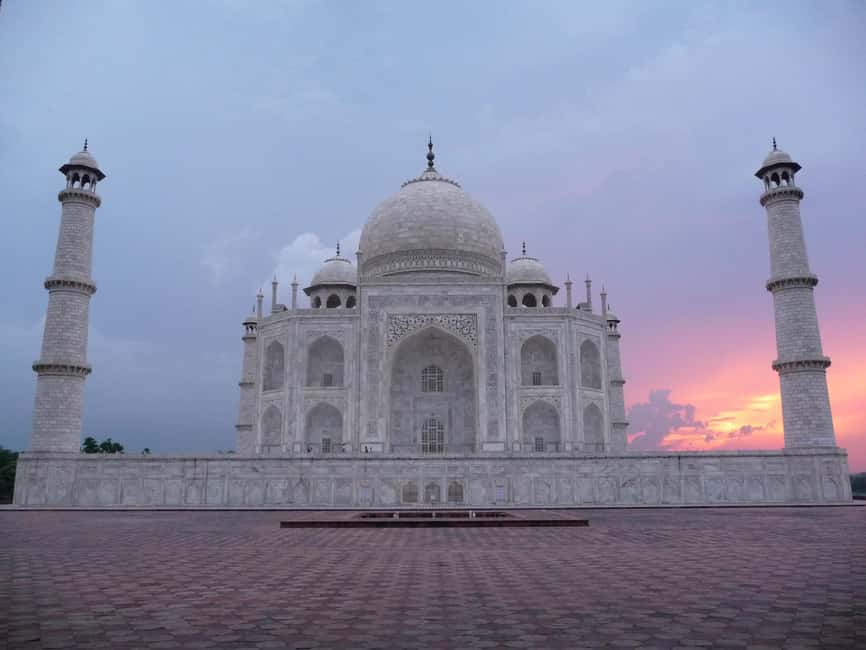
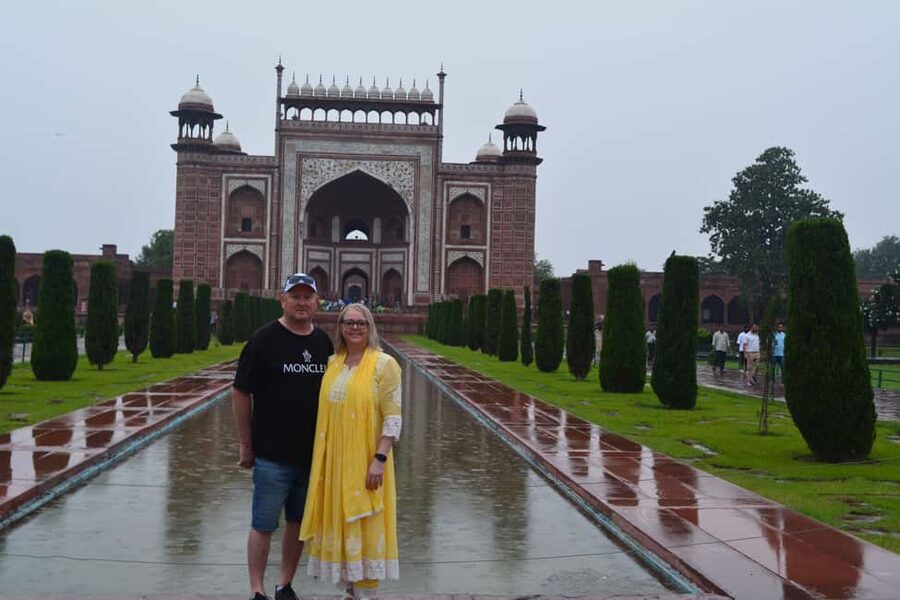
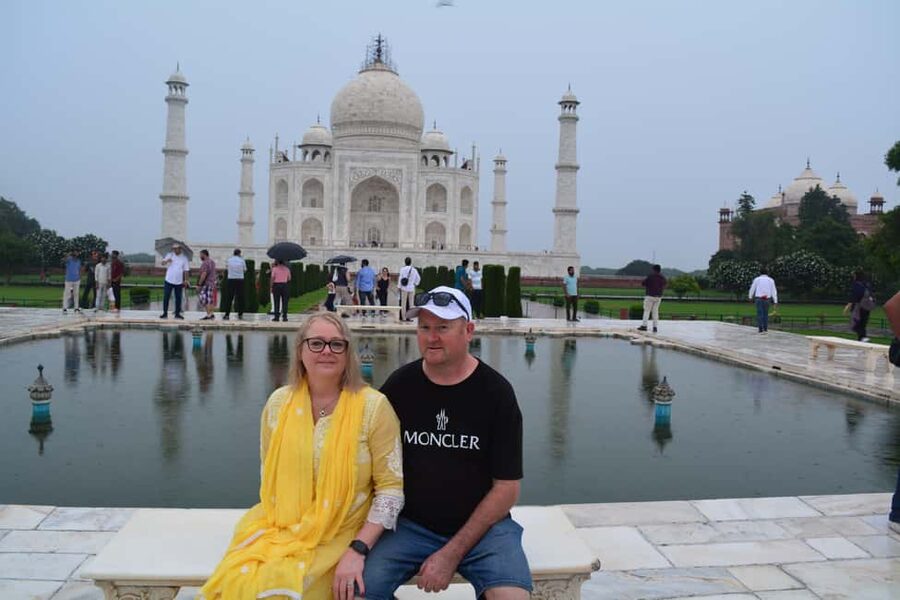
An early start brings you to the Taj Mahal for sunrise. This is the smartest timing of the whole route. The light changes quickly across the white marble, and an early entry helps you see the mausoleum before the busiest period.
You spend about two hours with a guide at the Taj Mahal. The guide can help with the entrance process and monument tickets, while you focus on the building, the gardens, and the changing views across the complex. Bring your passport, as it is listed among the required items for the activity.
After the Taj Mahal, return to the hotel for breakfast. That order matters. You see the monument when it is cooler and quieter, then eat before continuing with the day.
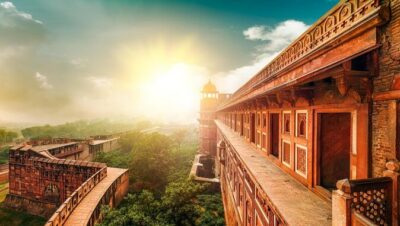
Agra Fort is next. Its massive walls and royal courtyards show the military and courtly side of Mughal power. The Taj Mahal is delicate and symmetrical; Agra Fort is defensive, broad, and imposing. Seeing both gives you a better sense of the city than visiting the Taj alone.
The final Agra stop is the Tomb of Itimad-ud-Daulah, often called the Baby Taj. It is smaller than the Taj Mahal, but its detailed decoration makes it an important companion visit. I would keep it in the plan because it gives you another view of Mughal design without repeating the scale of the morning.
Then comes the longest transfer, about five hours from Agra to Jaipur. This is where the trip feels most like a highlights tour rather than a leisurely holiday. Your private car gives you control over stops and rest breaks, but you should still expect a full day.
Some monument ticket offices may not accept credit cards. Carry cash, or ask the driver to help you find an ATM. Guides can assist with ticket purchases, but entrance fees should be checked carefully against your booking because the supplied details do not specify exactly which tickets are included.
Hotel choices and what luxury means here
The four-star option lists Royale Sarovar Portico Agra, or a similar property, and Fern Residency Jaipur, or a similar property. The five-star option lists Jaypee Palace or Courtyard by Marriott in Agra, and Holiday Inn City Center or Hilton in Jaipur, with similar hotels possible.
The hotel upgrade is not just about a nicer lobby. After an early Taj Mahal start, hours of walking, and a long road transfer, a comfortable room and good facilities can make the next morning much easier. Several people have found the five-star hotels especially worthwhile, and the five-star choices in Agra received particularly warm praise.
Still, hotel quality and location are separate issues. One booking used an excellent property that was about 45 minutes outside Jaipur, which reduced evening access to the city. Ask for the exact hotel name and location before you commit, especially if you want to eat independently or walk around after the guided sightseeing.
Room arrangements also deserve attention. Two people generally receive a twin-sharing room. Three people normally receive a triple-sharing setup, and two rooms require an extra cash payment. If you are three adults, settle this point before arrival. One large bed or a crowded room can spoil an otherwise polished trip.
A few more New Delhi departures worth comparing
- 4 Days Golden Triangle Tour
★ 5.0 · 499 reviews - Private Luxury Delhi – Agra – Jaipur Golden Triangle Tour – 3 Nights 4 Days
★ 5.0 · 306 reviews - Private 4-Day Golden Triangle Tour with Ranthambore Tiger Safari
★ 5.0 · 248 reviews - Private Golden Triangle Tour 3 Night/4 Days – All Inclusive
★ 5.0 · 185 reviews
Day 3: Jaipur’s forts, stepwells, and royal center
Jaipur’s sightseeing begins at Amber Fort, outside the main center. Set on the hills, the fort offers grand courtyards, decorated halls, and broad views. It is one of the day’s major stops, so wear shoes that work on uneven ground and steps.
Before the fort, you stop at Panna Meena ka Kund. This ancient stepwell is known for its geometric staircases, which create one of the most memorable patterns of the trip. It is a shorter visit than Amber Fort, but it adds a quieter and more local-feeling pause to the morning.
Jal Mahal follows. The palace sits in the middle of a lake, so you mainly appreciate it from the shore. It is a quick photo stop rather than a full palace visit, but the setting breaks up the larger monument schedule.
Gatore ki Chhatriyan is another worthwhile addition. Its carved cenotaphs are more intimate than Jaipur’s famous forts and palaces, with stone details that reward a slower look. If you enjoy architecture and photography, tell your guide that you want time here rather than rushing through it.
In the city center, Hawa Mahal, the Palace of the Winds, gives Jaipur its most recognizable facade. The honeycomb-like front was designed with screened windows, and the building is best understood as part of the old city street rather than as a free-standing palace experience.
You then visit Jantar Mantar, an astronomical observatory filled with large stone instruments. It is easy to skim past the purpose of these structures, so ask your guide to explain how the instruments were used. The nearby City Palace completes the royal theme with courtyards, gateways, and palace collections.
Jaipur is the day with the most stops, and that can make it feel crowded with sights. Several guides, including Manoj, Mukesh, Harsh, and Jogy, have been praised for giving time for photographs and adapting the route. I would still tell your guide which places matter most. You may prefer fewer stops with more time instead of collecting every monument.
The itinerary can also include personal interests. Past arrangements have included shopping, a food tour, and a cooking class with a guide’s family. These additions must be discussed in advance or directly with the local team, and you should be clear about how much time you want to spend in shops.
Day 4: Returning to Delhi without a sightseeing scramble
After breakfast, you drive back to Delhi. Drop-off is available at an airport, railway station, or hotel, which is helpful if you are continuing to another part of India or catching an evening flight.
The return drive is not given a fixed duration, so leave a generous buffer before any flight or train. One useful example involved keeping the car and driver longer on the final day so the group could shop in Jaipur before an evening departure. That kind of flexibility is valuable, but confirm it ahead of time.
If your start date is Thursday, the order changes. You go from Delhi to Jaipur first, then Agra, and return to Delhi, because the Taj Mahal is closed every Friday. This is not a minor detail. Check the calendar before booking so the sunrise visit remains possible.
The driver is a major part of the experience
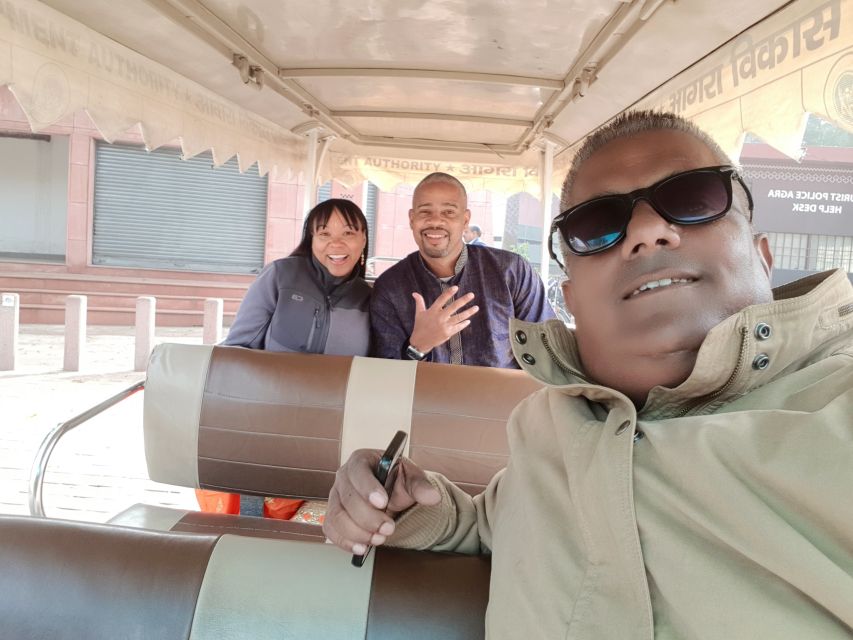
India’s roads can feel overwhelming if you are used to driving in Europe, Australia, or North America. A private driver removes the need to manage traffic, directions, parking, and intercity navigation.
The strongest pattern in the feedback is the quality of the drivers. Names repeatedly praised include Rajesh, Monu, Rajeev, Ramesh, Subhash Kapoor, Jarnail, Ravi, Lucky, and Paramjeet. Their role goes beyond steering the car. They have helped with timing, water, shopping requests, restaurant suggestions, and practical questions along the road.
Cars are assigned by group size:
- A four-seat sedan for one or two people
- A six-seat wagon for three or four people
- A ten-seat minivan for five to ten people
For one or two people, a sedan should be adequate, but you will spend many hours inside it. If you have a larger group, ask about the exact vehicle and luggage space. One booking noted that more car choices would have been useful for people seeking extra room.
The vehicles are described as clean and comfortable, with cold water provided in at least some cases. Sun protection and comfortable walking shoes remain essential. The monuments involve outdoor walking, steps, and exposed courtyards, and the Indian heat can make a full sightseeing day tiring.
Guides, shopping, and keeping control of your day
You meet a different local guide in Delhi, Agra, and Jaipur. This is useful because each guide knows the local monuments and can explain details that a driver cannot. Delhi guides such as Jai and Atje received praise for clear explanations and for handling questions well. In Agra, Ashish, Ajay, Roopesh Kumar, and Ashiya were singled out for friendly and thoughtful guiding. Jaipur guides such as Manoj, Mukesh, Harsh, and Jogy have helped with photos, timing, and extra stops.
The quality can vary from one city to the next. That is normal with a multi-city arrangement, but it means you should speak up if you want more history, less shopping, or a slower pace.
Shopping needs special care. Jaipur guides may take you to workshops or factories described as places to see a craft process. These can also function as sales stops, with persistent pressure to buy. You are free to decline, but set expectations early. Say clearly that you want monuments prioritized, or agree on a short shopping visit with no purchase obligation.
The private format is at its best when you use it actively. Tell the guide if you want more time for photographs, a market stop, a temple, or a meal. The company has also handled requests through WhatsApp, which can make changes easier while you are on the road.
Is $145 per person a good value?
The advertised price of $145 per person is attractive for a private four-day route, but you need to check which hotel category and inclusions apply to your selected option. The price can represent very different value depending on whether you choose the four-star package, five-star package, or an option that excludes hotel bookings.
You are paying for a private vehicle, driver, local guides, intercity transfers, hotel accommodation if selected, and the convenience of having one company coordinate the route. Organizing the same sequence yourself can take more time, and hiring separate cars between Delhi, Agra, and Jaipur may not produce a smoother trip.
The price is less compelling if you dislike long road transfers or prefer to spend several days in one city. You are also paying for convenience rather than complete independence. Shopping stops, guide changes, and a tight sightseeing schedule may not suit you unless you communicate your preferences.
I consider the trip good value for a first visit, especially for couples, families, or small groups who want private transport and hotels without arranging every detail. The five-star option can make sense after comparing the total cost of separate hotels and transfers, but ask about exact properties before paying.
Who should book this four-day tour?
I would choose this tour if you have limited time and want the classic Delhi, Agra, and Jaipur route handled by a local team. It suits first-time visitors who do not want to drive, families who need a private schedule, and small groups who value hotel comfort.
It is also a good fit if you want help in a language other than English. Spanish, French, Russian, and German guides are available, subject to confirmation.
I would think twice if you want long museum visits, quiet mornings, independent meals, or several unscheduled hours in each city. For that style, add a day or two, or select a longer Golden Triangle trip that includes Ranthambore or extra Delhi time.
Should you book it?
Book this private Golden Triangle tour if your goal is to see the essential monuments safely and efficiently, with a reliable driver and hotel comfort between long sightseeing days. The Taj Mahal at sunrise, the private car, and the flexible route are the strongest reasons to choose it.
Before booking, confirm the hotel names and locations, ticket inclusions, room arrangement, vehicle size, and any shopping stops. If you start on Thursday, confirm the reversed route. With those details settled, this is a practical four-day introduction to northern India that gives you the big sights without asking you to manage the roads yourself.
FAQ
Where does pickup take place?
Pickup is available from a hotel, airport, railway station, or another requested location in Delhi, Noida, or Gurugram.
Where can I be dropped off on the final day?
You can be dropped at an airport, railway station, or hotel in Delhi.
What happens if the tour starts on Thursday?
The route changes to Delhi, Jaipur, Agra, and Delhi because the Taj Mahal is closed every Friday.
Is the tour private?
Yes. The experience is arranged for a private group rather than a shared coach group.
Which languages can the guides speak?
Guides are available in English, Spanish, French, Russian, and German.
What vehicles are used?
One or two people travel by four-seat sedan, three or four people by six-seat wagon, and five to ten people by ten-seat minivan.
Are hotels included?
You can select an option with hotel bookings or choose an option that does not include hotels. Four-star and five-star hotel categories are available.
How are rooms arranged for three people?
Rooms are generally provided on a triple-sharing basis for three people. If you want two rooms, an extra cash charge applies.
What should I bring?
Bring your passport, comfortable walking shoes, sun protection, and some cash for monument tickets or other places that may not accept credit cards.
Just added around New Delhi
- Delhi: All-Inclusive Full or Half Day Tour With Hotel Pickup★ 5.0 · 3 reviews
- From Delhi : All Inclusive Taj Mahal Tour by Gatimaan Express★ 5.0 · 3 reviews
- Skip the line: Taj Mahal Agra Private Day Trip From Delhi By Car★ 5.0 · 3 reviews
- Delhi: Old and New Delhi One Day Private Guided City Tour★ 5.0 · 3 reviews
- New Delhi Night City Tour★ 5.0 · 3 reviews
- Old Delhi Half day private city tour★ 5.0 · 3 reviews
- A full-day tour of Old & New Delhi Monument Express Entry★ 5.0 · 3 reviews
- Sultanpur Bird Sanctuary Tour Near Delhi★ 5.0 · 3 reviews
Golden Triangle Tours, compared.
3-Days Private Golden Triangle Tour: Delhi, Agra & Jaipur by Car
Read our review →3-Days Private Golden Triangle Tour: Delhi, Agra & Jaipur by Car
Read our review →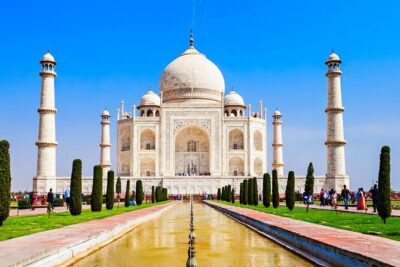
3-Day Delhi, Agra and Jaipur Private Tour – India Golden Triangle
Read our review →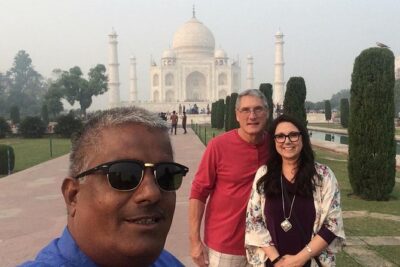
Four-Day Private Luxury Golden Triangle Tour to Agra and Jaipur From New Delhi
Read our review →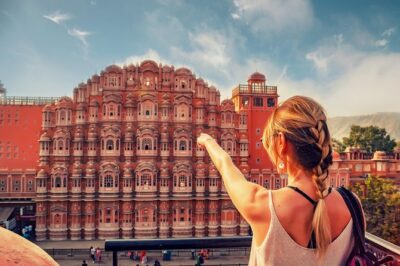
Jaipur Day Trip from Delhi by Car or Train – All Inclusive
Read our review →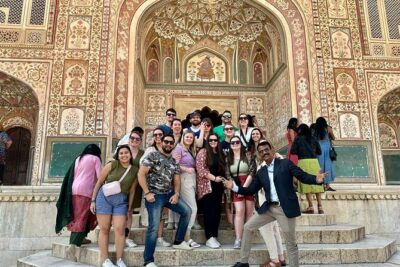
Jaipur City Private Day Tour from Delhi by Car – All Inclusive
Read our review →
5 Nights 6 Days Private Golden Triangle Tour – Delhi Agra Jaipur
Read our review →
Browse the lists this tour appears in