

Reviewed · GOLDEN TRIANGLE TOURS
Golden Triangle India Tour 4 Days
The Taj Mahal, Agra Fort, Fatehpur Sikri, and Jaipur’s Amber Fort make this a fast, powerful introduction to North India. You move in a private air-conditioned car, with airport or railway-station pickup, three nights of accommodation, and breakfast included.
I like the easy door-to-door setup, and I like that the vehicle and sightseeing are reserved for your own group rather than mixed with strangers. The main drawback is the pace: Delhi alone gets a long list of sights on day one, and Agra and Jaipur each deserve more time than this four-day schedule allows.
I also like the clear cost structure. At $375.67 per person, the package covers the car, driver’s allowances, fuel, tolls, parking, hotels, taxes, and three breakfasts. You still pay for monument entry, meals beyond breakfast, and personal expenses, so the final price will be higher.
In This Review
- Key points before you book
- A useful four-day introduction to India’s Golden Triangle
- Day one: Delhi’s mosques, tombs, and grand avenues
- Day two: Sikandra and the Taj Mahal in Agra
- Day three: Agra Fort, Fatehpur Sikri, and the road to Jaipur
- Day four: Amber Fort and Jaipur’s royal center
- What the private car adds to the trip
- What the $375.67 price really covers
- Who will enjoy this four-day route most
- Cancellation and booking details worth noting
- Should you book the Golden Triangle India Tour?
- FAQ
- How long is the Golden Triangle India Tour?
- Where does pickup take place?
- Is this a private tour?
- What major sights are included in Delhi?
- Is the Taj Mahal included?
- Which Agra sights are visited?
- What happens on the way from Agra to Jaipur?
- Are monument entrance fees included?
- What does the tour price include?
Key points before you book
- A private Delhi to Agra to Jaipur route: Your group travels together in a private air-conditioned vehicle rather than a shared coach.
- A full first day in Delhi: Jama Masjid, Red Fort, Raj Ghat, Humayun’s Tomb, Lotus Temple, Qutab Minar, and central government buildings are scheduled together.
- The Taj Mahal and Agra Fort: Day two gives you the major Agra landmarks, along with Sikandra, the tomb of Emperor Akbar.
- Fatehpur Sikri on the road to Jaipur: Buland Darwaza adds a major Mughal site between the two cities.
- Three-star hotels and three breakfasts: Accommodation is on a double-sharing basis, with a welcome drink on arrival.
- Good cancellation flexibility: You can receive a full refund if you cancel at least 24 hours before the start time.
A useful four-day introduction to India’s Golden Triangle
Delhi, Agra, and Jaipur form India’s most popular first-trip circuit for good reason. In four days, you see Mughal tombs, imperial mosques, British-era government buildings, Rajput palaces, observatories, and the world’s best-known monument to love.
This tour is best understood as a highlights trip, not a slow cultural stay. You spend much of the day visiting major sights, then use private road transport to connect the cities. That makes the route simple to manage, but it leaves little spare time for wandering, shopping, or rest.
The private format matters here. Your own group can stay together in the same car, and the driver handles toll roads, parking, fuel, and transfers. That removes much of the stress of arranging three cities on your own. It also means you should confirm exactly where the final drop-off will be, since the published information says the activity ends at the meeting point but does not spell out a specific final location.
More Golden Triangle itineraries from New Delhi:
- 3-Days Private Golden Triangle Tour: Delhi, Agra & Jaipur by Car
★ 5.0 · 1,107 reviews - 3-Days Private Golden Triangle Tour: Delhi, Agra & Jaipur by Car
★ 5.0 · 1,098 reviews - 3-Day Delhi, Agra and Jaipur Private Tour – India Golden Triangle
★ 5.0 · 812 reviews
Day one: Delhi’s mosques, tombs, and grand avenues
Pickup begins at 9:00 a.m. from Delhi Airport or a railway station, with assistance on arrival and a transfer to the hotel after sightseeing. The day then covers a striking range of Delhi landmarks, so expect a busy schedule rather than a gentle arrival day.
Jama Masjid introduces you to the old city and Mughal religious architecture. The nearby Red Fort offers another look at imperial Delhi, although both sites can feel demanding in the heat and crowds. Modest clothing and comfortable footwear will make this part of the day easier, but the tour information does not specify any clothing rules or guide arrangements.
Raj Ghat provides a quieter change of pace. It commemorates Mahatma Gandhi and gives the packed sightseeing day a simple, reflective pause.
Humayun’s Tomb is one of the most important stops on the route. Its formal gardens and grand red sandstone design help you understand the architectural ideas that later reached their most famous expression at the Taj Mahal. If you have never visited Delhi before, this is one of the stops where a guide can add useful context, so confirm whether a local guide is included or arranged separately.
The Lotus Temple, associated with the Bahai faith, changes the visual rhythm again. Its modern flower-like form is very different from the Mughal monuments earlier in the day.
Qutab Minar closes the historic part of the route. The tall minaret and surrounding ruins are among Delhi’s most celebrated sights, and the complex rewards a little time to look beyond the tower itself.
You also pass or stop for views of Rashtrapati Bhawan and Parliament House, then visit Jantar Mantar. These central Delhi sights show a different side of the city, tied to government and astronomy rather than royal tombs and mosques.
The practical issue is time. Seven or more major stops in one day can mean short visits, traffic delays, and a late hotel arrival. I would treat day one as a broad introduction. If one Delhi sight matters most to you, tell the driver or guide early, then protect enough time for it.
Day two: Sikandra and the Taj Mahal in Agra
After breakfast, you drive to Agra, with Sikandra on the way. Sikandra is the mausoleum of Emperor Akbar, one of the major Mughal rulers, and it gives you historical context before the Taj Mahal appears.
The road transfer is one reason the private car is useful. You do not need to manage a separate train or bus connection, and tolls, parking, fuel, and the driver’s allowances are included. The distance and road conditions can still make this a long day, so carry water and keep your schedule open.
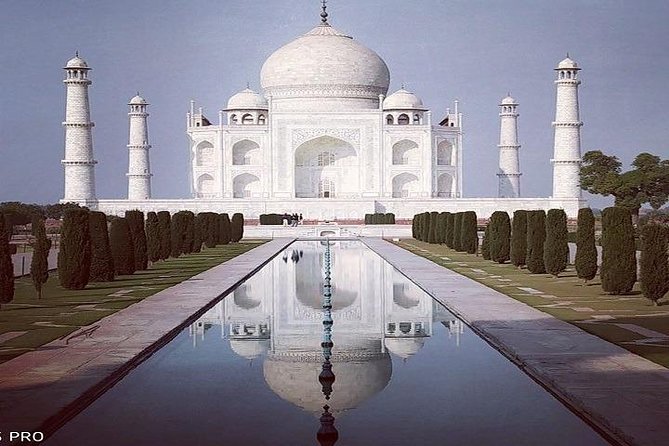
After checking in at your Agra hotel, the afternoon visit focuses on the Taj Mahal. This is the emotional center of the tour, but it is worth looking at it as more than a famous photograph. The setting, symmetry, marble work, and relationship between the main tomb and its gardens are what make the visit memorable.
The package does not include monument entrance fees or camera fees. Set aside money for those charges, and remember that lunch and dinner are also your responsibility. The tour includes a welcome drink and three breakfasts, but not a full meal plan.
The timing listed for the Taj Mahal is in the afternoon. That may suit your arrival from Delhi, though the tour does not promise a sunrise visit or a specific sunset time. If the light or time of day matters greatly to you, ask the provider before booking.
The accommodation is described as three-star, with rooms booked on a double-sharing basis. One service note associated with this tour says the rooms were clean and conveniently located, while another describes the hotels as good. That is encouraging, but hotel names are not supplied, so you should ask for the exact properties if room standards are important to you.
Day three: Agra Fort, Fatehpur Sikri, and the road to Jaipur
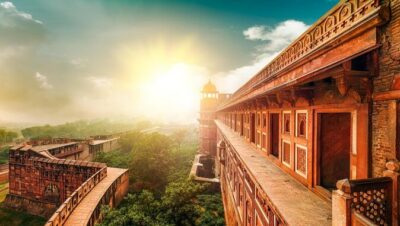
Day three begins with Agra Fort, the great red sandstone complex linked to several Mughal emperors. The fort is not simply another palace stop. Its courtyards, halls, and defensive walls show how power worked in the Mughal court, and views toward the Taj Mahal help connect the two main Agra sights.
After Agra Fort, you continue toward Jaipur with a stop at Fatehpur Sikri. Emperor Akbar made this city his capital for a short period, and the abandoned or partly abandoned setting gives it a different mood from busy Agra.
Buland Darwaza is the major visual feature here. The gateway is described as the largest in the world, and its scale makes it an easy landmark to remember. The site also helps break up the road journey between Agra and Jaipur.
This day has a lot of road time, but the private vehicle gives you control over the pace within the planned route. You can keep your own bags in the car and avoid repacking for every short transfer. The tradeoff is that you are still covering three major destinations in four days, so do not expect long unplanned stops.
You arrive in Jaipur and check into the hotel. Jaipur is known as the Pink City, and day four concentrates on its royal buildings, hilltop fort, water palace, and scientific instruments.
A few more New Delhi departures worth comparing
- 4 Days Golden Triangle Tour
★ 5.0 · 499 reviews - Private Luxury Delhi – Agra – Jaipur Golden Triangle Tour – 3 Nights 4 Days
★ 5.0 · 306 reviews - Private 4-Day Golden Triangle Tour with Ranthambore Tiger Safari
★ 5.0 · 248 reviews - From Delhi: Private 4-Day Golden Triangle Luxury Tour
★ 4.8 · 226 reviews
Day four: Amber Fort and Jaipur’s royal center
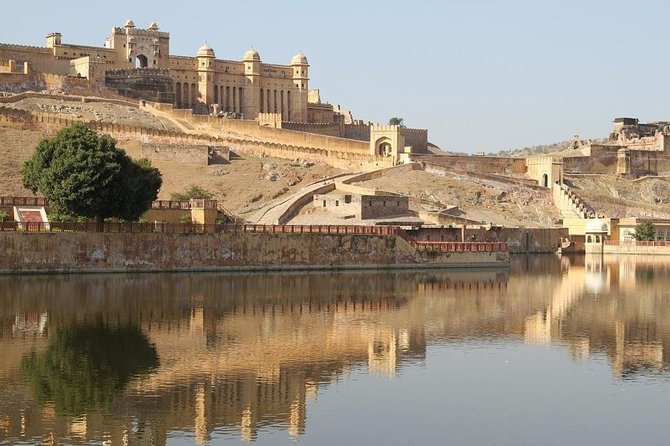
After breakfast, you check out and begin Jaipur sightseeing. Amber Fort and Palace is the headline stop. Set above the city, it combines defensive walls, palace courtyards, decorative interiors, and broad views. It is also one of the places where sturdy shoes matter, since the visit involves walking through a large historic complex.
Jal Mahal is a photo stop rather than a full palace visit in this schedule. The water palace is especially useful as a quick roadside pause between longer sightseeing stops.
City Palace and Museum gives you a closer look at Jaipur’s royal past. Jantar Mantar, also in Jaipur, brings the tour back to astronomy. Its large instruments make abstract ideas about time and the sky easier to grasp than a display case would.
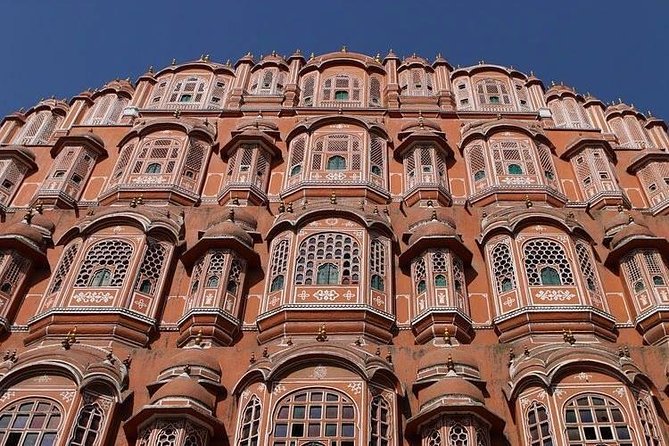
Hawa Mahal is another photo stop. Its famous facade is one of Jaipur’s defining images, but the schedule does not promise a full interior visit. This distinction matters if you want to explore every building rather than see the key exterior.
After sightseeing, the activity ends at the meeting point. Because the supplied details do not identify the exact final drop-off, I would confirm whether you are being returned to Delhi, Jaipur, an airport, or another agreed location before you pay.
What the private car adds to the trip
The vehicle is more than a convenience on this route. You have transfers, excursions, and sightseeing in a private air-conditioned car, with toll taxes, parking fees, fuel, and driver allowances included. For a group of friends or a family, that can be easier to budget than arranging each leg separately.
The exact vehicle can vary. One account connected with the service describes an Innova Crysta, while another refers to a clean, well-kept car and a Tempo Traveller. The sensible approach is to ask which vehicle your party will receive, especially if you have several suitcases or need more room.
Water is worth discussing with the provider. A service note connected with one trip highlights that driver Ajay Singh supplied plenty of cold water during a very hot summer journey. That is a useful habit for this circuit, but I would still bring your own refillable bottle and confirm what is provided.
Several driver and guide names are associated with the company’s trips, including Ajay Verma, Ajay Singh, Akash, and Jagjeet Singh. Akash is described as professional and helpful, while Jagjeet Singh is associated with Delhi touring. These names may help when confirming your booking, but the supplied details do not guarantee a particular driver or guide for your departure.
What the $375.67 price really covers
The advertised price is $375.67 per person. For four days, that can be solid value if you want a private car, three nights of accommodation, daily breakfast, and a driver-managed route through three cities.
Included costs are substantial:
- Three nights of accommodation on a double-sharing basis
- Three breakfasts
- Private air-conditioned transport
- Sightseeing and transfers listed in the schedule
- Fuel, parking, tolls, and driver’s allowances
- Welcome drink on arrival
- Transport and hotel-related taxes
- GST and other government taxes
- Arrival assistance
The exclusions deserve equal attention. Monument admission and camera fees are not included. Lunch, dinner, drinks, laundry, travel insurance, air tickets, train tickets, and any extra taxes or charges are also outside the package.
That means the headline figure is not your complete trip budget. Still, the included road costs and hotel nights make the price easier to understand. If you were to arrange a private car, three intercity transfers, parking, fuel, and hotels separately, the work and final cost could rise quickly.
Ask about the hotel names, vehicle type, local guides, monument fees, and final drop-off before booking. These questions do not change the appeal of the package. They simply help you compare the offer fairly with other Golden Triangle options.
Who will enjoy this four-day route most
I would choose this tour if you want the major sights with minimal planning. It suits first-time visitors who prefer a private vehicle, families who want to remain together, and couples who value hotel and transfer arrangements in one booking.
It also works for a short India visit. Four days is enough to see the Taj Mahal, Agra Fort, Fatehpur Sikri, Amber Fort, and the main Delhi and Jaipur sights. You will not need to coordinate separate taxis between every monument.
I would be more cautious if you prefer slow mornings, local food stops, independent wandering, or long museum visits. The schedule is packed, and the first Delhi day in particular may feel like a checklist. The private format gives you some room to discuss priorities, but it cannot turn a four-day route into a relaxed week.
The tour is marked as suitable for most participants, and it is a private activity for your group only. The information does not give detailed accessibility notes, so ask about vehicle access, walking distances, and monument conditions if those points affect your decision.
Cancellation and booking details worth noting
Confirmation is received at booking. The start time is listed as 9:00 a.m., with pickup from Delhi Airport or a Delhi railway station.
Free cancellation is available when you cancel at least 24 hours before the local start time. Cancellations made inside that window are not refunded, and changes made less than 24 hours before departure are not accepted.
Should you book the Golden Triangle India Tour?
Book it if your priority is a private, practical route through Delhi, Agra, and Jaipur, with the main hotels, breakfasts, car costs, and sightseeing transfers handled together. The strongest reasons are the private vehicle, broad list of major monuments, and clear inclusion of tolls, fuel, parking, and taxes.
Think twice if you want a slower trip or if monument tickets and meals need to be bundled into the price. Before confirming, get the hotel names, vehicle details, guide arrangements, monument fees, and final drop-off in writing.
For a first look at North India in four days, this is an efficient choice. It gives you the Taj Mahal and Amber Fort without the strain of organizing every transfer yourself, but you should arrive ready for long sightseeing days and a brisk pace.
FAQ
How long is the Golden Triangle India Tour?
The tour lasts approximately four days and covers Delhi, Agra, and Jaipur.
Where does pickup take place?
Pickup is available from Delhi Airport or a Delhi railway station. The listed start time is 9:00 a.m.
Is this a private tour?
Yes. The activity is private, and only your group participates.
What major sights are included in Delhi?
The Delhi schedule includes Jama Masjid, Red Fort, Raj Ghat, Humayun’s Tomb, Lotus Temple, Qutab Minar, Rashtrapati Bhawan, Parliament House, and Jantar Mantar.
Is the Taj Mahal included?
Yes. The Taj Mahal is scheduled for the afternoon of day two after the drive from Delhi and the stop at Sikandra.
Which Agra sights are visited?
The route includes Sikandra, the mausoleum of Emperor Akbar, the Taj Mahal, and Agra Fort.
What happens on the way from Agra to Jaipur?
The route includes Fatehpur Sikri and Buland Darwaza before arrival in Jaipur.
Are monument entrance fees included?
No. Monument entrance fees and camera fees are not included in the tour price.
What does the tour price include?
The price includes three nights of double-sharing accommodation, three breakfasts, private air-conditioned transport, listed sightseeing and transfers, tolls, parking, fuel, driver’s allowances, a welcome drink, arrival assistance, GST, and government and hotel-related taxes.
Just added around New Delhi
- Delhi: All-Inclusive Full or Half Day Tour With Hotel Pickup★ 5.0 · 3 reviews
- From Delhi : All Inclusive Taj Mahal Tour by Gatimaan Express★ 5.0 · 3 reviews
- Skip the line: Taj Mahal Agra Private Day Trip From Delhi By Car★ 5.0 · 3 reviews
- Delhi: Old and New Delhi One Day Private Guided City Tour★ 5.0 · 3 reviews
- New Delhi Night City Tour★ 5.0 · 3 reviews
- Old Delhi Half day private city tour★ 5.0 · 3 reviews
- A full-day tour of Old & New Delhi Monument Express Entry★ 5.0 · 3 reviews
- Sultanpur Bird Sanctuary Tour Near Delhi★ 5.0 · 3 reviews
Golden Triangle Tours, compared.
3-Days Private Golden Triangle Tour: Delhi, Agra & Jaipur by Car
Read our review →3-Days Private Golden Triangle Tour: Delhi, Agra & Jaipur by Car
Read our review →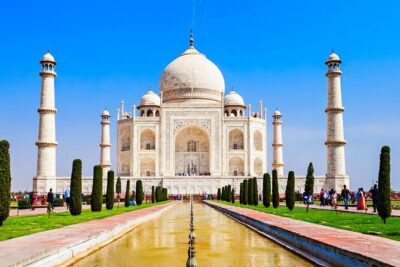
3-Day Delhi, Agra and Jaipur Private Tour – India Golden Triangle
Read our review →
Four-Day Private Luxury Golden Triangle Tour to Agra and Jaipur From New Delhi
Read our review →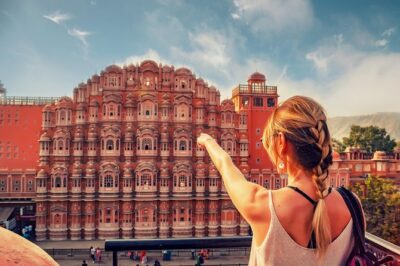
Jaipur Day Trip from Delhi by Car or Train – All Inclusive
Read our review →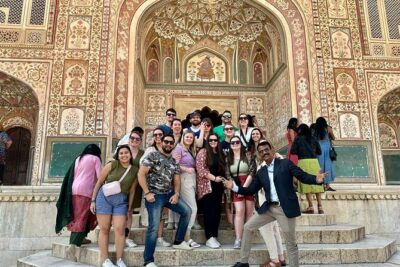
Jaipur City Private Day Tour from Delhi by Car – All Inclusive
Read our review →
5 Nights 6 Days Private Golden Triangle Tour – Delhi Agra Jaipur
Read our review →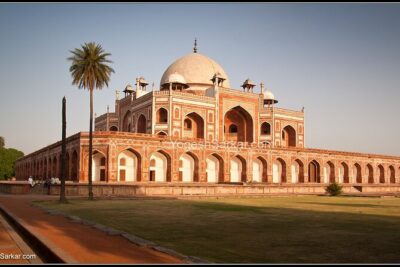
Browse the lists this tour appears in