
Reviewed · GOLDEN TRIANGLE WITH VARANASI
Golden triangle & The Burning city Varanasi 9 Nights
The most striking part of this journey is the sharp change in mood from Mughal monuments and Rajput palaces to Varanasi’s sacred ghats and cremation fires. In ten days, you see the Taj Mahal, Jaipur’s royal center, Delhi’s grand landmarks, and the Ganges in one carefully packed route.
I like the included train from Agra to Varanasi and the flight back to Delhi because they save long road journeys. I also like the private format, especially with guide Rajendra Halduniya, known as Raji, who is praised for patience, clear explanations, and helping arrange extra stops such as markets. The main drawback is the pace: many days are full, and the plan leaves little room for a slow morning or an unscheduled rest day.
In This Review
- Key points to know before booking
- Why this route works so well
- Delhi’s first look: Jama Masjid, Lotus Temple, and India Gate
- Delhi’s second day: temples, tombs, and national memory
- Jaipur’s royal style and colorful details
- Abhaneri and Agra Fort before the Taj Mahal
- Reaching Varanasi by train
- Varanasi’s ghats and the Ganges
- Sarnath and Durga Temple
- The final return to Delhi
- What the $1,163 price includes
- The guide can shape the experience
- Who should book this tour?
- Should you book it?
- FAQ
- How long is the tour?
- Where does the tour begin?
- Is this a private tour?
- Is pickup available?
- Which cities and regions does the tour visit?
- Is transportation between Agra and Varanasi included?
- Is the return from Varanasi to Delhi included?
- Are meals included?
- Is the Ganges boat ride included?
- What is the cancellation policy?
Key points to know before booking
- Delhi to Varanasi in one route: You cover the capital, Jaipur, Agra, and India’s great pilgrimage city without arranging separate transfers.
- Raji may shape the day around you: Rajendra Halduniya is listed as the guide, with English and Italian language ability noted in the tour feedback.
- The Taj Mahal gets a proper visit: Two hours are allotted, along with two hours at Agra Fort.
- Varanasi includes a boat ride: You spend time on the Ganges and visit the ghats, including Manikarnika Ghat.
- Transport is mostly organized: An air-conditioned vehicle, Agra to Varanasi train, and Varanasi to Delhi flight are included.
- Lunch is not included: Breakfast for eight days and dinner for nine days are provided, so you should budget for midday meals.
Why this route works so well
India’s Golden Triangle is popular for good reason. Delhi gives you imperial and national monuments, Jaipur brings royal Rajasthan, and Agra delivers the Taj Mahal and Mughal power. Varanasi changes the subject entirely, moving from palaces and dynasties to ritual, faith, death, and the Ganges.
That contrast gives the trip its character. You are not simply collecting forts and pretty buildings. You are moving through several versions of India, from Delhi’s formal avenues to Jaipur’s planned old city, from Agra’s grand monuments to Varanasi’s intense riverfront.
This is a private tour, so only your group participates. That matters in India, where traffic, heat, crowds, and changing energy can make a fixed group schedule tiring. A private guide and driver can make the days more manageable, and the guide can respond to your requests.
The schedule is still ambitious. The listed experience lasts about ten days and includes nine nights, with sightseeing on most days. You should enjoy active touring and be comfortable with early starts, changing hotels, and long transfers by road, train, and air.
More itineraries that add Varanasi:
- Delhi Agra Jaipur & Varanasi Tour – Taj Mahal & Ganga Aarti
★ 5.0 · 50 reviews - 7-Day Golden Triangle & Varanasi Tour from Delhi with Guide
★ 5.0 · 38 reviews - 9 – Days Private Golden Triangle Tour with Khajuraho & Varanasi
★ 5.0 · 22 reviews
Delhi’s first look: Jama Masjid, Lotus Temple, and India Gate
The opening day gives you three very different views of Delhi.
Jama Masjid is the grandest of the three. Its red sandstone and white marble, large gates, minarets, and Mughal details give you an immediate sense of imperial Delhi. The visit is listed at 30 minutes, which is enough for a first look and photographs, but not enough for a slow architectural study.
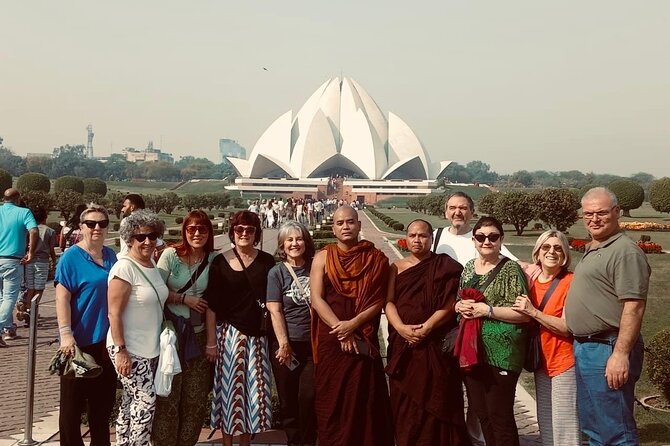
The Lotus Temple offers a complete change of tone. This Bahá’í House of Worship is known for its white, lotus-shaped design and quiet setting. You have about 40 minutes here. It is less about a long historical explanation and more about the building’s shape and peaceful atmosphere.
India Gate is a national memorial rather than a palace or temple. The 40-minute stop helps place modern Indian identity beside the older monuments. Since admission is free, this is an easy stop with little financial impact.
A tuk-tuk ride is also included to show you a less polished side of Delhi. This is one of the more useful touches in the program. You get a short taste of local street movement rather than seeing the city only through a tour vehicle. Keep your expectations realistic: it is an experience, not a full neighborhood tour.
Delhi’s second day: temples, tombs, and national memory
Day two has four stops, and each adds a different layer.
Swaminarayan Akshardham is a large spiritual and cultural complex opened in 2005. Its central temple uses pink sandstone and detailed carving. The one-hour visit gives you time to appreciate the scale and decoration, though the program does not specify which additional exhibitions or shows are included.
Humayun’s Tomb is one of Delhi’s most important Mughal buildings and a UNESCO World Heritage site. Built in 1570 for Emperor Humayun, it is especially useful for understanding the architectural ideas that later appeared in the Taj Mahal. You have 40 minutes here, so listen closely to the guide because the setting can reward more explanation than the clock allows.
Raj Ghat marks the cremation site of Mahatma Gandhi. The half-hour visit is quieter and more reflective than the other stops. It gives the day a modern historical anchor.
At Gurudwara Bangla Sahib, you visit one of Delhi’s major Sikh places of worship. It honors Guru Har Krishan, who stayed at the site in 1664. The 30-minute stop may feel brief, but it introduces Sikh religious culture to a route otherwise focused heavily on Mughal and Hindu sites.
Jaipur’s royal style and colorful details
The itinerary reaches Jaipur on day three, beginning with Birla Mandir, also called the Laxmi Narayan Temple. This modern Hindu temple is dedicated to Vishnu and Lakshmi and sits near Moti Dungari Hill. It is a good introduction to Jaipur’s religious life before the palace visits.
The Albert Hall Museum is listed without a stated duration. Built in 1876 in an Indo-Saracenic style, it is one of Jaipur’s oldest museums. Since timing is not clear, ask your guide how much time is planned and which rooms you will see.
Patrika Gate receives about 20 minutes. Its painted arches and Rajasthani designs make it a strong photo stop at Jawahar Circle Garden. This is a quick visual visit, not a substitute for Jaipur’s older palace and fort sites.
Day four focuses more directly on Jaipur’s historic center. Hawa Mahal, the Palace of Winds, was built in 1799 for Maharaja Sawai Pratap Singh. Its five-story façade and many small openings are designed for photographs and a short explanation. The schedule also includes a quick stop at the Water Palace, with about 15 minutes for pictures.
Jantar Mantar is more than a collection of unusual stone shapes. Built in the 18th century by Maharaja Jai Singh II, the observatory contains 19 large instruments used to study time and the sky. The UNESCO-listed site can seem technical, so a good guide makes a real difference here. You have 30 minutes.
The City Palace is the longest Jaipur visit, at two hours. Its mix of Rajasthani and Mughal design reflects the city’s royal past, and the palace gives you room to see courtyards, façades, and royal collections without rushing quite as hard.
A 15-minute visit to a Jaipur gems and jewelry business follows. Jaipur is known for cutting, polishing, and gemstone trading. Treat this as a shopping opportunity, not simply a sightseeing stop. If you are not planning to buy, say so clearly and enjoy the craftsmanship without feeling pressured.
More Golden Triangle itineraries from New Delhi:
- 3-Days Private Golden Triangle Tour: Delhi, Agra & Jaipur by Car
★ 5.0 · 1,107 reviews - 3-Days Private Golden Triangle Tour: Delhi, Agra & Jaipur by Car
★ 5.0 · 1,098 reviews - 3-Day Delhi, Agra and Jaipur Private Tour – India Golden Triangle
★ 5.0 · 812 reviews - Four-Day Private Luxury Golden Triangle Tour to Agra and Jaipur From New Delhi
★ 5.0 · 807 reviews
Abhaneri and Agra Fort before the Taj Mahal
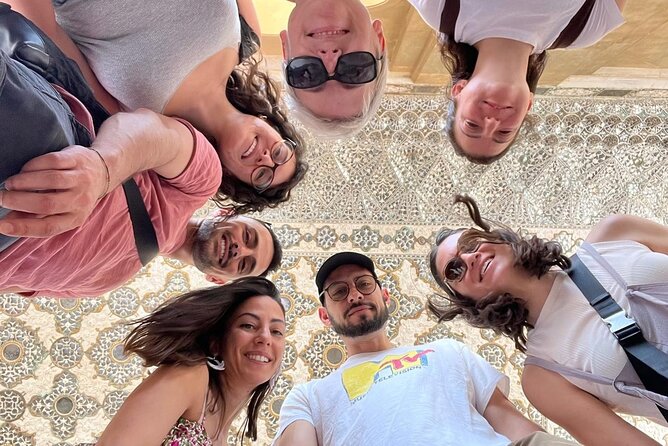
Day five connects Jaipur with Agra and includes one of the trip’s most unusual monuments.
Chand Baori at Abhaneri is a ninth-century stepwell built by King Chanda of the Nikumbh dynasty. Its repeated steps create a striking geometric pattern, and the 30-minute visit is enough for photographs and a basic explanation. The stop breaks up the transfer and shows a type of Indian architecture you would not see at the major palaces.
Agra Fort receives two hours, which is generous compared with several other stops. Built by Emperor Akbar in the 16th century, it became the main residence of the Mughal emperors before the capital moved to Delhi. The fort is not merely a defensive wall. Its courtyards, halls, and views help explain the power behind the Taj Mahal.
Day six is reserved for the Taj Mahal, with two hours allotted. That is the right amount of time for a meaningful first visit. You can take in the symmetry, marble work, gardens, and story of Shah Jahan’s monument to Mumtaz Mahal, who died during childbirth.
The Taj Mahal is the emotional high point for many people, but do not treat Agra Fort as an afterthought. Seeing both sites gives you a fuller picture of Mughal architecture and royal life. The Taj is refined and symbolic; the fort is large, practical, and political.
Reaching Varanasi by train
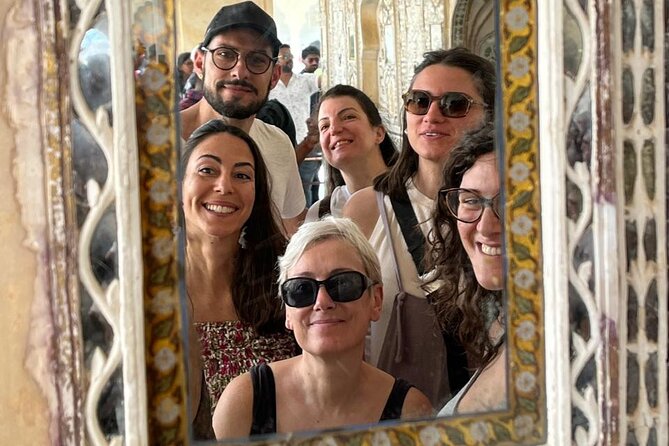
The included train from Agra to Varanasi is an important part of the tour’s value. Instead of spending another long day on the road, you change the rhythm of the journey and move toward eastern India by rail.
The exact train class, departure time, and station arrangements are not specified, so confirm those details before departure. The tour includes the ticket, but you should still ask who handles station assistance and how much luggage you can comfortably manage.
Varanasi feels very different from Jaipur and Agra. It is not arranged around one single monument. Its meaning comes from the Ganges, the ghats, temples, ceremonies, and daily religious life along the river.
Varanasi’s ghats and the Ganges
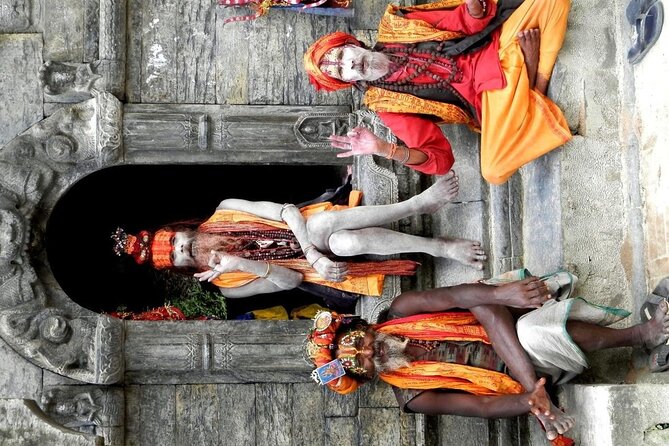
Day seven gives you three hours around the Ganges ghats, followed by two hours for a boat ride and a visit to Manikarnika Ghat.
The ghats are long flights of steps leading to the river, with more than 80 named sections. Each has its own purpose and character. From the water, you get a broad view of the riverfront and the layers of activity along the steps.
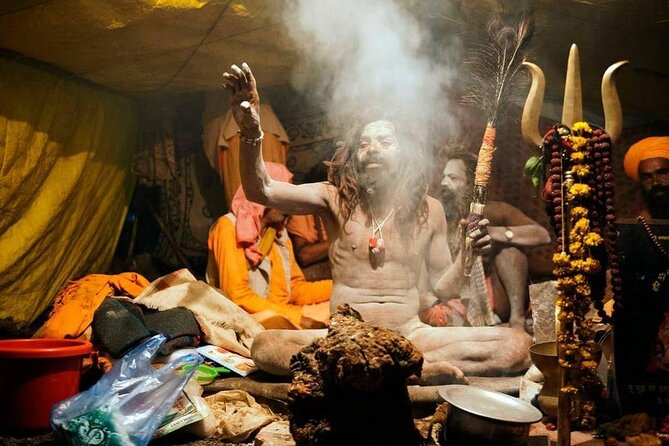
Manikarnika Ghat is a cremation site. This is not a standard photo stop, and you should approach it with respect. The tour specifically includes a visit to cremation places, so prepare yourself for an experience that may be confronting. Listen to your guide about local customs, keep your distance, and do not photograph mourners or ceremonies unless clearly permitted.
The boat ride is one of the strongest reasons to choose this itinerary. It lets you see Varanasi from the Ganges rather than only from narrow streets and crowded steps. The tour data does not specify the exact boat departure time, so ask whether the ride is planned for morning, evening, or another part of the day.
Sarnath and Durga Temple
Day eight takes you outside Varanasi to Sarnath, where Buddha gave his first sermon after enlightenment. The two-hour visit provides a Buddhist counterpoint to Varanasi’s Hindu sites and gives the trip another major religious tradition.
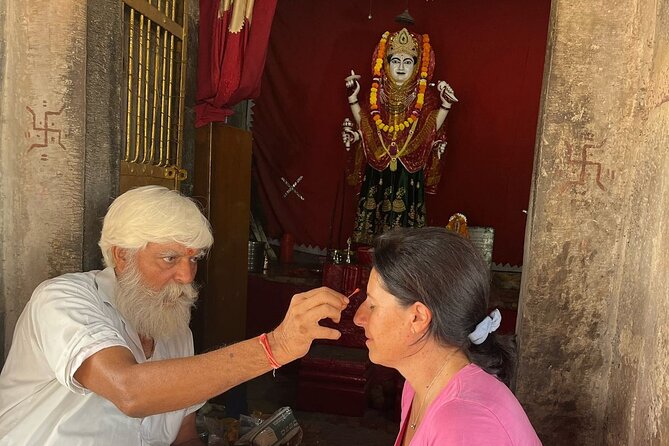
Durga Temple follows, with one hour planned. The temple is dedicated to Goddess Durga and offers a direct encounter with living Hindu worship. As with Manikarnika Ghat, your guide’s explanations and your own respectful behavior matter more than trying to rush through the visit.
These two stops make Varanasi more than a river excursion. You see the city’s connection to Hindu ritual, then visit a nearby site central to Buddhism. That range is valuable if you want culture and religion rather than only famous architecture.
The final return to Delhi
The program includes a flight from Varanasi to Delhi, followed by airport pickup and hotel transfer on day nine. The written schedule is slightly unclear because it describes the driver collecting you from the airport for relaxation, rather than listing sightseeing. Treat day nine as a buffer and recovery day unless the provider confirms another plan.
Day ten is the airport drop-off at Indira Gandhi International Airport in Delhi. Since the tour provides the transfer, the ending should be simple, but confirm the pickup time against your flight.
The flight is a smart choice after the train journey and the demanding Varanasi schedule. It prevents the final leg from becoming another full day of ground transport.
What the $1,163 price includes
At $1,163.18 per person, the price represents a package of transport, sightseeing, and meals rather than just guiding. Included items are entrance fees, an air-conditioned vehicle, WiFi on board, fuel surcharge, government fees, the Agra to Varanasi train ticket, the Varanasi to Delhi flight, the Ganges boat ride, tuk-tuk ride, eight breakfasts, and nine dinners.
That is useful value for a private ten-day route, especially because the expensive movement between cities is included. You are not left to arrange the train and domestic flight yourself.
Lunch is excluded. This gives you some freedom, but you need to budget for it every day. The price also does not list hotels separately in the supplied details, so confirm exactly what accommodation is included before paying.
Group discounts are offered, which could make the tour more appealing for families or friends traveling together. Since the activity is private, you avoid being placed with an unrelated group.
The guide can shape the experience
The strongest recurring praise centers on Rajendra Halduniya, known as Raji. He is described as patient, friendly, attentive, and able to explain temples, palaces, history, and legends in detail. His English and Italian language skills are specifically noted.
Just as important, he appears willing to respond to requests. Extra market visits and unscheduled stops were arranged during some trips, and the guide helped travelers see a more personal side of Rajasthan. This flexibility is a real benefit on a private tour.
Do not assume every extra stop is guaranteed. Ask Raji or the provider at the start of the tour how much freedom you have and how added visits affect timing. A flexible guide is most useful when you still protect enough time for the major sights.
Who should book this tour?
I would choose this tour if you want the major sights of northern India handled in one package and prefer a private guide to independent planning. It suits first-time visitors who want Delhi, Jaipur, Agra, and Varanasi without arranging several separate bookings.
It also fits you if you care about context. The value is not only the Taj Mahal. It is the sequence: Mughal tombs in Delhi, royal Jaipur, Agra Fort, the Taj, the Ganges, Manikarnika Ghat, Sarnath, and a Hindu temple.
I would hesitate if you want a relaxed holiday with long free periods. The itinerary is tightly filled, and several stops are short. If Varanasi is your main goal, you may prefer a program with more time there and less emphasis on rapid sightseeing.
You can cancel for a full refund up to six full days before the local start time. A cancellation two to six days before departure receives a 50 percent refund, while cancellation less than two days before departure is nonrefundable. Changes are not accepted within the final six days.
Should you book it?
Book this tour if you want a well-supported first look at northern India, value private transport, and are ready for a fast but varied schedule. The included train, flight, boat ride, entrance fees, and dinners make the price easier to justify, while Raji’s reported flexibility adds a personal touch.
Before booking, confirm the hotels, train class, flight details, meal arrangements, and the exact plan for day nine. If those details suit you, this is a strong choice for seeing India’s most famous monuments alongside the harder, more spiritual reality of Varanasi.
FAQ
How long is the tour?
The experience lasts approximately 10 days and is described as a 9-night tour.
Where does the tour begin?
The tour is based in New Delhi, India.
Is this a private tour?
Yes. Only your group participates in the activity.
Is pickup available?
Yes. Pickup is offered, and the schedule includes airport transfers in Delhi.
Which cities and regions does the tour visit?
The route includes New Delhi, Jaipur, Agra, Varanasi, and Sarnath.
Is transportation between Agra and Varanasi included?
Yes. One train ticket from Agra to Varanasi is included.
Is the return from Varanasi to Delhi included?
Yes. One flight from Varanasi to Delhi is included.
Are meals included?
Breakfast for eight days and dinner for nine days are included. Lunch is not included.
Is the Ganges boat ride included?
Yes. A Ganges River boat ride is included.
What is the cancellation policy?
You can receive a full refund if you cancel at least six full days before the local start time. Cancellations two to six days before departure receive a 50 percent refund, and cancellations less than two days before departure are not refunded.
Just added around New Delhi
- Delhi: All-Inclusive Full or Half Day Tour With Hotel Pickup★ 5.0 · 3 reviews
- From Delhi : All Inclusive Taj Mahal Tour by Gatimaan Express★ 5.0 · 3 reviews
- Skip the line: Taj Mahal Agra Private Day Trip From Delhi By Car★ 5.0 · 3 reviews
- Old Delhi Half day private city tour★ 5.0 · 3 reviews
- Delhi: Old and New Delhi One Day Private Guided City Tour★ 5.0 · 3 reviews
- New Delhi Night City Tour★ 5.0 · 3 reviews
- A full-day tour of Old & New Delhi Monument Express Entry★ 5.0 · 3 reviews
- Sultanpur Bird Sanctuary Tour Near Delhi★ 5.0 · 3 reviews
Golden Triangle with Varanasi, compared.

Delhi Agra Jaipur & Varanasi Tour – Taj Mahal & Ganga Aarti
Read our review →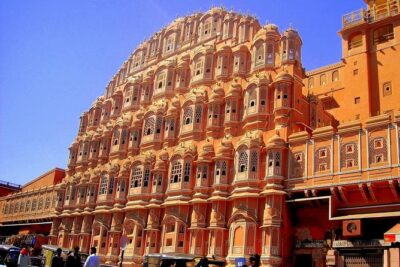
7-Day Golden Triangle & Varanasi Tour from Delhi with Guide
Read our review →
9 – Days Private Golden Triangle Tour with Khajuraho & Varanasi
Read our review →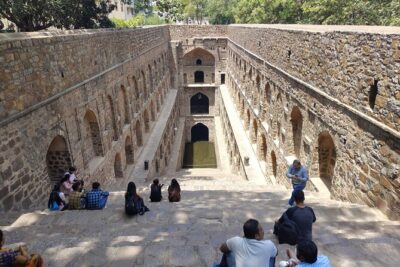
6-Day Private Tour of Delhi, Agra, Jaipur, and Varanasi from Delhi
Read our review →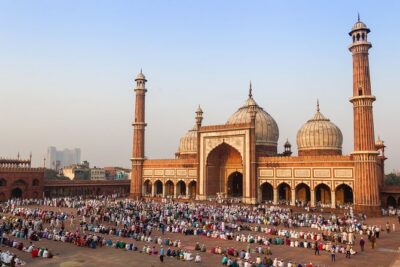
11 Days Golden Triangle & Varanasi With Luxury Accommodation,internal Flights
Read our review →
8-Day Private Luxury Golden Triangle With Spiritual Varanasi Tour
Read our review →
10 Day Private Luxury Golden Triangle with Khajuraho and Varanasi
Read our review →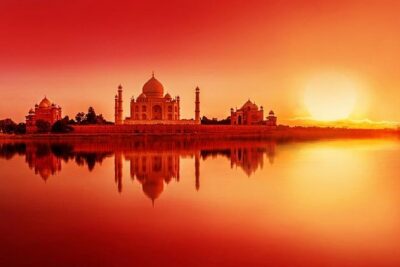
Private Luxury Delhi, Agra, Jaipur & Varanasi from Delhi – 5 Nights 6 Days Tour
Read our review →Browse the lists this tour appears in