
Reviewed · COMMUNITY AND LOCAL LIFE WALKS
New Delhi: Sanjay Colony Slum Tour with Locals
Sanjay Colony is not a sightseeing set. It is home to roughly 60,000 people, and this local-led walk gives you a careful look at work, school, religion, family life, and the daily struggle for basics such as water. I like the small-group format and the chance to meet people connected with Learning by Locals, a community education project. I also like that local tea and bottled water are included.
The main consideration is ethical: you are walking through someone’s home, not a staged attraction. A respectful attitude matters, and the route may feel confronting. The tour is also short, so it offers an introduction rather than a full picture of life in Delhi’s many informal settlements.
In This Review
- Key points to know before you book
- Why Sanjay Colony offers a different view of Delhi
- Meeting at Harkesh Nagar Okhla Metro Gate 2
- Walking through a working neighborhood
- Learning by Locals and the value of the NGO visit
- Seeing the public school from outside
- Tea, water, and the practical side of the walk
- Is $12 a fair price?
- The right mindset for an ethical visit
- Who will get the most from this 1-hour-45-minute walk?
- Booking, cancellation, and the final call
- FAQ
- Where does the Sanjay Colony tour start?
- Where does the tour end?
- Can I get hotel pickup?
- How long does the experience last?
- What is included in the price?
- How large is the group?
- Will I enter the public school?
- What is the cancellation policy?
Key points to know before you book

- Local guides such as Badal and Sukhmani lead the walk and explain everyday life through personal stories and conversation.
- Learning by Locals provides a valuable stop focused on youth education and community work.
- The clothing industry and recycling show how people earn money in Sanjay Colony.
- The public school is viewed from outside, with an explanation of the education system rather than an extended school visit.
- Groups stay relatively small, with up to six people per booking and a maximum of 10 people on the tour.
- Tea and bottled water are included, a useful touch during a walk in Delhi.
Why Sanjay Colony offers a different view of Delhi

Delhi has more than 700 slum areas, and Sanjay Colony is one of them. Roughly 60,000 people live here. That number matters because it reminds you that this is a large residential community, not a quick stop built for sightseeing.
The tour focuses on ordinary routines. You learn how people work, how children study, how religion shapes community life, and why access to water can be a daily concern. You also see links to the clothing industry and recycling, two important sources of local income.
I appreciate the decision to use local guides. A guide helps you move through the area with a clear purpose and gives residents some context beyond what you could gather by walking past on your own. You can ask questions as the tour goes along, and the experience is designed to explain rather than simply display.
Still, you should approach this walk with care. Keep your voice low, follow the guide’s instructions, and do not treat homes, workers, or children as photo subjects. The strongest part of the experience is listening and learning, not collecting dramatic pictures.
More community walks in New Delhi:
- Sanjay Colony Slum Tour
★ 5.0 · 498 reviews - New Delhi Slum Walking Tour
★ 5.0 · 360 reviews - Delhi: Ethical Sanjay Colony Slum Tour
★ 4.9 · 242 reviews
Meeting at Harkesh Nagar Okhla Metro Gate 2
The tour begins at Harkesh Nagar Okhla Metro Gate 2, near G-16 in Okhla Phase II. The location is close to public transportation, which makes the meeting point practical if you are comfortable reaching it by Metro.
The opening stop is listed as about five minutes, but this is really the point where you meet the guide and get oriented. You will begin the walk with an introduction to Sanjay Colony and its local livelihoods. Recycling and clothing-related work are part of the early explanation, helping you understand how the area functions before you move into more specific community stops.
A Metro meeting point also keeps the cost low. The experience is priced at about $12 per person, so you are not paying for a private vehicle or a long sightseeing route across Delhi. If you book a private tour with a car, the operator can pick you up and return you to your hotel. Otherwise, the regular end point is back at Harkesh Nagar Okhla Metro Station, where the guide can help you arrange an Uber or taxi if needed.
That difference is worth checking before booking. The tour is inexpensive, but the standard arrangement is not a hotel-to-hotel excursion.
Walking through a working neighborhood
The walk through Sanjay Colony is the heart of the experience. You are not simply passing through narrow lanes to reach a monument. You are learning how people live and work in a crowded Delhi community, with the guide explaining details that would otherwise be easy to miss.
The route includes discussion of home life, religion, education, and water access. These subjects turn a short walk into a broader lesson about daily decisions. Finding water, sending children to school, and earning money are not separate topics here. They are tied together by time, income, family needs, and local services.
You may also see work connected to clothing production and recycling. The tour does not promise a formal factory visit, so think of this as an explanation of local employment and working life. That is useful for you because it avoids presenting the area as a collection of curiosities. The focus stays on people’s skills and livelihoods.
Guides including Badal and Sukhmani have been praised for being serious, respectful, and good at explaining the community. Badal is also connected with the visit to Learning by Locals. Guide quality matters a great deal on this sort of walk, and the personal stories are likely to be more useful than a list of statistics.
The listed duration is about one hour and 45 minutes. With a maximum of 10 people, the group should be manageable enough for questions without becoming a large procession. A maximum of six people per booking gives you another clue about the intended scale: this is meant to feel like a guided neighborhood walk, not a mass excursion.
Learning by Locals and the value of the NGO visit
Learning by Locals is a local NGO and one of the most meaningful parts of the route. The visit lasts about 15 minutes, though the surrounding conversation and walking time form part of the wider tour.
Here the focus shifts from basic living conditions to education and youth support. You learn about projects being developed in the community and meet students connected with the organization. The emphasis on education and empowerment gives the tour a constructive side. You are not left with only a list of hardships.
This stop can also help you judge how the tour handles its ethical responsibility. Supporting a local organization gives the visit a clear community link, though a short stop cannot explain every part of its work. If this aspect matters to you, use the opportunity to ask how Learning by Locals operates and what programs it supports.
The student meeting is likely to be memorable, but remember that children deserve the same privacy and respect as anyone else. Listen first. Ask before taking photos, and accept a no without making it awkward.
This is also where the guide’s personal approach matters most. The strongest accounts of the experience describe the youth work as heartening and inspiring. You can reasonably expect the NGO visit to add human connection and a sense of possibility, but you should not expect a long workshop or a full volunteer session.
Same city, a completely different day out:
- Old & New Delhi City Tour – Half or Full Day Options Available
★ 5.0 · 4,811 reviews - Old & New Delhi City Tour – Choose Half or Full Day Experience
★ 5.0 · 4,513 reviews - Same Day Taj Mahal, Agra Fort & Baby Taj Tour from Delhi by Car
★ 5.0 · 4,304 reviews - Taj Mahal Day Tour from Delhi by Superfast Train – TOP RATED TOUR
★ 5.0 · 4,166 reviews
Seeing the public school from outside
The next named stop is the SDMC primary school. You view the public school from outside and hear about Delhi’s education system. The stop lasts about five minutes, so it is a brief explanation rather than a school tour.
That limitation is important. You will not be entering classrooms or observing a full school day. Instead, the guide uses the building as a starting point for discussing access to education and the role of public schools in the community.
I like this approach because it keeps the visit from becoming intrusive. A school is a working place for children and teachers, and viewing it from outside sets a sensible boundary. At the same time, five minutes is not enough for much detail, so your understanding will remain introductory.
Together, the NGO and school stops show two sides of education. One is the public system, represented by the school. The other is community-led support, represented by Learning by Locals. That comparison gives the short itinerary more substance.
Tea, water, and the practical side of the walk
The tour includes a local tea and a bottle of water. These are small inclusions, but they make sense in Delhi, where a walk outdoors can be tiring even when it lasts less than two hours.
The tea adds a social touch rather than serving only as refreshment. It gives you a chance to pause and connect with the local setting. Do not expect a full meal or a café stop. The offering is simple, and you should still arrive prepared with suitable clothing and any extra water you may need.
Wear comfortable shoes. The tour is on foot, and the area is a living neighborhood rather than a polished heritage site. The supplied information does not specify the exact walking surface or weather arrangements, so you should be ready for ordinary Delhi street conditions.
Most people can participate, and the tour is near public transportation. If you have limited mobility or need a specific arrangement, ask before booking because no detailed accessibility information is provided.
Is $12 a fair price?
At $12 per person, this is a low-cost experience by Delhi sightseeing standards. You are paying for a local guide, a small-group format, bottled water, tea, and access to a carefully organized introduction to Sanjay Colony.
The real value comes from context. Without a guide, you might see a busy neighborhood and leave with guesses. With the guide, you learn about work, schooling, religion, water, and community projects in a way that connects individual details to daily life.
The price does not include a private car unless you select a private tour with that service. It also does not turn the walk into a full-day cultural program. There is no claim of a long school visit, extended NGO workshop, meal, or wider Delhi transport.
For a first visit to Delhi, I see this as a good value if you want a grounded local experience and are prepared to think about difficult subjects. It is less suitable if you want monuments, shopping, or a relaxed sightseeing route.
The right mindset for an ethical visit
A tour through a low-income neighborhood can easily become uncomfortable if the visitor treats poverty as entertainment. The operator’s local-led format helps, but your behavior still shapes the experience.
Go to understand how the community works, not to search for shocking scenes. Ask clear questions. Avoid judging homes, clothing, family size, or work. Do not assume every resident wants to talk. If photography is allowed, ask before taking pictures, especially of children, homes, workers, and religious spaces.
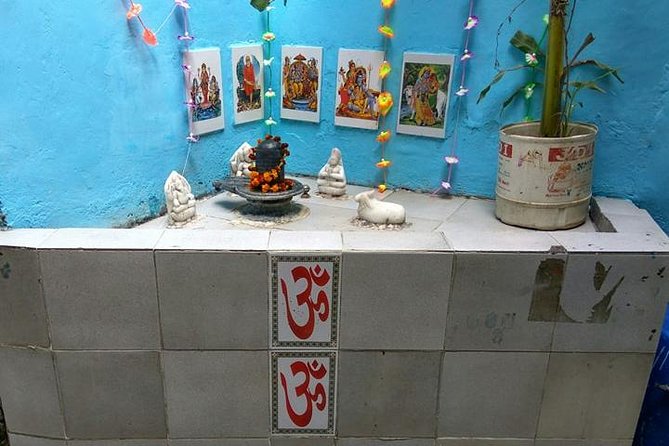
The tour includes a temple visit or temple-related explanation, along with religion and community life. Dress and behave respectfully around the religious site. The supplied details do not specify a dress code, so modest clothing is the sensible choice.
You may leave feeling humbled, encouraged, or unsettled. That is not a flaw in the experience. A useful tour does not need to make every subject comfortable, but it should give you enough context to avoid turning hardship into a simple story.
Who will get the most from this 1-hour-45-minute walk?
I would recommend this tour to you if you want to understand Delhi beyond its forts, tombs, markets, and government buildings. It suits people who value local conversation, community work, and a small group over polished presentation.
It is especially fitting for visitors interested in education and social development. The Learning by Locals stop gives the tour a clear focus on young people and community action, while the school stop explains the public education system.
Parents may find the education discussion useful, though the visit is not advertised as a family program. Anyone who feels unwell should take the walking format seriously. One person who became sick before the tour received extra walking support from another guide, but that was an individual arrangement, not a guaranteed service.
You should skip it if you want a purely lighthearted outing, dislike walking through residential areas, or feel uneasy about visiting a low-income community even with local guidance. There is no shame in choosing another Delhi experience if this subject is not right for you.
Booking, cancellation, and the final call
Confirmation is provided when you book, and free cancellation is available up to 24 hours before the start time. A cancellation within 24 hours is not refundable, and last-minute changes are not accepted.
The tour receives a 4.9 rating from 46 reviews, with 98 percent recommending it. The repeated praise centers on the guides, the respectful handling of the visit, the community education work, and the feeling that the experience becomes more meaningful than a standard city stop.
I would book this tour if you want a short, affordable way to meet a side of Delhi that most sightseeing routes leave out. Choose it for the explanations, the NGO connection, and the chance to ask questions, not for spectacle. Meet at the Okhla Metro point, arrive ready to walk, and treat Sanjay Colony as a home first and a tour stop second.
FAQ
Where does the Sanjay Colony tour start?
It starts at Harkesh Nagar Okhla Metro Gate 2, near G-16, Okhla Phase II, New Delhi.
Where does the tour end?
The regular tour ends at Harkesh Nagar Okhla Metro Station. The guide can help you arrange an Uber or taxi if needed.
Can I get hotel pickup?
Pickup is offered. If you book the private tour with a car, the operator can pick you up and return you to your hotel.
How long does the experience last?
The tour lasts approximately one hour and 45 minutes.
What is included in the price?
A local guide, local tea, and a bottle of water are included.
How large is the group?
A maximum of six people can be included per booking, and the total tour group has a maximum of 10 people.
Will I enter the public school?
No. The SDMC primary school is viewed from outside, and the guide explains the education system.
What is the cancellation policy?
You can cancel at least 24 hours before the start time for a full refund. Cancellations or changes made less than 24 hours before the experience are not accepted for a refund.
Just added around New Delhi
- Delhi: All-Inclusive Full or Half Day Tour With Hotel Pickup★ 5.0 · 3 reviews
- From Delhi : All Inclusive Taj Mahal Tour by Gatimaan Express★ 5.0 · 3 reviews
- Skip the line: Taj Mahal Agra Private Day Trip From Delhi By Car★ 5.0 · 3 reviews
- Delhi: Old and New Delhi One Day Private Guided City Tour★ 5.0 · 3 reviews
- New Delhi Night City Tour★ 5.0 · 3 reviews
- Old Delhi Half day private city tour★ 5.0 · 3 reviews
- A full-day tour of Old & New Delhi Monument Express Entry★ 5.0 · 3 reviews
- Sultanpur Bird Sanctuary Tour Near Delhi★ 5.0 · 3 reviews
Community and Local Life Walks, compared.




New Delhi Sanjay Colony slum Tour (Private Tour)
Read our review →
Moral Slum Tour in Delhi with hotel pickup & drop
Read our review →Browse the lists this tour appears in