

Reviewed · COMMUNITY AND LOCAL LIFE WALKS
Small- Group Delhi Slum Walking Tour
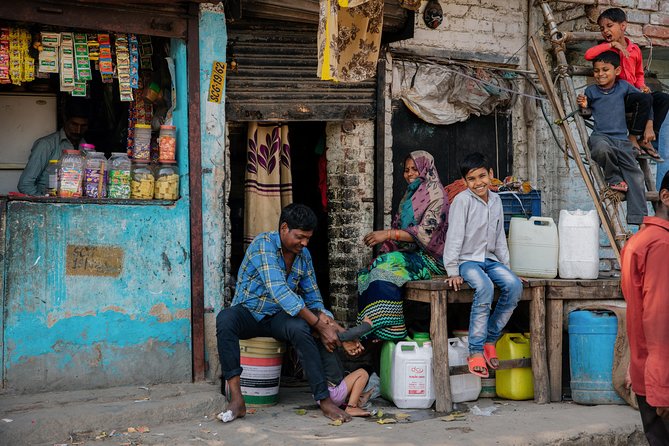
Delhi’s Sangam Colony is not a sightseeing set piece. It is a working neighborhood built along both sides of railway tracks, with homes, temples, workshops, fruit markets, and daily life packed into a small area. This tour gives you a local guide’s view of that community, rather than asking you to look at it from a passing vehicle.
I like two things right away. The guide comes from the same area, so the social and economic story is tied to real streets and people. I also like the practical side: your fee helps fund local education and vocational work, with 80 percent of proceeds going to a local nonprofit. The chance to share tea or a cold drink with a family adds a human exchange to what could otherwise feel like a purely observational walk.
The main caution is that the organization can be uneven. One experience began with a late guide and confusion about who was leading the walk, although the replacement guide eventually arrived. Confirm the meeting details before setting out, and allow a little patience for local arrangements.
In This Review
- Key Points Before You Book
- What This Delhi Walk Is Really About
- Starting at Pandav Nagar and Main Patel Road
- Walking Through Sangam Colony Along the Railway Tracks
- Tea, Cold Drinks, and Conversation With a Local Family
- The Pandav Nagar Education and Vocational Center
- Guide Quality, Safety, and Tour Organization
- Is $23.47 Good Value for Two to Three Hours?
- Who Should Take This Experience?
- Should You Book the Sangam Colony Walk?
- FAQ
- How long does the Delhi slum walking tour last?
- Where does the tour start and end?
- Is hotel pickup and drop-off included?
- What is included in the tour?
- How many people can join the group?
- What happens if I need to cancel?
Key Points Before You Book

- Walk through Sangam Colony: Expect a close look at homes, small industries, temples, railway tracks, and a fruit market in West Delhi.
- Local guides lead the way: Sunny and Abhishek are among the guides associated with this experience, and the guide comes from the same area.
- Small groups matter: The maximum group size is nine, which allows more room for questions and quieter conversations.
- Tea with a local family: A complimentary cold drink, black tea, or milk tea may be offered during an informal visit.
- Community benefit: Eighty percent of the proceeds support a local nonprofit and its education and vocational projects.
- Simple logistics: The tour lasts about two to three hours, starts and ends on Main Patel Road, and does not include hotel pickup or drop-off.
What This Delhi Walk Is Really About

A visit to an informal settlement can go wrong if it treats poverty as a spectacle. This walk has a better purpose when you approach it as a lesson in how a neighborhood functions. You are not simply looking at difficult living conditions. You are learning how homes, jobs, worship, trade, family life, and local projects fit together.
Your guide helps explain the socioeconomic setting as you move through Sangam Colony and Pandav Nagar. That context matters. Without it, the railway tracks, crowded lanes, and small businesses are just visual details. With it, you can better understand the choices people make and the work being done to improve access to education and training.
The tone also depends on you. Ask polite questions, listen carefully, and follow your guide’s lead about photography and conversation. The strongest part of this experience is the exchange with residents, not the chance to collect unusual pictures.
The tour is limited to nine people. That is a useful size for a walking route through narrow areas, and it gives you a better chance to hear the guide without a large crowd forming around local homes. It also makes the tea stop more personal, though you should still remember that you are entering someone else’s neighborhood.
More community walks in New Delhi:
- Sanjay Colony Slum Tour
★ 5.0 · 498 reviews - New Delhi Slum Walking Tour
★ 5.0 · 360 reviews - Delhi: Ethical Sanjay Colony Slum Tour
★ 4.9 · 242 reviews
Starting at Pandav Nagar and Main Patel Road
The meeting point is on Main Patel Road in Block B, Baljit Nagar, Shadipur, New Delhi. The tour ends back at the same point, and the area is near public transportation. Hotel pickup and drop-off are not included, so you need to make your own way to the start.
The first part of the walk takes place around Pandav Nagar. You may see railway tracks running through or beside the settlement, and Indian trains can pass through during the visit. That gives the area one of its defining features, but it also means you should pay attention to your guide and stay where you are directed.
Pandav Nagar includes several kinds of activity rather than one single type of neighborhood. The walk may take in local industries, temples, a fruit market, and residential lanes. I find this mix more useful than a tour that focuses only on hardship. You see how people work, shop, worship, and raise families in the same compact area.
The fruit market is also part of the tour’s local economic angle. Spending time around small businesses helps you see the settlement as a place where people earn money and serve their neighbors, not just as a place defined by its housing conditions. If you buy anything, do so respectfully and at your own discretion.
Walking Through Sangam Colony Along the Railway Tracks
Sangam Colony is described as a small settlement on both sides of the railway line. The walking portion here lasts about 30 minutes, though the full experience takes longer once the other stops and conversations are included.
This is likely to be the most intense section of the visit. Streets may feel close and busy, and the railway line is a constant part of the setting. You will see homes and local activity at close range, rather than from a bus window. The guide’s role is important here, since he can explain the area and help you move through it in a considerate way.
The route includes local homes, and the experience may involve meeting residents, children, pets, and families. The warm reception described by the tour’s strongest feedback is encouraging, but it does not remove the need for good manners. Keep your camera away unless you have clear permission, and avoid turning private moments into souvenirs.
This is a good tour for someone who wants to understand Delhi beyond monuments and markets. It is less suitable if you want a polished, predictable sightseeing route. The streets are part of an ordinary working neighborhood, so the experience can feel raw, direct, and occasionally awkward. That is part of its value, but it is not for everyone.
Tea, Cold Drinks, and Conversation With a Local Family
An optional tea break gives the walk a more personal shape. You may share black tea, milk tea, or a cold drink with a local family and hear stories of survival and everyday life. The drinks are included.
The tea stop can be the moment when the tour shifts from observation to conversation. It gives you time to ask questions in a less hurried setting and to meet people outside the rhythm of the walking route. The experience has been praised for making visitors feel safe and welcome, and that sense of hospitality is one of its strongest features.
At the same time, you should not expect a formal interview or a scripted presentation. Conversations may be simple and personal. Your guide may need to translate or explain the local setting, and the quality of the exchange can depend on timing, language, and who is available that day.
I would treat the tea as a chance to listen rather than a guaranteed highlight. It is optional, and the supplied details do not promise a fixed family visit for every departure. The included drink is a small benefit, but the real value comes from the setting and the conversation.
More walking tours in New Delhi:
- The Great Indian Food Tour: Old Delhi Food and Heritage Walk
★ 5.0 · 1,698 reviews - Old Delhi Food, Heritage&Cultural Walk with Rickshaw ride to Masterji Kee Haveli
★ 5.0 · 742 reviews - Breakfast Walk in Old Delhi
★ 5.0 · 449 reviews - Delhi Food Walk: Rickshaw Ride, Street Eats & Market Tour
★ 5.0 · 401 reviews
The Pandav Nagar Education and Vocational Center
The final major stop returns to Pandav Nagar and visits an educational and vocational training center. The visit lasts about 25 minutes. This is where the tour points toward solutions rather than ending with a portrait of need.
You will learn about the center’s work and the projects supported by the nonprofit. The exact classes or trades are not specified, so you should not book expecting a detailed demonstration of a particular skill. Still, the stop helps connect your tour fee with a practical local effort.
The center also gives you a chance to see how community support can take shape. Education and vocational training can help people build choices beyond the immediate limits of the neighborhood. The visit is brief, but it gives the walk a useful second half: first you see the setting, then you learn about work aimed at improving opportunity.
Since 80 percent of proceeds benefit the local nonprofit, this is more than a claim about responsible tourism. It gives you a clear reason to consider the price in terms of local benefit, not just the hours of guiding. You should still view the tour as a learning experience first, not as a donation with sightseeing attached.
Guide Quality, Safety, and Tour Organization
The guide is central to this experience. A local guide can explain social conditions in plain terms, introduce you to the area with care, and help conversations feel natural. Sunny has been singled out as a welcoming host who helped after an administrative mix-up, while Abhishek has also led the walk.
The most positive feedback describes guides as friendly, reassuring, and effective ambassadors for the community. One account called the experience uplifting and humbling rather than morbid. That is a useful way to judge the tour’s aim: it works best when the guide shows the humanity and resourcefulness of the area, not just its problems.
Organization is the weak point to keep in mind. A guide arrived 15 minutes late on one occasion, and the first person present was not the assigned guide. That sort of confusion can be frustrating, especially in an unfamiliar part of Delhi. I would arrive with your confirmation ready on your phone and contact the operator if the guide is not clearly identified at the meeting point.
The tour is presented as safe, and most people can participate. You are still walking through an active neighborhood beside railway tracks, so wear sensible shoes and stay close to the guide. No special fitness requirement is given, but this is a walking tour, not a seated cultural program.
Is $23.47 Good Value for Two to Three Hours?
At $23.47 per person, the tour costs more than a basic self-guided walk but less than many private Delhi experiences. The value comes from access, explanation, and the community benefit rather than from famous sights or expensive facilities.
You are paying for a small-group guide, a walk through places you would not easily understand on your own, a visit to the training center, and an included drink. You also support local projects, with 80 percent of proceeds directed to a nonprofit. That makes the cost easier to justify if responsible local spending is important to you.
The value is weaker if you want a tightly timed cultural tour with lots of formal attractions. The railway tracks, fruit market, temples, homes, and center are part of an everyday area, not a collection of major Delhi monuments. The tour’s success depends heavily on the guide and your willingness to pay attention to ordinary details.
The average booking point is 13 days ahead, so reserving early is sensible if your Delhi schedule is fixed. The experience has a 4.9 rating from 26 reviews and a 96 percent recommendation rate, but the small number of ratings means you should treat those figures as a useful signal, not a promise that every departure will run perfectly.
Who Should Take This Experience?
I would recommend this tour to you if you want to understand Delhi’s social and economic life beyond its forts, tombs, and grand avenues. It suits people who enjoy guided walks, direct conversation, and community-based projects. It is also a good fit for visitors who want a small group and a local guide rather than a large bus excursion.
Families with older children may find the educational center and local setting worthwhile, though parents should decide if the subject is suitable for their children. Most people can participate, but the route is not presented as an accessible or wheelchair-specific experience.
You should think twice if you dislike uncertain timing, close quarters, or visits to private residential areas. You should also skip it if your interest is mainly photography. The people and homes here are not scenery, and respectful behavior is essential.
Free cancellation is available if you cancel at least 24 hours before the start time. Changes made within 24 hours are not accepted, and late cancellations are not refunded. The tour may also be moved or refunded if bad weather affects the walk or if the minimum number of participants is not reached.
Should You Book the Sangam Colony Walk?
Book it if you want a direct, human look at one part of Delhi and are ready to listen more than point a camera. The combination of Sangam Colony, railway-side life, a family tea stop, and the education center gives the tour a clear purpose.
I especially like the local guide model and the fact that most proceeds support nonprofit work. Just allow for a little administrative uncertainty, confirm the starting details, and do not expect a polished attraction. For the right visitor, this is a thoughtful two to three hours that adds social context to a Delhi visit in a way a standard monument tour cannot.
FAQ
How long does the Delhi slum walking tour last?
The experience lasts approximately two to three hours, including the walks, local visits, tea or cold drink stop, and visit to the education and vocational center.
Where does the tour start and end?
It starts on Main Patel Road in Block B, Baljit Nagar, Shadipur, New Delhi. The tour ends back at the same meeting point.
Is hotel pickup and drop-off included?
No. Hotel pickup and drop-off are not included. The meeting area is near public transportation.
What is included in the tour?
The tour includes visits to Sangam Colony, the local center, a fruit market, a temple, and local homes. It also includes a cold drink, black tea, or milk tea.
How many people can join the group?
The activity has a maximum of nine participants.
What happens if I need to cancel?
You can receive a full refund if you cancel at least 24 hours before the experience starts. Cancellations or changes made less than 24 hours before the start time are not accepted for a refund.
Just added around New Delhi
- Delhi: All-Inclusive Full or Half Day Tour With Hotel Pickup★ 5.0 · 3 reviews
- From Delhi : All Inclusive Taj Mahal Tour by Gatimaan Express★ 5.0 · 3 reviews
- Skip the line: Taj Mahal Agra Private Day Trip From Delhi By Car★ 5.0 · 3 reviews
- Delhi: Old and New Delhi One Day Private Guided City Tour★ 5.0 · 3 reviews
- New Delhi Night City Tour★ 5.0 · 3 reviews
- Old Delhi Half day private city tour★ 5.0 · 3 reviews
- A full-day tour of Old & New Delhi Monument Express Entry★ 5.0 · 3 reviews
- Sultanpur Bird Sanctuary Tour Near Delhi★ 5.0 · 3 reviews
Community and Local Life Walks, compared.






New Delhi Sanjay Colony slum Tour (Private Tour)
Read our review →
Moral Slum Tour in Delhi with hotel pickup & drop
Read our review →Browse the lists this tour appears in