
Reviewed · GOLDEN TRIANGLE TOURS
14 Days Golden Triangle with Wildlife Safari & Heritage Rajasthan
The best part of this 14-day private circuit is its range. You move from Mughal tombs and the Taj Mahal to tiger country, then on to Rajasthan’s painted havelis, blue streets, hill forts, lakes, temples, and village markets. It is a big trip, but it gives you a broad first look at northern India without having to arrange every hotel, transfer, and guide yourself.
I like the private car and flexible sightseeing. A couple can travel in a sedan, while larger parties use a wagon or minivan, and you can sometimes skip a stop or adjust the pace. I also like the two safari drives at Ranthambore, since one outing alone can feel like a gamble in a wildlife park.
The tradeoff is time on the road. Delhi to Agra takes about four hours, Jaipur to Udaipur about eight, and the final return to Delhi about five. Monument tickets, most meals, tips, and several attraction fees are extra, so the advertised price is not your final spending total.
In This Review
- Key points to know before booking
- Delhi begins with temples, tombs, and Old City noise
- Agra delivers the trip’s signature morning
- Fatehpur Sikri and Chand Baori break up the road
- Ranthambore gives you two chances at wildlife
- Jaipur puts palaces, science, and street views together
- Udaipur trades forts for water and palace rooms
- Jodhpur mixes a great fort with local streets
- Pushkar and Mandawa add a slower final chapter
- What the $835.72 price really covers
- Who should choose this route
- Should you book this 14-day India tour?
- FAQ
- Is this a private tour?
- Where does the tour begin?
- Are hotels included?
- Are meals included?
- Are the Ranthambore safaris included?
- Can I cancel for a full refund?
Key points to know before booking
- Two Ranthambore safaris: Morning and evening drives are included, using a canter or jeep.
- A full Rajasthan sweep: The route reaches Jaipur, Udaipur, Jodhpur, Pushkar, and Mandawa.
- Private transport throughout: Your own air-conditioned vehicle and driver handle hotel-to-hotel travel.
- The Taj Mahal at sunrise: You visit twice in Agra, including an early guided visit.
- Three hotel categories: You can choose an option with 3-, 4-, or 5-star accommodation and daily breakfast.
- Good for small groups: Vehicles range from a four-seat sedan to a 10-seat minivan.
Delhi begins with temples, tombs, and Old City noise
Your first day starts with airport pickup at Indira Gandhi International Airport, Terminal 3. A representative and driver meet you, take you to the hotel, and then offer a gentle introduction to Delhi with Gurdwara Bangla Sahib and Agrasen Ki Baoli.
Bangla Sahib is a Sikh place of worship known for its sacred water tank and calm white-and-gold setting. You have about 30 minutes here, admission is free, and modest clothing is the sensible choice for a religious site.
Agrasen Ki Baoli is a narrow historic stepwell protected by India’s Archaeological Survey. Its descending flights of steps make a sharp contrast with Delhi’s modern streets. The visit is brief, around 15 minutes, and admission is not included, so think of it as a quick architectural stop rather than a long visit.
Day two packs in more of Delhi. Qutub Minar is the major early highlight, a 73-meter, five-story tower linked to the Delhi Sultanate. Give it an hour, and remember that the entrance fee is extra.
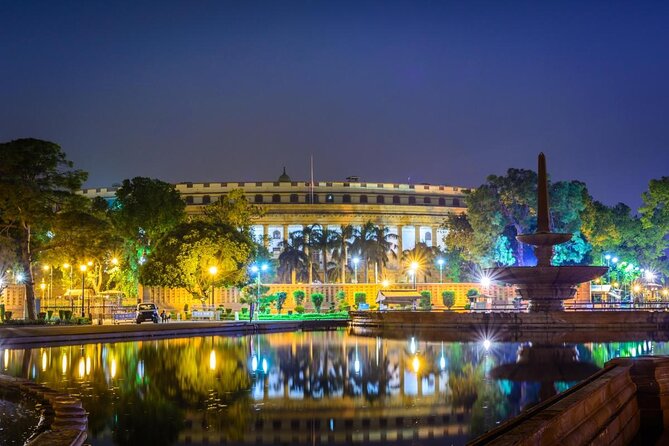
The Lotus Temple offers a quieter pause. Its white, flower-shaped design opened in 1986, and people of every religion may enter. India Gate and Parliament House are mainly viewed from outside, making them useful photo and orientation stops rather than extended visits.
Jama Masjid brings you into Old Delhi’s Mughal era. The mosque was built under Shah Jahan between 1650 and 1656. Humayun’s Tomb, commissioned in 1558 by Empress Bega Begum, deserves more time, since its formal gardens and architecture help you understand the design ideas that later appeared at the Taj Mahal.
End the day in Chandni Chowk. This is the least polished and most rewarding part of Delhi’s route, with spice stalls, dried fruit, silver jewelry, colorful fabric, and narrow lanes full of small shops. You get about an hour here. Keep your belongings close and expect crowds, traffic, and a lot of sensory overload.
More Golden Triangle itineraries from New Delhi:
- 3-Days Private Golden Triangle Tour: Delhi, Agra & Jaipur by Car
★ 5.0 · 1,107 reviews - 3-Days Private Golden Triangle Tour: Delhi, Agra & Jaipur by Car
★ 5.0 · 1,098 reviews - 3-Day Delhi, Agra and Jaipur Private Tour – India Golden Triangle
★ 5.0 · 812 reviews
Agra delivers the trip’s signature morning
The drive from Delhi to Agra covers about 222 kilometers and takes roughly four hours. Once in Agra, the schedule moves quickly through the Taj Mahal, Agra Fort, Itmad-ud-Daulah, and Mehtab Bagh.
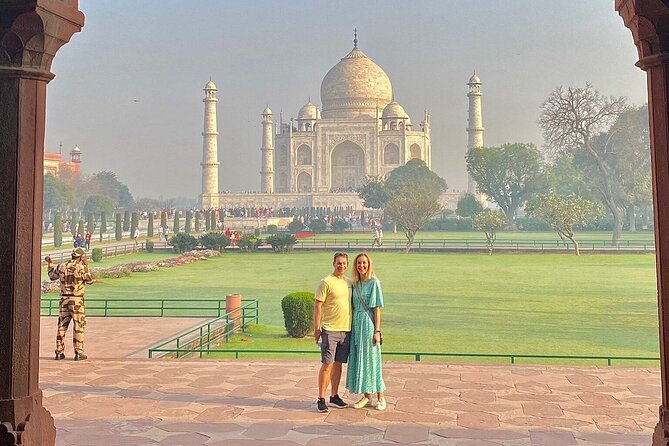
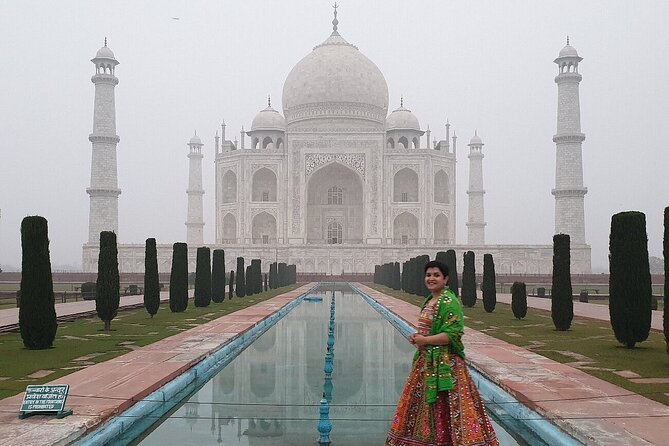
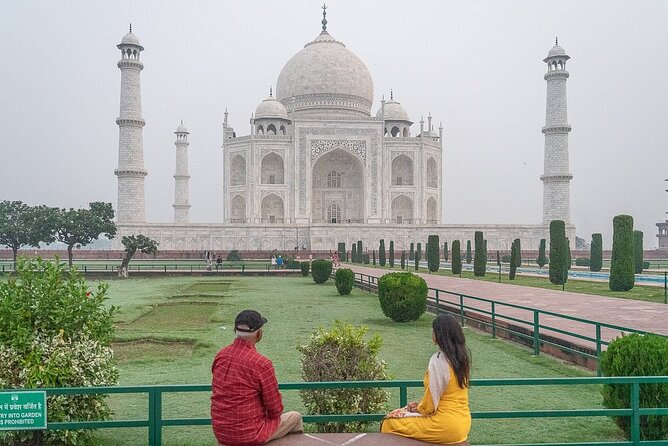
The Taj Mahal is the emotional center of the journey. Shah Jahan commissioned it in memory of Mumtaz Mahal, and the white marble changes color with the light. The plan gives you a sunset visit on arrival day and another visit at sunrise the following morning. That repeat is worthwhile, because the atmosphere and light are quite different.
The early visit includes a guided tour inside the monument for about two hours. A battery bus carries you between the parking area and the Taj complex, which saves some walking. The entrance fee is not included, so budget for it separately.
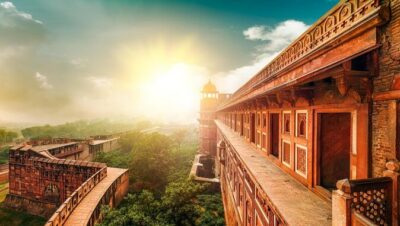
Agra Fort gives the marble mausoleum a political setting. Its massive walls, courtyards, and palace rooms connect directly to the Mughal rulers associated with Agra. It is not simply a second red fort after Delhi. The views toward the Taj and the stories of Akbar and Shah Jahan make it one of the strongest stops in the city.
Itmad-ud-Daulah is smaller and more delicate. Often called the Baby Taj, this mausoleum is known for its fine inlay work and jewel-box scale. Mehtab Bagh, across the Yamuna, is scheduled for a sunset view of the Taj. Both require extra admission fees.
Fatehpur Sikri and Chand Baori break up the road
After the sunrise Taj visit, the route heads toward Rajasthan. Fatehpur Sikri is about an hour’s sightseeing. Emperor Akbar built this planned city in the late 16th century, and it served as the Mughal capital for roughly a decade.
The sandstone courtyards and palace buildings are easier to appreciate with a guide, since the complex can otherwise feel like a series of grand empty spaces. The stop is included in the sightseeing plan, but you should confirm which entrance fees apply before the day begins.
Chand Baori at Abhaneri is another worthwhile roadside stop. This stepwell drops about 30 meters into the ground, with tightly patterned stairs on several sides. You have about an hour here, though the admission fee is extra.
The day ends at Ranthambore after a long transfer. The schedule allows about five hours for the journey and arrival process. This is a demanding day, but it connects three very different places without adding another hotel change.
Ranthambore gives you two chances at wildlife

Ranthambore National Park is the adventure portion of the trip. Two safari drives are planned for day five, one after breakfast and another in the evening. Entrance and the safari vehicle are included, with the park using either a canter or jeep.
The key practical point is that wildlife sightings cannot be promised. The park is known for tiger sightings, but a safari is still a search through a large natural area. Having two drives is a real advantage over a single outing, since the time of day, route, and animal activity can all differ.
The safari vehicles matter too. A jeep generally carries fewer people than a canter, but the exact vehicle depends on the arrangement. Ask before booking if the type of vehicle is especially important to you.
After Ranthambore, the route moves toward Jaipur. On the way, you stop at Galtaji Temple, also called the Monkey Temple, with sacred pools and a complex hillside setting. Birla Mandir is a polished white Hindu temple at the base of Moti Dungari. Both visits offer a change from forts and palaces, though temple visits may require modest dress and respectful behavior.
The schedule also lists a Jhalana Safari Park drive in Jaipur, about three hours in the evening, with entrance included. This adds another wildlife experience, though Jhalana is a different park from Ranthambore and should not be treated as a second tiger reserve.
More safari itineraries from New Delhi:
- Private 4-Day Golden Triangle Tour with Ranthambore Tiger Safari
★ 5.0 · 248 reviews - Private 5-Day Ranthambhore Tiger Tour from Delhi including the Taj Mahal, Agra and Jaipur
★ 5.0 · 197 reviews - From Delhi: 4-Day Golden Triangle & Ranthambore Guided Tour
★ 4.7 · 121 reviews - 4 Day Golden Triangle with Ranthambore Tiger Safari Tour from Delhi
★ 5.0 · 110 reviews
Jaipur puts palaces, science, and street views together
Jaipur’s sightseeing day begins at Panna Meena ka Kund, a stepwell near the Amber area. It is a short 15-minute stop, so you will mainly see the geometric stair design and take photographs.
Amber Fort receives about two hours. Built by Raja Man Singh I, it combines defensive walls, palace courtyards, and decorative details. Wear comfortable shoes, since forts and old palace grounds often mean uneven surfaces and stairs.
Jal Mahal is a short photo stop at Man Sagar Lake. The palace appears to float in the water, though the schedule does not include a long visit. The City Palace provides a more substantial look at Jaipur’s royal administration and ceremony, with about an hour inside.
Jantar Mantar is one of Jaipur’s most unusual sights. Its enormous stone instruments were built in 1734 by Sawai Jai Singh II to measure astronomical positions and time. A guide makes this stop much easier to understand, because the scale alone does not explain how the instruments worked.
Hawa Mahal closes the city tour with its famous pink-and-red facade. The 30-minute visit is mainly about the exterior and the distinctive screened windows. Several Jaipur attractions charge separate admission, including the City Palace, Jantar Mantar, Hawa Mahal, and other major monuments.
Udaipur trades forts for water and palace rooms
The drive from Jaipur to Udaipur takes about eight hours, making day eight one of the longest transfers. On arrival, you check in and have time for local markets and dinner at a restaurant of your choice. Meals are not generally part of the package, so plan to pay for dinner yourself.
Udaipur’s main day centers on Lake Pichola and the City Palace. A private boat ride is available as an extra, with views toward the lake and Jagmandir Palace island. Since the boat fee is not included, decide in advance if it fits your budget.
The City Palace takes about two hours and overlooks the lake. Its displays include weapons, paintings, sedan chairs, tiger cages, and royal objects. Jagdish Temple adds a working religious site with Indo-Aryan design, while Bagore Ki Haveli Museum offers another hour of local culture and household history.
One useful feature here is flexibility. If you do not want to stop at Bagore Ki Haveli, you can tell the driver and move on. That kind of control is valuable on a private tour, especially after several full sightseeing days.
Jodhpur mixes a great fort with local streets
The transfer to Jodhpur takes about six hours. After checking in, you visit the Clock Tower Market, a practical first look at the city’s shopping streets and the old center.
The following day is built around Mehrangarh Fort. Set on a rocky outcrop, this former palace now holds weapons, paintings, and royal palanquins. Allow two hours, and expect a strong visual payoff from the fort’s position above the blue city.
Umaid Bhawan Museum presents a different kind of royal setting. The palace is one of the world’s largest private residences, built from golden-yellow sandstone. Jaswant Thada is smaller and quieter, a marble cenotaph honoring the rulers of Marwar. It is often compared with the Taj Mahal of Jodhpur, but its appeal is its calm setting and pale stonework.
The afternoon Bishnoi village excursion is one of the route’s more distinctive choices. The plan describes time with local women and a chance to see village life and local customs. It is recommended as a popular stop, but you should approach it respectfully and ask before taking photographs.
Pushkar and Mandawa add a slower final chapter
Pushkar takes about five hours to reach from Jodhpur. The visit focuses on the Brahma Temple and Pushkar Lake. The temple is associated with the unusual fact that it is one of the few major temples dedicated to Brahma, while the lake’s ghats are used for prayers and memorial rituals.
This is a religious setting, not just a photo stop. Follow your guide’s instructions, dress modestly, and be aware that rituals at the ghats are personal and significant.
Day thirteen brings you to Mandawa after about five hours on the road. The village is known for painted havelis, with ornate wall art and old merchant homes. This stop provides a welcome change after Rajasthan’s large forts and royal palaces.
The final drive to Delhi takes about five hours. Airport drop-off is available, but you should confirm the timing carefully if you have a same-day flight. A long road transfer and Indian traffic can make tight flight connections uncomfortable.
What the $835.72 price really covers
At $835.72 per person, the tour can offer solid value for a private 14-day route, particularly if you are splitting the car and guide costs with family or friends. The value comes from the number of cities covered, private air-conditioned transport, airport and hotel transfers, local guides, hotel stays when selected, breakfast, and the two included Ranthambore safaris.
Read the booking option carefully. Accommodation is included only when you choose the hotel package, and the listed hotel choices range from 3 to 5 stars. Rooms are normally twin-sharing. A group of three is assigned a triple room by default, while two rooms cost extra.
The package includes 13 breakfasts with the hotel option, but not other meals. Monument entrance fees are also excluded at many major sites. Add money for the Taj Mahal, Qutub Minar, Humayun’s Tomb, Agra Fort, Itmad-ud-Daulah, Mehtab Bagh, Jaipur’s paid attractions, Udaipur’s palace and boat options, Jodhpur’s monuments, tips, laundry, insurance, and personal expenses.
The private setup is best for one to six people, though the transport notes allow a 10-seat minivan for groups of five to ten. A four-seat sedan is used for one or two people, and a six-seat wagon for three or four. Larger groups should confirm the exact vehicle and room setup before paying.
Who should choose this route
I would choose this tour if you want a broad first trip to northern India and prefer one point of contact for transport, hotels, and guides. It suits couples, families, and small groups who value privacy more than the freedom of planning every stop themselves.
You should also be comfortable with early starts and long drives. The route is not restful in the usual sense. Delhi and Jaipur are packed with sights, Ranthambore involves safari schedules, and the transfers to Udaipur, Jodhpur, Pushkar, Mandawa, and Delhi take up many hours.
The plan works best if you see it as a grand sampler. You will not have endless free time in each city, but you will see the Taj Mahal, major Mughal sites, Rajput forts, stepwells, temples, wildlife parks, a lake city, a blue city, a pilgrimage town, and painted village mansions.
The company’s representative, Mr. Gopal, is identified as someone who calls guests about the arrangements. That direct contact can be useful if you need to discuss hotel choices, room sharing, or a small change to the day’s plan.
Should you book this 14-day India tour?
Book it if you want maximum variety with private transport and you accept the long road days. The two Ranthambore safaris, sunrise Taj Mahal visit, flexible private touring, and access to less familiar places such as Chand Baori, Bishnoi village, and Mandawa give the route more range than a basic Delhi, Agra, and Jaipur trip.
Skip it if you want a slow holiday, independent train travel, or plenty of unplanned time. Before booking, confirm the hotel category, vehicle size, exact monument fees, safari vehicle, and airport drop-off time. If those costs and logistics fit your plans, this is a practical way to see a large slice of India in one carefully arranged journey.
FAQ
Is this a private tour?
Yes. Only your own group participates, with private transportation and private local guides.
Where does the tour begin?
The tour begins with pickup at Indira Gandhi International Airport, Terminal 3, in New Delhi.
Are hotels included?
Hotels are included only if you select the option that includes accommodation. The available hotel choices range from 3 to 5 stars.
Are meals included?
The hotel option includes 13 breakfasts. Other meals are not included, so you pay for lunch, dinner, and other food yourself.
Are the Ranthambore safaris included?
Yes. The package includes Ranthambore National Park entrance and safari transport by canter or jeep. Two safari drives are scheduled on day five.
Can I cancel for a full refund?
You can receive a full refund if you cancel at least 24 hours before the experience start time. Cancellations or changes within 24 hours are not accepted for a refund.
More Historical Tours in New Delhi
- The Great Indian Food Tour: Old Delhi Food and Heritage Walk
★ 5.0 · 1,698 reviews - Old Delhi Food, Heritage&Cultural Walk with Rickshaw ride to Masterji Kee Haveli
★ 5.0 · 742 reviews - Old Delhi Heritage Walking Tour
★ 5.0 · 247 reviews - 3-hour Old Delhi Heritage Walking tour with Rickshaw Ride
★ 5.0 · 240 reviews
More Wildlife in New Delhi
- Golden Triangle with Wildlife and Royal Castle Stay
★ 4.5 · 101 reviews - Same Day Tajmahal at Sunrise and SOS wildlife sanctuary tour
★ 5.0 · 28 reviews - 8-Day Private Golden Triangle Tour with a Ranthambore Wildlife Safari From Delhi
★ 4.5 · 23 reviews - From Delhi :Taj Mahal And Agra Tour with Elephant wildlife sos
★ 5.0 · 22 reviews
Just added around New Delhi
- Delhi: All-Inclusive Full or Half Day Tour With Hotel Pickup★ 5.0 · 3 reviews
- From Delhi : All Inclusive Taj Mahal Tour by Gatimaan Express★ 5.0 · 3 reviews
- Skip the line: Taj Mahal Agra Private Day Trip From Delhi By Car★ 5.0 · 3 reviews
- Delhi: Old and New Delhi One Day Private Guided City Tour★ 5.0 · 3 reviews
- New Delhi Night City Tour★ 5.0 · 3 reviews
- Old Delhi Half day private city tour★ 5.0 · 3 reviews
- A full-day tour of Old & New Delhi Monument Express Entry★ 5.0 · 3 reviews
- Sultanpur Bird Sanctuary Tour Near Delhi★ 5.0 · 3 reviews
Golden Triangle Tours, compared.
3-Days Private Golden Triangle Tour: Delhi, Agra & Jaipur by Car
Read our review →3-Days Private Golden Triangle Tour: Delhi, Agra & Jaipur by Car
Read our review →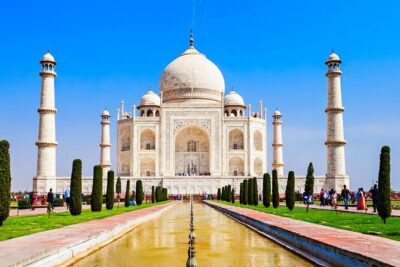
3-Day Delhi, Agra and Jaipur Private Tour – India Golden Triangle
Read our review →
Four-Day Private Luxury Golden Triangle Tour to Agra and Jaipur From New Delhi
Read our review →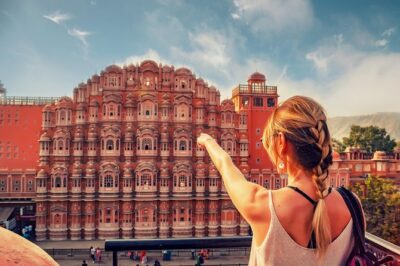
Jaipur Day Trip from Delhi by Car or Train – All Inclusive
Read our review →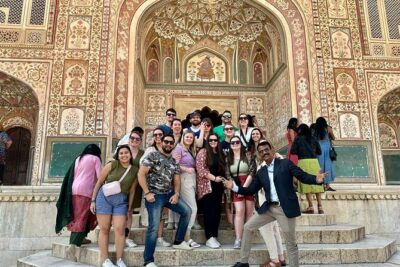
Jaipur City Private Day Tour from Delhi by Car – All Inclusive
Read our review →
5 Nights 6 Days Private Golden Triangle Tour – Delhi Agra Jaipur
Read our review →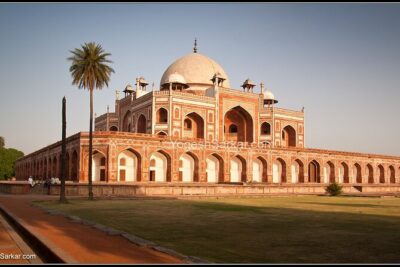
Browse the lists this tour appears in