
Reviewed · GOLDEN TRIANGLE TOURS
5-Day Private Delhi, Agra and Jaipur with Ranthambhore Tiger Tour From Delhi
India’s classic Golden Triangle gets an extra jolt of excitement here: after Delhi, Agra, and Jaipur, you spend time in Ranthambore National Park, looking for wild tigers from a shared jeep. The tour pairs famous monuments with a very different kind of Indian experience.
I like the private car and continuous driver, which saves you from arranging several long transfers yourself. I also like the two safari outings, one in the morning and one in the afternoon, since a single game drive can easily produce no tiger sighting. The drawback is the pace: five days cover a lot of ground, and the safari portion is shared even though the main tour is private.
In This Review
- Key points at a glance
- Four historic cities and one wild-card stop
- Day 1: Delhi’s Mughal and colonial story
- Day 2: Taj Mahal at sunrise, then Agra Fort
- Day 3: Two chances to find a tiger in Ranthambore
- Day 4: Jaipur’s royal center and giant instruments
- Day 5: Amber Fort, Jal Mahal, and Jaipur’s pink facade
- Hotels, meals, and the value of private travel
- Who should book this five-day route?
- Should you book it?
- FAQ
- What is the starting time for the tour?
- Is this a private tour?
- Are transportation and pickup included?
- Are the Ranthambore safaris private?
- Are guides included?
- Are admission tickets included?
- What is the cancellation policy?
Key points at a glance
- Sunrise at the Taj Mahal: You reach Agra’s great monument at the best time for soft light and cooler air.
- Two Ranthambore safaris: Morning and afternoon shared-jeep outings give you two chances to search for tigers.
- One private car throughout: A private, air-conditioned vehicle connects the major stops without public transport or group buses.
- Local guides in each city: English-speaking guides are provided for the major sightseeing days.
- Four and five-star lodging: Hotels are selected at an upscale level, with some meals included.
- A helpful driver matters: Kishore is specifically praised for assisting a 77-year-old passenger using a cane and managing heavy luggage.
Four historic cities and one wild-card stop
This is not just a monument tour. Delhi gives you Mughal and colonial landmarks, Agra supplies the emotional high point, Jaipur brings Rajput palaces and astronomical instruments, and Ranthambore changes the rhythm with forests, ruins, and the possibility of a tiger.
You should think of the trip as a fast sampler rather than a slow study of northern India. The private format helps because your group does not have to wait for strangers at every stop, but the distances still make some days demanding.
At $697.20 per person, the price covers a great deal: private air-conditioned road transport, admission tickets, local English-speaking guides, upscale hotels, select meals, and the park safaris. That can be good value if you want a ready-made route and would otherwise need to arrange drivers, hotels, monument tickets, and guides separately.
The price is less compelling if you prefer to travel slowly, choose your own hotels, or spend several days in each city. The package is strongest for a first visit when convenience and coverage matter more than complete independence.
More Agra and Fatehpur Sikri days:
- Same Day Taj Mahal, Agra Fort & Baby Taj Tour from Delhi by Car
★ 5.0 · 4,304 reviews - Full Day Taj Mahal, Agra Fort & Baby Taj Tour from Delhi by Car
★ 5.0 · 3,647 reviews - From Delhi: Taj Mahal & Agra Private Day Trip with Transfers
★ 4.9 · 3,181 reviews
Day 1: Delhi’s Mughal and colonial story
The opening day begins at 8:30 a.m. and covers a broad sweep of New Delhi. You visit Humayun’s Tomb, Qutub Minar, the Lotus Temple, India Gate, Parliament House, and Rashtrapati Bhavan.
Humayun’s Tomb is an excellent first stop because it introduces the Mughal design ideas that later reach their grandest expression at the Taj Mahal. Built in the mid-16th century for Emperor Humayun by Haji Begum, the tomb is a UNESCO World Heritage Site and a major Delhi landmark.
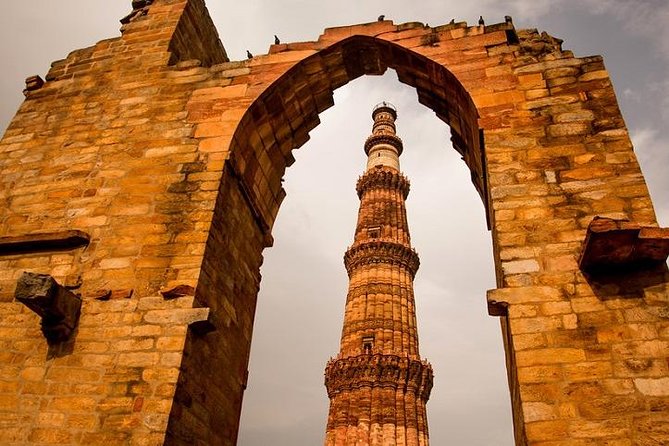
Next comes Qutub Minar, the soaring Afghan-style victory tower that gives its wider complex its name. Sultan Qutb-ud-din began the minaret in 1193. It is one of those places where the scale is easy to underestimate until you are standing beside it, looking up.
The Lotus Temple offers a sharp change of mood. Its 27 white-marble petals form a lotus shape, and the building was designed for quiet worship. After the noise and traffic of Delhi, this stop gives you a calmer pause.
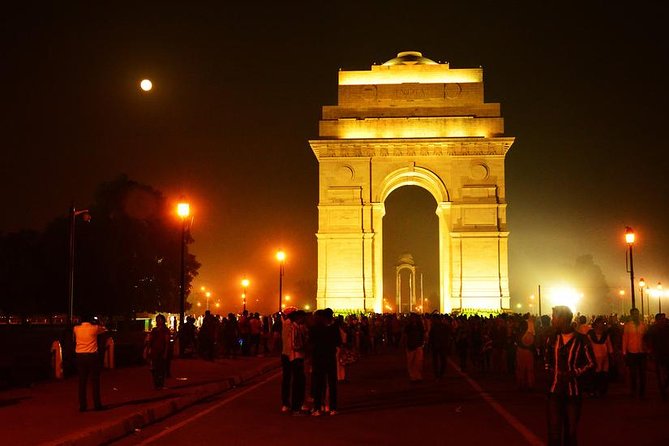
India Gate shifts the focus to modern Indian history. The 42-meter memorial arch honors roughly 90,000 Indian soldiers who died in World War I, the Northwest Frontier operations, and the 1919 Anglo-Afghan War. It is primarily an exterior viewing stop, so do not expect a long museum visit here.
You also see Parliament House and Rashtrapati Bhavan, the President’s House. Rashtrapati Bhavan was once the British viceroy’s residence and contains 340 rooms connected by 2.5 kilometers of corridors. These stops help explain how British imperial planning shaped New Delhi.
The first day packs in six major sights. I would expect the day to feel full, especially with Delhi traffic, but the range is useful. You get architecture, religion, memorials, government buildings, and Mughal history rather than six versions of the same monument.
Day 2: Taj Mahal at sunrise, then Agra Fort
The Taj Mahal is scheduled for sunrise, and that timing is one of the smartest parts of the trip. Morning light gives the marble a softer appearance, and the early start helps you see the monument before the hottest part of the day.
The Taj Mahal was built by Shah Jahan as a memorial to his wife Mumtaz Mahal, who died giving birth to their fourteenth child. The building is famous for its beauty, but the personal story gives the visit its emotional weight. Take time to look beyond the main photograph. The symmetry, marble work, gardens, and changing light are what make the place memorable.
A local English-speaking guide is included, which matters at the Taj Mahal. The monument can feel overwhelming on your own because there is so much to see and so many details competing for attention. A guide can give the visit structure, though the quality of your experience will still depend on the individual guide assigned that day.
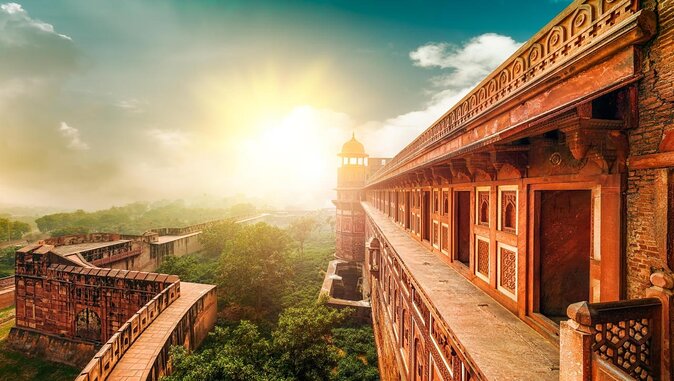
Agra Fort provides the historical counterpoint. Built along the Yamuna River, it served as the principal residence of Mughal emperors until 1638. The fort is not simply a defensive wall. Its palaces, courtyards, and red sandstone buildings show how imperial power operated behind the scenes.
I like the pairing of these two sites. The Taj Mahal represents refined memorial architecture, while Agra Fort gives you a better sense of the rulers, court life, and political power behind it. You should allow yourself a slower look at the fort instead of treating it as a quick second monument.
The practical concern is the road time built around the Golden Triangle. The schedule does not list every transfer duration, so you should be ready for long stretches in the car. The private vehicle makes those hours easier, particularly when you want to stop for comfort or manage luggage without a large group.
Day 3: Two chances to find a tiger in Ranthambore
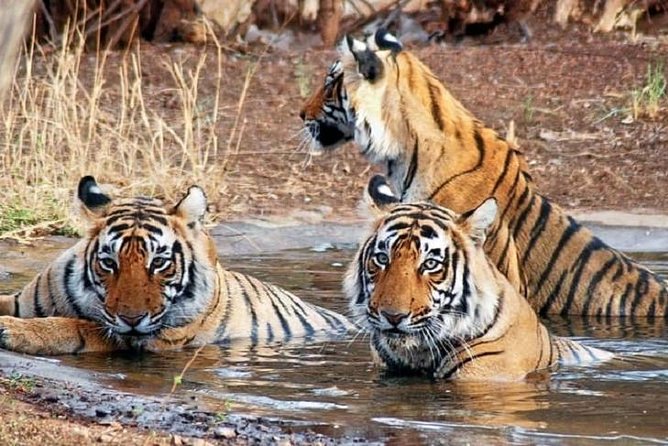
Ranthambore is the tour’s wild-card day. You take a morning safari and an afternoon safari in a shared jeep, searching for tigers in the protected reserve with an English-speaking naturalist.
Two outings are much better than one. Wildlife does not follow a sightseeing schedule, and a tiger may be hidden, distant, or simply absent from the area you visit. The morning and afternoon drives offer different conditions and two separate opportunities to see wildlife and photograph the reserve.
Still, a tiger sighting is never guaranteed by the schedule. The tour promises time in the reserve and a search for tigers, not a certain result. You should book this day because you like the process of looking, not only because you want a photograph.
The shared jeep is an important detail. The main road portion is private for your group, but the safari vehicle is not exclusive. That means the wildlife portion has a more social, less controlled feel than the rest of the trip.
An English-speaking naturalist adds useful context while you are in the reserve. The value is not limited to spotting a tiger. You can better understand animal behavior, habitats, and the signs that help a trained observer read the area.
The change from monuments to wildlife also helps the trip. After two days of stone buildings and city traffic, Ranthambore gives you open space and a slower kind of attention. You may spend long periods watching and waiting, which is exactly why some people find a safari more rewarding than another scheduled landmark.
More Golden Triangle itineraries from New Delhi:
- 3-Days Private Golden Triangle Tour: Delhi, Agra & Jaipur by Car
★ 5.0 · 1,107 reviews - 3-Days Private Golden Triangle Tour: Delhi, Agra & Jaipur by Car
★ 5.0 · 1,098 reviews - 3-Day Delhi, Agra and Jaipur Private Tour – India Golden Triangle
★ 5.0 · 812 reviews - Four-Day Private Luxury Golden Triangle Tour to Agra and Jaipur From New Delhi
★ 5.0 · 807 reviews
Day 4: Jaipur’s royal center and giant instruments
Jaipur brings you back to architecture and court life with the City Palace and Jantar Mantar Observatory.
The City Palace remains the residence of Jaipur’s royal family. It is a complex of courtyards, gardens, and buildings in the center of the Old City, with palace sections from different periods. The setting helps you see Jaipur as a planned royal capital rather than just a collection of pink facades.
Give yourself time to notice the contrast between grand ceremonial spaces and more intimate palace details. The appeal is in the combination of working royal residence, historic courtyards, and layered architectural styles.
Jantar Mantar is a UNESCO World Heritage Site and one of the most unusual stops on the route. Its curved geometric structures were carefully calibrated to track the movement of stars and planets. The scheduled visit lasts about an hour.
You do not need to be an astronomy specialist to enjoy Jantar Mantar. The instruments are large, physical, and easy to grasp once a guide explains what each one measures. It is also a welcome reminder that Jaipur’s royal culture involved science and observation, not only palaces and processions.
Day 4 may feel lighter than the Delhi schedule, but that depends on the road movements around it. The private car and guide arrangement give you a better chance to focus on the palace and observatory without worrying about local transport.
Day 5: Amber Fort, Jal Mahal, and Jaipur’s pink facade
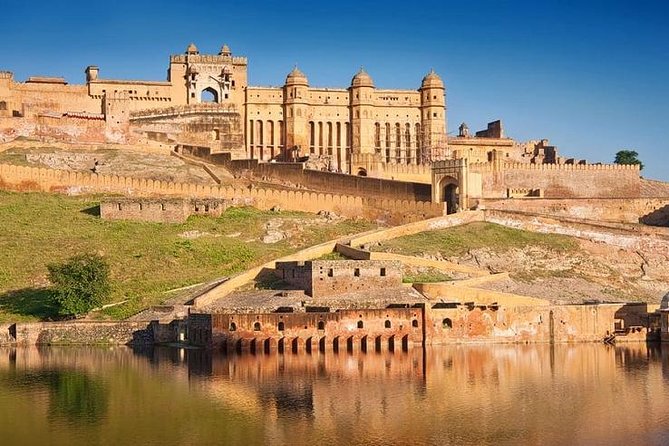
The final day begins at Amber Fort, about 11 kilometers northeast of Jaipur. The honey-colored fort rises from a rocky mountainside and is one of the clearest examples of Rajput architecture on this route.
Amber Fort deserves the generous two-hour stop listed for it. The site is large, impressive, and built for both defense and royal life. You will want time for the courtyards, gateways, and elevated views rather than a rushed walk to one photo point.
The fort’s location is part of its appeal. It feels separate from central Jaipur, and the climb of the surrounding hills makes the defensive purpose clear. The scale can also be tiring, so comfortable shoes and a measured pace are sensible, especially for anyone with mobility limits.
Jal Mahal is a photo stop rather than a full palace visit. The Water Palace sits in Man Sagar, creating a striking view from the shore. Because the stop is brief, treat it as a chance to appreciate the setting and take photographs, not as an interior tour.
Hawa Mahal, the Palace of Winds, is another photo stop. Its pink-painted honeycomb facade rises five stories and was built in 1799 by Maharaj Sawai Pratap Singh. The front is so distinctive that even a short exterior visit gives you one of Jaipur’s most recognizable images.
The final day works well as a visual finish: a hill fort, a palace on the water, and Jaipur’s ornate pink facade. It is less useful for anyone hoping to spend hours shopping or exploring local neighborhoods, since the schedule is focused on major sights.
Hotels, meals, and the value of private travel
Four and five-star hotels are included, along with select meals. That gives you a comfortable base after early starts and long road days, though the information does not specify each hotel or exactly which meals are covered. Confirm those details before booking if room style or dining arrangements matter to you.
The private, air-conditioned car is one of the package’s most practical features. You avoid coordinating separate taxis between four destinations, and your group has the vehicle to itself during the main transfers. This is especially useful when you have substantial luggage.
One passenger, age 77 and using a cane, received hands-on help from the driver Kishore with getting in and out of the vehicle. That detail is worth noting if you are traveling with an older relative or anyone who needs occasional physical assistance. It does not remove the walking demands at the forts and monuments, but an attentive driver can make the road portions much easier.
The tour is private, and only your group participates in the main activity. The exception is the shared jeep used for both Ranthambore safaris. Most people can participate, and the starting point is near public transportation, with pickup offered.
You also receive confirmation at booking, mobile ticketing, and group discounts. These are useful conveniences, but the real value comes from combining transport, hotels, guides, entry tickets, and wildlife outings in one five-day plan.
Who should book this five-day route?
I would choose this tour for a first visit to northern India when you want the major sights without handling every transfer yourself. It suits couples, families, and small private groups that value a dedicated vehicle and a set route.
It is also a sensible choice for multi-generational groups. The driver support described above is encouraging, although you should remember that Amber Fort, Agra Fort, and the major monuments involve walking and uneven surfaces.
You will probably enjoy it less if you want long, unstructured mornings or several nights in each city. The early Taj Mahal visit and two Ranthambore safaris are worthwhile, but they make the schedule active.
The safari should be the deciding factor. If you want a chance to see a wild tiger and are comfortable with a shared jeep and no guaranteed sighting, Ranthambore adds real variety. If wildlife is not important to you, a slower Golden Triangle tour may offer better value.
Should you book it?
Book this tour if you want a polished five-day route with the Taj Mahal, Delhi’s major landmarks, Jaipur’s royal sights, and two tiger searches in one package. The strongest reasons are the private air-conditioned car, included local guides and tickets, upscale hotels, and the driver support that can be valuable for older passengers.
Think twice if you dislike long drives, prefer independent hotel choices, or want a private safari vehicle. At $697.20 per person, the package offers solid value for the amount included, but its pace is the price you pay for covering so much ground in five days.
FAQ
What is the starting time for the tour?
The listed start time is 8:30 a.m.
Is this a private tour?
Yes. The main tour is private, and only your group participates.
Are transportation and pickup included?
Pickup is offered, and the tour uses private, air-conditioned car transfers for the main route.
Are the Ranthambore safaris private?
No. Both the morning and afternoon safaris use a shared jeep.
Are guides included?
Yes. Local English-speaking guides are included, and an English-speaking naturalist accompanies the Ranthambore safari portion.
Are admission tickets included?
Yes. Admission tickets are included, including the listed sightseeing stops.
What is the cancellation policy?
You can cancel at least 24 hours before the local start time for a full refund. Cancellations or changes made within 24 hours are not accepted for a refund.
More 5-Day Experiences in New Delhi
- 5-Day Private Luxury Golden Triangle Tour to Agra and Jaipur From New Delhi
★ 5.0 · 142 reviews - Private Golden Triangle Tour 5 Days Delhi Agra Jaipur
★ 5.0 · 92 reviews - From Delhi: 5-Day Tiger Safari & Golden Triangle Tour
★ 4.5 · 81 reviews - Five Day – Private Luxury Golden Triangle Tour to Agra & Jaipur From New Delhi.
★ 5.0 · 67 reviews
More Safari in New Delhi
- Private 4-Day Golden Triangle Tour with Ranthambore Tiger Safari
★ 5.0 · 248 reviews - Private 5-Day Ranthambhore Tiger Tour from Delhi including the Taj Mahal, Agra and Jaipur
★ 5.0 · 197 reviews - From Delhi: 4-Day Golden Triangle & Ranthambore Guided Tour
★ 4.7 · 121 reviews - 4 Day Golden Triangle with Ranthambore Tiger Safari Tour from Delhi
★ 5.0 · 110 reviews
Just added around New Delhi
- Delhi: All-Inclusive Full or Half Day Tour With Hotel Pickup★ 5.0 · 3 reviews
- From Delhi : All Inclusive Taj Mahal Tour by Gatimaan Express★ 5.0 · 3 reviews
- Skip the line: Taj Mahal Agra Private Day Trip From Delhi By Car★ 5.0 · 3 reviews
- Delhi: Old and New Delhi One Day Private Guided City Tour★ 5.0 · 3 reviews
- New Delhi Night City Tour★ 5.0 · 3 reviews
- Old Delhi Half day private city tour★ 5.0 · 3 reviews
- A full-day tour of Old & New Delhi Monument Express Entry★ 5.0 · 3 reviews
- Sultanpur Bird Sanctuary Tour Near Delhi★ 5.0 · 3 reviews
Golden Triangle Tours, compared.
3-Days Private Golden Triangle Tour: Delhi, Agra & Jaipur by Car
Read our review →3-Days Private Golden Triangle Tour: Delhi, Agra & Jaipur by Car
Read our review →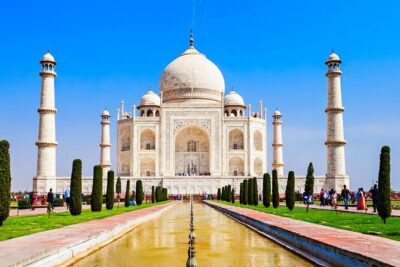
3-Day Delhi, Agra and Jaipur Private Tour – India Golden Triangle
Read our review →
Four-Day Private Luxury Golden Triangle Tour to Agra and Jaipur From New Delhi
Read our review →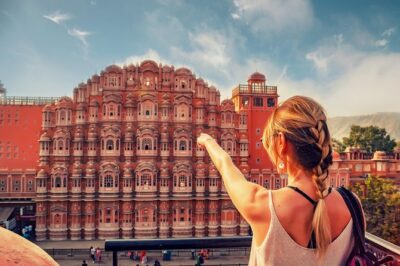
Jaipur Day Trip from Delhi by Car or Train – All Inclusive
Read our review →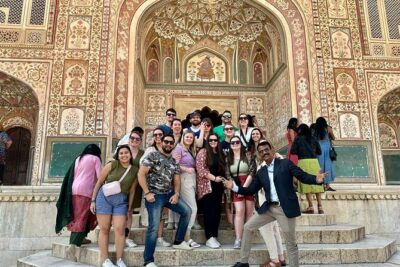
Jaipur City Private Day Tour from Delhi by Car – All Inclusive
Read our review →
5 Nights 6 Days Private Golden Triangle Tour – Delhi Agra Jaipur
Read our review →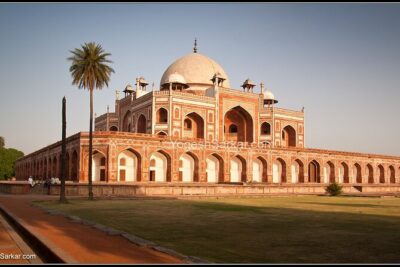
Browse the lists this tour appears in