
Reviewed · GOLDEN TRIANGLE TOURS
7-Day Golden Triangle & Ranthambore Tiger Safari from Delhi
A sunrise safari in Ranthambore National Park gives this seven-day trip its extra spark. You move from Mughal monuments and Rajput forts to a former royal hunting ground where tigers, leopards, and marsh crocodiles live. Then comes the Taj Mahal, ideally seen in the soft early light before the crowds and heat build.
I like the way this tour handles the main Golden Triangle sights in one private-car circuit, and I like having local guides in both Jaipur and Agra rather than trying to decode every palace and monument alone. The main drawback is the pace: several days combine long road journeys with full sightseeing schedules, and admission fees, meals, and tips are not included in the $550 price.
In This Review
- Key points to know before booking
- Why this seven-day route works for a first visit
- Day 1: A simple arrival in Delhi
- Day 2: Jaipur’s City Palace, instruments, and pink facade
- Day 3: Amber Palace, hilltop views, and Jal Mahal
- Days 4 and 5: Two chances to search for tigers
- Fatehpur Sikri: A red sandstone stop on the way to Agra
- Day 6: Sunrise at the Taj Mahal, then Agra’s Mughal core
- Day 7: Delhi’s monuments before your airport transfer
- Transport, hotels, and the real price
- Who should book this Golden Triangle safari?
- FAQ
- Is this tour private?
- What accommodation is included?
- How many safari drives are included?
- Are monument admission tickets included?
- Is Ranthambore open all year?
- What does the $550 price include?
- Should you book it?
Key points to know before booking

- Two Ranthambore safaris are available with the four-star option, while the three-star option includes one canter safari.
- The Taj Mahal visit begins at sunrise, giving you the best chance for cooler weather and gentler light.
- Private transport gives your group flexibility, but this is still an active trip with substantial time on the road.
- Jaipur and Agra include local guides, while the supplied details do not name the individual guides.
- Six hotel nights and seven breakfasts are included, with double, twin, or triple-share rooms.
- Ranthambore may close from July 1 through September 30, depending on weather and park conditions.
Why this seven-day route works for a first visit
The Golden Triangle is India’s most efficient introduction to North India. Delhi gives you Mughal and modern national landmarks, Jaipur brings royal Rajasthan, and Agra supplies the Taj Mahal and some of the finest Mughal architecture in the region. Ranthambore adds wildlife to a route that might otherwise be all forts, tombs, and palaces.
At $550 per person, the price is attractive for a private tour that includes transportation, fuel, tolls, parking, driver allowances, six hotel nights, breakfasts, local taxes, guides in Jaipur and Agra, and park fees. The value depends on the hotel category you choose and how many people share the vehicle and rooms.
Do your arithmetic before booking. Tickets for the Taj Mahal, Agra Fort, City Palace, Jantar Mantar, Amber Palace, Nahargarh Fort, Humayun’s Tomb, Qutub Minar, Jama Masjid, and the Red Fort are generally listed as extra. Food and drinks are also extra, as are tips, laundry, phone calls, travel insurance, and personal purchases.
The private format is useful for families and couples who want one point of contact and do not want to join a large coach. A Finnish family traveling with children aged 12, 14, and 16 found the arrangement worked well across the full week, including the early Ranthambore outing. Another couple described the route as well organized and a good way to cover the main sights on a first visit.
More tiger safari itineraries from New Delhi:
- Private 4-Day Golden Triangle Tour with Ranthambore Tiger Safari
★ 5.0 · 248 reviews - From Delhi: 4-Day Golden Triangle & Ranthambore Guided Tour
★ 4.7 · 121 reviews - 4 Day Golden Triangle with Ranthambore Tiger Safari Tour from Delhi
★ 5.0 · 110 reviews
Day 1: A simple arrival in Delhi
Your tour begins at Indira Gandhi International Airport. A representative meets you and transfers you to the Delhi hotel, with the evening free after check-in.
This is a sensible first day. Delhi can feel intense after a long flight, so a direct transfer lets you settle in without having to find a taxi or negotiate a hotel arrival. The supplied plan does not name the hotel or set out evening sightseeing, so treat this as an arrival and rest day rather than a hidden sightseeing opportunity.
Because the tour requires passport details for every participant at booking and a valid passport on the day, check those details carefully before departure. Comfortable walking shoes are worth packing from the start. The week includes forts, courtyards, tombs, market areas, and uneven historic surfaces.
Day 2: Jaipur’s City Palace, instruments, and pink facade
After breakfast, you drive from Delhi to Jaipur, the capital of Rajasthan. The schedule then turns to the city center, with visits to the City Palace, Jantar Mantar, and Hawa Mahal.
The City Palace is a strong first stop because it explains Jaipur as a planned royal capital. Maharaja Sawai Jai Singh II founded the city in 1727 after moving his court from Amber. The palace complex mixes courtyards, royal buildings, and decorative details, so your local guide can help connect the architecture to Jaipur’s ruling family.
Jantar Mantar is less immediately familiar than a palace, but it may be the most unusual stop of the day. Sawai Jai Singh II built its nineteen astronomical instruments in the early eighteenth century. The large stone and masonry forms were made to measure celestial positions and time, turning science into monumental public architecture.
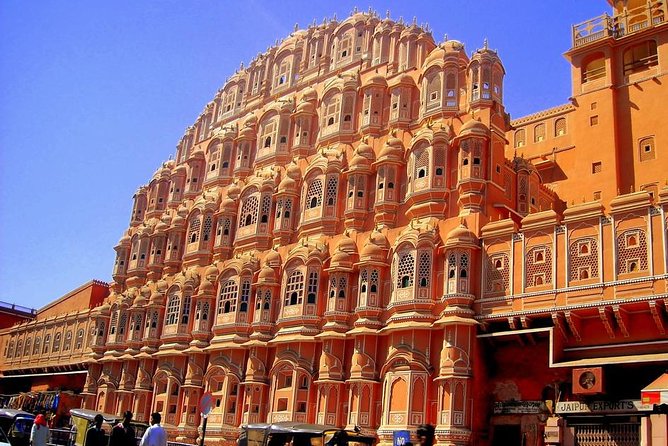
Hawa Mahal, or the Palace of Wind, is the quick visual hit. Its red and pink sandstone facade was built beside the City Palace and extended toward the women’s quarters. From the outside, the honeycomb of small windows is especially memorable. The listed visit lasts about an hour, but the practical appeal is often the facade and the city setting around it.
This day is listed as roughly five hours of sightseeing, not five hours of driving. The road from Delhi to Jaipur takes a meaningful part of the day, so expect an early start and a full schedule after arrival. The advantage of private transport is that your group avoids a large coach timetable. The tradeoff is that the itinerary still has to fit a lot into one afternoon.
Day 3: Amber Palace, hilltop views, and Jal Mahal
Day three takes you outside central Jaipur to Amber Palace, followed by Nahargarh Fort and a look at Jal Mahal.
Amber Palace, also called Amer Fort, sits on a hill about 11 kilometers from Jaipur. Give it time. The complex is large, and the three-hour allocation is more generous than the shorter palace visits on day two. Its courtyards, gateways, and elevated setting make it one of the essential stops in Jaipur.
The schedule does not state that an elephant ride is included, so do not assume one is part of the day. Your confirmed arrangements should tell you how you reach the fort itself. Admission is not included in the tour price.
Nahargarh Fort occupies the edge of the Aravalli Hills and looks back toward Jaipur. Along with Amber Fort and Jaigarh Fort, it formed part of the city’s defensive system. The two-hour visit adds a different view of Jaipur, with less emphasis on palace rooms and more on position, walls, and broad city outlooks.
Jal Mahal is a photo stop at Man Sagar Lake. The palace appears to float in the water, though the schedule does not specify an interior visit. Allow a little patience here if you want a clear view from the lakeside road, and remember that the stop is more about the setting than entering the building.
Day three is a good example of why this trip suits people who want major sights rather than slow neighborhood exploration. You see three very different sides of Jaipur in one day, but you will spend much of the time moving between them and walking through large historic sites.
More Golden Triangle itineraries from New Delhi:
- 3-Days Private Golden Triangle Tour: Delhi, Agra & Jaipur by Car
★ 5.0 · 1,107 reviews - 3-Days Private Golden Triangle Tour: Delhi, Agra & Jaipur by Car
★ 5.0 · 1,098 reviews - 3-Day Delhi, Agra and Jaipur Private Tour – India Golden Triangle
★ 5.0 · 812 reviews - Four-Day Private Luxury Golden Triangle Tour to Agra and Jaipur From New Delhi
★ 5.0 · 807 reviews
Days 4 and 5: Two chances to search for tigers
Ranthambore is the tour’s change of rhythm. It was once a royal hunting ground and now protects wildlife near Sawai Madhopur. The park is associated with tigers, leopards, and marsh crocodiles, but a safari is a search, not a guarantee. Wildlife decides what you see.
The first park visit is scheduled for about five hours. The following morning includes a sunrise park visit of about three hours. That early start is demanding, but it is also one of the best practical choices in the program. Morning light is cooler and softer, and the dawn outing gives you a second opportunity to spot animals after the previous day’s search.
The included safari depends on the accommodation option. The three-star option includes one canter safari, while the four-star option includes two canter safaris. Confirm exactly what is included before paying, since the number of outings can change the value of the package.
A canter is an open safari vehicle used for park drives. The supplied details do not promise a private safari vehicle, a particular park zone, or a specific tiger route. Those limits matter if wildlife is your main reason for booking. The two-safari four-star arrangement gives you more time in the park, but even two drives cannot promise a tiger sighting.
The dates matter just as much. Ranthambore may be closed from July 1 through September 30, depending on weather conditions. Check the park status before committing to a summer departure. If the park is central to your plans, this is the single most important seasonal detail in the entire tour.
The road sequence also deserves attention. The tour moves from Jaipur to Ranthambore, then toward Fatehpur Sikri and Agra. Exact driving times are not supplied, so ask for the daily road plan before booking. You should expect a touring holiday, not a relaxed base-and-day-trip schedule.
Fatehpur Sikri: A red sandstone stop on the way to Agra
After the second Ranthambore outing, the route includes Fatehpur Sikri for about two hours. Emperor Akbar founded this former Mughal city in the sixteenth century, and its red sandstone buildings form a concentrated historic complex west of Agra.
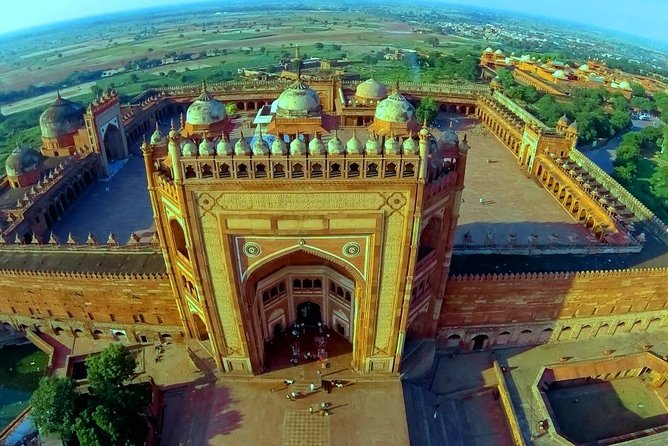
Buland Darwaza is the great entrance to the Jama Masjid complex and gives the stop an immediate sense of scale. Two hours is enough for a focused visit with a guide, though the combination of a sunrise safari and a transfer day can leave you tired.
This is one place where a local guide earns their keep. The buildings can look like a series of grand courtyards if you do not know how they fit together. Admission is listed as free within the tour inclusions, but confirm current entry arrangements when you receive your final schedule.
Day 6: Sunrise at the Taj Mahal, then Agra’s Mughal core
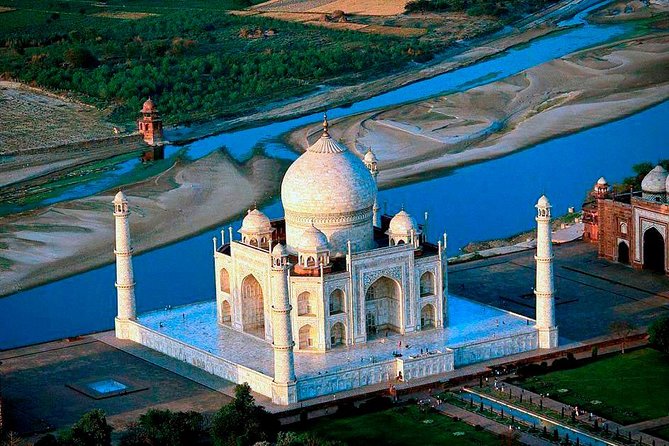
The Taj Mahal comes early on day six, before breakfast. That timing is worth protecting. Sunrise usually means cooler conditions and a softer view of the white marble, while the monument’s emotional power is easier to appreciate before the day becomes hectic.
The Taj Mahal was built by the Mughal emperor Shah Jahan in memory of his beloved wife. You have about two hours at the site, and the entrance ticket is not included. Keep your morning focused: the monument itself, its gardens, the reflecting pools, and the changing view of the marble from different angles can fill the allotted time.
The schedule places breakfast after the sunrise visit, followed by Agra sightseeing. This order is practical, but it makes for another early morning after the safari days. Build in patience and do not expect every day to feel leisurely.
Agra Fort, built by Emperor Akbar in 1565, is the next major stop. Its red sandstone walls enclose palaces and court buildings connected with the Mughal imperial family. The one-hour allocation is enough for a highlights visit, though the fort deserves careful attention because it is more than a defensive wall.
Itmad-ud-Daula is often called a draft of the Taj Mahal. The smaller riverside tomb is known for fine marble work and delicate inlay, and it helps you see the design ideas that later reached their grandest expression at the Taj.
The day ends with an Agra bazaar visit, where marble and soft-stone inlay work are important local crafts. This can be useful if you want to understand how Mughal decorative traditions continue in modern workshops. It can also be the point where the trip feels more commercial, so decide in advance how much shopping time you want.
The Agra guide is included, but the guide’s name is not provided in the tour details. That is worth requesting before arrival if personal coordination matters to you.
Day 7: Delhi’s monuments before your airport transfer
The final day returns to Delhi for a dense set of sightseeing stops before airport transfer. The schedule includes Jama Masjid, the Red Fort, Raj Ghat, India Gate, Humayun’s Tomb, the Lotus Temple, and Qutub Minar.
Jama Masjid was built by Shah Jahan between 1644 and 1656 and is one of India’s largest mosques. The Red Fort, also linked to Shah Jahan’s Mughal capital, served as the emperors’ main residence for nearly two centuries. Together, these Old Delhi sites give you the strongest sense of the city’s Mughal past.
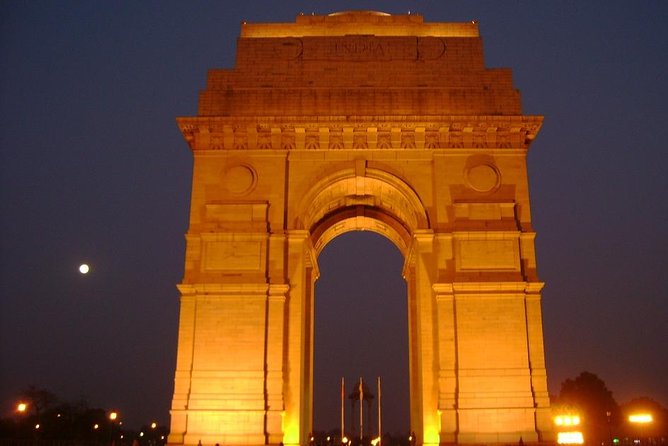
Raj Ghat is the memorial to Mahatma Gandhi. The 30-minute stop is brief and quiet compared with the grand scale of the forts and mosques. India Gate, a war memorial on New Delhi’s ceremonial axis, is another short stop, listed at about 30 minutes.
Humayun’s Tomb deserves its full hour. Commissioned by Humayun’s first wife, Empress Bega Begum, in 1569 to 1570, it is an important early Mughal tomb and a useful contrast with the Taj Mahal. Qutub Minar, a UNESCO World Heritage site in the Qutb complex, brings the day to an earlier chapter of Delhi’s architecture.
The Lotus Temple provides a modern change of mood. Its flower-shaped design dates from 1986, and it is a Bahá’í House of Worship. The visit is listed at about an hour, though the final order of stops may vary slightly.
This is a lot for one day. If your flight leaves early, the full Delhi program may not be possible. The provider notes that departure times and locations can vary, so give your flight information clearly and ask which stops are realistic. The airport transfer is included as part of the arrangement, but you should not assume every listed monument can be visited if your departure time is tight.
Transport, hotels, and the real price
The private car is the backbone of the trip. Transportation covers tolls, parking, fuel, local taxes, and driver allowances, which removes several costs that can quietly grow on an independent circuit. A private vehicle also gives your family or couple a single space between cities instead of repeatedly arranging taxis.
Room sharing is double, twin, or triple occupancy. The hotel star level is not specified in the supplied details, so ask for the actual hotel names and categories before booking. That information affects comfort, location, breakfast quality, and the overall value of $550.
Seven breakfasts are advertised with six nights of accommodation. Food beyond those breakfasts is your responsibility, and no restaurant package is included. Bring room in your budget for lunches, dinners, drinks, monument tickets, tips, and personal expenses.
The tour is listed as private, meaning only your own group participates in the main activity. Group discounts are available, but the child rate applies only when a child shares with two paying adults. Most people can participate, and the tour is near public transportation, though the actual sightseeing involves considerable walking.
The cancellation rule is strict: the experience is non-refundable and cannot be changed for any reason. Minimum numbers also apply, and the provider may offer an alternative or a full refund if the minimum is not met after confirmation. That is important if your flights and other bookings are difficult to change.
Who should book this Golden Triangle safari?
I would choose this trip if you are visiting North India for the first time, have one week, and want the major monuments handled in one plan. It is particularly suited to families, couples, and small private groups that value a driver, included hotels, and local guidance in Jaipur and Agra.
I would also choose it if the combination of history and wildlife appeals to you. The Taj Mahal alone can justify a trip to Agra, while Ranthambore gives the week a very different kind of excitement.
I would hesitate if you want slow mornings, long stays in each city, or a tightly guaranteed wildlife program. The route covers a lot of ground, and tiger sightings are never certain. I would also compare the total cost after adding tickets, meals, tips, and the hotel upgrade before treating $550 as the final price.
FAQ
Is this tour private?
Yes. Only your group participates in the private tour or activity.
What accommodation is included?
The tour includes six nights in double, twin, or triple-share rooms. The supplied details do not specify hotel names or star categories.
How many safari drives are included?
The three-star option includes one canter safari. The four-star option includes two canter safaris, according to the tour details.
Are monument admission tickets included?
Several major admission tickets are not included, including the Taj Mahal, City Palace, Jantar Mantar, Hawa Mahal, Amber Palace, Nahargarh Fort, Agra Fort, Itmad-ud-Daula, Jama Masjid, the Red Fort, Humayun’s Tomb, and Qutub Minar. India Gate and the Lotus Temple are listed as free, while national park fees are included.
Is Ranthambore open all year?
Ranthambore may be closed from July 1 through September 30, depending on weather conditions. Confirm park status for your travel dates before booking.
What does the $550 price include?
The price includes six nights of accommodation, seven breakfasts, private transportation with tolls, parking, fuel, and driver allowances, local taxes, specified national park fees, and local guides in Jaipur and Agra. Meals beyond breakfast, drinks, insurance, tips, laundry, phone calls, personal expenses, and several monument tickets are extra.
Should you book it?
Book this tour if you want a well-organized first look at Delhi, Jaipur, Agra, and Ranthambore without arranging each transfer yourself. Its best features are the private car, sunrise Taj Mahal visit, local guides in two key cities, and the chance to have one or two safari drives built into a single week.
Before paying, confirm the hotel names, safari count, current park opening dates, monument ticket costs, and the final Delhi sightseeing plan against your flight time. If those details fit your budget and you are comfortable with early starts and long road days, this is a strong value-focused introduction to North India.
More 7-Day Experiences in New Delhi
- 7-Day Golden Triangle Tour with Ranthambore Tiger Safari
★ 5.0 · 53 reviews - 7-Day Golden Triangle & Varanasi Tour from Delhi with Guide
★ 5.0 · 38 reviews - 7 Day Golden Triangle Tour { Delhi Agra Jaipur Tour }
★ 5.0 · 23 reviews - 7 Days Golden Triangle Delhi,agra, Jaipur
★ 5.0 · 20 reviews
More Safari in New Delhi
- Private 5-Day Ranthambhore Tiger Tour from Delhi including the Taj Mahal, Agra and Jaipur
★ 5.0 · 197 reviews - Old Delhi Food Tour Safari – The Capital of Flavors
★ 5.0 · 96 reviews - From Delhi: 5-Day Tiger Safari & Golden Triangle Tour
★ 4.5 · 81 reviews - From Delhi : 6 Days Delhi, Jaipur, Agra & Ranthambore By Car
★ 5.0 · 73 reviews
Just added around New Delhi
- Delhi: All-Inclusive Full or Half Day Tour With Hotel Pickup★ 5.0 · 3 reviews
- From Delhi : All Inclusive Taj Mahal Tour by Gatimaan Express★ 5.0 · 3 reviews
- Skip the line: Taj Mahal Agra Private Day Trip From Delhi By Car★ 5.0 · 3 reviews
- Delhi: Old and New Delhi One Day Private Guided City Tour★ 5.0 · 3 reviews
- New Delhi Night City Tour★ 5.0 · 3 reviews
- Old Delhi Half day private city tour★ 5.0 · 3 reviews
- A full-day tour of Old & New Delhi Monument Express Entry★ 5.0 · 3 reviews
- Sultanpur Bird Sanctuary Tour Near Delhi★ 5.0 · 3 reviews
Golden Triangle Tours, compared.
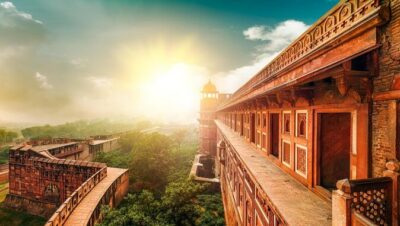
3-Days Private Golden Triangle Tour: Delhi, Agra & Jaipur by Car
Read our review →3-Days Private Golden Triangle Tour: Delhi, Agra & Jaipur by Car
Read our review →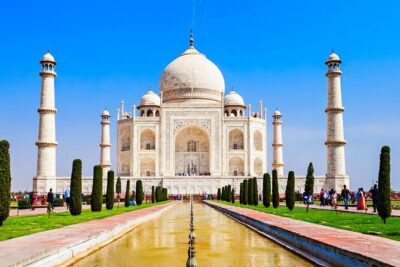
3-Day Delhi, Agra and Jaipur Private Tour – India Golden Triangle
Read our review →
Four-Day Private Luxury Golden Triangle Tour to Agra and Jaipur From New Delhi
Read our review →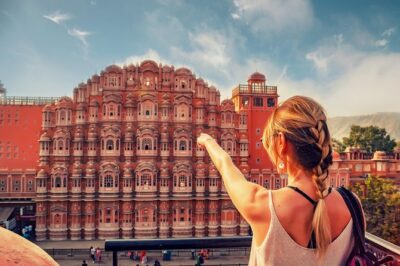
Jaipur Day Trip from Delhi by Car or Train – All Inclusive
Read our review →
Jaipur City Private Day Tour from Delhi by Car – All Inclusive
Read our review →
5 Nights 6 Days Private Golden Triangle Tour – Delhi Agra Jaipur
Read our review →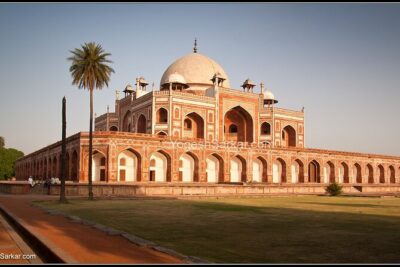
Browse the lists this tour appears in