
Reviewed · GOLDEN TRIANGLE TOURS
7 Day Golden Triangle Tour with Ranthambore Tiger Tour
The most unusual part of this Golden Triangle tour is the way it adds two full Ranthambore safaris to the classic Delhi, Agra, and Jaipur route. You get grand Mughal monuments, royal Jaipur, and a real chance to see Bengal tigers in their natural setting, all while starting and ending in Delhi.
I like the sunrise Taj Mahal visit, which gives you two chances to see India’s most famous monument in changing light. I also like the practical setup: a private air-conditioned car for the road journey, city guides, six breakfasts, and water in the vehicle. The main drawback is the pace. Long drives, early starts, and two safaris make this a full seven days, not a restful holiday.
In This Review
- Key points to know before booking
- Why this seven-day route works
- Day 1: Old Delhi streets and New Delhi monuments
- Day 2: Agra Fort and the Taj Mahal from across the Yamuna
- Day 3: The Taj Mahal at sunrise and the road to Ranthambore
- Day 4: Two safari drives in Ranthambore
- Day 5: From Sawai Madhopur to Jaipur
- Day 6: Jaipur’s forts, palaces, and astronomical tools
- Day 7: Choose Jaipur Airport or Delhi
- What the $599 price really covers
- Who should book this tour
- FAQ
- Where does the tour begin?
- Where does the tour end?
- Is the tour private?
- How many days does the tour last?
- Are hotels included?
- Are meals included?
- Are monument entrance tickets included?
- Does the tour include a visit inside the Red Fort?
- How many safaris are included in Ranthambore?
- Can I cancel the tour for a refund?
- Should you book it?
Key points to know before booking
- Sunrise at the Taj Mahal: Enter around 5:45 AM on Day 3, then spend about two hours inside the monument complex.
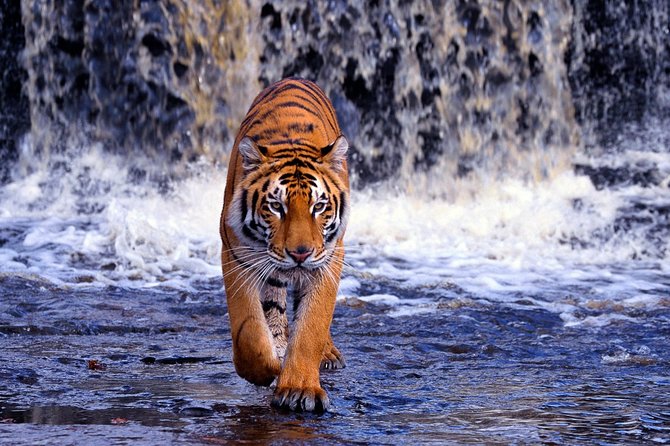
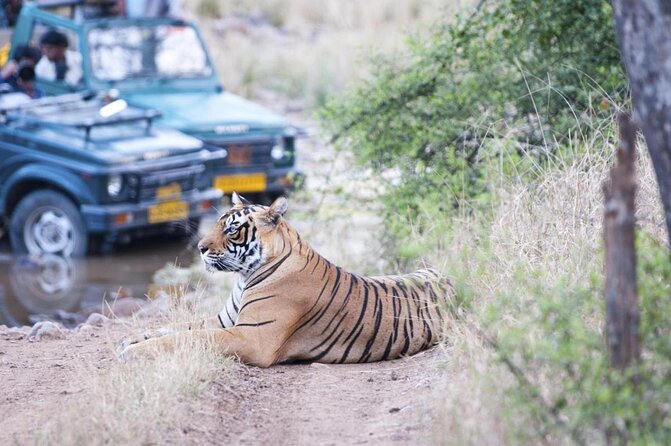
- Two Ranthambore safaris: An early morning drive and an afternoon drive give you better odds of seeing tigers, leopards, deer, and birds.
- Private road touring: Your group travels by air-conditioned vehicle, with pickup available from Delhi Airport, a hotel, railway station, Noida, or Gurgaon.
- A strong history route: Delhi’s mosques and memorials lead into Agra Fort, Fatehpur Sikri, Jaipur’s Amber Fort, City Palace, and Jantar Mantar.
- Flexible final day: You can leave from Jaipur Airport or ride back to Delhi Airport or another Delhi-area location.
- Extra entrance costs: Monument tickets are not included, and the stated estimate is $79 per person.
Why this seven-day route works
The Golden Triangle is popular for good reason. Delhi gives you imperial avenues and Old Delhi streets. Agra supplies the Taj Mahal and Mughal architecture. Jaipur adds palaces, observatories, forts, temples, and colorful markets.
Ranthambore changes the tone. After several days of monuments, you trade marble and sandstone for forest roads and watch for movement in the trees. That contrast gives the tour more range than a standard three-city circuit.
The tour costs $599 per person. That price covers selected three, four, or five-star hotel options, air-conditioned transport, professional city guides, six breakfasts, drinking water, and two shared jeep or Canter safaris. You still need to budget for the $79 monument entrance estimate and anything not listed in the inclusions.
For a private seven-day route with the major sights arranged for you, the price can be sensible. The value depends on the hotel category you select and how much you value having one vehicle and one coordinated schedule. The safaris are shared, even though the wider tour is private, so this is not a fully private wildlife experience.
Communication is another useful part of the arrangement. Tour manager Sonia is specifically named in the service details, and chauffeur Raju is praised for his role on the road. A previous booking also received an upgrade from a standard saloon to a larger SUV. Do not count on an upgrade, but it is worth confirming the vehicle size before you go, especially if you have several bags.
More tiger safari itineraries from New Delhi:
- Private 4-Day Golden Triangle Tour with Ranthambore Tiger Safari
★ 5.0 · 248 reviews - From Delhi: 4-Day Golden Triangle & Ranthambore Guided Tour
★ 4.7 · 121 reviews - 4 Day Golden Triangle with Ranthambore Tiger Safari Tour from Delhi
★ 5.0 · 110 reviews
Day 1: Old Delhi streets and New Delhi monuments

Pickup begins at 8 AM, or at a time you arrange, from Delhi Airport, your hotel, a railway station, or a chosen address in Delhi, Noida, or Gurgaon. That flexibility is helpful if you arrive by train or stay outside central Delhi.
The first major stop is Jama Masjid, built by Shah Jahan in 1656. Its red sandstone and white marble design, three domes, and two minarets give you an immediate introduction to Mughal Delhi. Allow about 30 minutes, and remember that the entrance fee is not included.
From there, a rickshaw ride through Chandni Chowk puts you close to the daily life of Old Delhi. This is one of the route’s most local-feeling moments. The lanes are crowded, noisy, and full of market activity, so keep your belongings secure and expect a short ride rather than a long neighborhood visit.
The Red Fort is seen from outside. About 70 percent of the complex is occupied by the Indian Army, so the plan is a drive-by photo stop rather than an interior tour. If entering the fort is important to you, clarify this before booking, since the stated schedule does not include an inside visit.
At Raj Ghat, a simple black marble platform marks Mahatma Gandhi’s cremation site. The quiet memorial provides a sharp change from Old Delhi’s energy. You then continue to India Gate, the 1931 war memorial honoring 74,187 Indian soldiers who died in World War I and the Third Anglo-Afghan War.
Rashtrapati Bhavan and Parliament House are photo stops. They help you understand the grand scale of New Delhi’s planned government district, but you should not expect an interior tour.
The day ends at Qutub Minar, a UNESCO World Heritage Site and a highlight of the Delhi schedule. The 73-meter brick minaret began under Qutb-ud-din Aibak in 1199 and was completed by Iltutmish. Give yourself the full hour here. The site has more to see than the tower alone, and your professional guide can add context to the Indo-Islamic architecture.
This is a long opening day. You cover very different parts of Delhi in one sweep, which is efficient but tiring. Wear comfortable shoes, carry water, and be ready for traffic between stops.
Day 2: Agra Fort and the Taj Mahal from across the Yamuna
After breakfast, you drive about four hours from Delhi to Agra. The road transfer is a large part of the day, but it moves you from the national capital to the Mughal city associated with Shah Jahan and the Taj Mahal.
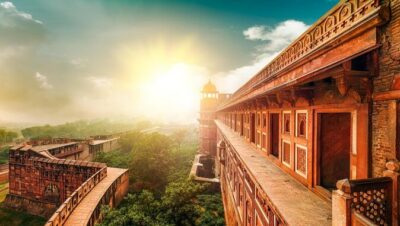
After checking into your pre-booked Agra hotel and taking time to freshen up, you meet your guide for Agra Fort. This UNESCO World Heritage Site began under Akbar in 1565 and was later altered by Shah Jahan. It served as a residence and power center for Mughal rulers, and its walls and palace rooms help explain the empire behind the Taj Mahal.
I like having Agra Fort before the Taj Mahal because it gives the famous monument a human setting. Shah Jahan did not build the Taj in isolation. The fort connects his architecture with court life, succession, power, and mourning.
Later, you visit Mehtab Bagh for a sunset view across the Yamuna River. The garden dates back to Babur’s period and was later linked with the Mughal garden tradition along the river. It is a quieter way to see the Taj Mahal, with distance allowing you to take in its full shape.
The evening is intentionally light. After Mehtab Bagh, you return to the hotel for the night. That is wise, because the next morning begins before sunrise.
Day 3: The Taj Mahal at sunrise and the road to Ranthambore
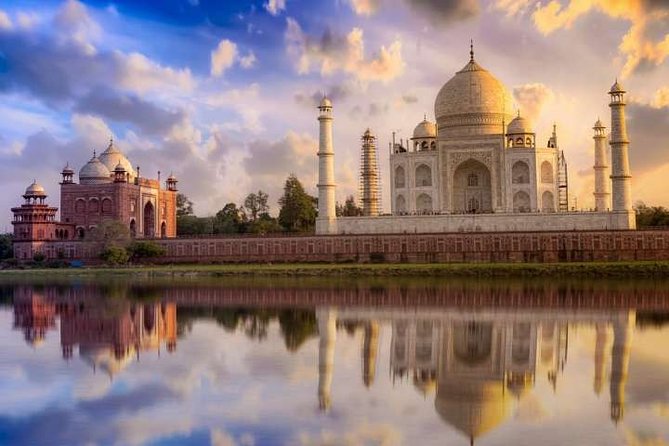
The early start is the heart of the Agra portion. At about 5:45 AM, you meet your private guide in the hotel lobby and go to the Taj Mahal.
Spend around two hours at the monument. Shah Jahan built it in memory of his wife, and the changing morning light is the reason this visit deserves its place in the schedule. The marble can look soft and pale at first, then take on warmer tones as the sun rises.
The early hour also makes the experience feel less like a quick photo stop. Still, the exact atmosphere and crowd level can vary, and the entrance ticket is extra. Bring only what is permitted at the monument and follow your guide’s instructions.
Afterward, return to the hotel for breakfast and a freshening up before checking out. You then stop at Fatehpur Sikri, about 35 kilometers west of Agra. Built by Akbar in 1571 as his capital, the abandoned city is one of the finest examples of Mughal architecture in India.
Fatehpur Sikri is more than a convenient break in the drive. Its courtyards, red sandstone buildings, and empty spaces show how a royal capital could be created with confidence and then left behind. Plan for an hour, and wear shoes suited to uneven surfaces.
The journey to Sawai Madhopur, the gateway town for Ranthambore, takes about five hours after Fatehpur Sikri. This is one of the longest road stretches in the tour. You arrive, check into your hotel, and spend the night preparing for an early safari.
More Golden Triangle itineraries from New Delhi:
- 3-Days Private Golden Triangle Tour: Delhi, Agra & Jaipur by Car
★ 5.0 · 1,107 reviews - 3-Days Private Golden Triangle Tour: Delhi, Agra & Jaipur by Car
★ 5.0 · 1,098 reviews - 3-Day Delhi, Agra and Jaipur Private Tour – India Golden Triangle
★ 5.0 · 812 reviews - Four-Day Private Luxury Golden Triangle Tour to Agra and Jaipur From New Delhi
★ 5.0 · 807 reviews
Day 4: Two safari drives in Ranthambore
Pickup for the first game drive is at about 6 AM. The morning safari lasts roughly two to three hours and takes you into Ranthambore National Park, one of India’s best-known tiger reserves.
The main target is the Bengal tiger, but the park may also offer sightings of leopards, deer, and many kinds of birds. Wildlife never follows a schedule, so two drives are valuable. You have one chance in the cool morning and another in the afternoon, when the light and animal activity can differ.
The safari vehicle is shared, using a jeep or Canter. That keeps the cost lower than a fully private wildlife outing, but it also means you cannot control every seat or every pause. If having a private vehicle is essential, ask about the exact safari arrangement before booking.
After the morning drive, you return to the hotel for breakfast, lunch, and a rest period. This break matters. The road journey has already been active, and an afternoon safari without time to recover would make the day unnecessarily hard.
At about 2:30 PM, you head back into the park for a three to four-hour drive. The longer afternoon outing gives you time to watch the forest rather than rush from one sighting to another. Even if a tiger stays hidden, the setting, birds, deer, and chance encounters with other wildlife make this a different experience from monument sightseeing.
You spend a second night in Sawai Madhopur. This is the tour’s most adventure-focused day, but it is also one of the least predictable. Book this route for the chance to see wildlife, not as a guaranteed tiger viewing.
Day 5: From Sawai Madhopur to Jaipur
After breakfast, the drive to Jaipur takes about three hours. You leave the reserve behind and move into Rajasthan’s historic capital.
Once checked into your Jaipur hotel, you have an evening choice: Galta Ji, often called the Monkey Temple, or Birla Mandir. The choice is useful if you have a strong preference between an older religious site and a more recent temple with polished white marble.
Galta Ji is known for seven sacred water tanks and its population of rhesus macaques and langurs. It is a memorable setting, but visitors should follow local guidance around food and animals. The entrance fee is not included.
Birla Mandir is dedicated to Lord Vishnu and Goddess Lakshmi. It is built from white marble and decorated with carvings of Hindu symbols, mythological scenes, and figures. It offers a calmer architectural visit, though it does not have the age or rugged character of Galta Ji.
The evening remains fairly short, which is welcome after the safari day and three-hour transfer. You have two nights in Jaipur, giving this city more breathing room than a simple stopover.
Day 6: Jaipur’s forts, palaces, and astronomical tools
Jaipur was India’s first planned city and was painted pink in 1882 for the visit of Prince Albert of England. Your sightseeing begins after breakfast, with the city’s royal and scientific landmarks packed into one full day.
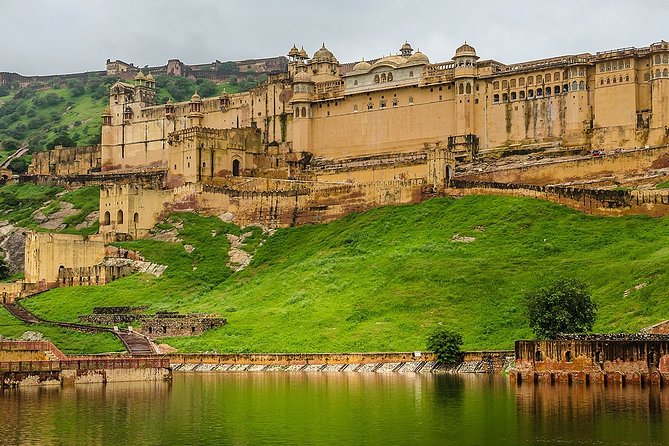
The fort stop is described as Jaipur Fort, with about two hours allotted. The schedule’s description connects it with the large palace complex built by Raja Man Singh I in 1592 and expanded by Jai Singh I. This is the Amber Fort complex, one of Jaipur’s major sights, with pale yellow and pink sandstone, white marble, courtyards, and royal rooms.
Confirm the exact fort entrance and ticket arrangement with your tour team, since the listed monument fees are separate and the schedule does not clearly state which fort ticket is included. Two hours gives you enough time for a meaningful visit, but not for a slow exploration of every corner.
Jal Mahal is a quick photo stop. The five-story Water Palace sits in Man Sagar Lake, with four floors submerged when the water is full. Ten minutes is enough for photographs from the shore, but not an interior visit.
At City Palace, you spend about an hour among Rajput, Mughal, and European design elements. The complex began under Maharaja Sawai Jai Singh II in 1729 and remains tied to Jaipur’s royal identity. The visit works best when you focus on the courtyards, gateways, and decorative details rather than trying to cover every collection quickly.
Jantar Mantar is one of the most distinctive stops. Built in 1734, the UNESCO-listed observatory has 19 astronomical instruments, including the world’s largest stone sundial. A guide makes a real difference here, since the massive instruments can look abstract until someone explains how they tracked time and celestial positions.
Hawa Mahal is another photo stop, with only about ten minutes scheduled. Its five-story pink and red sandstone facade was designed so royal women could watch street life without being seen. You will see the famous front, but the timetable does not allow a full palace visit.
The day ends with time in Jaipur’s markets, where you can look for handicrafts, jewelry, textiles, and Rajasthani souvenirs. This is your best chance to shop, but bargaining and quality checks are your responsibility. If you prefer more time inside the monuments, tell your guide before spending the final hour in the market.
Day 7: Choose Jaipur Airport or Delhi
The final morning gives you a practical choice. You can leave from Jaipur International Airport, with a hotel or chosen Jaipur drop-off, or return to Delhi.
The drive back to Delhi takes about five hours. Choose this option only if your Delhi departure leaves enough room for the road journey and possible traffic. The Jaipur departure is more efficient if your onward flight suits it.
The tour begins with pickup in Delhi and can finish at Delhi International Airport or another preferred Delhi-area address. That start and end flexibility makes the route easier to fit into a larger India trip.
What the $599 price really covers
At $599 per person, the tour offers a useful bundle, but the advertised price is not the final sightseeing budget. Monument entrance fees are listed separately at $79 per person, and you must also pay for anything outside the stated inclusions.
Included are:
- Three, four, or five-star hotel options, based on the choice you make
- Air-conditioned road transport
- Professional city guides
- Packaged drinking water in the vehicle
- Two shared jeep or Canter safaris
- Six breakfasts
Lunches, dinners, monument tickets, and other unlisted costs are not included. Ask for the exact hotel names, vehicle type, and full ticket estimate before paying. Those details affect the value more than the headline price.
Who should book this tour
I would recommend this route to someone visiting northern India for the first time who wants the main monuments without arranging every transfer alone. It suits people who value a private road vehicle, want guides at major sights, and are willing to accept early mornings and long drives.
It is especially well matched to history lovers who also want a wildlife day. The Taj Mahal, Agra Fort, Fatehpur Sikri, Qutub Minar, Jaipur’s fort, City Palace, and Jantar Mantar give you plenty of substance. The two safaris keep the trip from becoming a continuous sequence of palace visits.
I would be more cautious if you want slow travel, long stays in each city, or a fully private safari. The shared wildlife vehicles, short photo stops, and packed schedule make this an active tour. Families and most able participants can take part, but the early starts and walking deserve consideration.
The cancellation terms are strict close to departure. You receive a full refund when canceling at least six full days ahead, 50 percent when canceling two to six full days ahead, and no refund within two days. Cutoff times use local time.
FAQ
Where does the tour begin?
Pickup is available from Delhi Airport, a Delhi hotel, a railway station, or a chosen location in Delhi, Noida, or Gurgaon.
Where does the tour end?
You can depart from Jaipur International Airport, receive a Jaipur-area drop-off, or return to Delhi Airport or another preferred location in Delhi.
Is the tour private?
The overall tour is private for your group. The two Ranthambore safaris are shared jeep or Canter drives.
How many days does the tour last?
The tour lasts approximately seven days and includes six nights of accommodation.
Are hotels included?
Yes. Hotel accommodation is included, with three, four, and five-star options available depending on the selection you make.
Are meals included?
Six breakfasts are included. Other meals are not listed as included.
Are monument entrance tickets included?
No. Monument entrance fees are separate, with an estimated cost of $79 per person.
Does the tour include a visit inside the Red Fort?
No. The schedule provides an outside view and photo stop because much of the Red Fort is occupied by the Indian Army.
How many safaris are included in Ranthambore?
Two safaris are included on Day 4. One begins around 6 AM, and the second begins around 2:30 PM.
Can I cancel the tour for a refund?
You can receive a full refund if you cancel at least six full days before the start time. Cancellation two to six full days ahead receives a 50 percent refund, while cancellation within two days receives no refund. Changes follow the same cutoff rules.
Should you book it?
Book this tour if you want the classic Golden Triangle with a genuine wildlife component and prefer having transport, guides, hotels, and transfers coordinated in one plan. The sunrise Taj Mahal and two Ranthambore drives are the strongest reasons to choose it.
Before booking, confirm your hotel category, vehicle size, monument ticket total, and final departure city. If you are comfortable with early mornings, five-hour drives, and shared safaris, the $599 package can deliver a broad and rewarding week in northern India. If you want a slower schedule or guaranteed tiger sightings, choose a more specialized trip.
More 7-Day Experiences in New Delhi
- 7-Day Golden Triangle Tour with Ranthambore Tiger Safari
★ 5.0 · 53 reviews - 7-Day Golden Triangle & Varanasi Tour from Delhi with Guide
★ 5.0 · 38 reviews - 7 Day Golden Triangle Tour { Delhi Agra Jaipur Tour }
★ 5.0 · 23 reviews - 7 Days Golden Triangle Delhi,agra, Jaipur
★ 5.0 · 20 reviews
More Safari in New Delhi
- Private 5-Day Ranthambhore Tiger Tour from Delhi including the Taj Mahal, Agra and Jaipur
★ 5.0 · 197 reviews - Old Delhi Food Tour Safari – The Capital of Flavors
★ 5.0 · 96 reviews - From Delhi: 5-Day Tiger Safari & Golden Triangle Tour
★ 4.5 · 81 reviews - From Delhi : 6 Days Delhi, Jaipur, Agra & Ranthambore By Car
★ 5.0 · 73 reviews
Just added around New Delhi
- Delhi: All-Inclusive Full or Half Day Tour With Hotel Pickup★ 5.0 · 3 reviews
- From Delhi : All Inclusive Taj Mahal Tour by Gatimaan Express★ 5.0 · 3 reviews
- Skip the line: Taj Mahal Agra Private Day Trip From Delhi By Car★ 5.0 · 3 reviews
- Delhi: Old and New Delhi One Day Private Guided City Tour★ 5.0 · 3 reviews
- New Delhi Night City Tour★ 5.0 · 3 reviews
- Old Delhi Half day private city tour★ 5.0 · 3 reviews
- A full-day tour of Old & New Delhi Monument Express Entry★ 5.0 · 3 reviews
- Sultanpur Bird Sanctuary Tour Near Delhi★ 5.0 · 3 reviews
Golden Triangle Tours, compared.
3-Days Private Golden Triangle Tour: Delhi, Agra & Jaipur by Car
Read our review →3-Days Private Golden Triangle Tour: Delhi, Agra & Jaipur by Car
Read our review →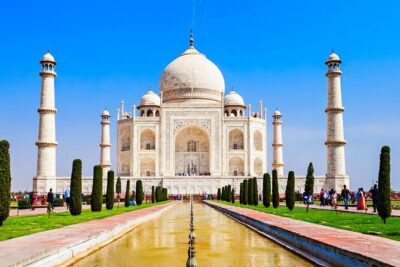
3-Day Delhi, Agra and Jaipur Private Tour – India Golden Triangle
Read our review →
Four-Day Private Luxury Golden Triangle Tour to Agra and Jaipur From New Delhi
Read our review →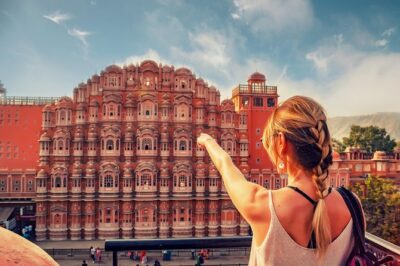
Jaipur Day Trip from Delhi by Car or Train – All Inclusive
Read our review →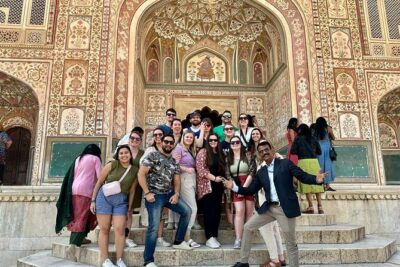
Jaipur City Private Day Tour from Delhi by Car – All Inclusive
Read our review →
5 Nights 6 Days Private Golden Triangle Tour – Delhi Agra Jaipur
Read our review →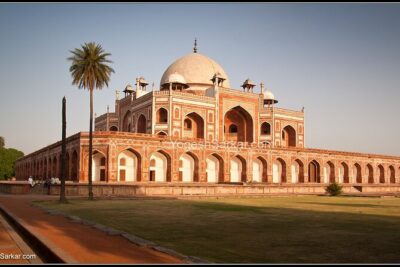
Browse the lists this tour appears in