

Reviewed · COMMUNITY AND LOCAL LIFE WALKS
Delhi Slum Walking Tour
Delhi Slum Walking Tour Review
The most striking part of this tour is its close look at work. You move through small industries, modest homes, a chicken market, and a chapati factory rather than simply viewing Delhi from a bus window. I like that the route focuses on how people earn a living, and I like the final cup of chai, which gives you time to talk with the guide about what you have seen.
The small-group limit of 10 should make the walk easier to follow and less intrusive than a large tour. At $13 for two hours, with local transport, an English-speaking guide, and chai included, the price is fair. The main concern is reliability: one confirmed booking record reports that the tour had been cancelled by the time the customer reached the meeting point, so I would confirm the departure before setting out.
In This Review
- Key points to know before booking
- Starting at Moti Nagar metro station
- Walking through homes and small-scale industries
- Seeing the chicken market as a working business
- Visiting the chapati factory
- Watching trains pass every ten minutes
- Ending with chai and conversation
- What the $13 price really covers
- Who will get the most from this walk
- Respectful tourism matters here
- Should you book the Delhi Slum Walking Tour?
- FAQ
- Where does the Delhi Slum Walking Tour start?
- Where does the tour finish?
- How long does the tour last?
- What language is the tour conducted in?
- How much does the tour cost?
- What is included in the price?
- Is food included?
- How many people can join the group?
- What places does the tour visit?
- Can I cancel the booking?
Key points to know before booking
- More than 8,000 chapatis are made each day at the factory on the route.
- The chicken market is a major local source of income, giving the walk a practical focus on trade and work.
- Trains pass about every 10 minutes, adding a constant part of the setting as you walk.
- Moti Nagar metro station is both the meeting point and return point, which keeps the route simple.
- Chai is included, but other food and drinks are not.
- The tour is limited to 10 people and runs for two hours with an English-speaking guide.
Starting at Moti Nagar metro station
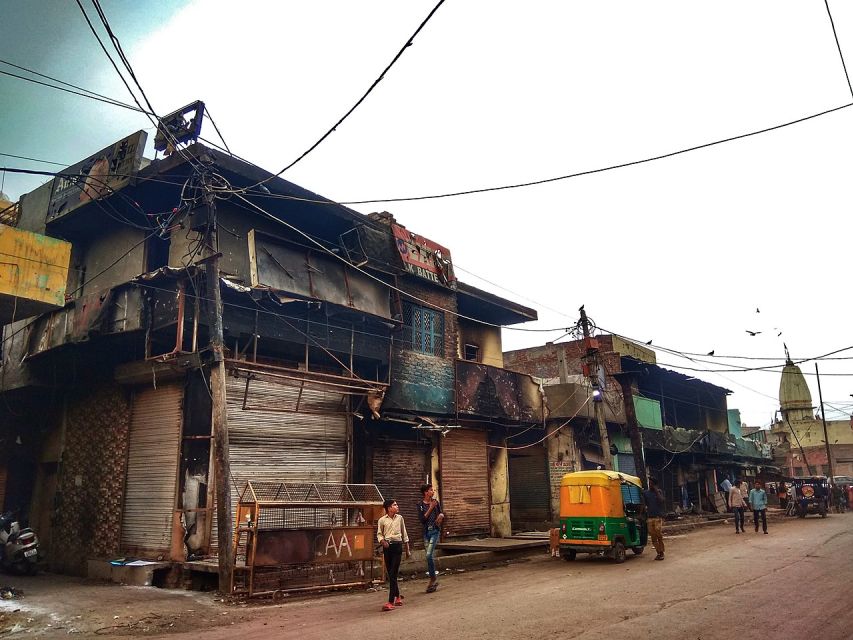
Your meeting and return point is Moti Nagar metro station. That is useful in a city where a complicated pickup can eat up half your morning. You do not need to arrange a private car or find a distant hotel lobby. The route begins and ends in the same place, and local transportation during the tour is included.
The available information does not give the name of the guide, so you should not expect to choose a particular host. The guide is described as a local English speaker, and that matters here. This is a walk built around explanation and conversation, not a monument checklist.
The tour lasts two hours. I would treat that as a focused introduction rather than a full study of life in Delhi’s informal settlements. You will see several parts of the neighborhood and hear about daily work, but the schedule will not allow for long visits at every stop.
Because the meeting point is a metro station, give yourself enough time to find the correct entrance and identify the guide. One booking record says the customer arrived to find a cancellation notice, so checking the tour status shortly before departure is sensible. The booking terms allow free cancellation up to 24 hours before the start and offer reserve-now, pay-later booking, which reduces the risk of paying far ahead.
More community walks in New Delhi:
- Sanjay Colony Slum Tour
★ 5.0 · 498 reviews - New Delhi Slum Walking Tour
★ 5.0 · 360 reviews - Delhi: Ethical Sanjay Colony Slum Tour
★ 4.9 · 242 reviews
Walking through homes and small-scale industries

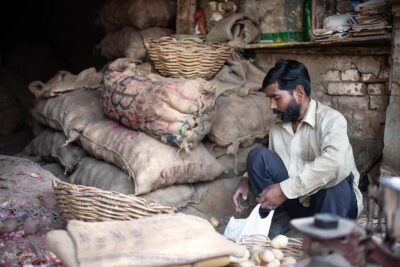
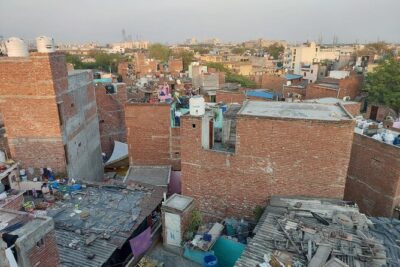
The first part of the route introduces small-scale industries and small residences. This is where the walk moves beyond a quick look from the edge of a neighborhood. You are shown places where people live and work, with the guide explaining how the local economy functions.
I find this focus more useful than a tour that treats a slum as a strange sight. Small workshops and home-based work show the practical side of the area: space is limited, but it is also used for earning money. You may gain a clearer idea of how homes, shops, and work areas fit together in everyday life.
At the same time, this is a sensitive setting. You are entering a place where people live, not an open-air museum. Keep your voice low, follow the guide’s lead, and ask before taking photographs of people or private spaces. The tour information does not set out a photography policy, so the respectful choice is to check rather than assume.
The small group helps here. A maximum of 10 people is still a group, but it is easier to stop without blocking a narrow path. It also gives you a better chance to ask questions without competing with a crowd. I would book this walk if you want context and direct observation, not comfort or polished sightseeing.
Seeing the chicken market as a working business
The chicken market is one of the tour’s clearest examples of local trade. It is described as a major source of income, so the point is not simply to walk through a market and move on. The guide can connect what you see with the jobs and sales that support families in the area.
This stop may be confronting. Markets handling live animals and meat are not designed for sightseeing, and conditions may feel very different from the clean, organized food halls found in many tourist districts. You should be ready for strong smells, close quarters, and an active working environment, though the available details do not specify exactly what you will encounter on the day.
That uncertainty is worth keeping in mind. The tour promises access to the market, but it does not promise a set demonstration or a chance to buy anything. Its value is in seeing a source of work and hearing the guide explain its role.
I like this part because it gives the walk an economic backbone. Instead of presenting poverty as a collection of hardships, it points to business, customers, supply, and income. That does not tell the whole story, but it offers a more grounded view of the neighborhood.
Visiting the chapati factory

The chapati factory is the most specific stop on the route. More than 8,000 chapatis are delivered every day, a figure that gives you a sense of the operation’s scale. Chapati is a basic food, but producing thousands of them daily requires steady labor, ingredients, cooking, and delivery.
You should think of this as a working food operation, not a cooking class. The information does not say that you will make chapatis or receive a meal. It says you will visit the factory and see where the chapatis are produced, so the main benefit is understanding how everyday food reaches people at high volume.
This stop also helps balance the tour. The walk is not limited to residences or difficult conditions. It includes a business built around a familiar staple, giving you another example of how residents make a living and serve the wider community.
Food is not generally included in the tour, apart from the chai provided during the walk. So do not count on eating the chapatis you see being made. If you need a meal, plan for that separately before or after the two-hour route.
More walking tours in New Delhi:
- The Great Indian Food Tour: Old Delhi Food and Heritage Walk
★ 5.0 · 1,698 reviews - Old Delhi Food, Heritage&Cultural Walk with Rickshaw ride to Masterji Kee Haveli
★ 5.0 · 742 reviews - Breakfast Walk in Old Delhi
★ 5.0 · 449 reviews - Delhi Food Walk: Rickshaw Ride, Street Eats & Market Tour
★ 5.0 · 401 reviews
Watching trains pass every ten minutes
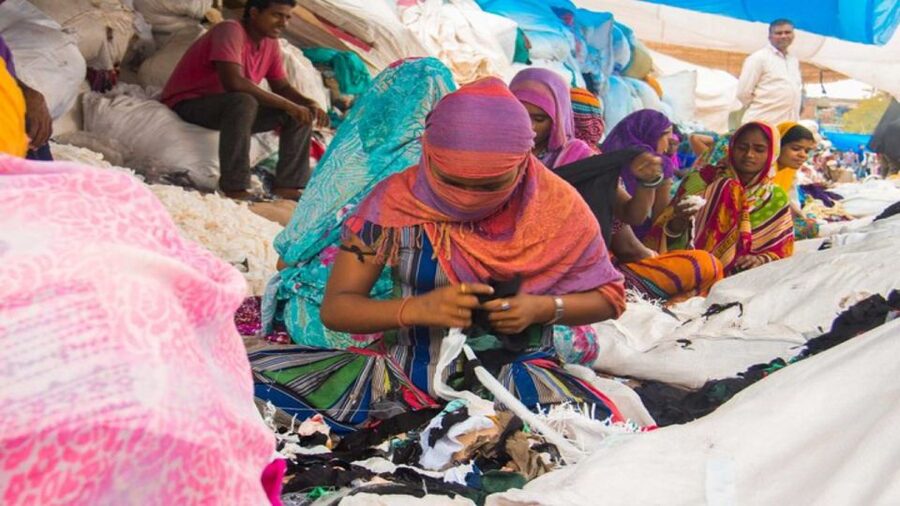
Trains pass through the area about every 10 minutes as you explore. This detail gives the walk a strong sense of place. The railway is not just background scenery, it is part of the rhythm of the neighborhood and a regular feature of the route.
You will want to stay close to the guide when trains are nearby and follow all instructions around tracks or crossings. The provided information does not describe a railway crossing or a special viewing point, so I would not assume the tour takes you onto railway property. The safe approach is to remain on the route the guide provides.
For me, the passing trains add useful context without needing a formal attraction. They help you notice how closely transport, housing, work, and movement can sit together in Delhi. It is one of those details that may stay with you after the tour, even though it is not the main advertised stop.
Ending with chai and conversation

The walk ends with a cup of chai. This is a small inclusion, but it serves a good purpose. After moving through busy work areas and seeing unfamiliar parts of Delhi, you get a quiet moment to collect your thoughts and talk with the guide and the group.
The tour specifically invites you to share your impressions and experiences. That makes the ending more personal than a simple goodbye at the metro station. You can ask about something you did not understand, raise a concern, or connect the different stops.
Chai is included, while other food and drinks are not. I would not treat this as a snack stop or meal replacement. It is best understood as a short social finish to the walk.
The tea also gives you a chance to consider how the tour presents the neighborhood. A good conversation should help you separate what you directly saw from your own assumptions. I would use this time to ask about the work you observed and how the guide wants visitors to understand it.
What the $13 price really covers
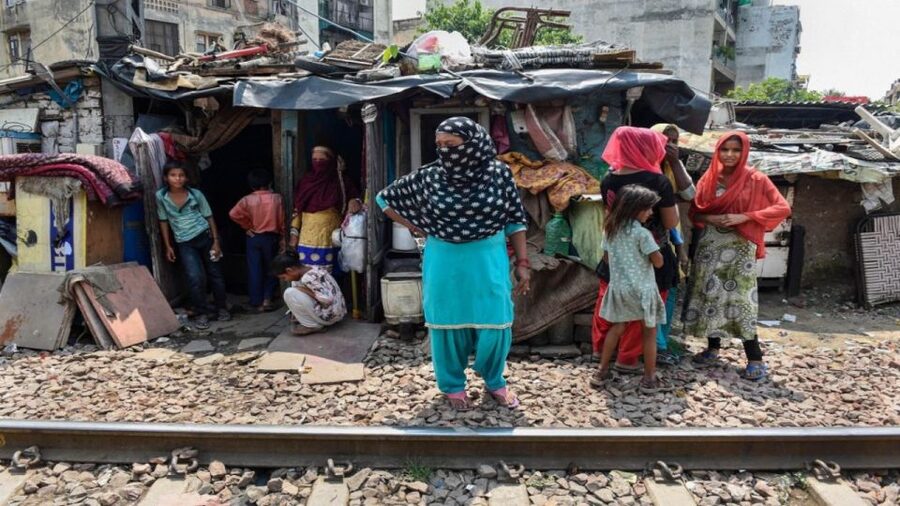
At $13 per person, this is one of the lower-cost guided experiences you can add to a Delhi itinerary. The price covers two hours, an English-speaking local guide, local transportation during the tour, and chai. For a small group capped at 10, that is solid value if the departure runs as planned.
You are not paying for a major attraction ticket or a full-day excursion. You are paying for access, interpretation, and a route that would be difficult to understand on your own. The value depends on wanting that human and economic context.
Food and drinks beyond the included chai are not covered. The tour also does not list hotel pickup, so you should plan to reach Moti Nagar metro station yourself. Since the route returns there, your transport planning remains fairly simple.
The booking terms add flexibility. You can reserve now and pay later, and cancellation is free up to 24 hours in advance. Still, the report of a cancellation at the meeting point is a practical warning. I would check the status before leaving and keep a little flexibility in your day.
Who will get the most from this walk
I would recommend this tour to you if you want to understand how people work and live, rather than spend two hours looking at Delhi’s famous buildings. It suits curious visitors who are comfortable walking through a working neighborhood and who can approach the setting with care.
It may also suit repeat visitors who have already seen the major sights. The chicken market and chapati factory offer a different look at the city, with attention to food production, trade, and local income.
I would think twice if you want a polished sightseeing route, a food tour, or a relaxed walk with plenty of personal space. A slum setting can be crowded and confronting, and the tour description does not promise comfort, air-conditioning, or a sit-down meal.
Families should judge the fit based on the ages and comfort of their children. The information provided does not set an age recommendation, so I cannot say that it is designed for young children. Anyone joining should be prepared to act respectfully around homes, workers, animals, and active transport routes.
Respectful tourism matters here
The strongest part of this experience is its effort to show daily life through work and conversation. The positive booking account describes the visit as respectful, educational, and conducted in a way that locals were comfortable with. That is the standard you should expect and help maintain.
You can do your part by listening to the guide, avoiding intrusive photos, not touching goods or equipment, and not treating residents as scenery. Ask questions about businesses and daily routines rather than making quick judgments about poverty.
Remember that a two-hour walk cannot explain every part of life in such a large community. The tour gives you selected windows into small industries, homes, a market, and a factory. I would value it as one carefully limited encounter, not as a complete picture of Delhi or of slum life across Asia.
Should you book the Delhi Slum Walking Tour?
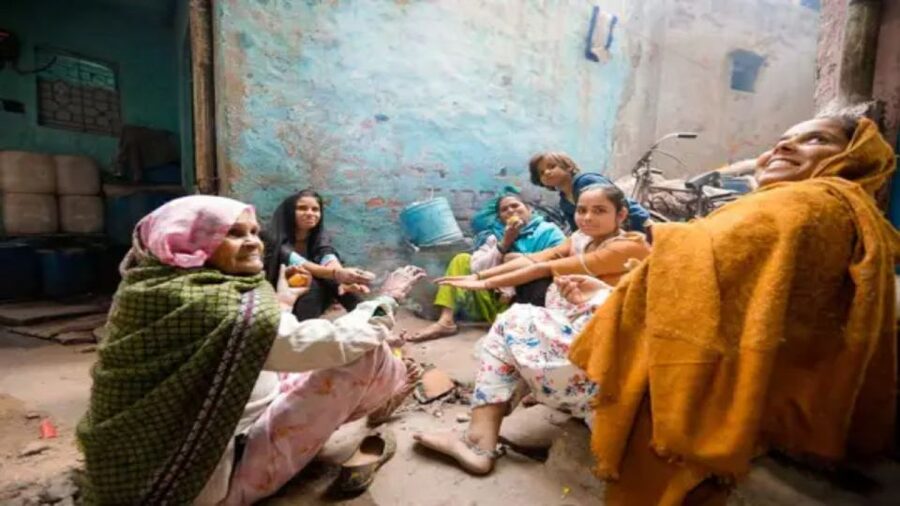
Book it if you want a short, low-cost, locally guided walk focused on work, food production, and daily routines. The chapati factory, chicken market, regular trains, and final chai give the route a clear shape, while the small group keeps it more manageable.
Do not book it expecting a standard attraction or a comfortable culinary outing. You should be ready for a sensitive working environment, make your own way to Moti Nagar metro station, and confirm that the tour is running before you go.
At $13, I see good potential value for an open-minded visitor who wants a more direct look at Delhi. The one serious caution is the reported cancellation at the meeting point. Check the departure, then book this walk for insight rather than spectacle.
FAQ
Where does the Delhi Slum Walking Tour start?
The tour starts at Moti Nagar metro station.
Where does the tour finish?
The tour returns to Moti Nagar metro station.
How long does the tour last?
The guided walk lasts two hours.
What language is the tour conducted in?
The tour is conducted in English with a local English-speaking guide.
How much does the tour cost?
The listed price is $13 per person.
What is included in the price?
An English-speaking local guide, local transportation, and chai during the tour are included.
Is food included?
Food is not included. Chai during the tour is included, but other food and drinks are not.
How many people can join the group?
The tour is offered as a small group with a maximum of 10 participants.
What places does the tour visit?
The walk includes small-scale industries, small residences, a chicken market, and a chapati factory that delivers more than 8,000 chapatis each day.
Can I cancel the booking?
You can cancel up to 24 hours in advance for a full refund. You can also reserve now and pay later.
Just added around New Delhi
- Delhi: All-Inclusive Full or Half Day Tour With Hotel Pickup★ 5.0 · 3 reviews
- From Delhi : All Inclusive Taj Mahal Tour by Gatimaan Express★ 5.0 · 3 reviews
- Skip the line: Taj Mahal Agra Private Day Trip From Delhi By Car★ 5.0 · 3 reviews
- Delhi: Old and New Delhi One Day Private Guided City Tour★ 5.0 · 3 reviews
- New Delhi Night City Tour★ 5.0 · 3 reviews
- Old Delhi Half day private city tour★ 5.0 · 3 reviews
- A full-day tour of Old & New Delhi Monument Express Entry★ 5.0 · 3 reviews
- Sultanpur Bird Sanctuary Tour Near Delhi★ 5.0 · 3 reviews
Community and Local Life Walks, compared.





New Delhi Sanjay Colony slum Tour (Private Tour)
Read our review →Browse the lists this tour appears in