

Reviewed · COMMUNITY AND LOCAL LIFE WALKS
Half Day Slum Walking Tour Delhi
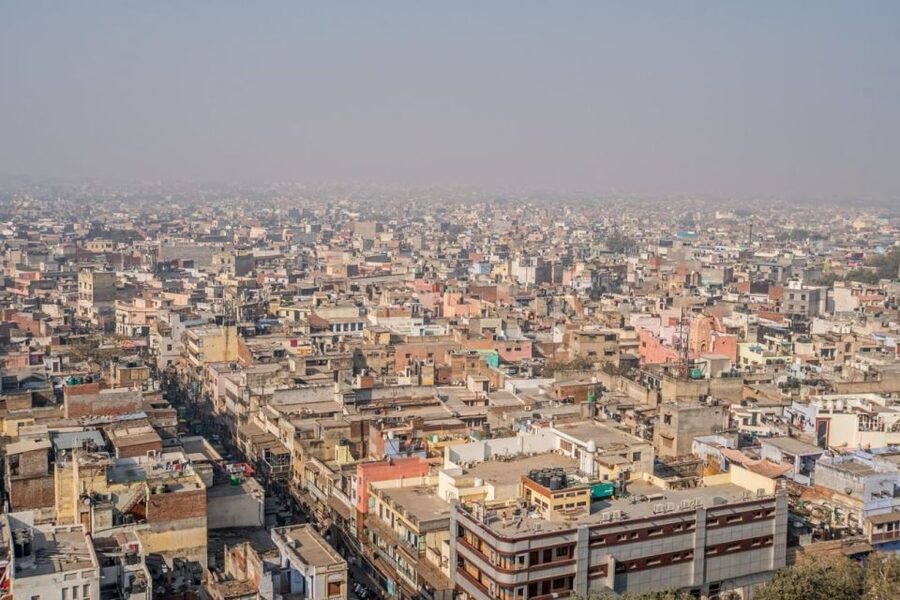
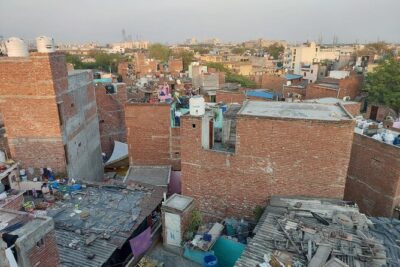
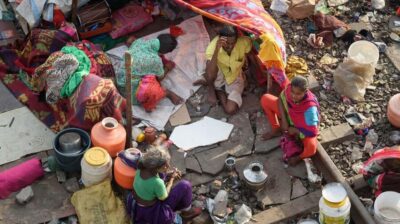
Delhi’s slum communities are not a sightseeing prop. This half-day walk takes you into Kusumpur Village, a settlement of more than 5,000 people, to look at work, housing, education, sanitation, health, and faith through direct conversation. The aim is to replace easy stereotypes with a clearer picture of daily life.
I like the respectful, non-intrusive approach, and I like that the tour examines business and community life rather than simply showing hardship. Hotel pickup, an air-conditioned car, bottled water, and an English-speaking guide also make the $57 price easier to justify.
The main consideration is emotional and practical: this is not a polished cultural attraction. Conditions can be difficult, the walking may feel confronting, and one guide changed part of the route because it seemed unsafe for a visitor with multiple sclerosis. Go with an open mind, and do not expect every planned stop to happen exactly as described.
In This Review
- Key points to know before booking
- Why this Delhi walk is different
- Hotel pickup and the ride to Kusumpur Village
- Walking through a working neighborhood
- Meeting residents without turning them into a display
- Education, sanitation, and health in daily life
- A Hindu temple and a mosque
- The tea break and the nearby market
- How the $57 price holds up
- Safety, comfort, and personal limits
- Who should book this experience
- Should you book the Delhi slum walking tour?
- FAQ
- How long is the Delhi slum walking tour?
- Where does the tour take place?
- How many people live in the settlement?
- Is hotel pickup and drop-off included?
- Is an English-speaking guide included?
- What is included during the tour?
- What should I bring and what is not allowed?
Key points to know before booking
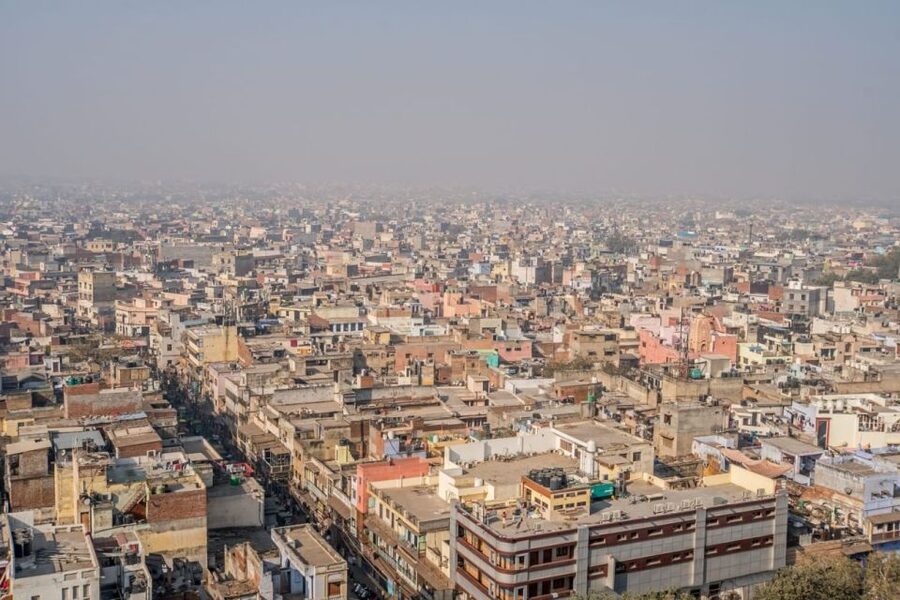
- Kusumpur Village: Visit a settlement originally built on forest land and now home to more than 5,000 people.
- Community rather than spectacle: The walk focuses on homes, small businesses, education, sanitation, health, and local relationships.
- Religious sites: The route includes the chance to visit a Hindu temple and a mosque.
- Local guides: English-speaking guides including Neil and Harsh lead the experience, with a driver handling transfers.
- Comfort included: Hotel pickup and drop-off, an air-conditioned car, mineral water, and tea if desired are included.
- A clear ethical limit: The tour is designed for conversation and observation, not intrusive photography or staged poverty scenes.
Why this Delhi walk is different
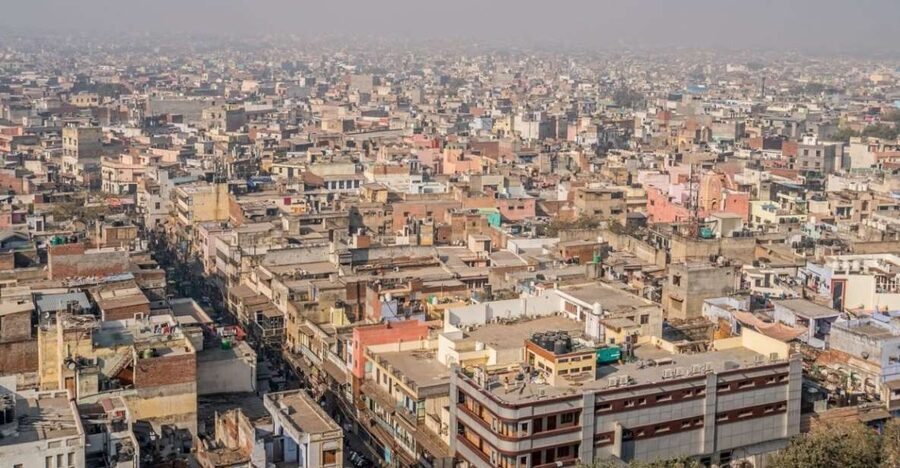
Many Delhi tours show grand monuments, busy markets, and royal buildings. This one asks you to look at the city from another angle: how people build homes, earn money, educate children, worship, and support one another when formal services are limited.
That difference matters. A slum is not simply a place of deprivation. It can also be a residential district, a workplace, a religious community, and a network of families and small businesses. Your guide helps explain those layers as you walk.
The tour is described as educational and ethical. That should shape your behavior as much as the guide’s approach does. You are there to listen and observe, not to treat residents as a backdrop. Friendly children may wave, and you may meet people who are happy to talk, but ask before taking photographs and follow the guide’s lead.
The settlement was originally built on forest land and is now described as one of Delhi’s largest informal settlements. More than 5,000 people live there. That scale helps explain why the area has its own social structure and economic life rather than being a handful of temporary shelters.
More community walks in New Delhi:
- Sanjay Colony Slum Tour
★ 5.0 · 498 reviews - New Delhi Slum Walking Tour
★ 5.0 · 360 reviews - Delhi: Ethical Sanjay Colony Slum Tour
★ 4.9 · 242 reviews
Hotel pickup and the ride to Kusumpur Village
The experience begins with pickup at your Delhi hotel. Transfers and sightseeing are provided in an air-conditioned car, with a driver accompanying the guide. This is a useful feature in Delhi, where heat, traffic, and long road crossings can make even a short outing tiring.
You avoid the hassle of finding the settlement on your own, and you have a private space to ask questions before the walk begins. Bottled mineral water is included, with a tea break available if you want one.
The English-speaking guide is central to the experience. Guides named in the tour’s accounts include Neil and Harsh, and the guiding style is described as clear, welcoming, and well informed. One guide also adjusted the plan for a visitor with multiple sclerosis when a rougher area seemed unsafe. That was a sensible decision, though the guide only explained the change at the hotel. If a specific route matters to you, ask about it before setting off.
Bring your passport or another form of identification. Alcohol and drugs are not allowed, and the tour is not considered suitable for pregnant women.
Walking through a working neighborhood
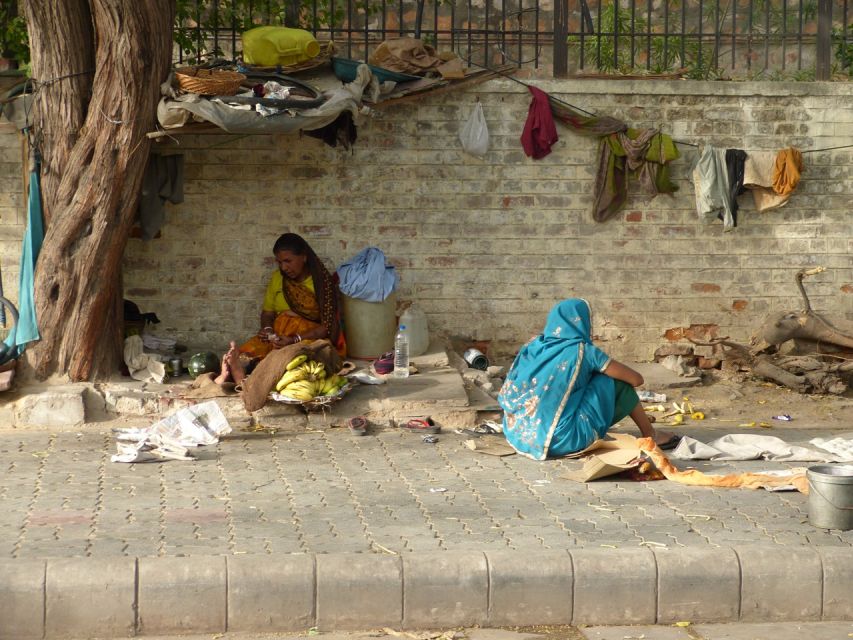
The walk is meant to show how residential and working life overlap. You might see homes alongside small enterprises, with the guide explaining the practical ways people make a living and organize daily routines.
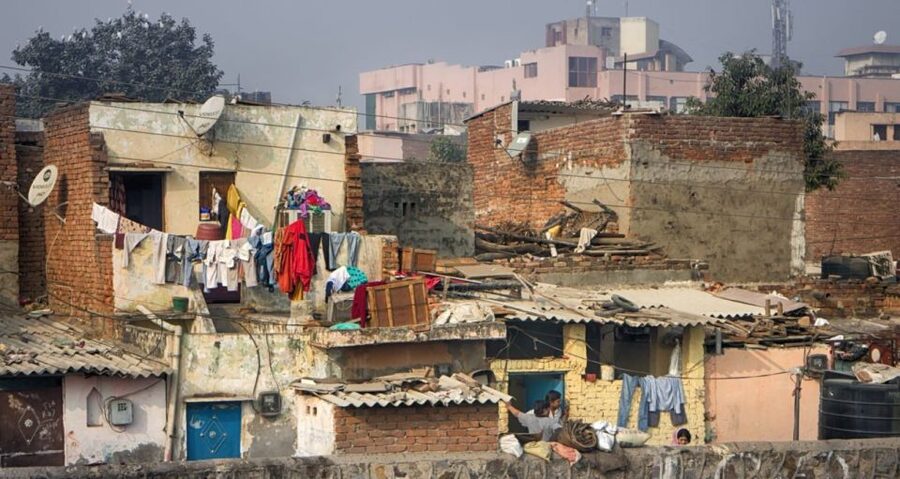
The business element is one of the most useful parts of the tour. Visitors often arrive expecting only signs of poverty, but informal settlements also contain skilled workers, traders, service providers, and household businesses. Looking at those activities gives you a better sense of how residents support themselves.
Do not expect a formal museum-style presentation. The experience works through walking, stopping, asking questions, and noticing details. The guide interprets what you are seeing and places it in a wider social and economic context.
The setting can be crowded and basic. Paths may be narrow, and the experience may feel uncomfortable for anyone used to conventional sightseeing. That is not a reason to dismiss the tour, but it is a reason to choose it carefully. If you want a relaxed afternoon of monuments and cafés, this is the wrong outing.
Meeting residents without turning them into a display
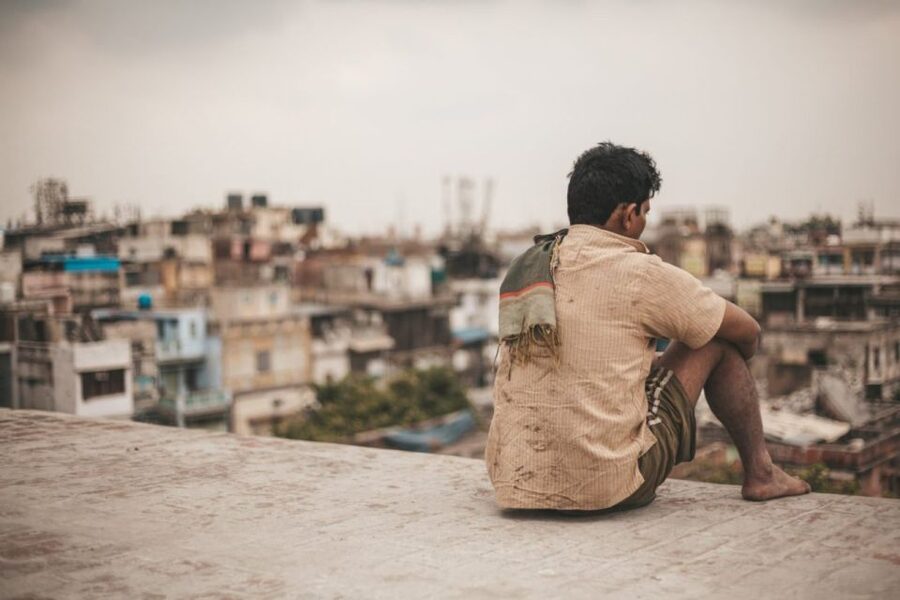
The tour’s strongest promise is its non-intrusive style. The stated goal is communication with residents, not a quick look at poverty from a vehicle window.
You may greet people, speak with residents, and see how the neighborhood functions. A house visit has also been part of the experience for some participants, including a visit to a better-built home within the settlement. That kind of stop can help you avoid the false idea that every household has the same income, space, or living conditions.
Photography needs care. The supplied information does not describe a formal photography policy, so the safest rule is simple: ask permission, avoid photographing children without a parent’s consent, and do not take pictures during sensitive conversations. Your guide can tell you when a photo is appropriate.
The tour is most valuable when you pay attention to ordinary details. How do residents use space? Where do work and family life meet? What services are available? How do people maintain a sense of belonging? Those questions lead to a more useful understanding than a list of shocking images.
More walking tours in New Delhi:
- The Great Indian Food Tour: Old Delhi Food and Heritage Walk
★ 5.0 · 1,698 reviews - Old Delhi Food, Heritage&Cultural Walk with Rickshaw ride to Masterji Kee Haveli
★ 5.0 · 742 reviews - Breakfast Walk in Old Delhi
★ 5.0 · 449 reviews - Delhi Food Walk: Rickshaw Ride, Street Eats & Market Tour
★ 5.0 · 401 reviews
Education, sanitation, and health in daily life
Education is one of the subjects built into the walk. The experience can include discussion of ongoing community projects, and a stop at an NGO school has been part of the route. There, visitors have spoken with teachers about the work being done for local children.
This is an important distinction. You are not only seeing what the settlement lacks. You are also learning about efforts to improve children’s education and the role of local and nonprofit organizations.
Sanitation and health are also part of the discussion. The tour does not promise a medical visit or a detailed inspection of public services, but it does address the challenges created by limited facilities and difficult living conditions. Your guide connects these issues to household life and the broader social structure.
The educational angle makes this tour better suited to curious adults, older children, students, and anyone who wants context rather than a quick photo stop. It may be less suitable for very young children, though the supplied information does not set a minimum age.
A Hindu temple and a mosque
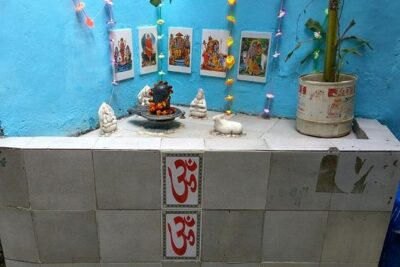
Religion is another way to understand the community. The route offers a chance to visit both a Hindu temple and a mosque, showing that worship is woven into local life.
These visits should be approached as cultural encounters, not as boxes to tick. Your guide can explain how the sites fit into the neighborhood and what behavior is appropriate. Dress and conduct should be respectful, and you should follow instructions about footwear and photography if those apply at the time.
The inclusion of both sites gives the tour a wider frame. It prevents the settlement from being presented only through economics and housing. Families also have faith, social ties, celebrations, and places where they gather.
The exact order of stops can change. Walking tours in active residential areas are shaped by local conditions, and the accounts of the route suggest that guides may make practical decisions as they go.
The tea break and the nearby market
A tea break is included if desired, and the experience can finish with chai in a market not far from the settlement. This is a small detail, but it can make the afternoon feel more like a human exchange and less like a guided inspection.
Tea also gives you a chance to pause after the walk and ask follow-up questions. The market setting may offer another look at local commerce, though personal shopping is not included and any purchases are your responsibility.
Some guides have provided snacks and taken photographs for visitors, but these extras should not be treated as guaranteed parts of the package. The listed inclusions are mineral water and tea if desired. Ask before assuming that photos, snacks, or additional stops will be provided.
How the $57 price holds up
At $57 per person, this is not the least expensive way to spend half a day in Delhi. You are paying for more than the walk itself: hotel pickup and return, an air-conditioned car, a driver, bottled water, an English-speaking storyteller-guide, and a guided introduction to a part of the city that is difficult to understand on your own.
That package offers reasonable value if you would otherwise need to arrange transport and find a trusted local contact. The price also pays for interpretation and responsible access. Without a guide, you could pass through a settlement and learn very little, or behave in ways that residents find intrusive.
Value depends on your expectations. If you judge the outing by the number of famous sights visited, it will seem expensive. If you value social context, conversation, and a careful introduction to modern urban India, the price is easier to defend.
The tour has received a top rating from 10 reviews, with praise focused on guide punctuality, safety, clear English, patience, and respectful contact with residents. That is a small sample, so I would not treat it as a guarantee, but the pattern points to the guide as the main reason to book.
Safety, comfort, and personal limits
Safety is clearly important on this experience. A single woman described feeling safe during the walk, and other accounts also emphasize professional pickups and careful guiding.
Still, safety does not mean the setting will feel easy. You are entering a dense residential area with difficult living conditions, and the guide may decide that a particular section is unsuitable. The route can change for sensible reasons.
Comfort is basic rather than luxurious. The car is air-conditioned, water is supplied, and tea is available, but the walk itself takes place in an informal settlement. Wear practical clothing and shoes suitable for walking. Avoid displaying valuables, and keep your belongings secure.
The tour is not suitable for pregnant women. The information does not provide a wheelchair-accessibility statement, so anyone with limited mobility should contact the provider before booking. A guide showed patience with a visitor who had multiple sclerosis, but that does not mean every section is accessible or that the route can always be adapted.
Who should book this experience
I would choose this tour if you want to understand Delhi beyond its monuments and are willing to listen without judging too quickly. It suits solo visitors, couples, small groups, students, and repeat visitors who have already seen the main sights.
It is especially useful for people interested in urban development, informal economies, education, public health, religion, or community life. The English-speaking guides can provide a bridge between what you see and the larger issues behind it.
First-time visitors to India may find the experience intense. One account specifically suggests that it may be less suitable for someone on a first visit, not because it is unsafe, but because the setting can be confronting and hard to process without some familiarity with the country.
I would not book it if you want a light sightseeing stop, guaranteed access to every planned area, or a chance to take dramatic photographs. The ethical purpose requires patience and restraint.
Should you book the Delhi slum walking tour?
Book it if you want a serious, respectful look at how a large Delhi community works from day to day. The strongest parts are the local guide, the focus on business and social structure, the school and community-project context, and the chance to meet residents without reducing the neighborhood to a poverty exhibit.
The $57 cost is fair when you use the hotel transfers and value the guide’s interpretation. Ask about the day’s route before you leave, especially if mobility or medical needs matter to you.
Skip it if you are uncomfortable entering a residential settlement or if you want a predictable sightseeing schedule. For the right visitor, though, this can be one of the more thoughtful ways to question easy assumptions about life in Delhi.
FAQ
How long is the Delhi slum walking tour?
It is described as a half-day tour. The exact start and finish time is not provided, so confirm the schedule when booking.
Where does the tour take place?
The tour visits Kusumpur Village, described as one of Delhi’s largest slum areas and an informal settlement originally built on forest land.
How many people live in the settlement?
The supplied information states that more than 5,000 people live in the settlement.
Is hotel pickup and drop-off included?
Yes. Pickup and return to your Delhi hotel are included, with transfers and sightseeing provided by air-conditioned car.
Is an English-speaking guide included?
Yes. An English-speaking storyteller and guide is included. Guides named in the supplied information include Neil and Harsh.
What is included during the tour?
Mineral water is included, and you can request a tea break. Hotel transfers, the air-conditioned car, driver, and English-speaking guide are also included.
What should I bring and what is not allowed?
Bring your passport or another form of identification. Alcohol and drugs are not allowed. The tour is not suitable for pregnant women.
Just added around New Delhi
- Delhi: All-Inclusive Full or Half Day Tour With Hotel Pickup★ 5.0 · 3 reviews
- From Delhi : All Inclusive Taj Mahal Tour by Gatimaan Express★ 5.0 · 3 reviews
- Skip the line: Taj Mahal Agra Private Day Trip From Delhi By Car★ 5.0 · 3 reviews
- Delhi: Old and New Delhi One Day Private Guided City Tour★ 5.0 · 3 reviews
- New Delhi Night City Tour★ 5.0 · 3 reviews
- Old Delhi Half day private city tour★ 5.0 · 3 reviews
- A full-day tour of Old & New Delhi Monument Express Entry★ 5.0 · 3 reviews
- Sultanpur Bird Sanctuary Tour Near Delhi★ 5.0 · 3 reviews
Community and Local Life Walks, compared.



New Delhi Sanjay Colony slum Tour (Private Tour)
Read our review →Browse the lists this tour appears in