
Reviewed · GOLDEN TRIANGLE WITH VARANASI
6 Day Golden Triangle Tour with Varanasi from Delhi
The most memorable part of this six-day route comes in Varanasi, where an early boat ride on the Ganges and the evening Ganga Aarti bring India’s religious life close. You also get the classic sights: the Taj Mahal at sunrise and Jaipur’s Amber Fort. I like the private format, which keeps the pace and questions in your hands, and I like having guides in each city rather than trying to decode every monument alone.
The price is a major attraction at $134 per person, but six days is a tight squeeze. You spend long hours on the road and two nights on trains, so this works best if you want to cover a lot quickly and can handle an energetic schedule. The tour is not suitable for pregnant women.
In This Review
- Key points at a glance
- Why this route works for a first look at North India
- Day 1: Delhi begins with mosques, markets, and monumental India
- Day 2: Jaipur’s royal center and Jantar Mantar
- Day 3: Amber Fort, Jal Mahal, and the road to Agra
- Day 4: The Taj Mahal at sunrise and Agra’s Mughal story
- Day 5: Varanasi, the Ganges, and evening Ganga Aarti
- Day 6: A final morning on the Ganges and the return to Delhi
- What $134 per person really buys you
- Guides, language support, and the human side of the trip
- Who should book this six-day India tour?
- FAQ
- How long is the Golden Triangle tour with Varanasi?
- What destinations are included?
- Is pickup included?
- What languages are available for the live guide?
- Does the tour include train travel?
- Is the Taj Mahal visited every day?
- Can I cancel or pay later?
- Should you book it?
Key points at a glance
- Taj Mahal at sunrise: Visit Agra’s most famous monument when the light is soft and the day is cooler.
- Varanasi by boat: See the Ganges Ghats from the water, then return for the morning and evening rituals.
- Private group format: You travel with your own party and have local guides in Delhi, Jaipur, Agra, and Varanasi.
- Fatehpur Sikri stop: Break the Delhi to Agra journey at Akbar’s abandoned Mughal city.
- Overnight train travel: The route includes a night train from Agra to Varanasi and another train from Varanasi to Delhi.
- Strong guide support: Shaily is named as a Delhi guide, while Vishnu organizes the trip and Omveer drives.
Why this route works for a first look at North India
This tour links four major destinations without asking you to arrange each transfer, hotel, guide, and railway connection yourself. You move from Delhi’s imperial and religious monuments to Jaipur’s royal architecture, Agra’s Mughal masterpieces, and Varanasi’s sacred riverfront.
I like that the route gives Varanasi equal billing with the Golden Triangle. Many short India tours stop at Delhi, Agra, and Jaipur, then end before the country’s spiritual side appears. Here, Varanasi changes the mood. The trip begins with grand buildings and formal gardens, but it ends beside the Ganges with temple bells, worship, and boat rides.
You should know what you are buying. This is not a slow, restful holiday. Delhi sightseeing begins on arrival day, Jaipur receives only a half-day city visit before a fuller fort outing, and Agra leads directly into an overnight train. The schedule packs in famous places, but you will need stamina and a willingness to accept some time in vehicles and railway stations.
More itineraries that add Varanasi:
- Delhi Agra Jaipur & Varanasi Tour – Taj Mahal & Ganga Aarti
★ 5.0 · 50 reviews - 7-Day Golden Triangle & Varanasi Tour from Delhi with Guide
★ 5.0 · 38 reviews - 9 – Days Private Golden Triangle Tour with Khajuraho & Varanasi
★ 5.0 · 22 reviews
Day 1: Delhi begins with mosques, markets, and monumental India
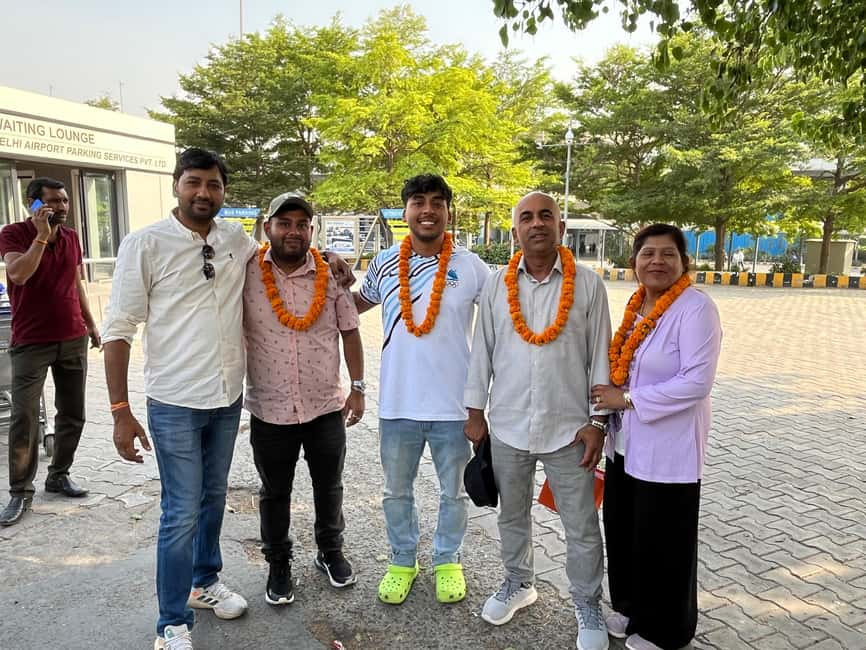
Your driver collects you from a hotel or airport in Delhi, Noida, or Gurgaon. At Delhi Airport Terminal 3, the meeting point is Exit Gate 4, where the driver carries a board with your name. After reaching the hotel, you check in with a traditional welcome, wash, change, and set out for sightseeing.
Old Delhi provides the sharpest contrast to the grand avenues of New Delhi. You visit Jama Masjid, one of the city’s best-known mosques, and Chandni Chowk, a historic market district where narrow lanes and crowded streets create a very different experience from the broad ceremonial roads elsewhere in the capital.
The day also includes Raj Ghat, India Gate, Parliament House, Akshardham, Lotus Temple, Qutub Minar, and Humayun’s Tomb. That is a large list for one day. You will see plenty, but you should not expect long, unhurried visits at every stop.
Qutub Minar gives you a striking introduction to Delhi’s earlier Islamic architecture. Humayun’s Tomb is especially useful as a point of reference for later Mughal buildings, including the Taj Mahal. A guide can help connect those places instead of leaving you with a string of impressive names.
Delhi’s temples also show how varied the capital is. Akshardham and the Lotus Temple offer very different religious settings, while the government buildings and India Gate present the city’s modern national identity. Shaily is named as the Delhi guide, and her role is especially valuable on a day with so many sites and layers of history.
I would keep your first evening simple. The schedule begins soon after arrival, and Delhi can feel intense before you have adjusted to the traffic, crowds, and heat. Your hotel is air-conditioned, according to the experience details and guest feedback, which matters after a full first day.
Day 2: Jaipur’s royal center and Jantar Mantar
You leave Delhi by road for Jaipur. After reaching the Pink City, you transfer to the hotel and begin half-day sightseeing at the City Palace, Jantar Mantar, and Hawa Mahal.
The City Palace introduces Jaipur as a royal capital, with courtyards, palace buildings, and decorative details that reflect the city’s courtly past. Hawa Mahal, the famous Palace of Winds, is best understood as part of Jaipur’s street-facing architecture rather than as a huge palace interior. You will likely spend more time seeing its ornate facade than walking through a large complex.
Jantar Mantar is the day’s most unusual stop. This open-air collection of astronomical instruments was built for measuring the sky, time, and celestial movements. It can look like a set of oversized stone forms until a guide explains how the instruments work. I would pay close attention here, since the site makes far more sense with interpretation.
This is a useful Jaipur introduction, but the half-day format limits your time. The following morning is devoted to Amber Fort and Jal Mahal, so Jaipur is split across two days rather than explored in one long city session. That arrangement reduces some pressure, yet the tour still gives you only a short window for the City Palace area and Hawa Mahal.
The hotel stay in Jaipur breaks up the road journey. It also gives you a proper bed before the next day’s drive to Agra and the later train to Varanasi. Hotel quality can vary on packaged tours, but the available feedback describes the rooms as clean, comfortable, and air-conditioned.
Day 3: Amber Fort, Jal Mahal, and the road to Agra
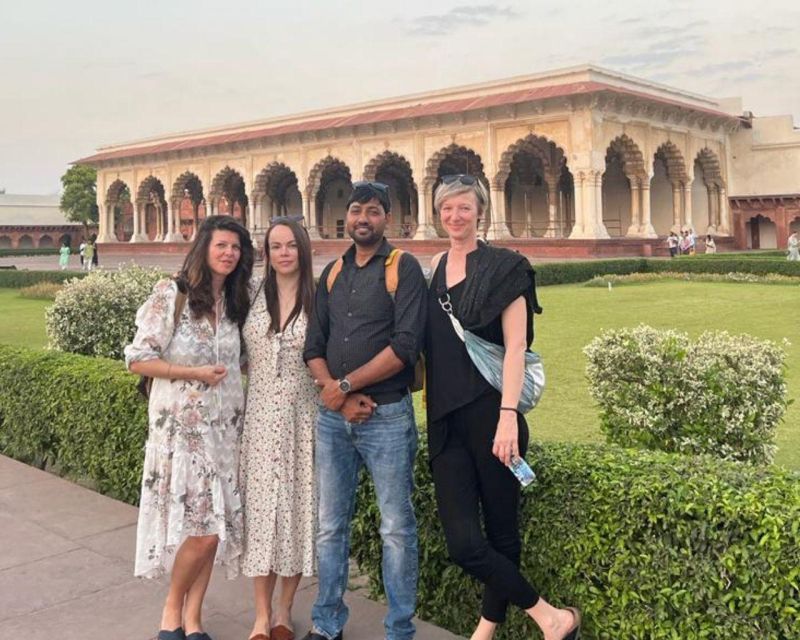
After breakfast, you visit Amber Fort and Jal Mahal before continuing toward Agra. Amber Fort is the major Jaipur sight here. Its courtyards, walls, and elevated setting make it a strong counterpoint to the city palaces.
You should allow yourself time to look beyond the most photographed viewpoints. The fort’s value comes from how its defensive design and royal spaces fit together, and a local guide can explain what you are seeing without forcing you to rely on guesswork.
Jal Mahal offers a shorter stop and a very different view. The palace appears to sit in the water, making it a natural pause between the fort and the onward drive. The information provided does not promise a long visit or special access, so treat it as a scenic stop rather than a full palace tour.
The road to Agra includes Fatehpur Sikri, the abandoned Mughal city established by Akbar and now recognized as a World Heritage site. This is one of the best choices in the itinerary. It breaks up the drive while adding a major historical site that many visitors miss when they rush directly between Jaipur and Agra.
Fatehpur Sikri’s empty courtyards and monumental structures give you a sense of a former capital that no longer functions as a living city. The contrast with Old Delhi and Jaipur is part of its appeal. Instead of only admiring polished monuments, you get a place shaped by departure and change.
After the visit, you continue to Agra, check in, and spend the night there. This day contains a lot of movement, so I would keep expectations realistic. Amber Fort and Fatehpur Sikri deserve attention, but the road connection means you will also spend a meaningful part of the day in the vehicle.
More Golden Triangle itineraries from New Delhi:
- 3-Days Private Golden Triangle Tour: Delhi, Agra & Jaipur by Car
★ 5.0 · 1,107 reviews - 3-Days Private Golden Triangle Tour: Delhi, Agra & Jaipur by Car
★ 5.0 · 1,098 reviews - 3-Day Delhi, Agra and Jaipur Private Tour – India Golden Triangle
★ 5.0 · 812 reviews - Four-Day Private Luxury Golden Triangle Tour to Agra and Jaipur From New Delhi
★ 5.0 · 807 reviews
Day 4: The Taj Mahal at sunrise and Agra’s Mughal story
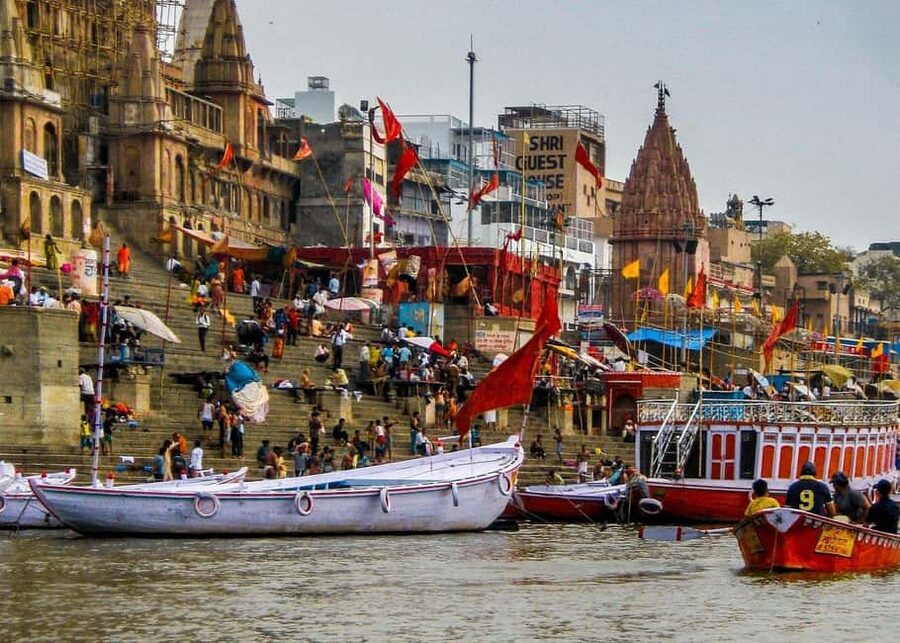
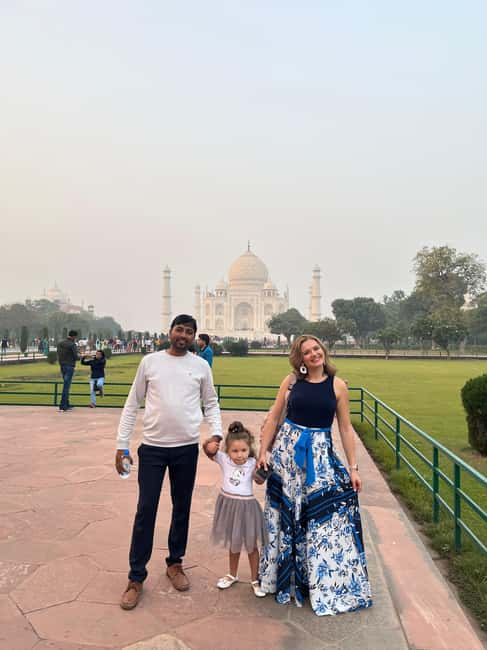
The early start is worth it. You visit the Taj Mahal at sunrise, when the changing light gives the white marble a softer appearance and the cooler morning makes the visit easier. The Taj is more than a famous photograph. Its symmetry, gardens, marble work, and setting beside the Yamuna River reward a slow look, even on a busy itinerary.
The Taj Mahal is closed on Fridays, so check the calendar before booking. If your Day 4 visit falls on a Friday, the schedule would need to change, and you should confirm the arrangement with the provider before committing.
Agra Fort follows later in the day. While the Taj is a monument of love and imperial display, Agra Fort gives you a better sense of political power and royal life. Its walls, courtyards, and palace areas help explain why Agra was such an important Mughal center.
You also visit the Tomb of Itimad-ud-Daulah, often called the Baby Taj, and Mehtab Bagh. These stops add variety. Itimad-ud-Daulah lets you study a smaller and more detailed Mughal monument, while Mehtab Bagh provides another angle toward the Taj Mahal.
The evening transfer to the railway station begins a major change in the trip. You board a train for Varanasi and spend the night en route. I like this because rail travel is part of the practical rhythm of India, not just a sightseeing accessory. Still, a train night is less restful than a hotel night, and you should pack the essentials where you can reach them easily.
The supplied details do not specify train class, berth type, or exact departure time. Confirm those points before booking, especially if sleep quality or mobility is important to you.
Day 5: Varanasi, the Ganges, and evening Ganga Aarti
You arrive at Varanasi Railway Station, where pickup and hotel transfer are arranged. After checking in and freshening up, you begin the city tour.
The listed temples include New Vishwanath Temple at Banaras Hindu University, Sankat Mochan Temple, Tulsi Manas Mandir, Durga Mandir, and Tridev Temple. These stops show Varanasi beyond its riverfront. The city is not only a place of ghats and boat rides. Its temples and university district add different sides of local religious and cultural life.
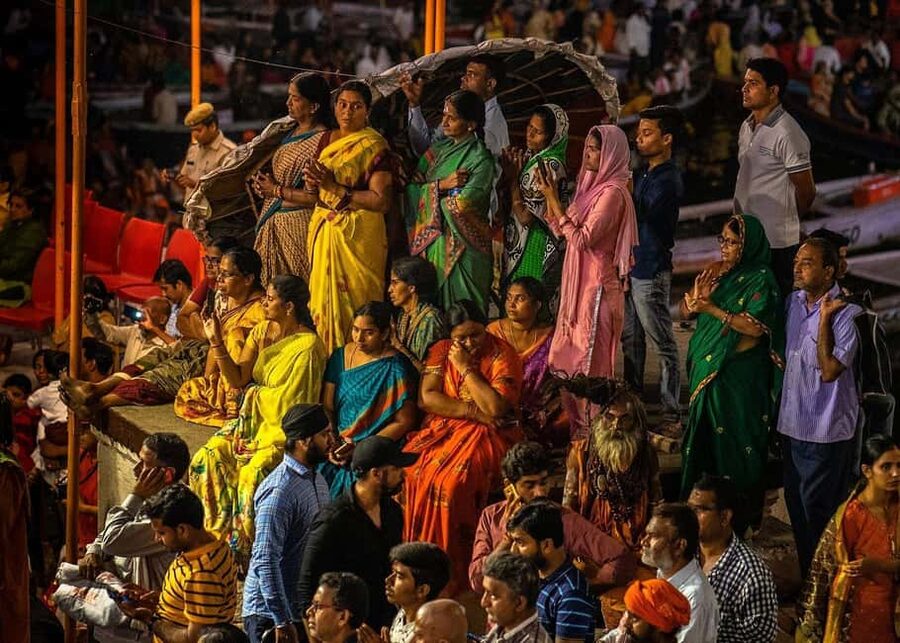
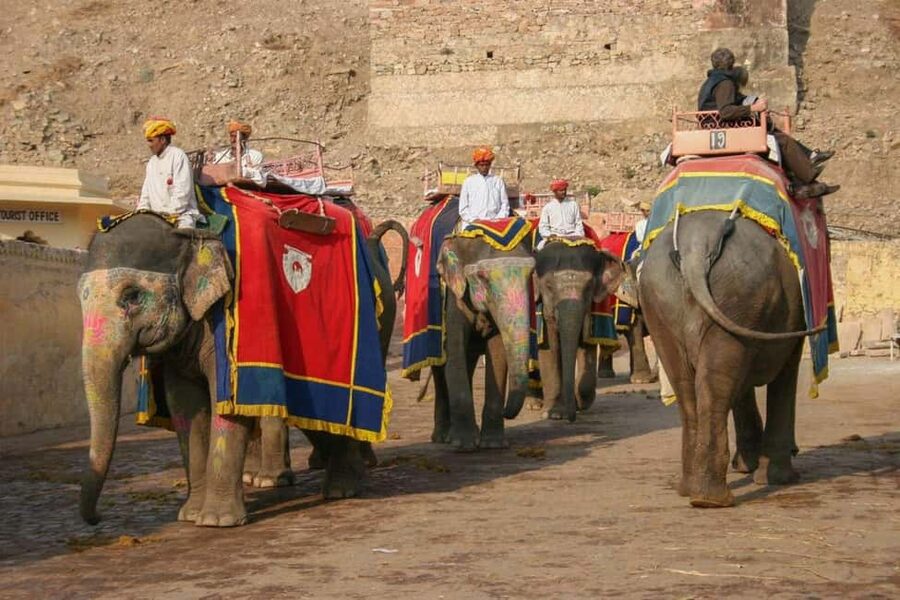
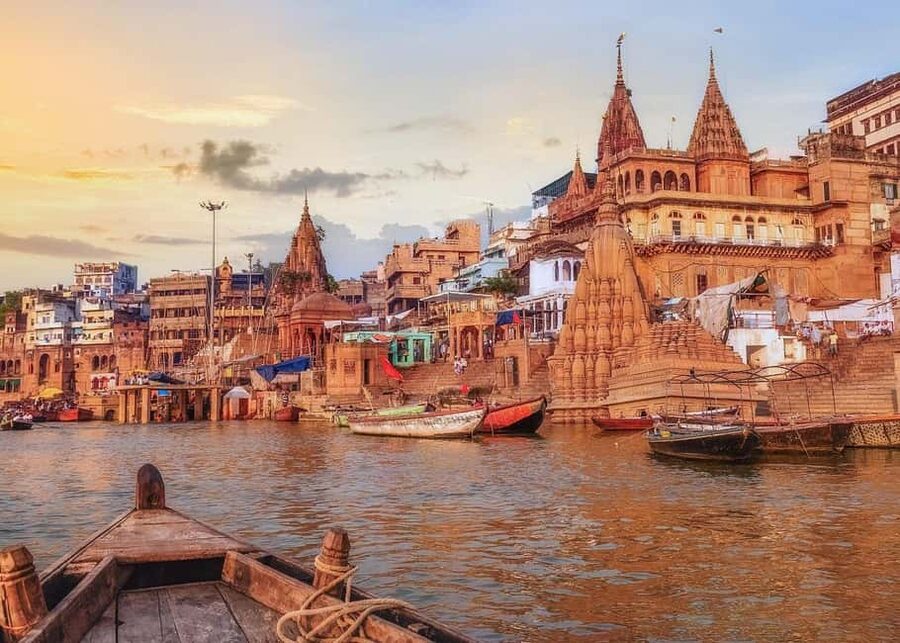
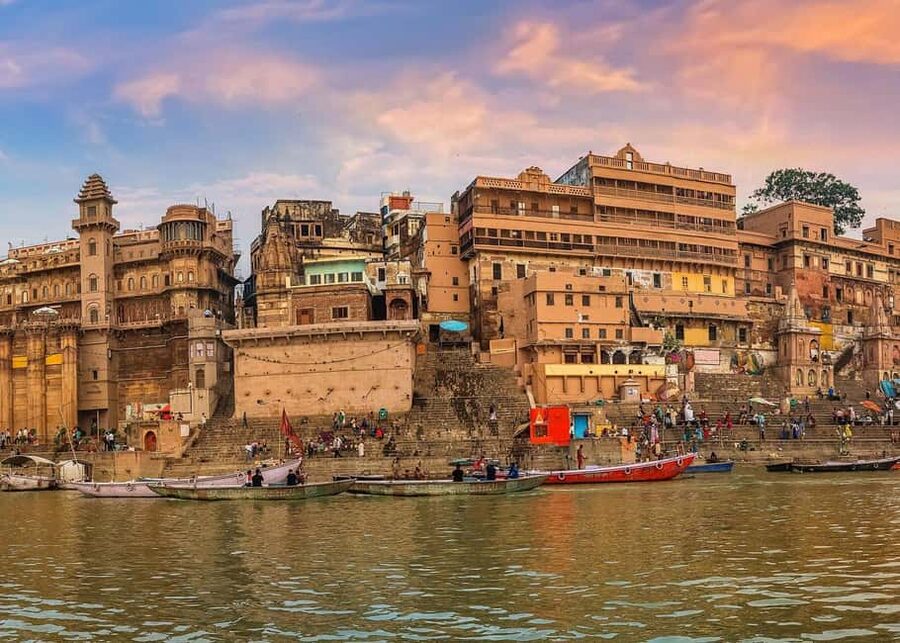
In the evening, you go to Dasaswamedh Ghat for Ganga Aarti and a boat ride on the Ganges. This is the emotional center of the tour. From the river, you can watch the ghats and the ceremony from a different position, while the ritual itself gives the evening a strong sense of place.
You then visit the Golden Temple, the main Kashi Vishwanath Temple, Annapurna Temple, and Vishalakshi Temple. Temple access can involve rules and crowd control, so follow your guide’s instructions and keep your passport or ID card with you as required for the tour.
Vishnu is named as the tour organizer and leader. His job is especially important on this day, when you are managing a hotel arrival, several temples, a river activity, and an evening ceremony after an overnight train. The available feedback also highlights guides who explain slowly and clearly, which can help if English is not your first language.
This is a full day after a night on the train. You might feel tired before the evening program begins. That is the tradeoff: the schedule lets you see Varanasi in one concentrated day, but it gives you little spare time.
Day 6: A final morning on the Ganges and the return to Delhi
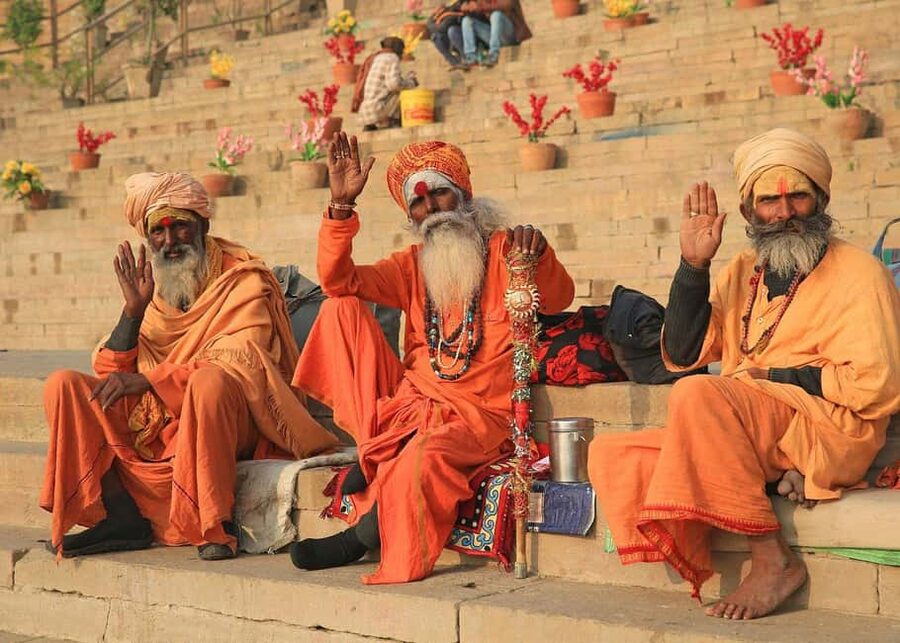
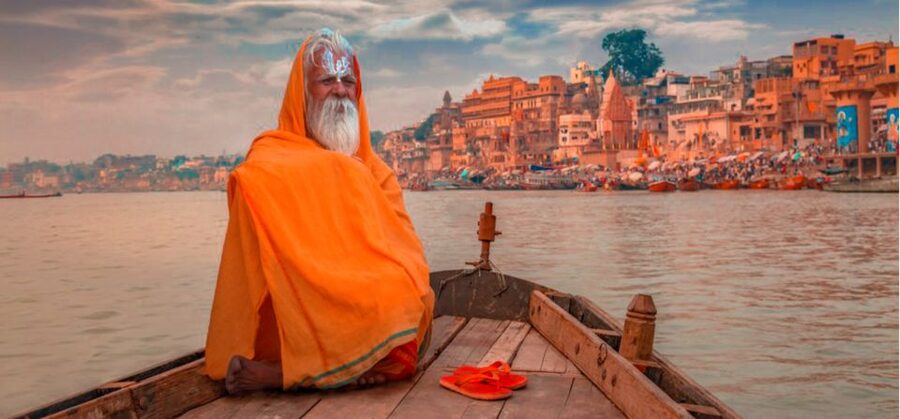
The final morning starts with another boat ride on the Ganges. Morning light gives the riverfront a quieter feel than the evening ceremony, and the second boat outing is not simply a repeat. The tour presents Varanasi at two different times, with the evening ritual and the early morning river experience offering separate views of the ghats.
After breakfast, you transfer to the railway station for the train to Delhi. On arrival, assistance is provided for the transfer to the city’s international airport and your onward flight.
This final connection requires careful planning. The provided information does not give the train arrival time or a guaranteed airport buffer, so do not schedule a tight flight without confirming the details. If you are flying home on the same day, ask for the planned train and transfer timing before you pay.
What $134 per person really buys you
At $134 per person, this is an unusually low price for a private six-day route covering Delhi, Jaipur, Agra, and Varanasi. The value comes from combining transport, hotel stays, monument visits, local guides, airport or hotel pickup, and train connections in one organized plan.
You are not paying only for sightseeing. You are also paying for coordination. Delhi pickup, city transfers, hotel check-ins, the Agra railway transfer, arrival in Varanasi, and the final airport connection can take work to arrange independently. Vishnu’s organizing role and Omveer’s driving support are meaningful parts of the package.
The low price also tells you to check the fine print. The supplied details do not list meals, monument entrance fees, train class, or flight transport. Do not assume those items are included. Ask what the $134 covers before booking so a low headline price does not become a surprise expense.
The private group format is another value point. You are not assigned to a large shared coach, and you can ask questions directly. The tradeoff is that the exact vehicle standard, hotel names, and train arrangements are not stated, so request those specifics if they matter to you.
Guides, language support, and the human side of the trip
The experience offers live guiding in English, German, Italian, Russian, Spanish, French, Japanese, Chinese, and Portuguese. That is helpful on a route where the monuments can be hard to understand without context.
Shaily is identified as the Delhi guide. Vishnu is the organizer and tour leader, and Omveer is named as the driver. These personal points matter because a multi-city trip depends on people handling the handoffs properly.
The available feedback gives special weight to clear explanations, professional conduct, clean air-conditioned hotels, and help with small problems along the way. One guest also noted that a guide took good photographs at each place. You should not treat that as a guaranteed photography service, but it suggests that you can ask your guide for help with group pictures.
Who should book this six-day India tour?
I would choose this route if you are visiting North India for the first time and want the major sights plus one powerful religious center. It suits you if you prefer having transport, hotels, guides, and station transfers organized in advance.
It is also a good fit if you value private touring and want explanations in a language you speak comfortably. The itinerary gives you a broad introduction rather than long stays in each city.
I would hesitate if you dislike early starts, long drives, crowded religious sites, or overnight trains. You should also think carefully about the final train to Delhi and your flight connection. Pregnant women should not book, as the activity is specifically marked unsuitable for them.
FAQ
How long is the Golden Triangle tour with Varanasi?
The tour lasts six days.
What destinations are included?
The route includes Delhi, Jaipur, Agra, Fatehpur Sikri, and Varanasi.
Is pickup included?
Yes. Pickup is available from your hotel or airport in Delhi, Noida, or Gurgaon, including Delhi Airport. At Terminal 3, the meeting point is Exit Gate 4, where the driver meets you with a board showing your name.
What languages are available for the live guide?
Guiding is available in English, German, Italian, Russian, Spanish, French, Japanese, Chinese, and Portuguese.
Does the tour include train travel?
Yes. You take an overnight train from Agra to Varanasi and a train from Varanasi to Delhi on the final day.
Is the Taj Mahal visited every day?
No. The Taj Mahal visit is planned for sunrise on Day 4, but the monument is closed on Fridays. Check your dates before booking.
Can I cancel or pay later?
You can cancel up to 24 hours before the activity for a full refund, and you can reserve now and pay later. The listed price is $134 per person.
Should you book it?
Book this tour if you want a fast, organized introduction to India’s biggest North Indian sights and you are excited by the contrast between Mughal monuments, Jaipur’s palaces, and Varanasi’s Ganges rituals. The combination of a sunrise Taj Mahal visit, Fatehpur Sikri, Amber Fort, and two boat rides in Varanasi gives the six days real range.
Skip it if you need a relaxed pace or guaranteed details about hotel names, train class, meals, and entrance fees before purchase. For the right kind of visitor, the $134 price offers strong practical value, but the schedule asks you to trade comfort and free time for reach.
More 6-Day Experiences in New Delhi
- 5 Nights 6 Days Private Golden Triangle Tour – Delhi Agra Jaipur
★ 5.0 · 574 reviews - Delhi: 6-Day Golden Triangle Delhi, Agra, and Jaipur Tour
★ 4.9 · 189 reviews - 6-Day Private Tour of the Golden Triangle
★ 5.0 · 184 reviews - Golden Triangle Tour: Private Delhi Agra Jaipur 5 Nights 6 Days
★ 5.0 · 157 reviews
Just added around New Delhi
- Delhi: All-Inclusive Full or Half Day Tour With Hotel Pickup★ 5.0 · 3 reviews
- From Delhi : All Inclusive Taj Mahal Tour by Gatimaan Express★ 5.0 · 3 reviews
- Skip the line: Taj Mahal Agra Private Day Trip From Delhi By Car★ 5.0 · 3 reviews
- Delhi: Old and New Delhi One Day Private Guided City Tour★ 5.0 · 3 reviews
- New Delhi Night City Tour★ 5.0 · 3 reviews
- Old Delhi Half day private city tour★ 5.0 · 3 reviews
- Sultanpur Bird Sanctuary Tour Near Delhi★ 5.0 · 3 reviews
- A full-day tour of Old & New Delhi Monument Express Entry★ 5.0 · 3 reviews
Golden Triangle with Varanasi, compared.

Delhi Agra Jaipur & Varanasi Tour – Taj Mahal & Ganga Aarti
Read our review →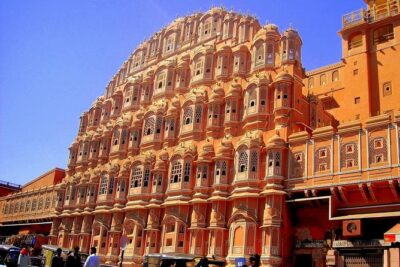
7-Day Golden Triangle & Varanasi Tour from Delhi with Guide
Read our review →
9 – Days Private Golden Triangle Tour with Khajuraho & Varanasi
Read our review →
6-Day Private Tour of Delhi, Agra, Jaipur, and Varanasi from Delhi
Read our review →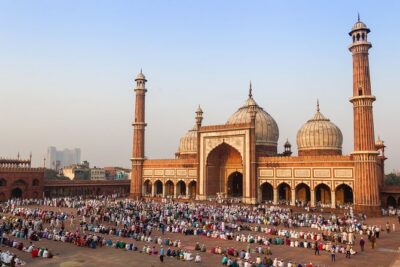
11 Days Golden Triangle & Varanasi With Luxury Accommodation,internal Flights
Read our review →
8-Day Private Luxury Golden Triangle With Spiritual Varanasi Tour
Read our review →
10 Day Private Luxury Golden Triangle with Khajuraho and Varanasi
Read our review →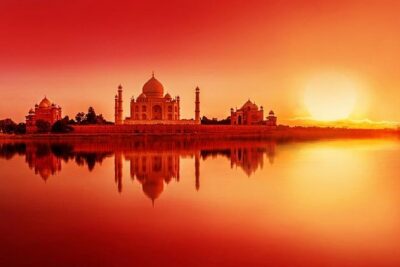
Private Luxury Delhi, Agra, Jaipur & Varanasi from Delhi – 5 Nights 6 Days Tour
Read our review →Browse the lists this tour appears in